“To be accounted for, objects have to enter accounts.” – Bruno Latour, Reassembling the Social
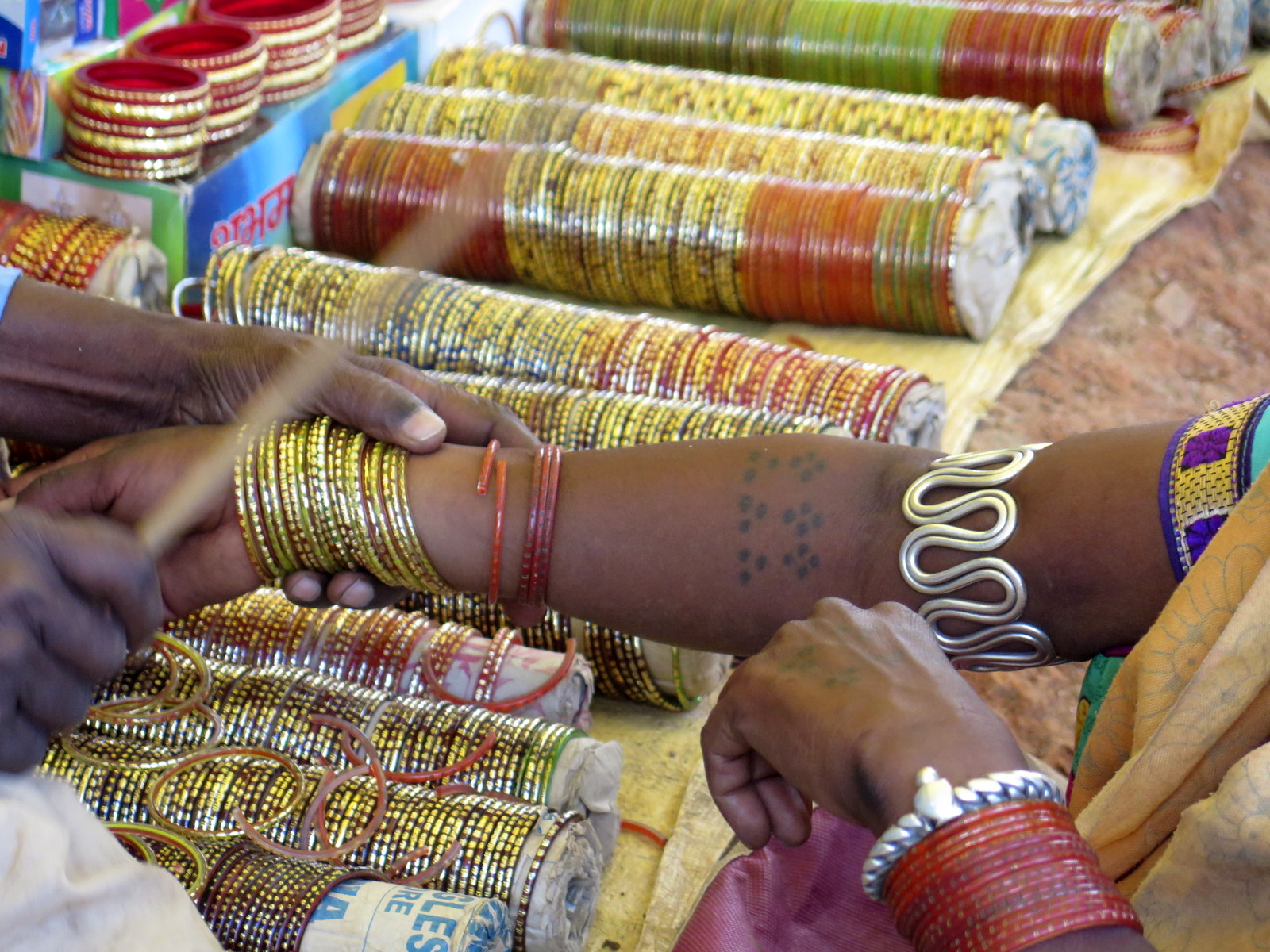
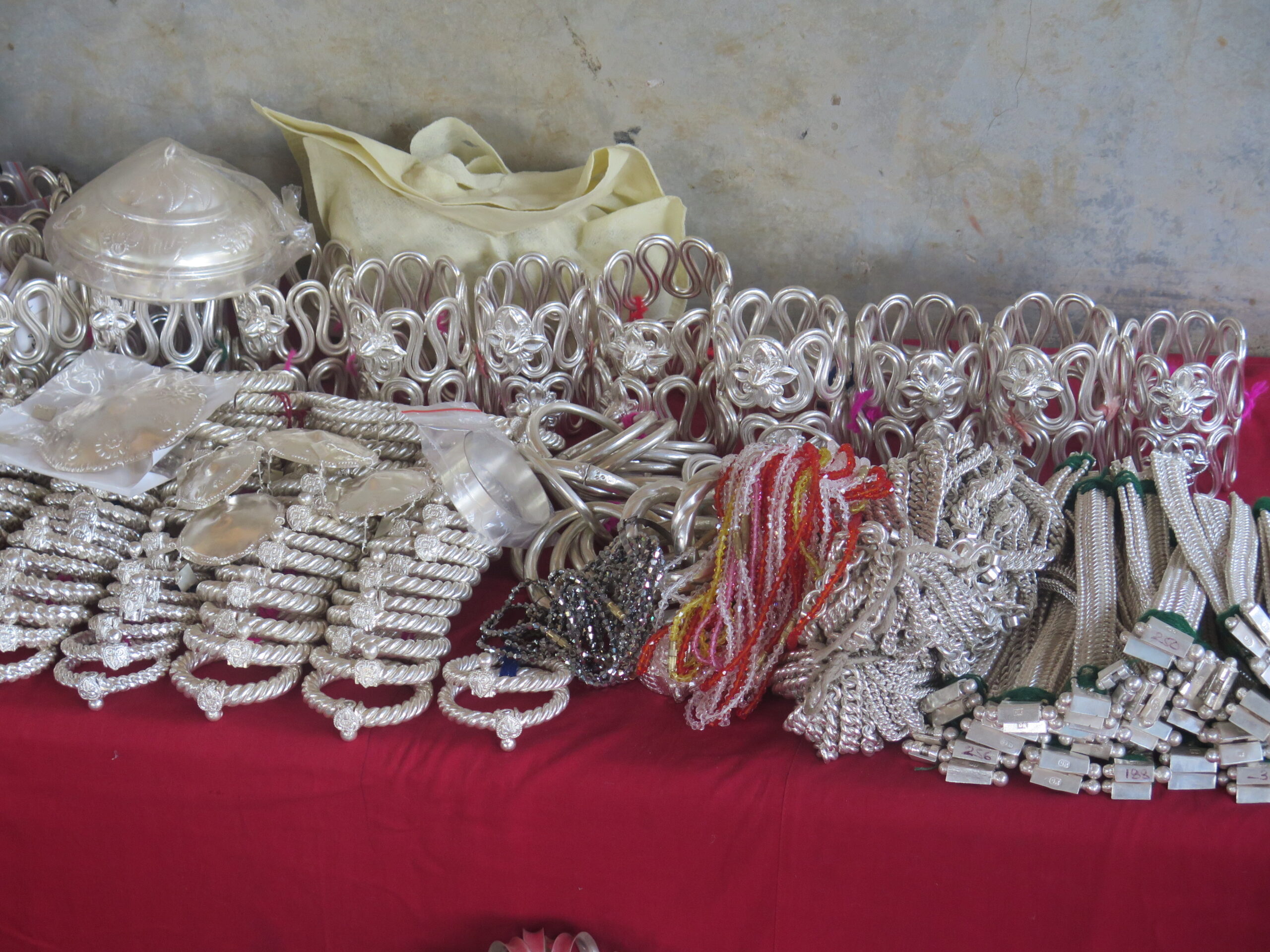
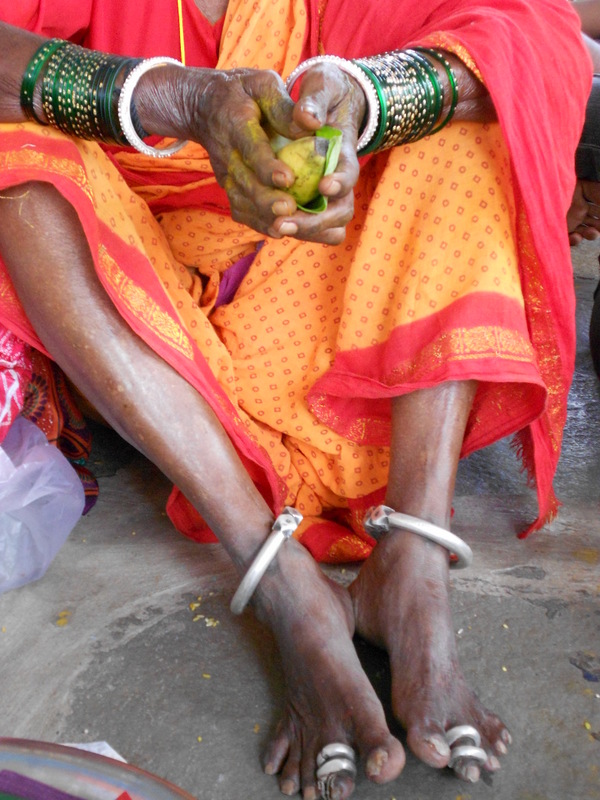
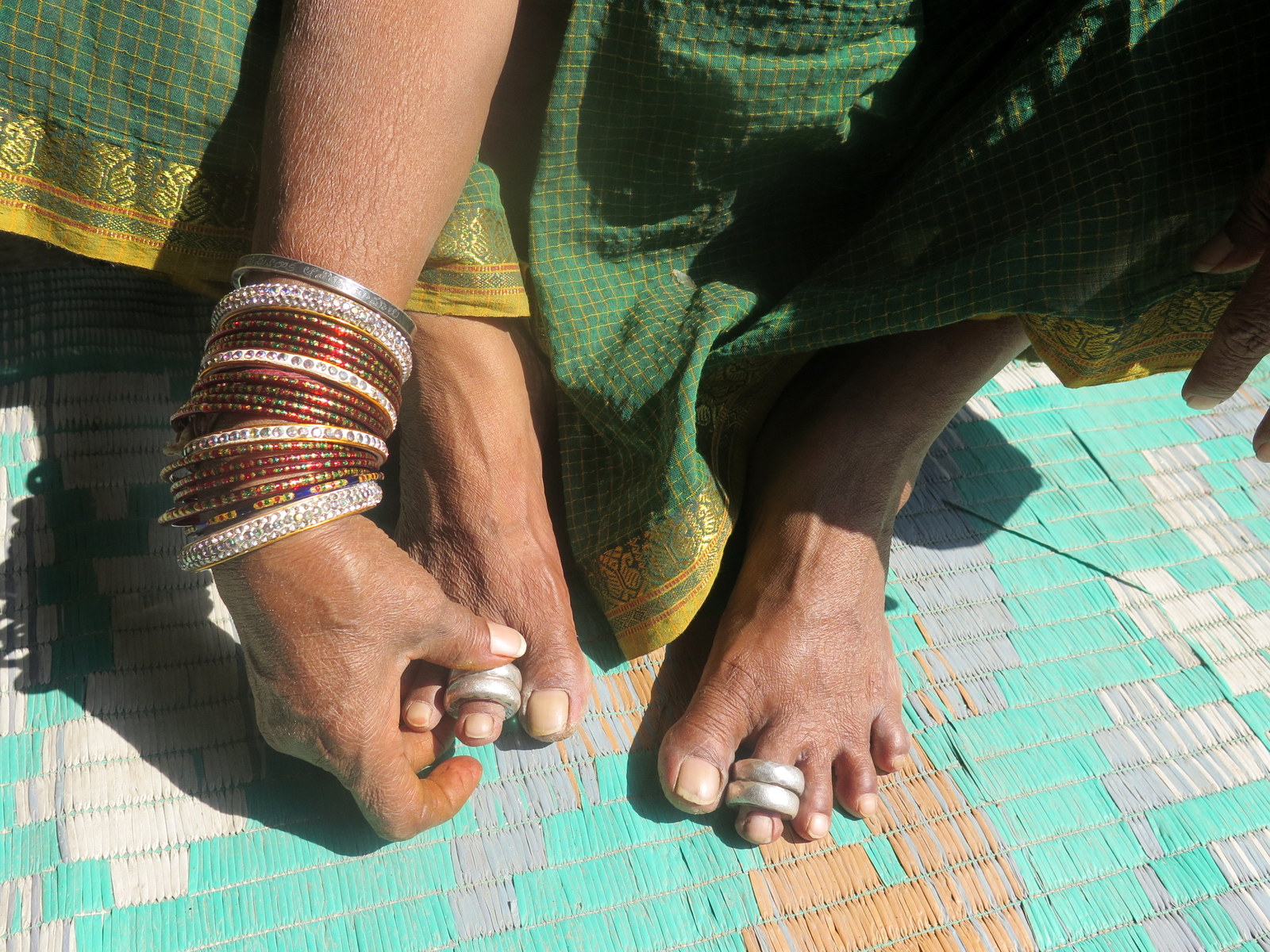
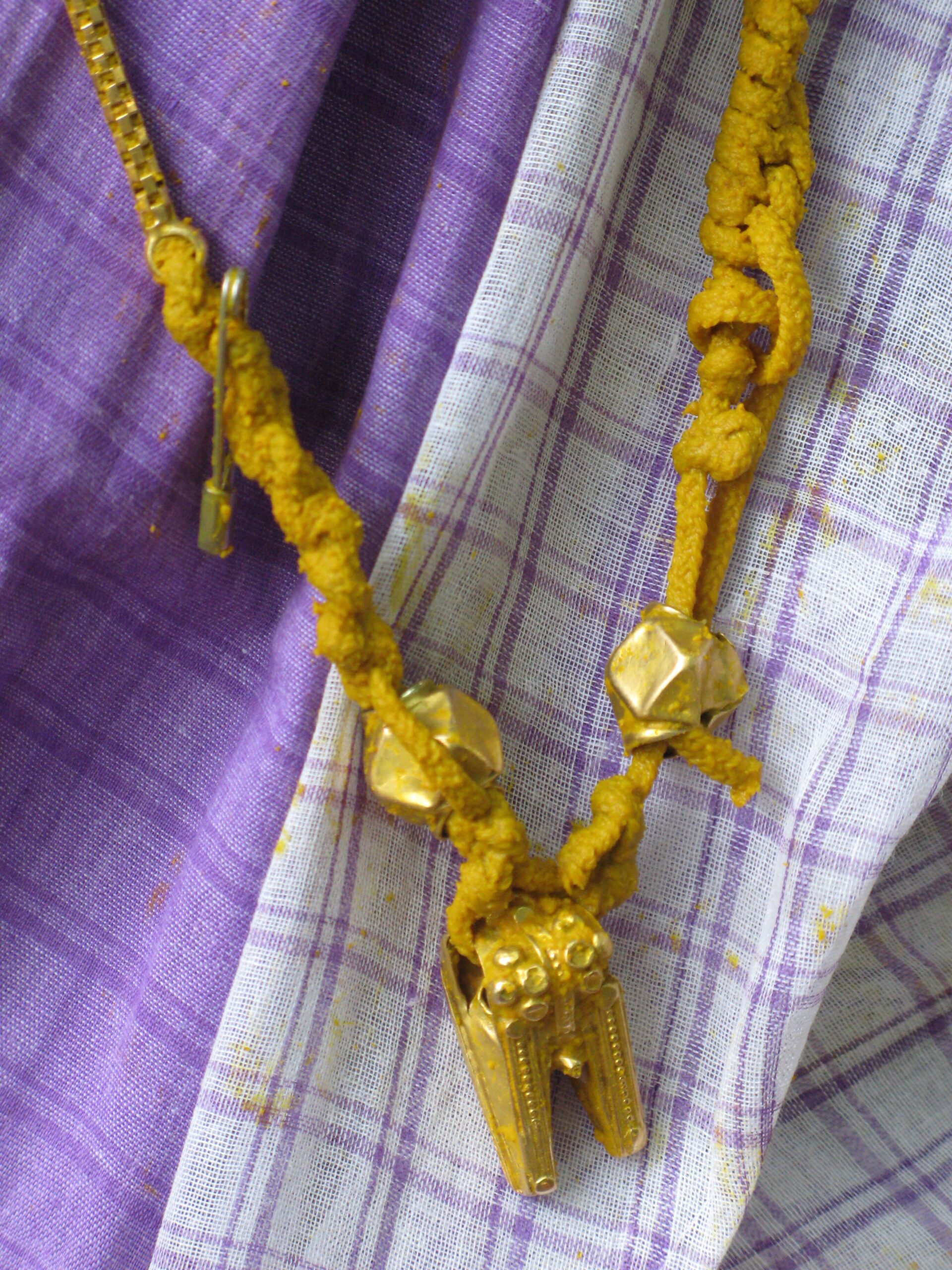
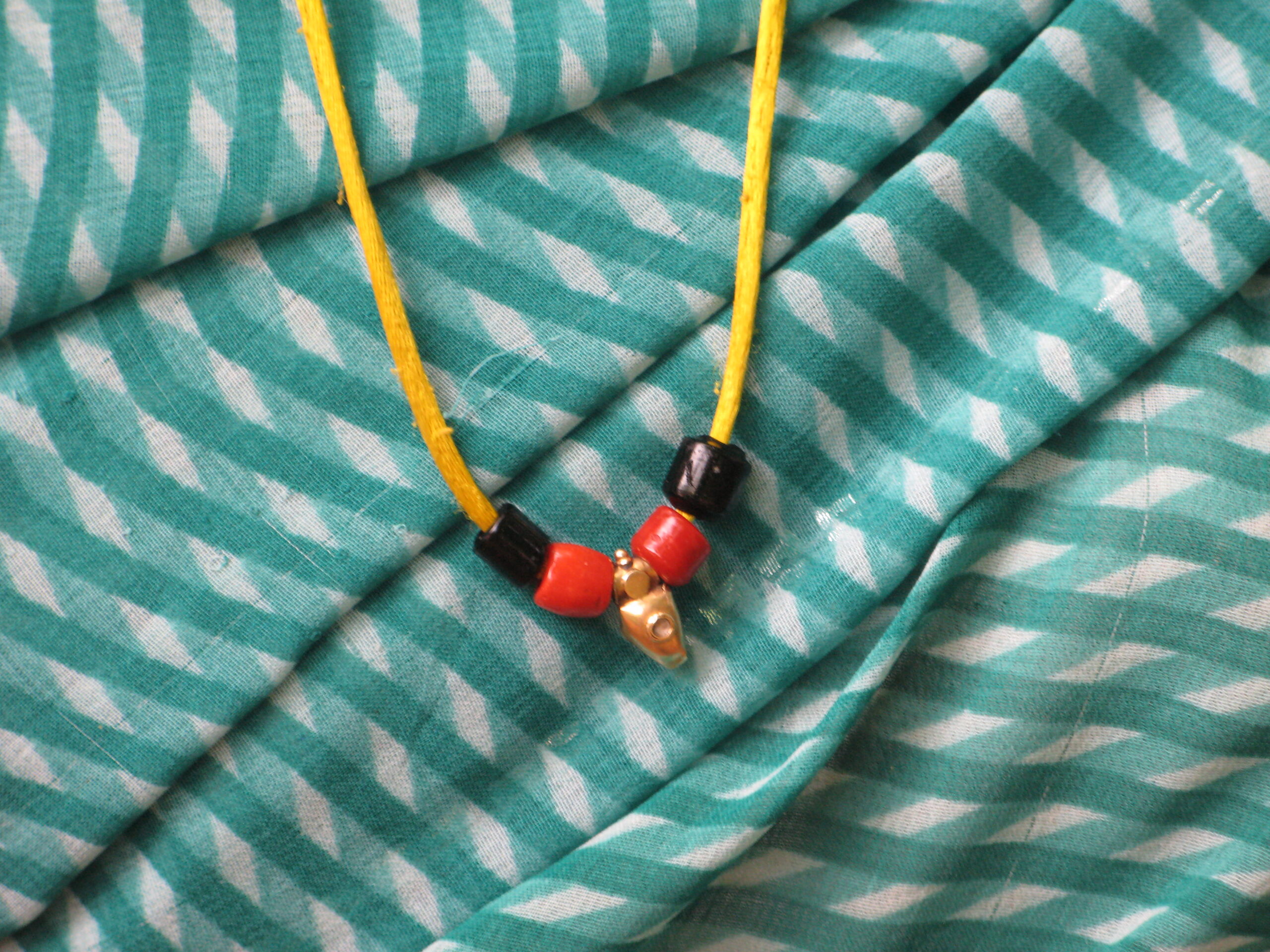
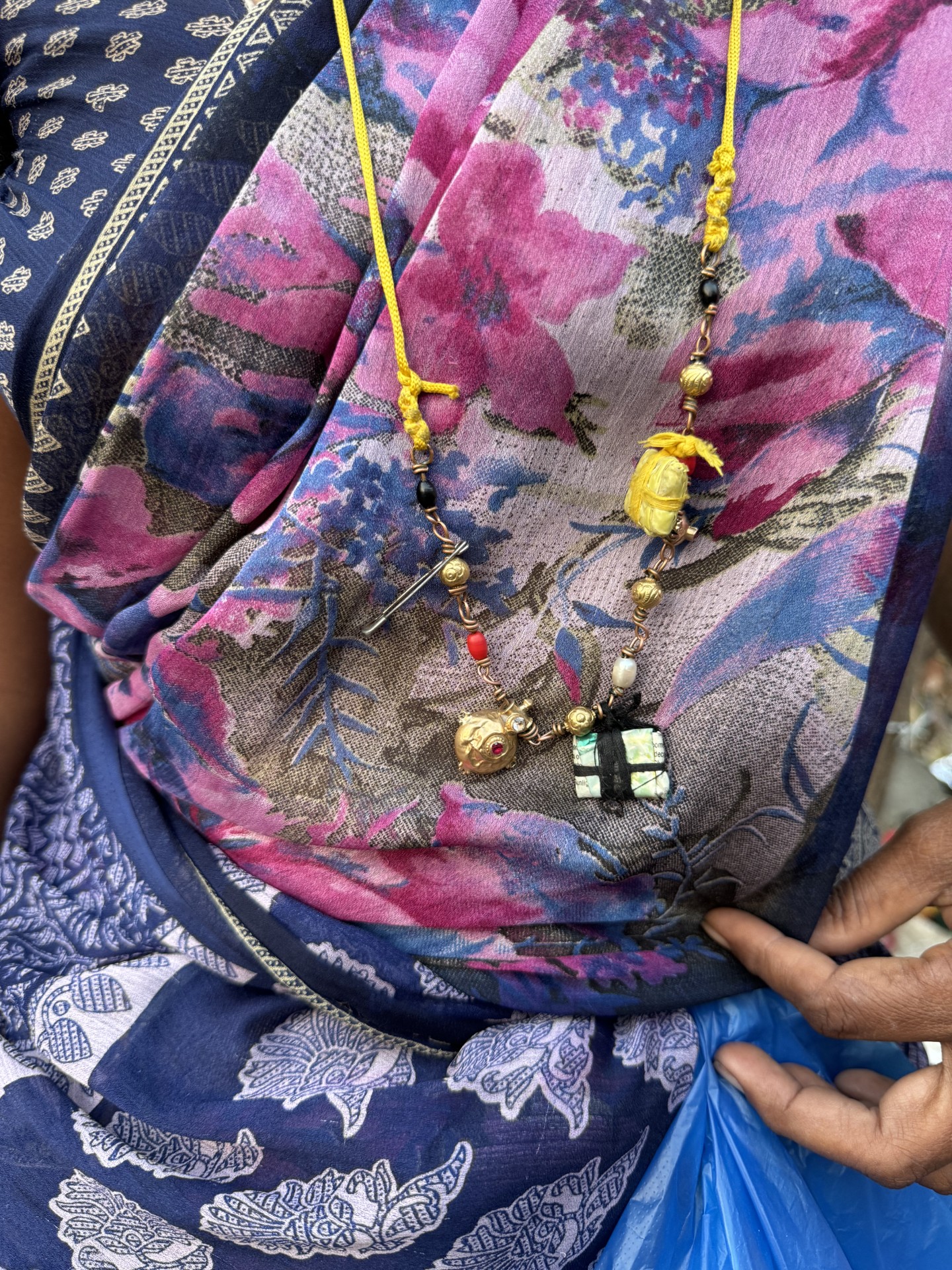
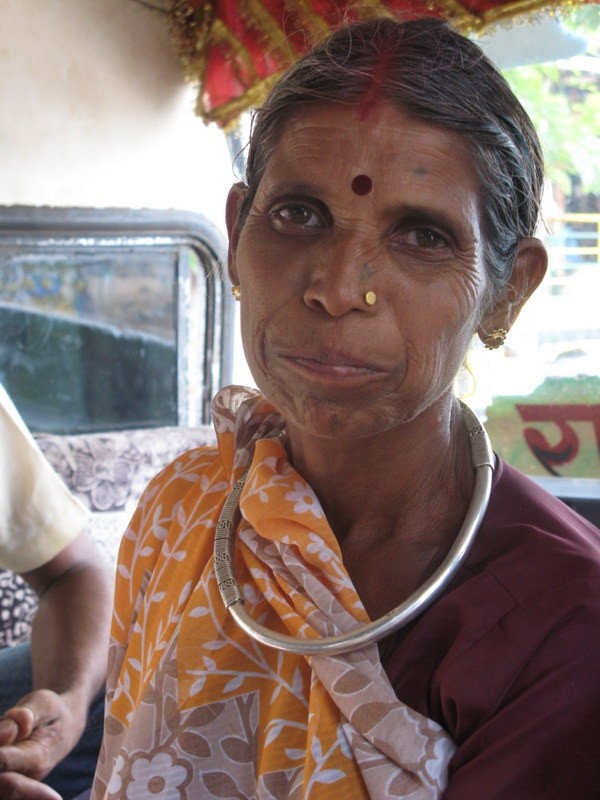
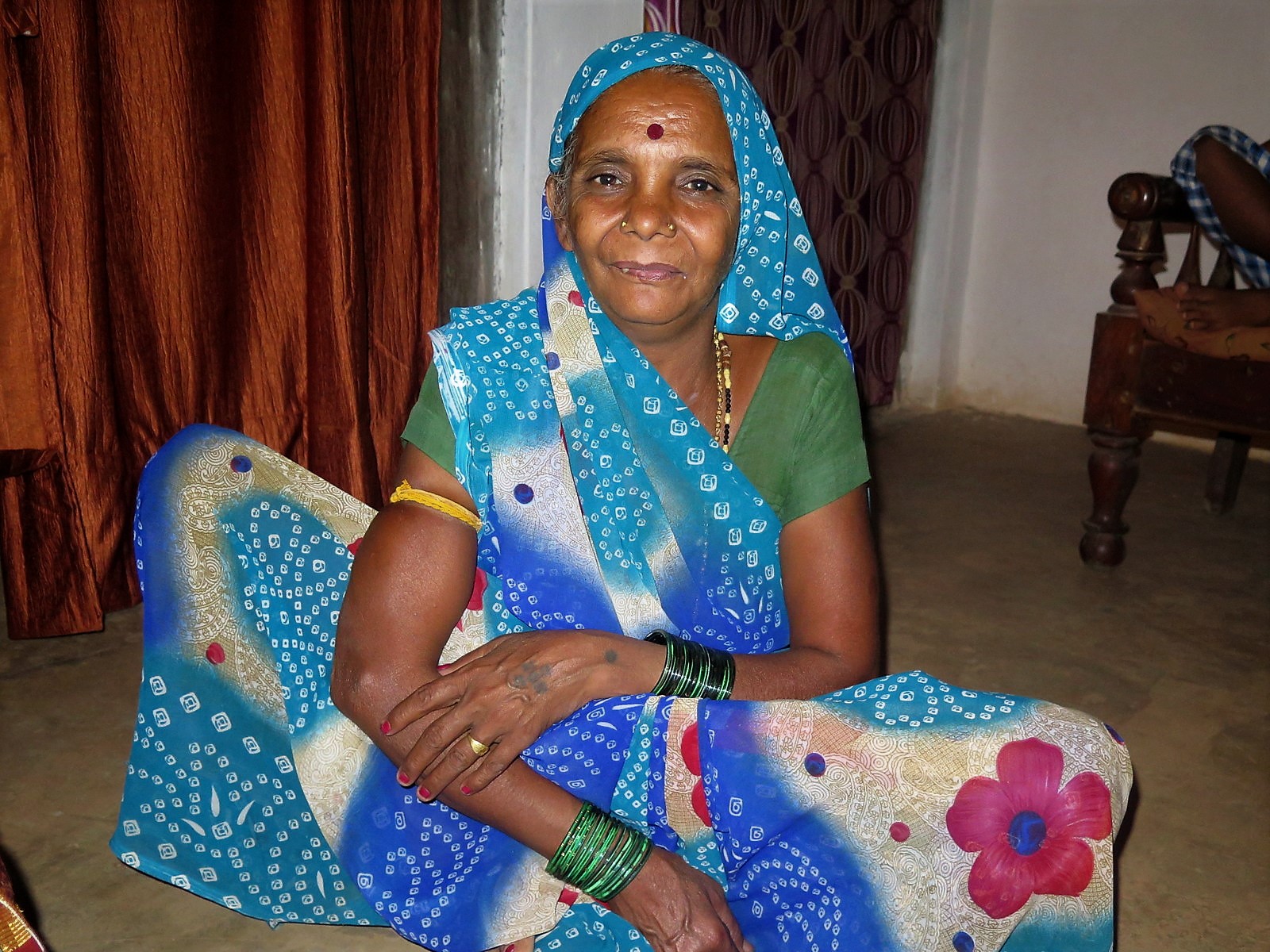
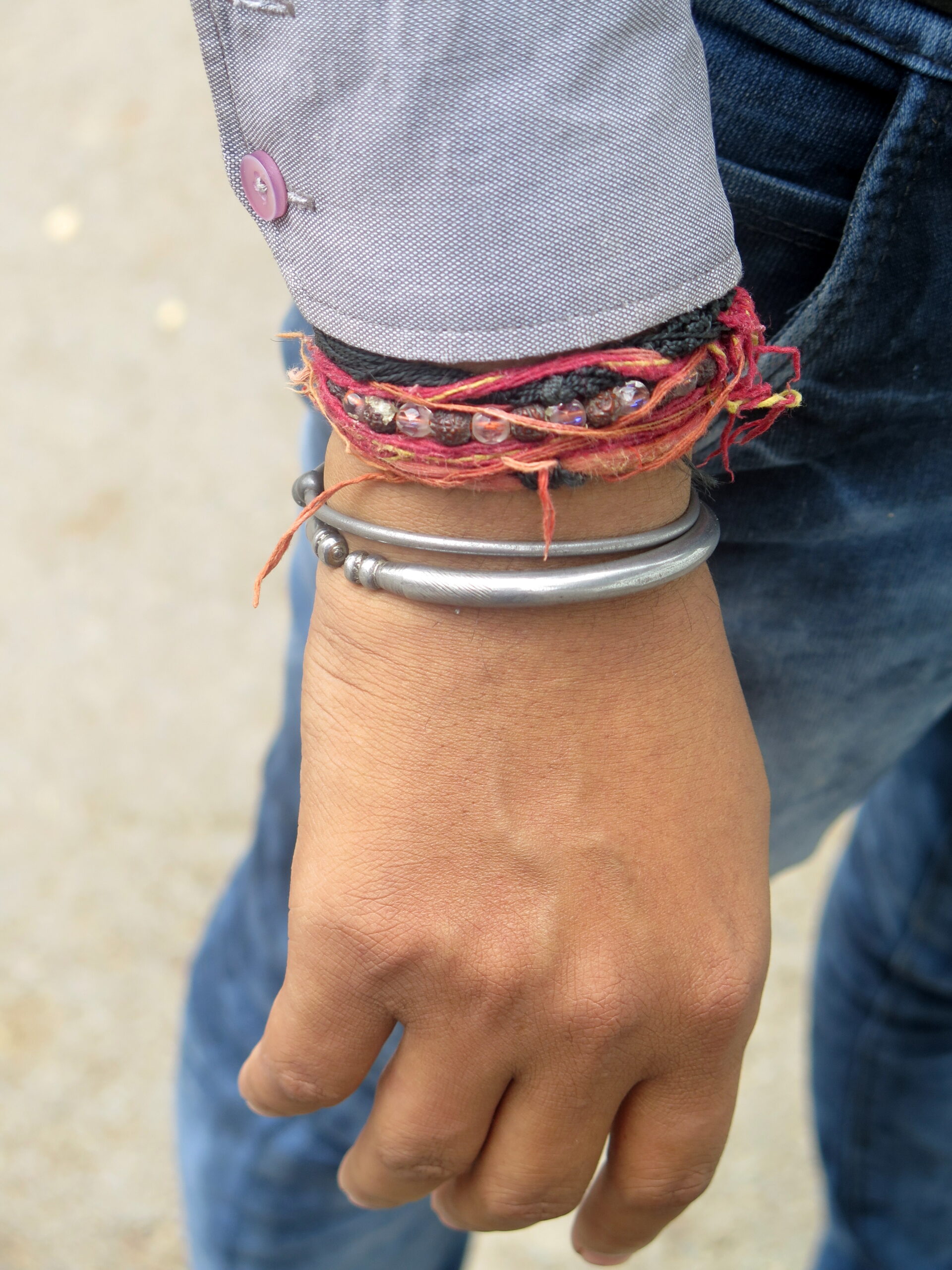
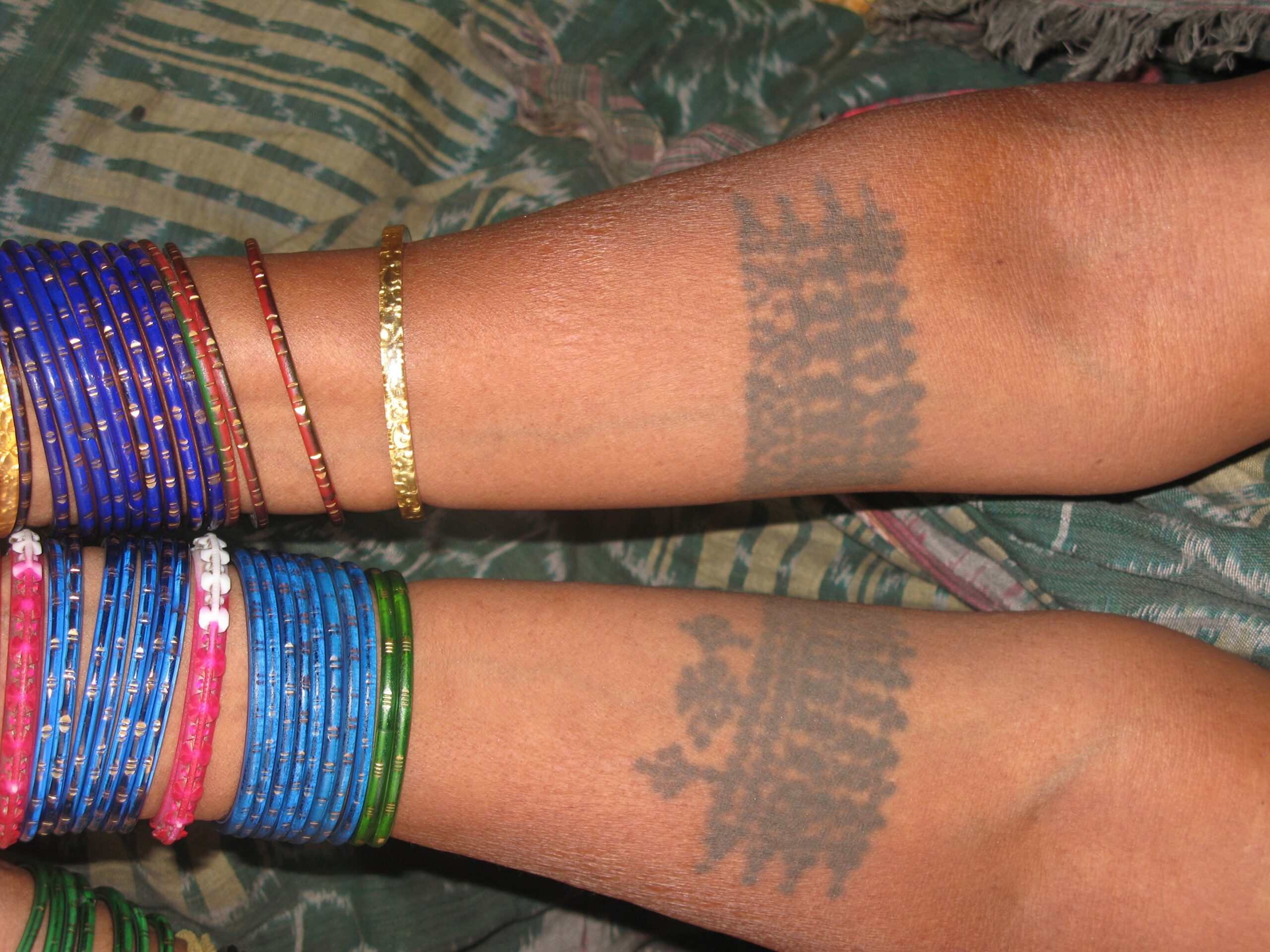
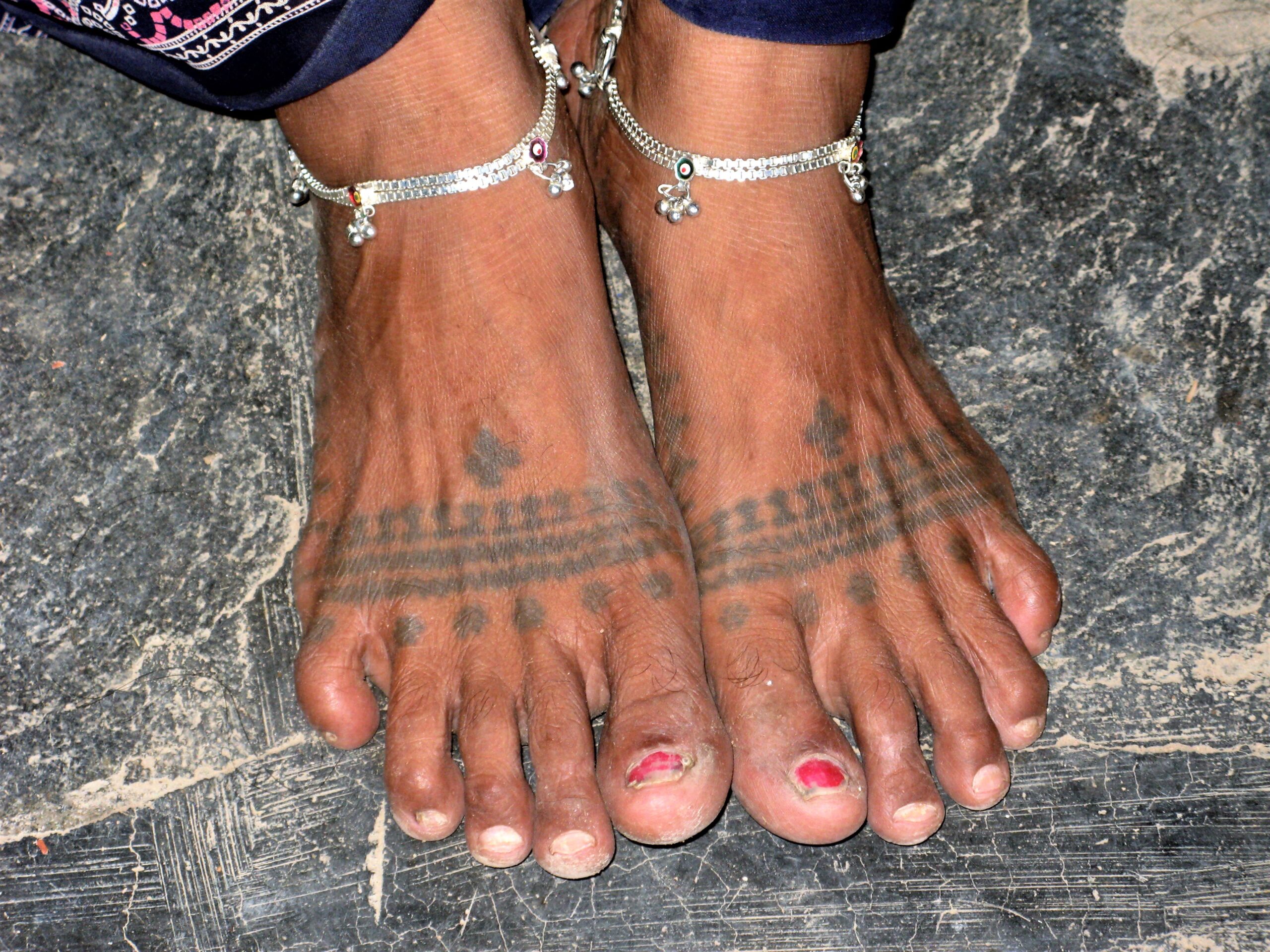
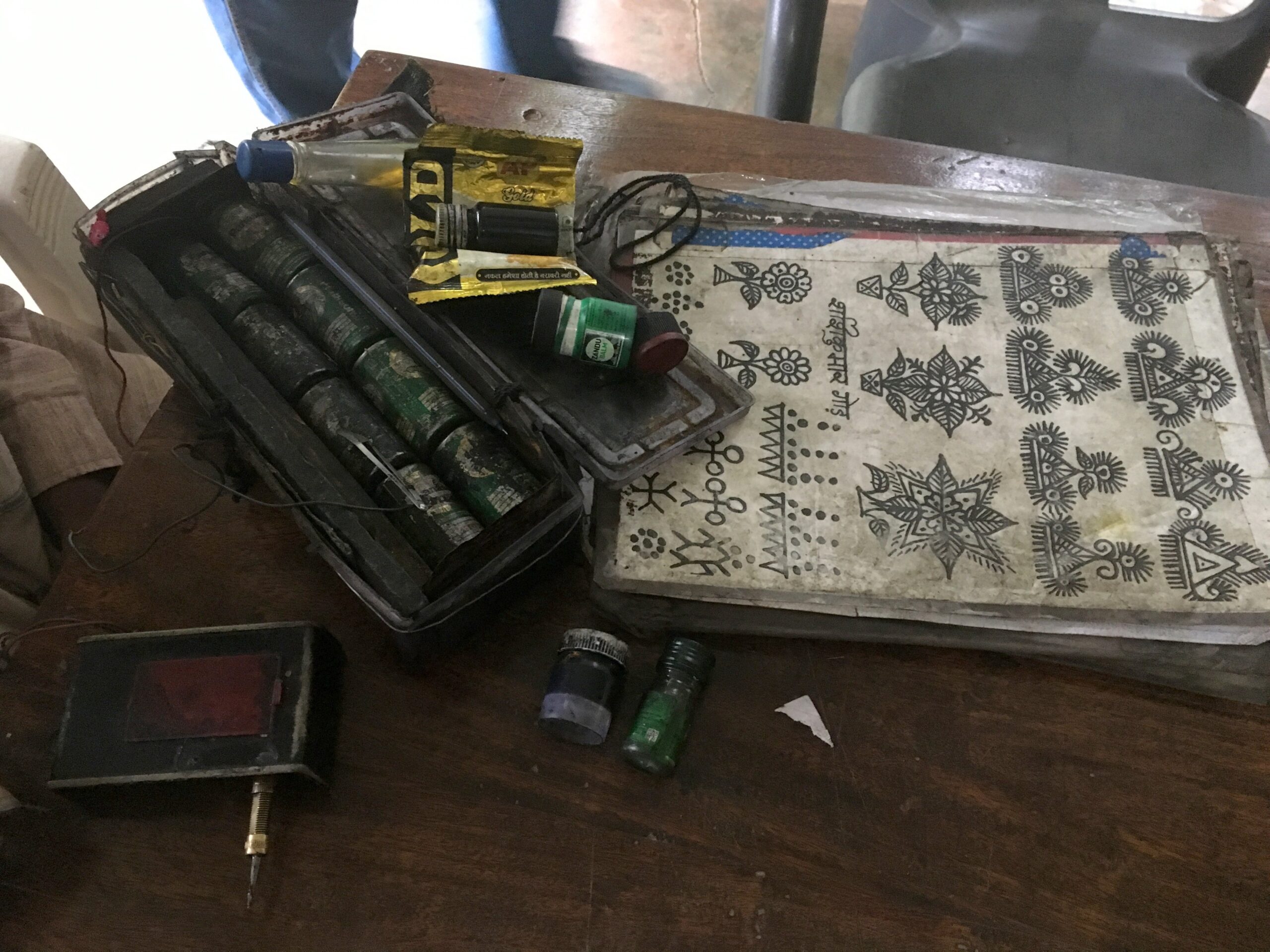
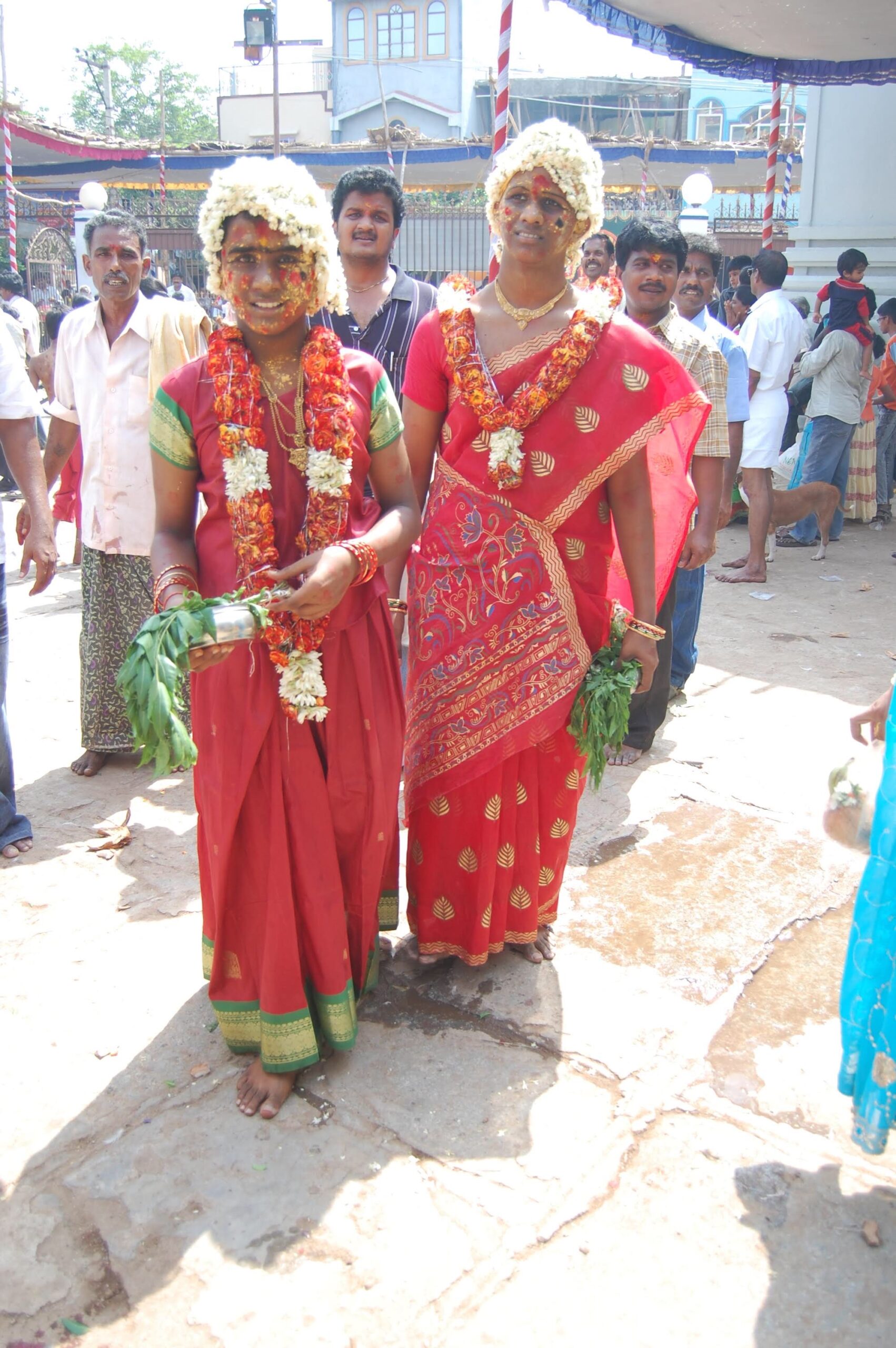
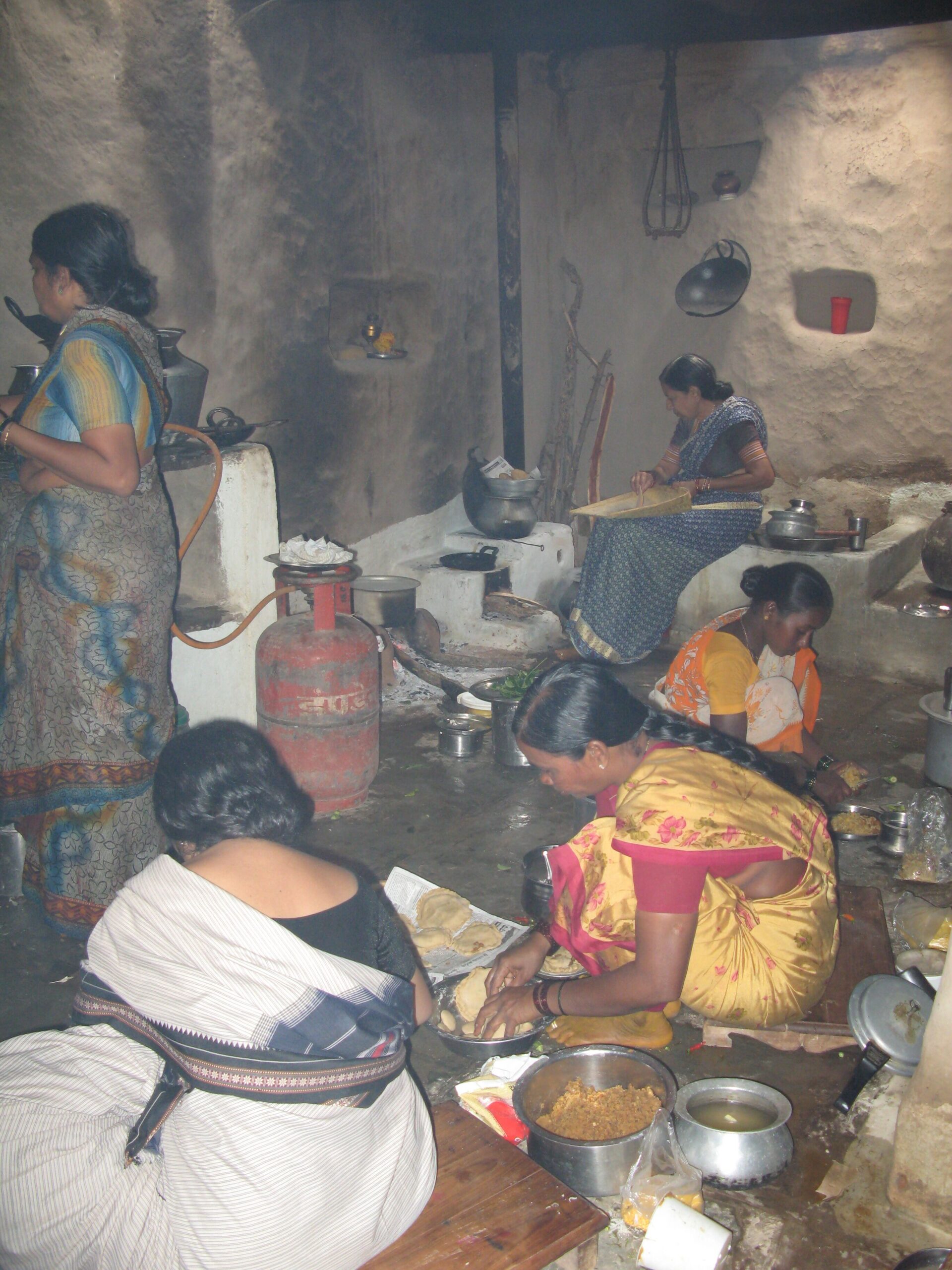
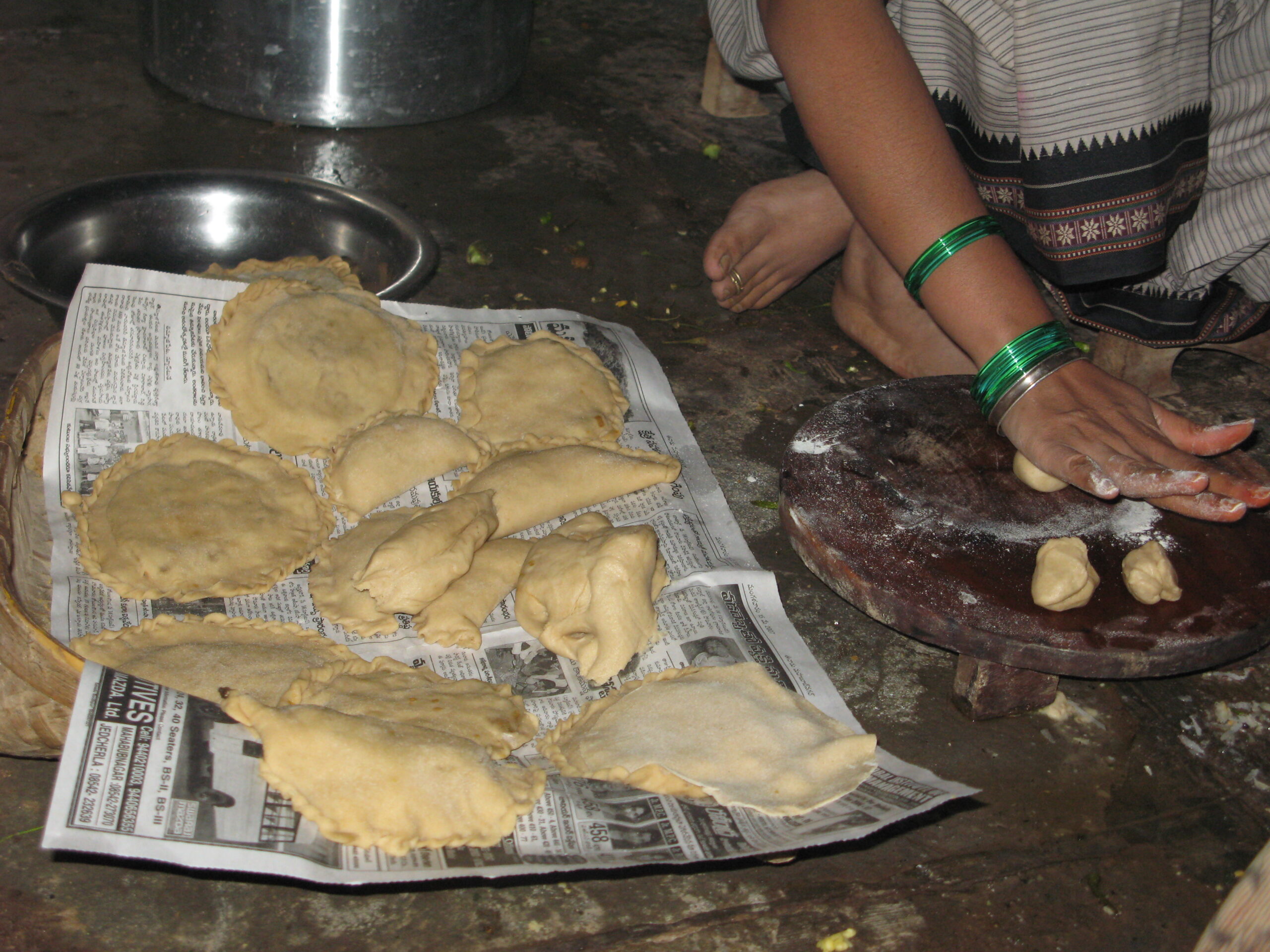
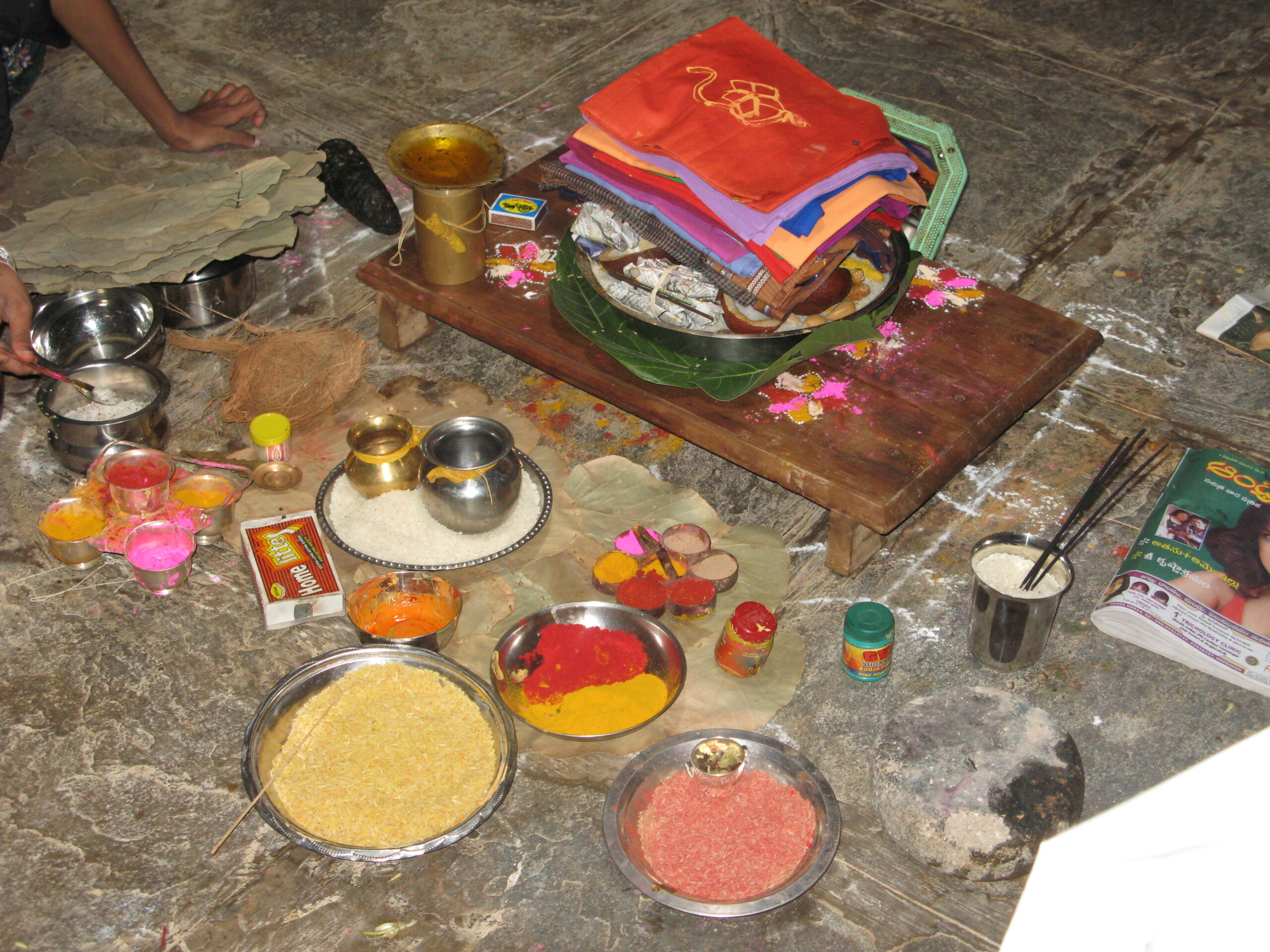
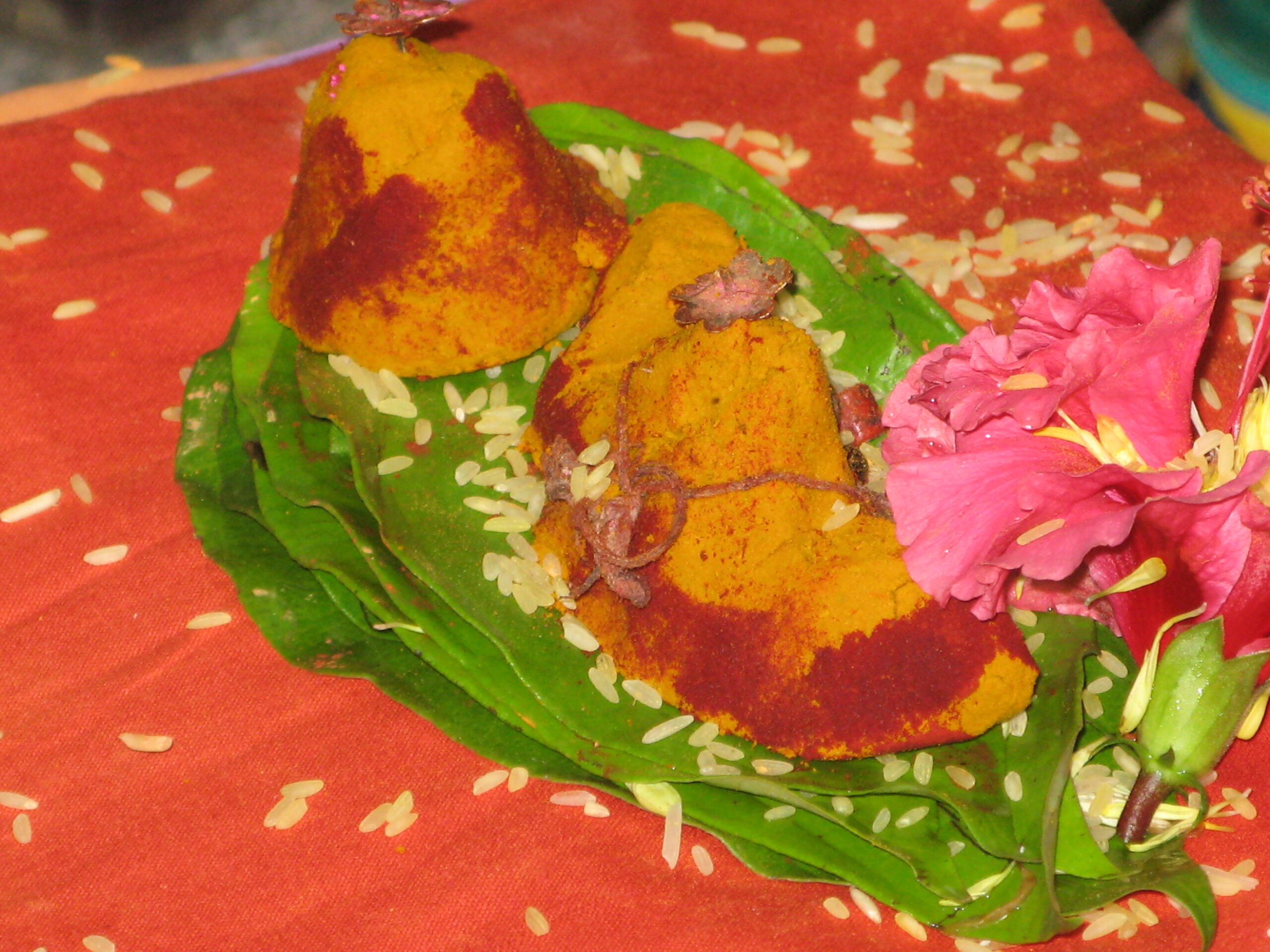
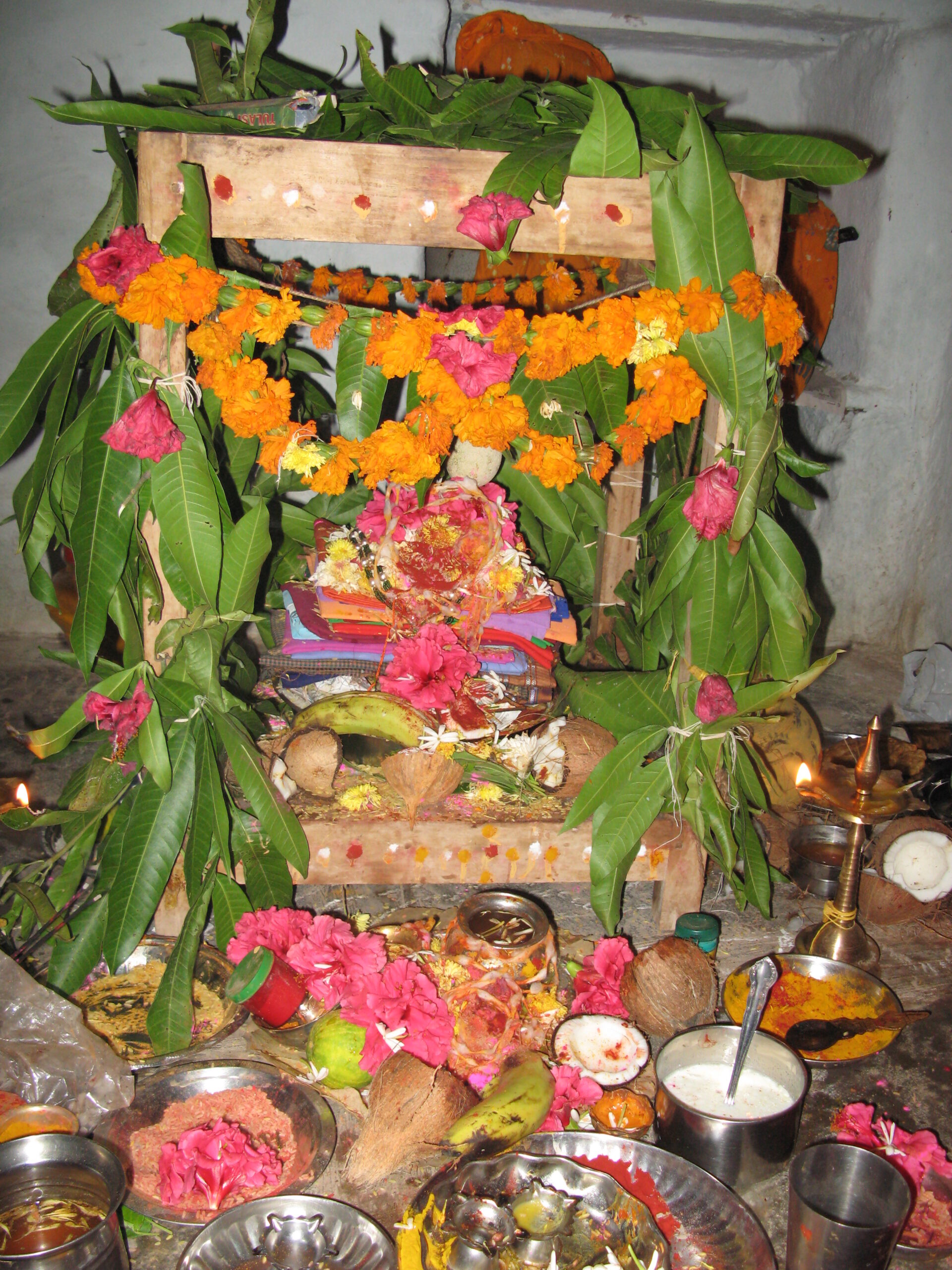
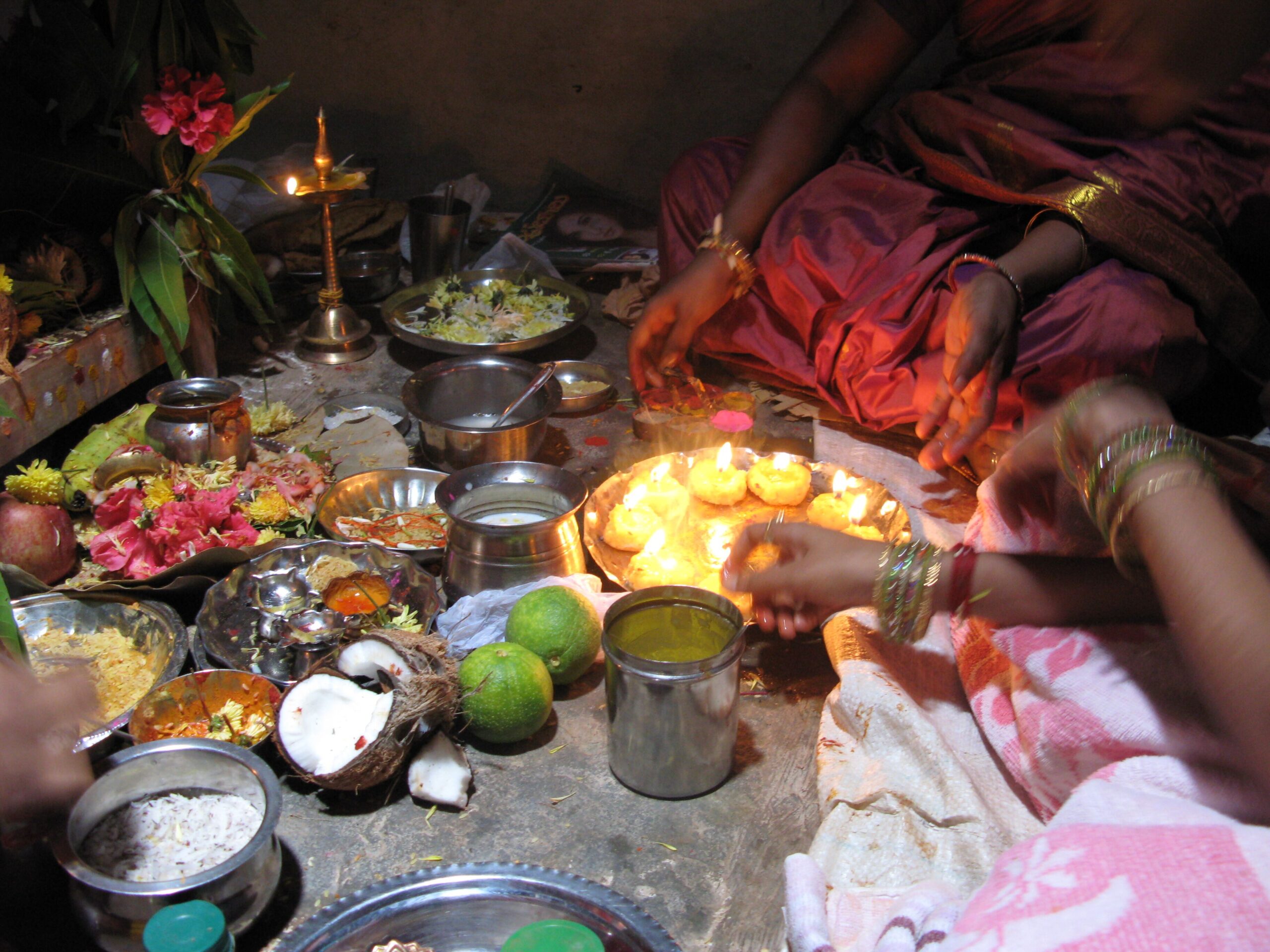
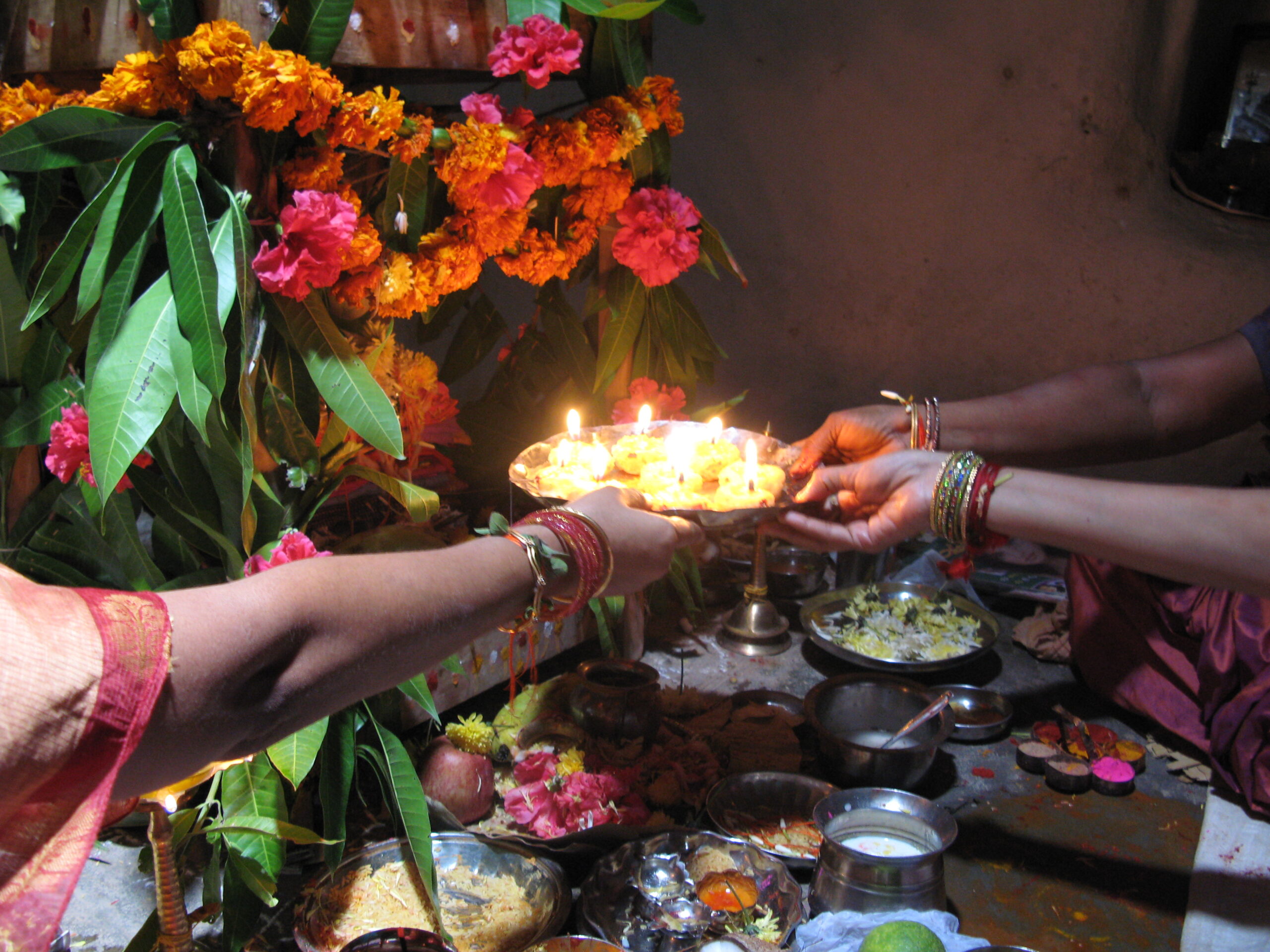
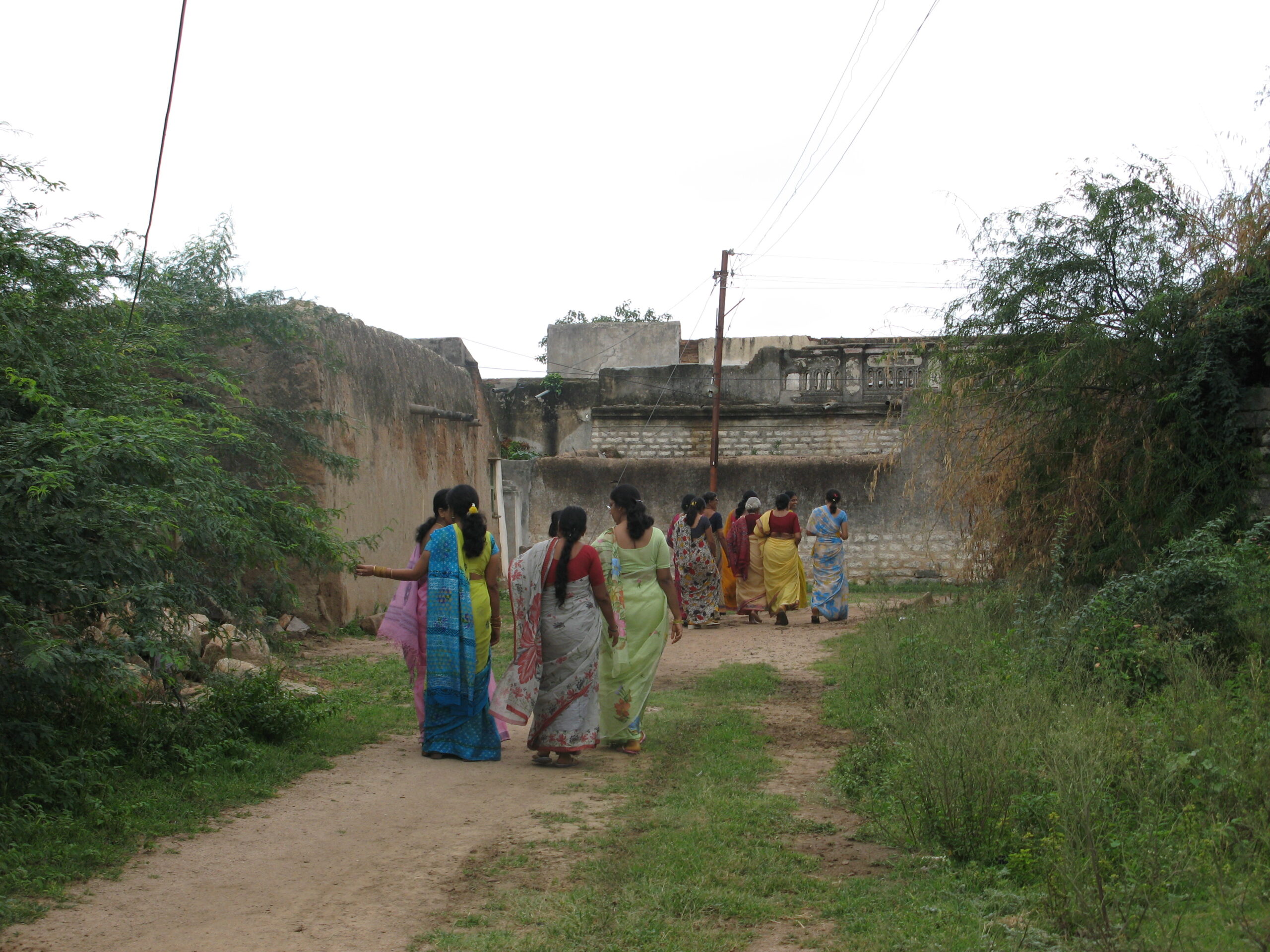
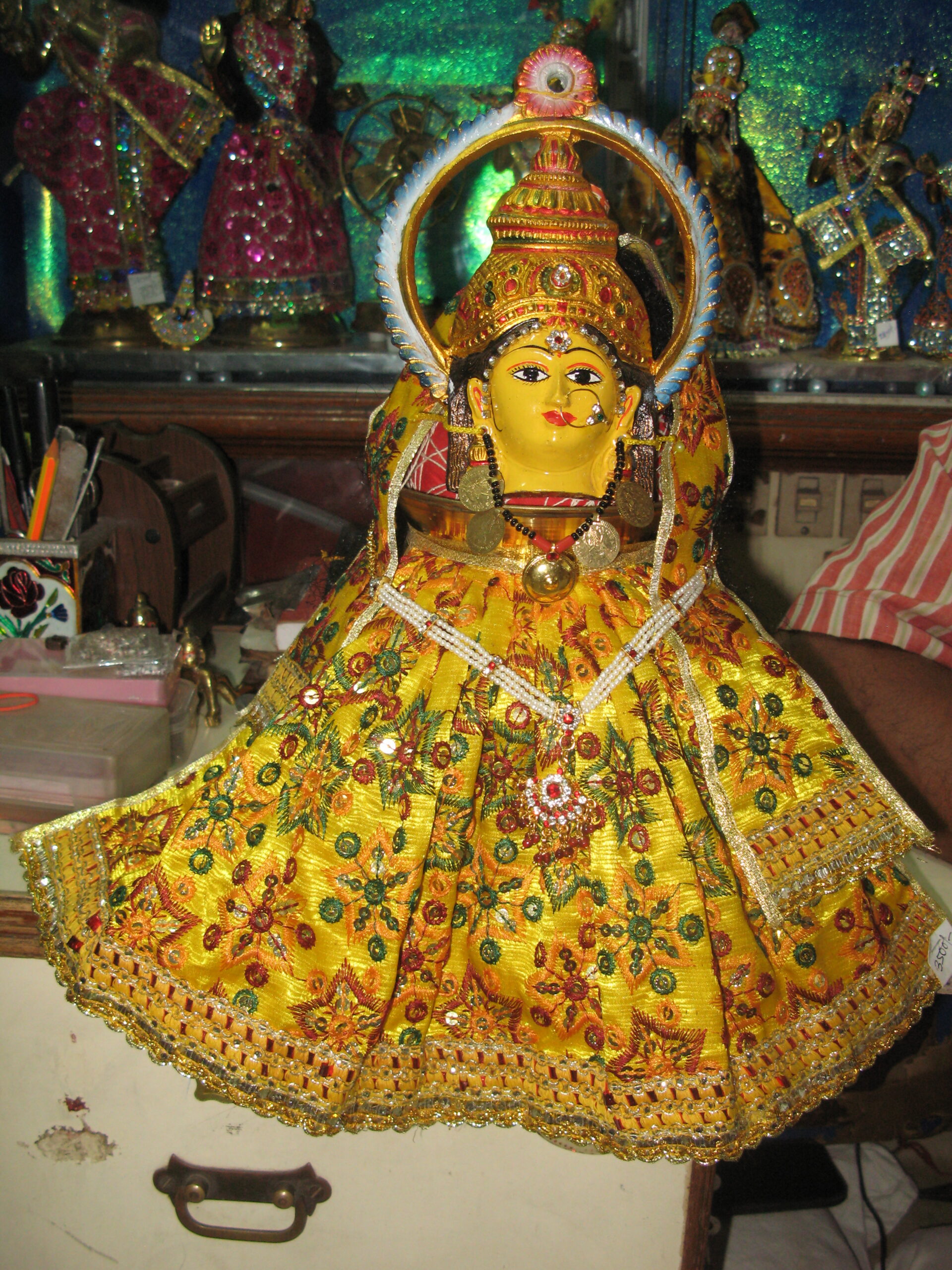
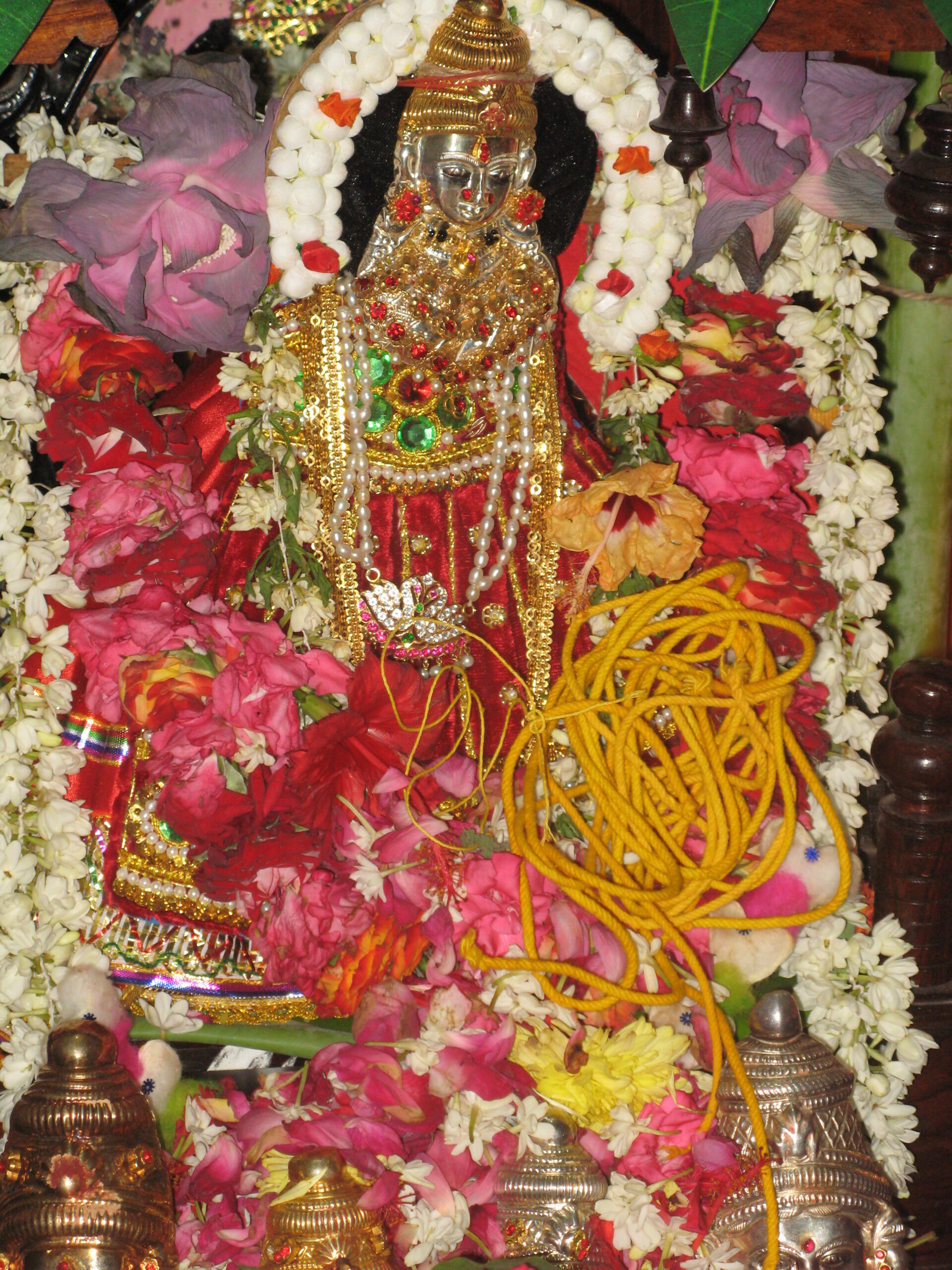
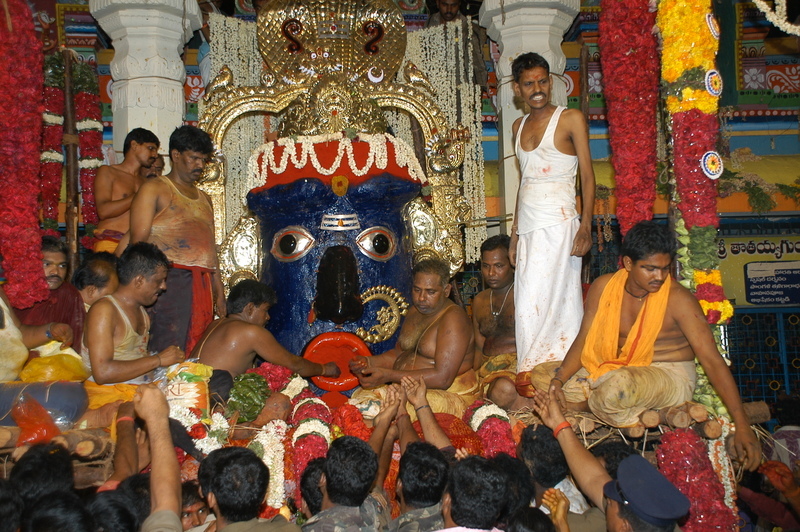
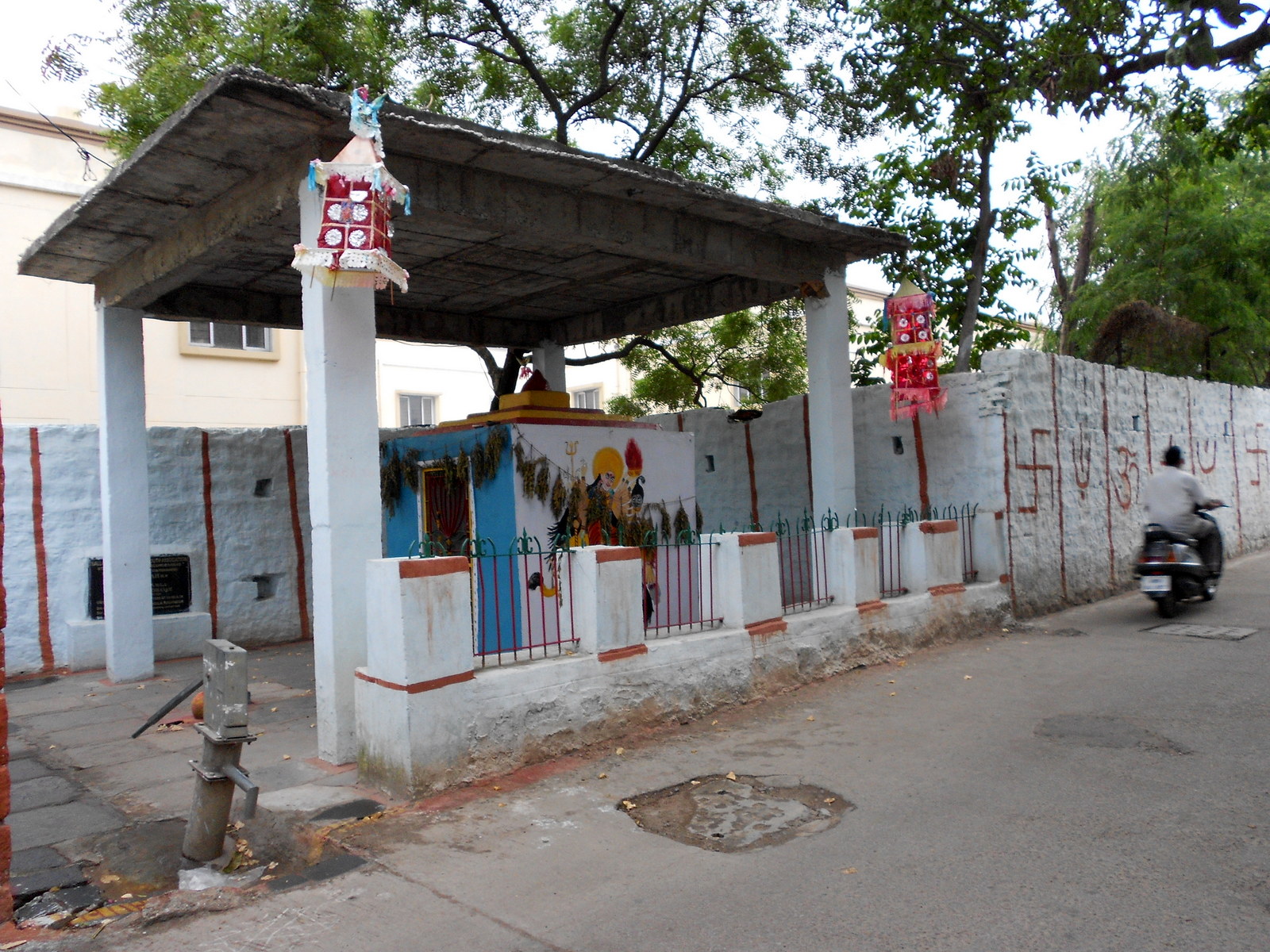
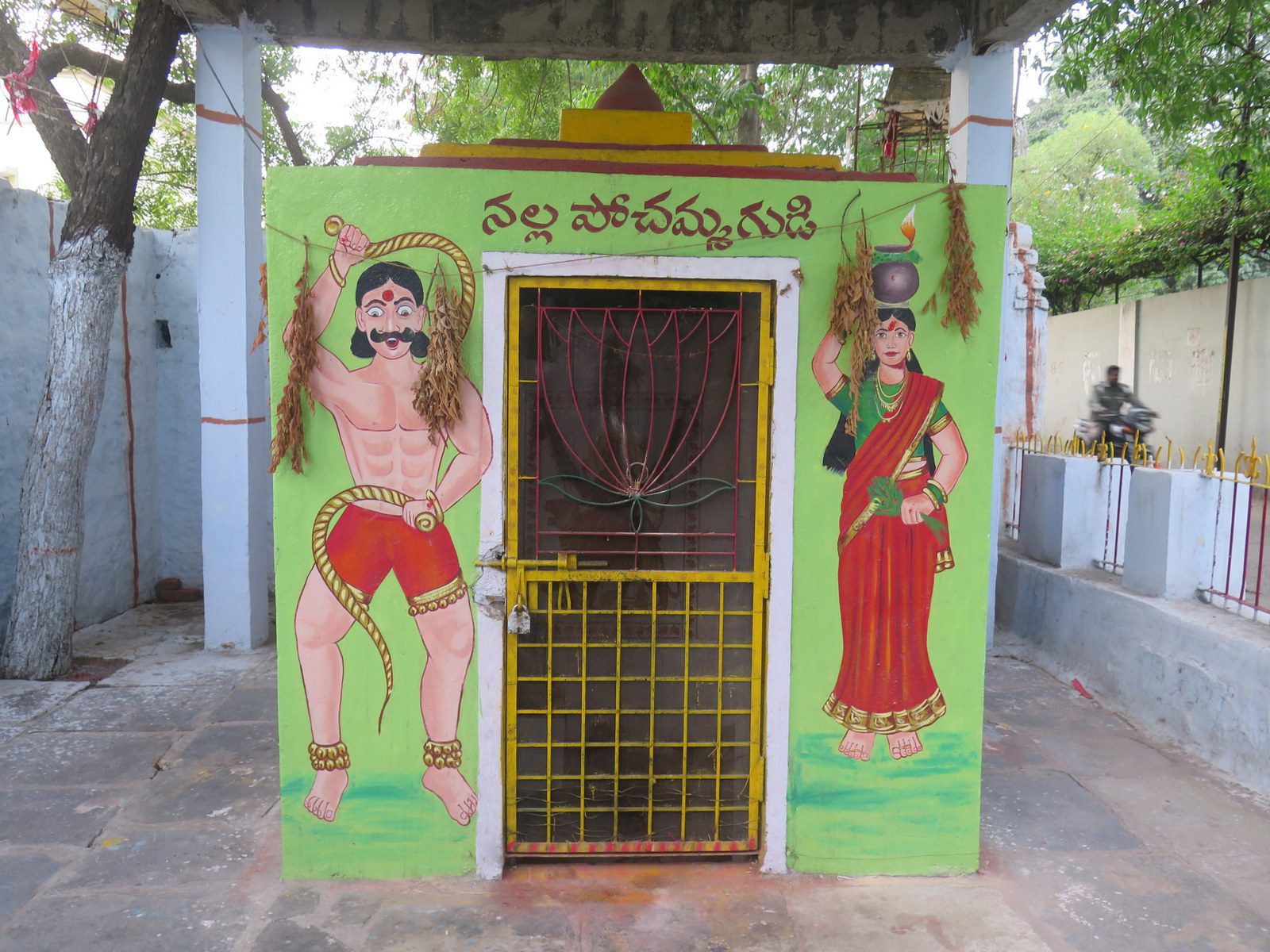
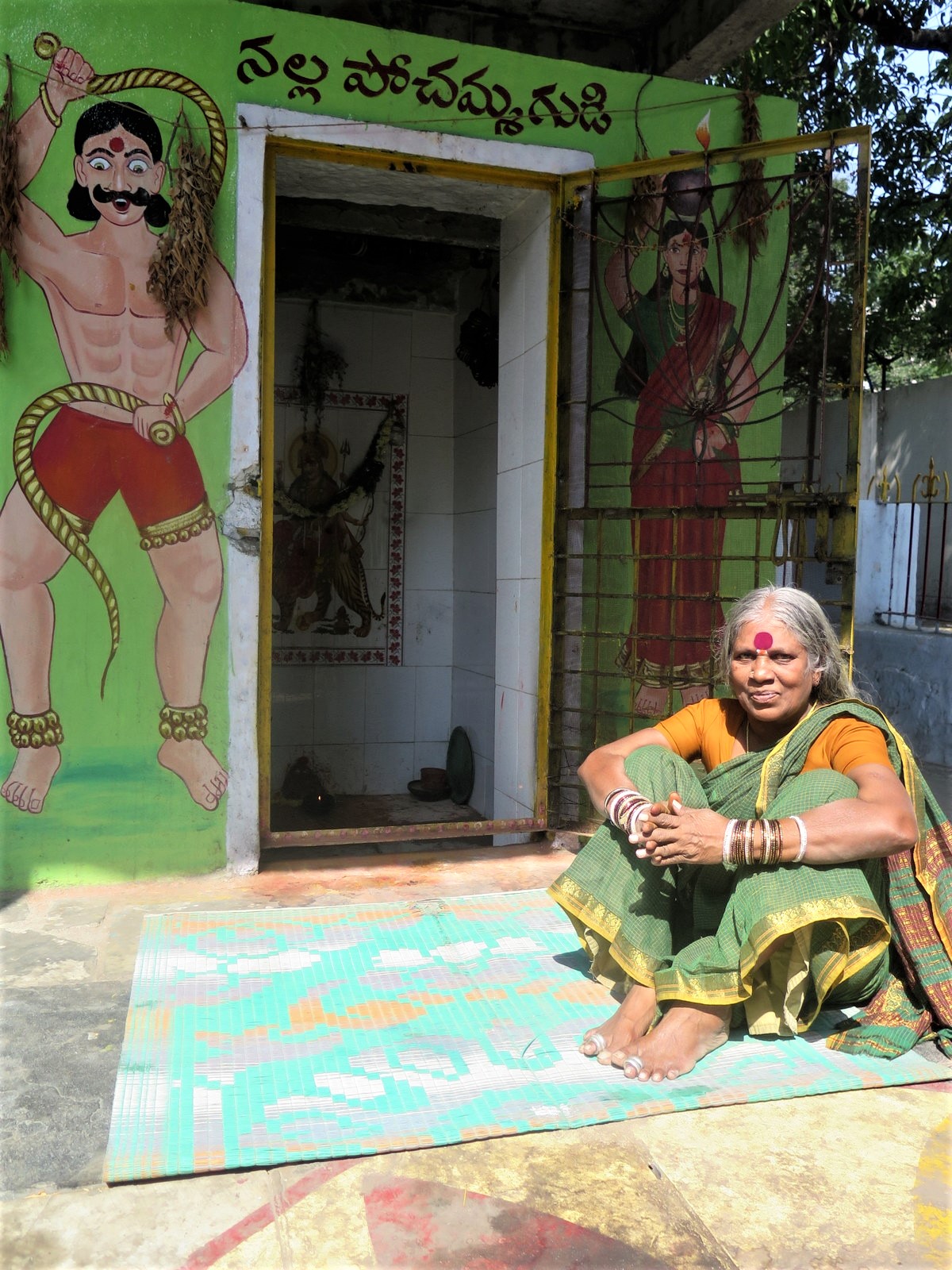
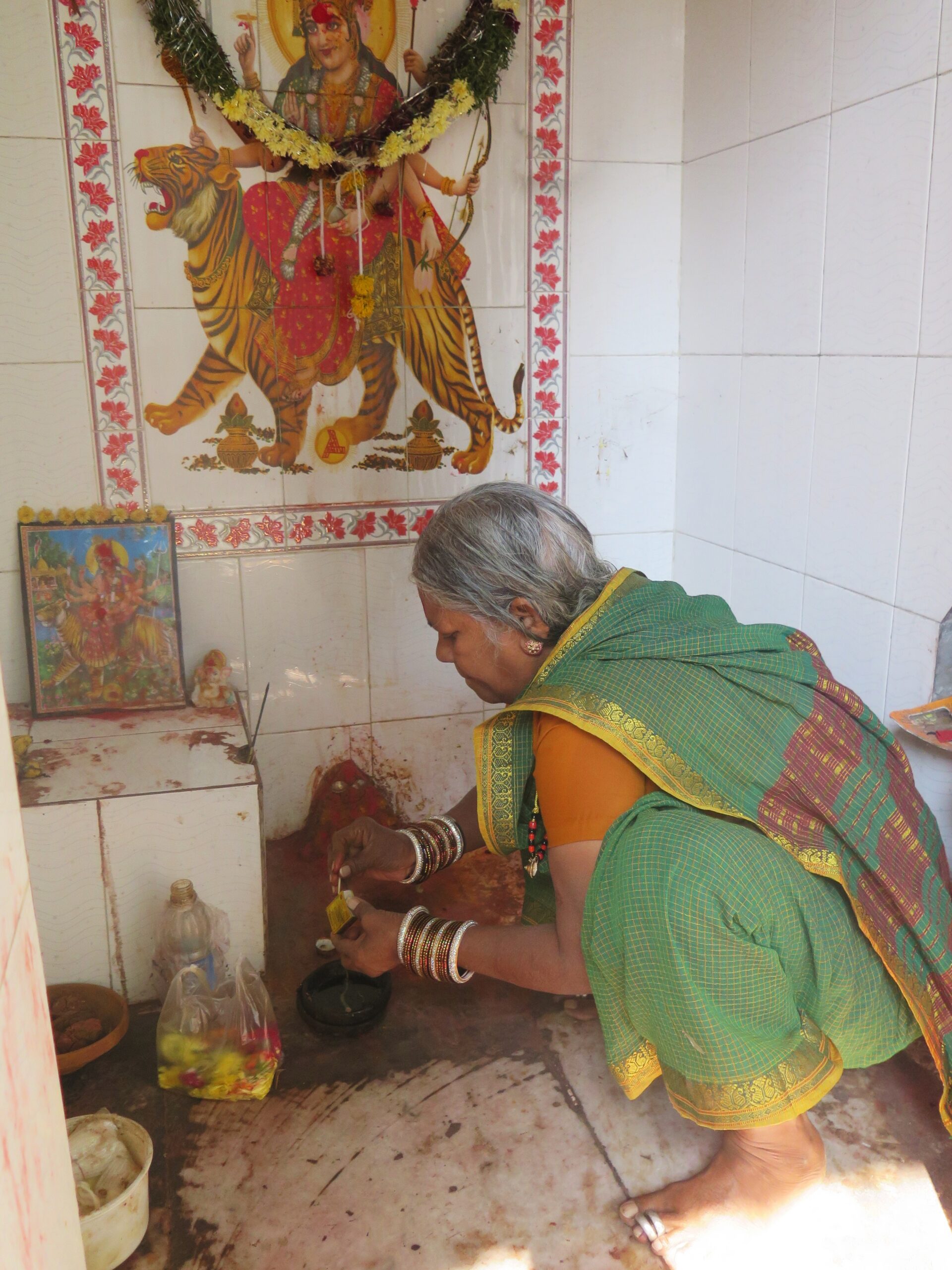
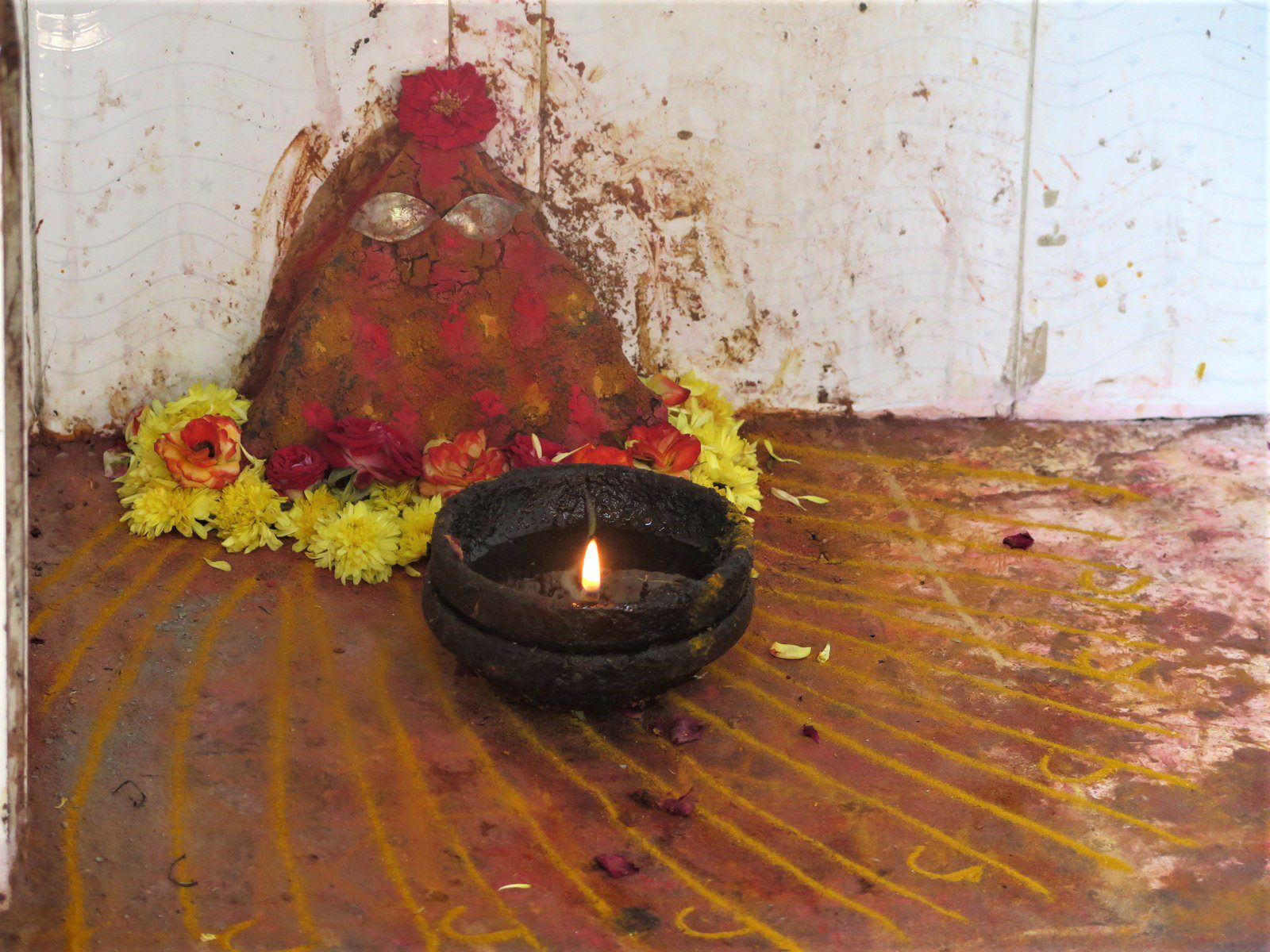
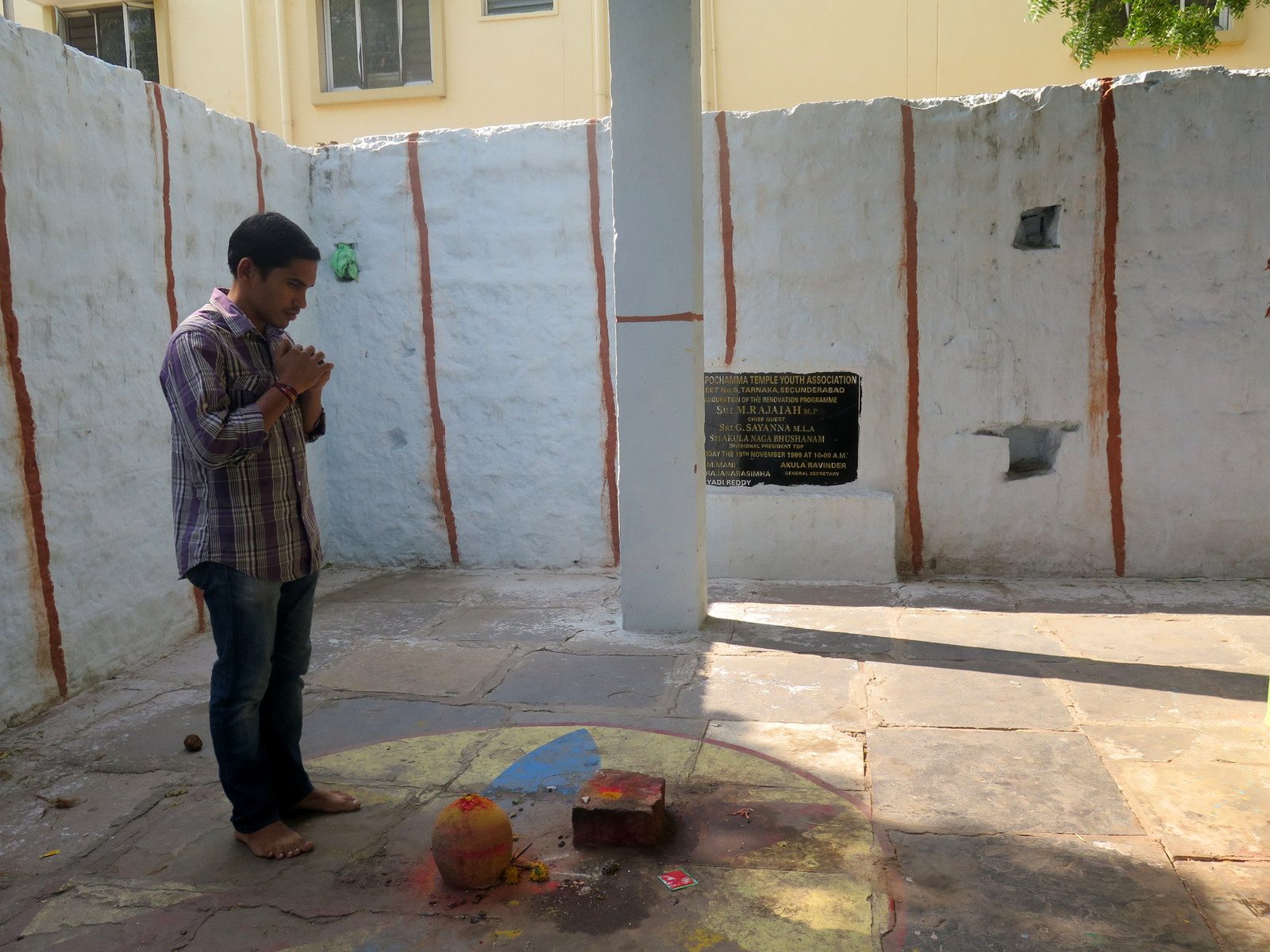
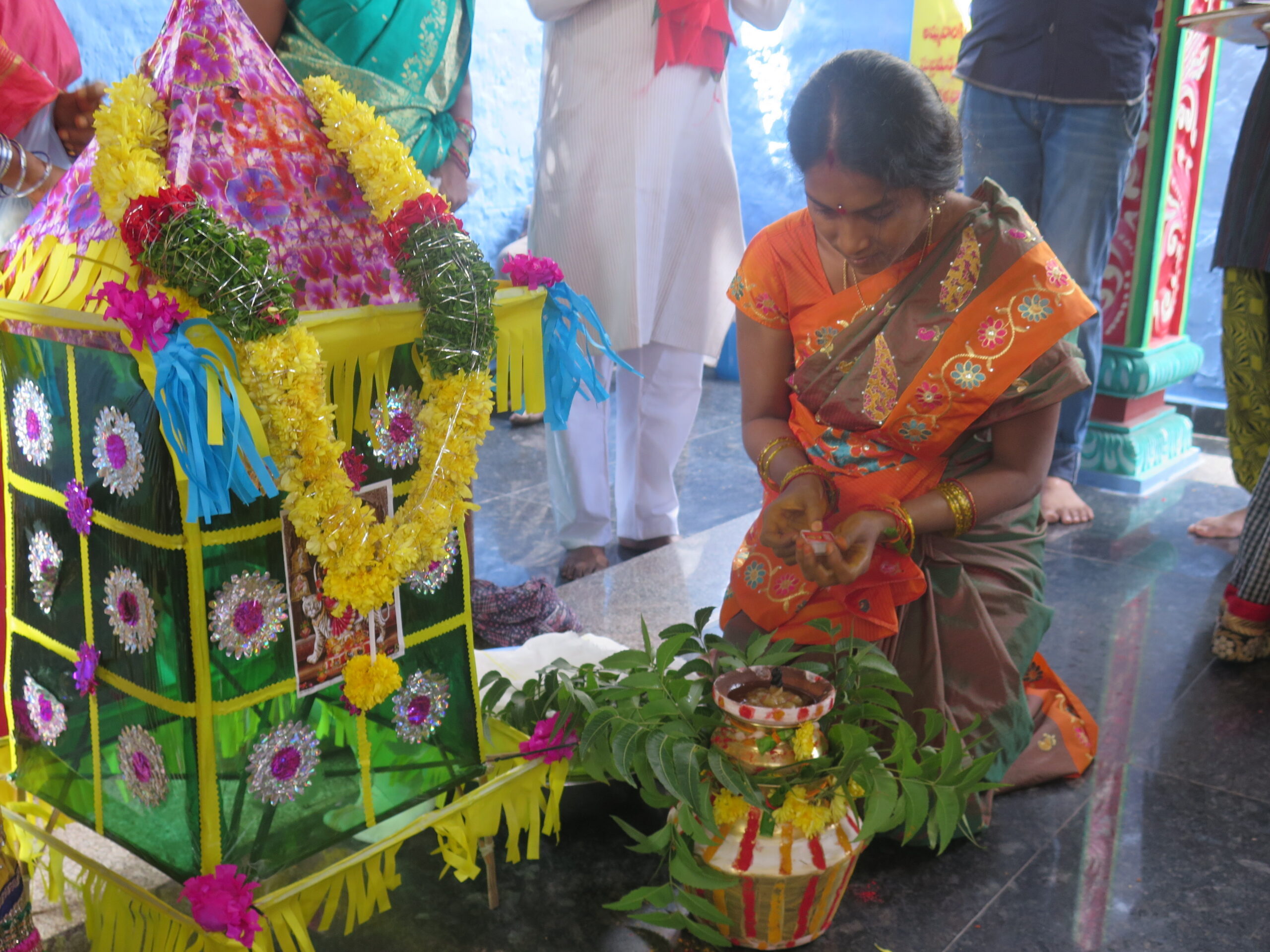
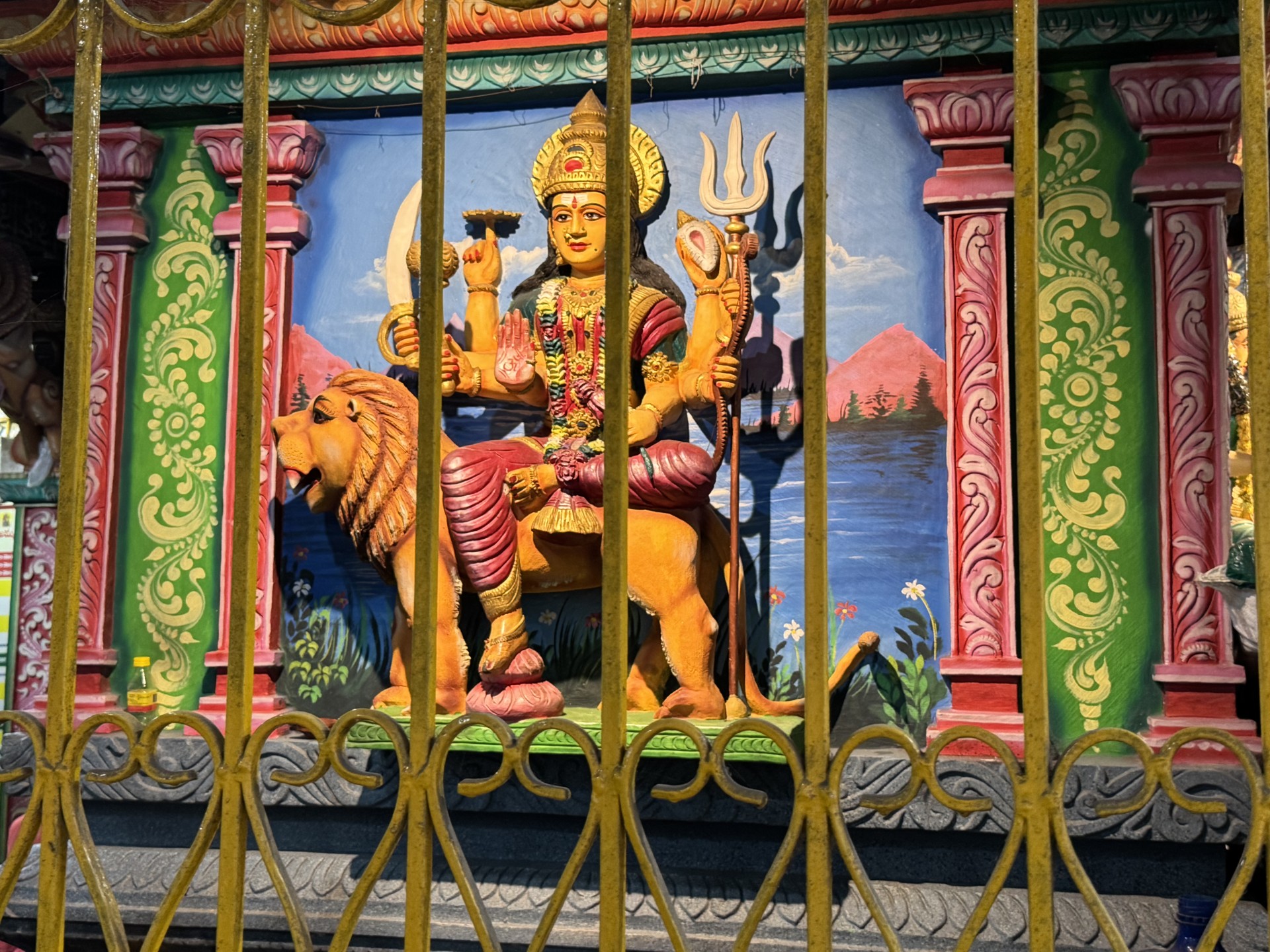
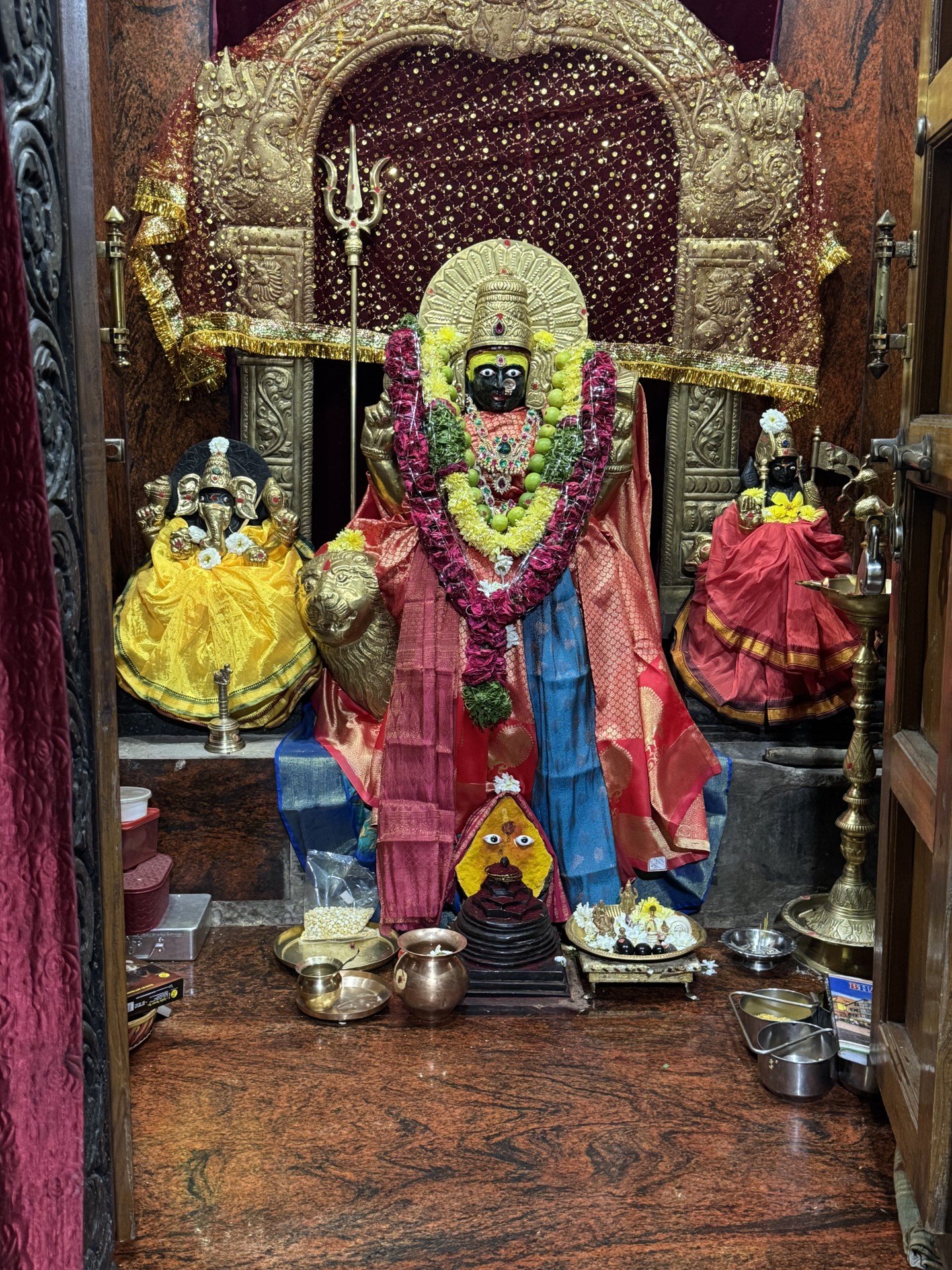
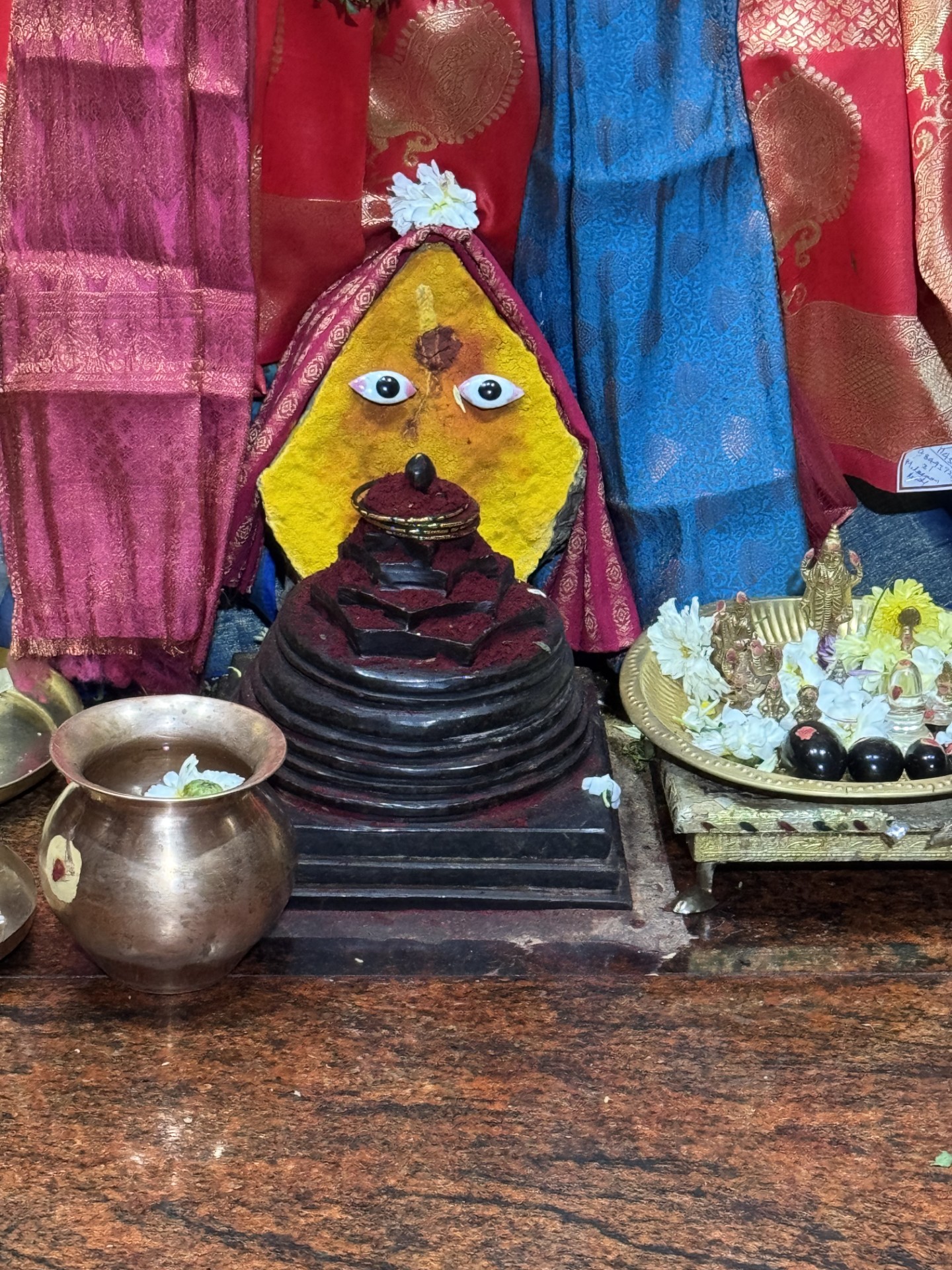
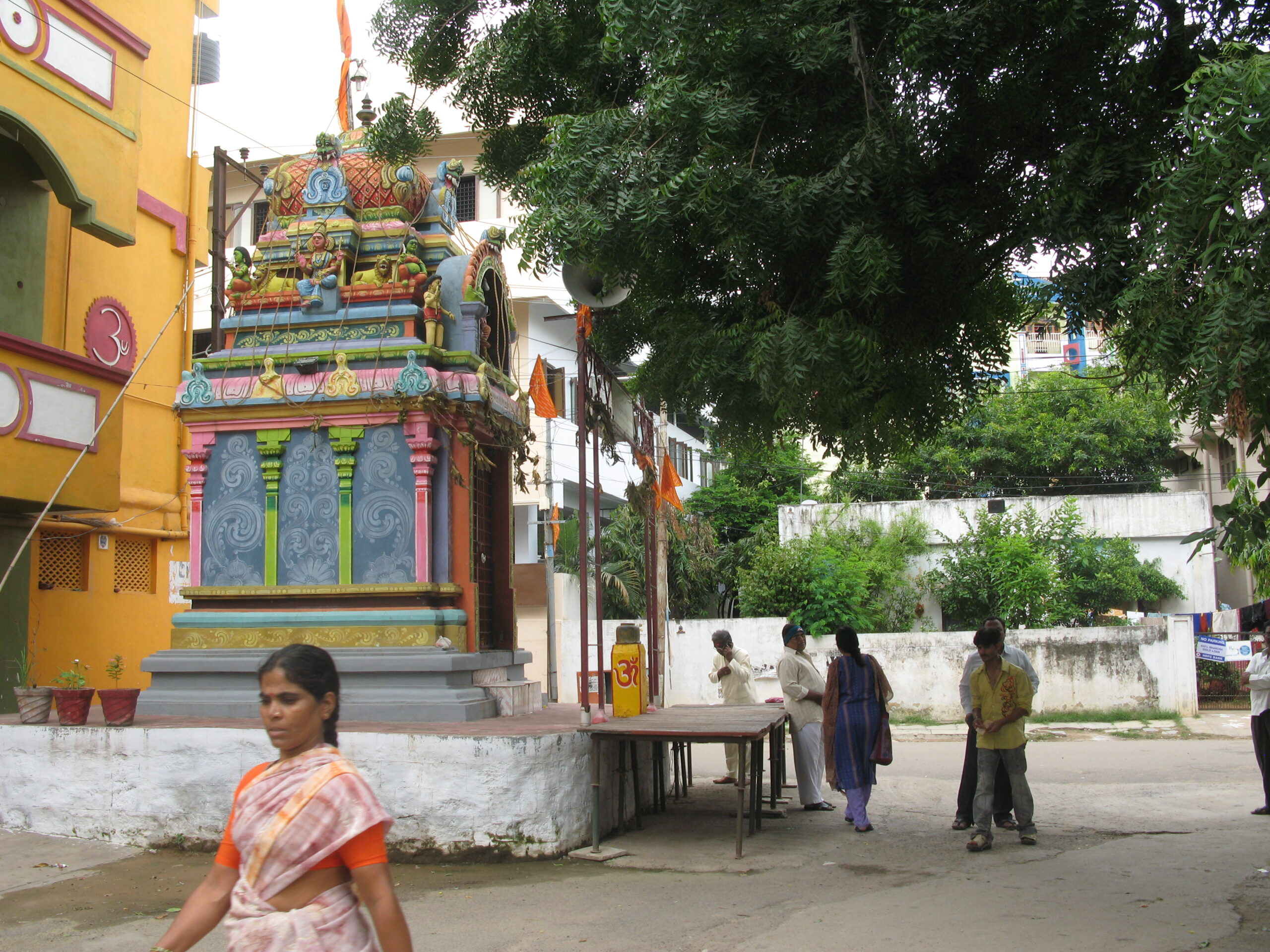
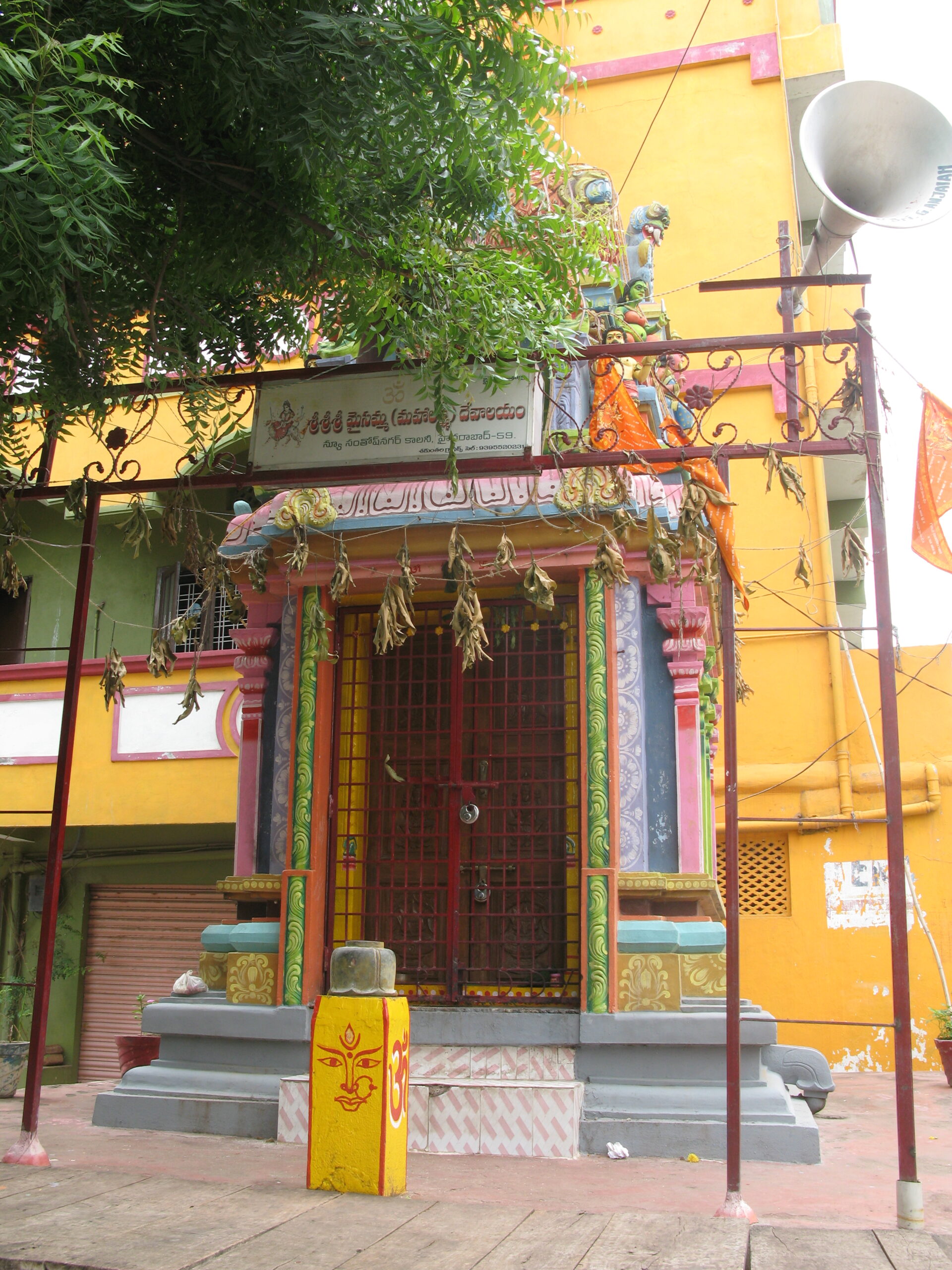
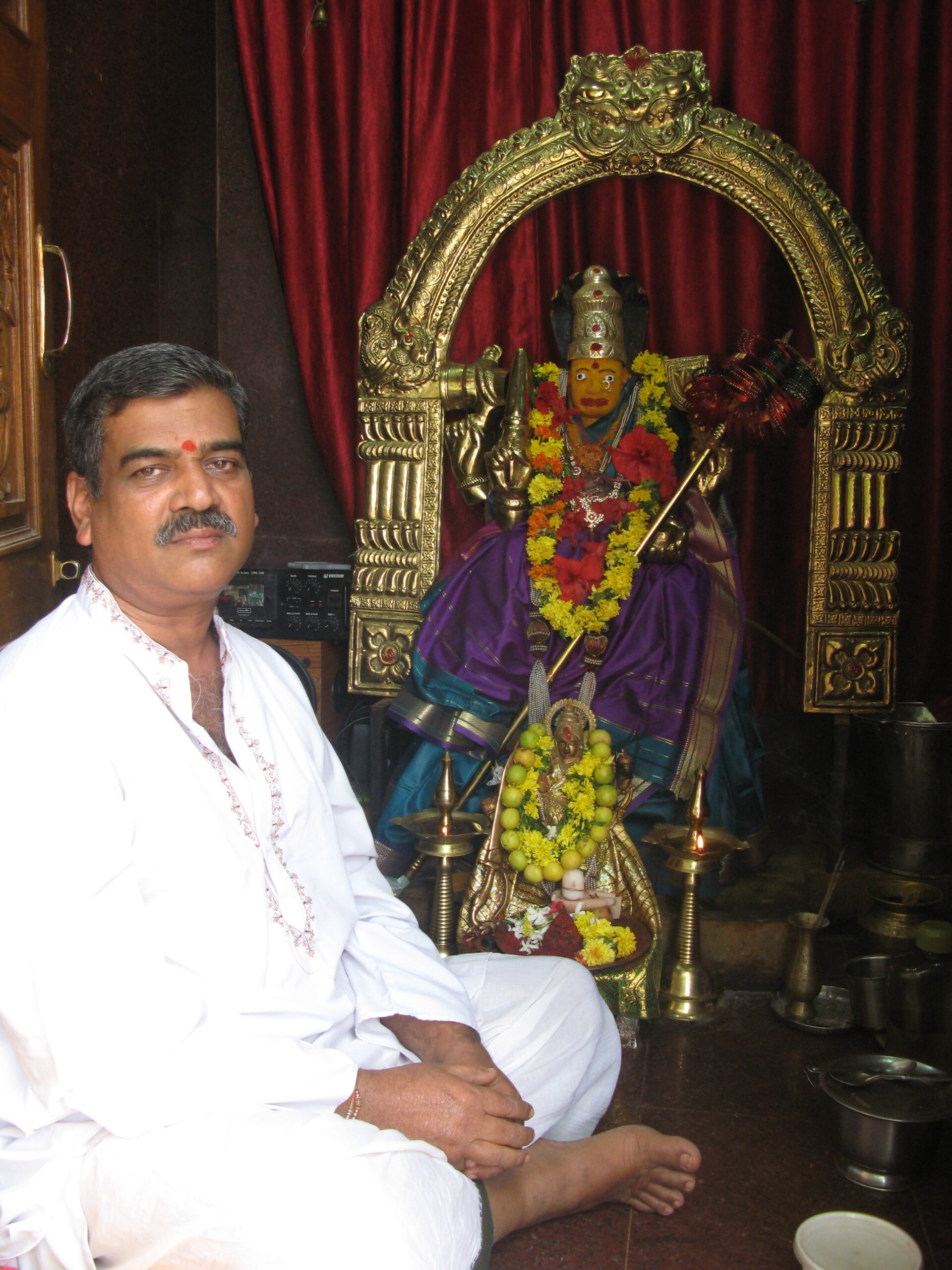
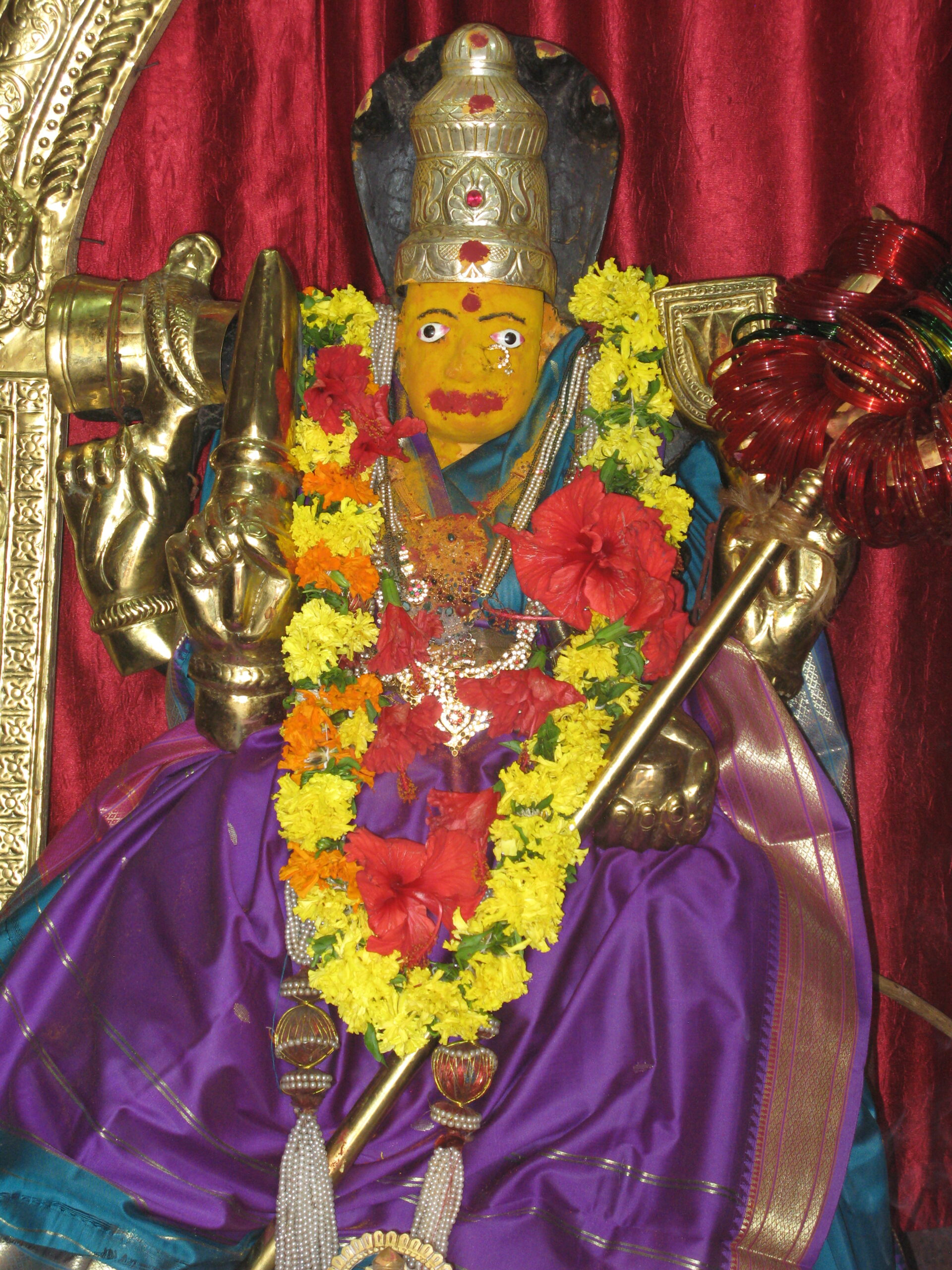
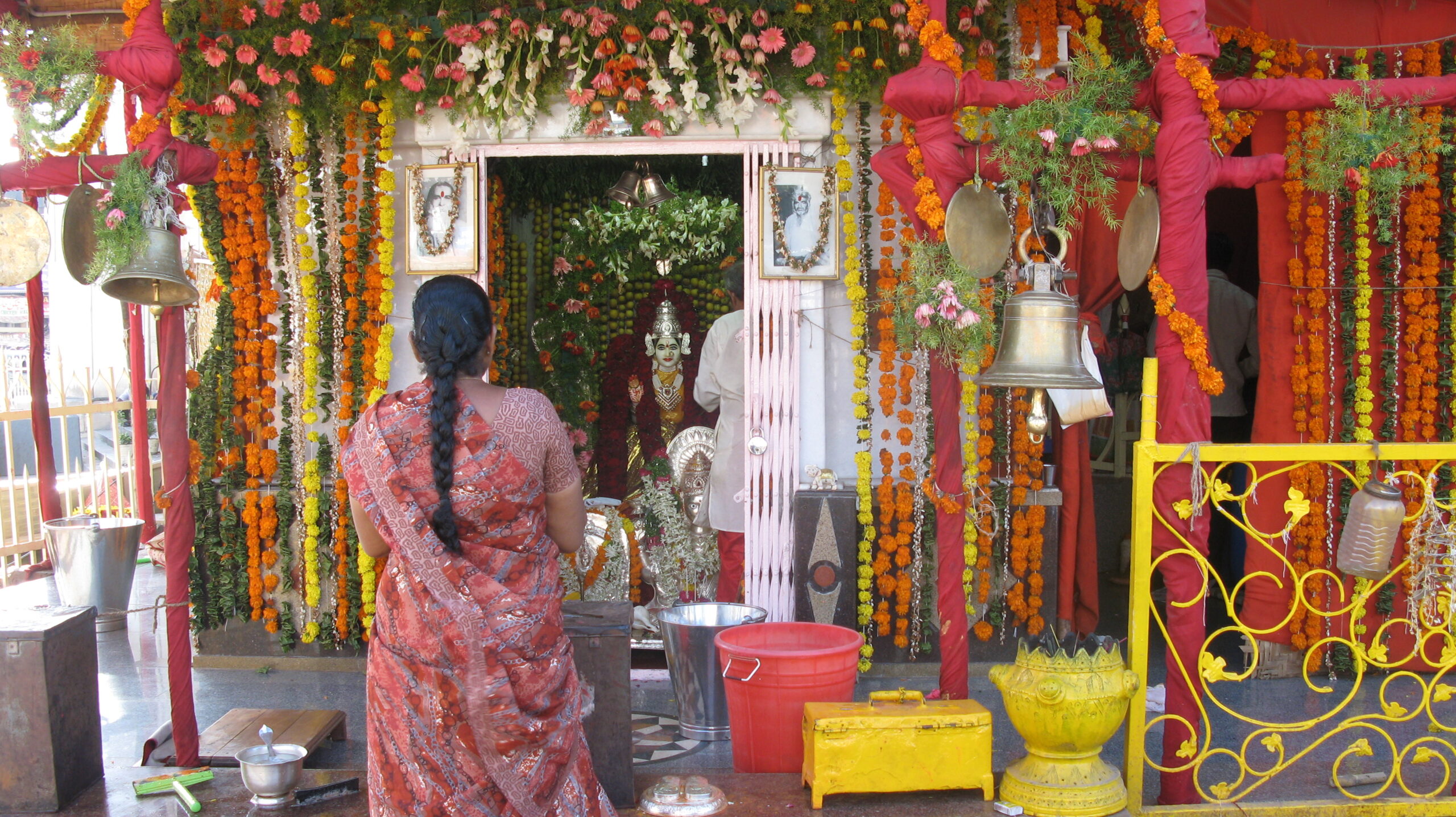
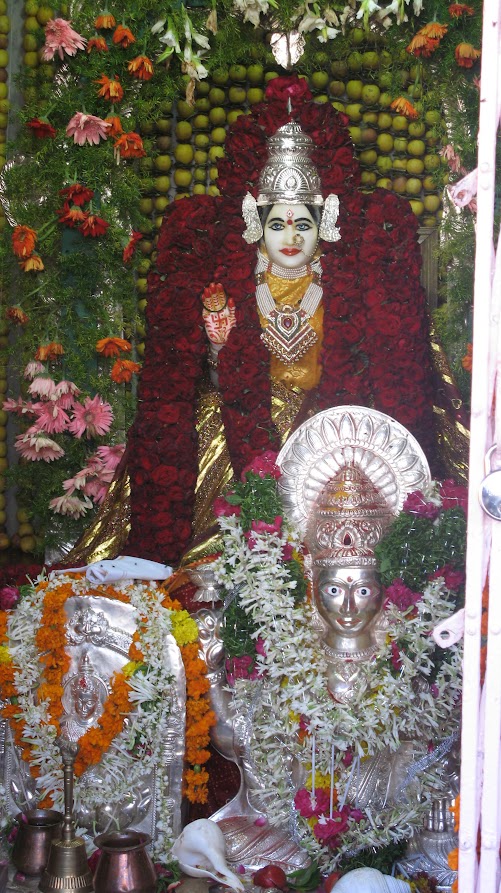
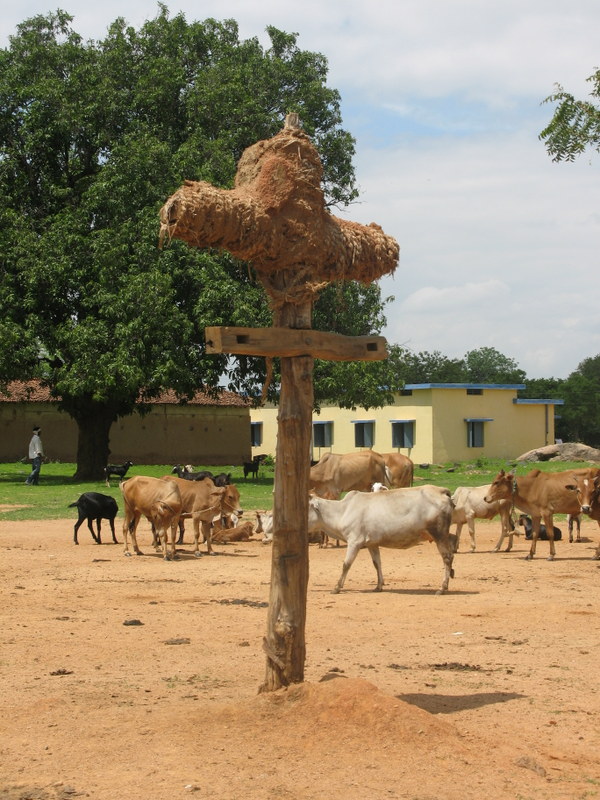
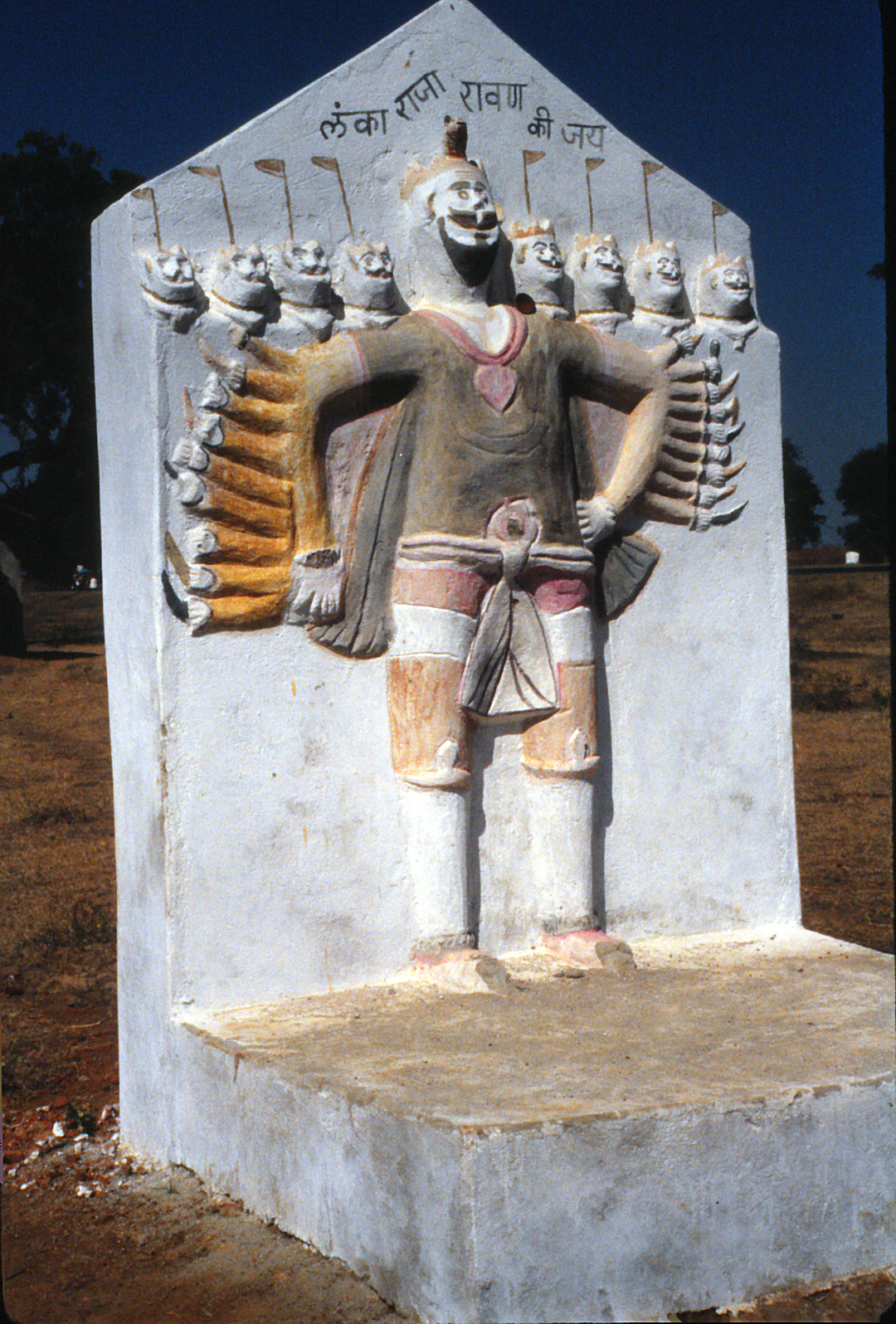
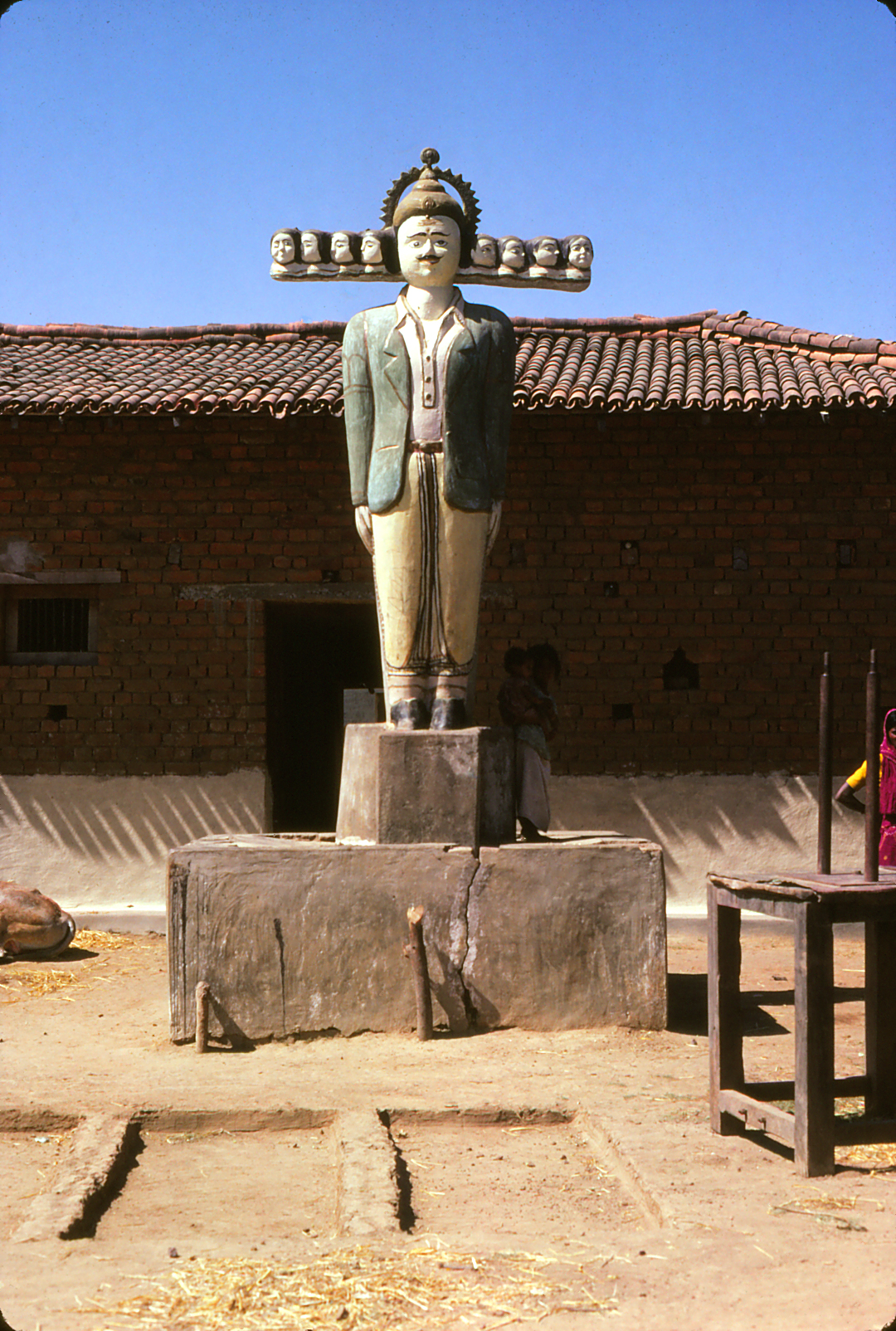
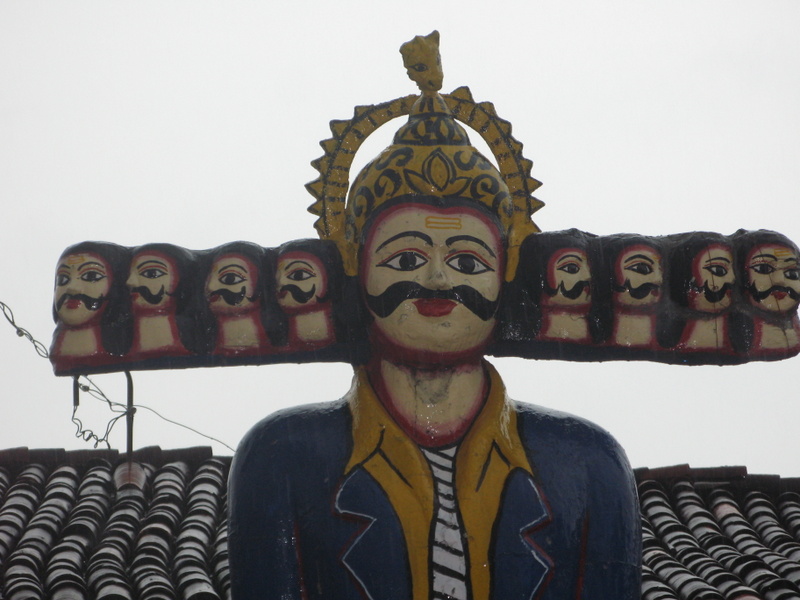
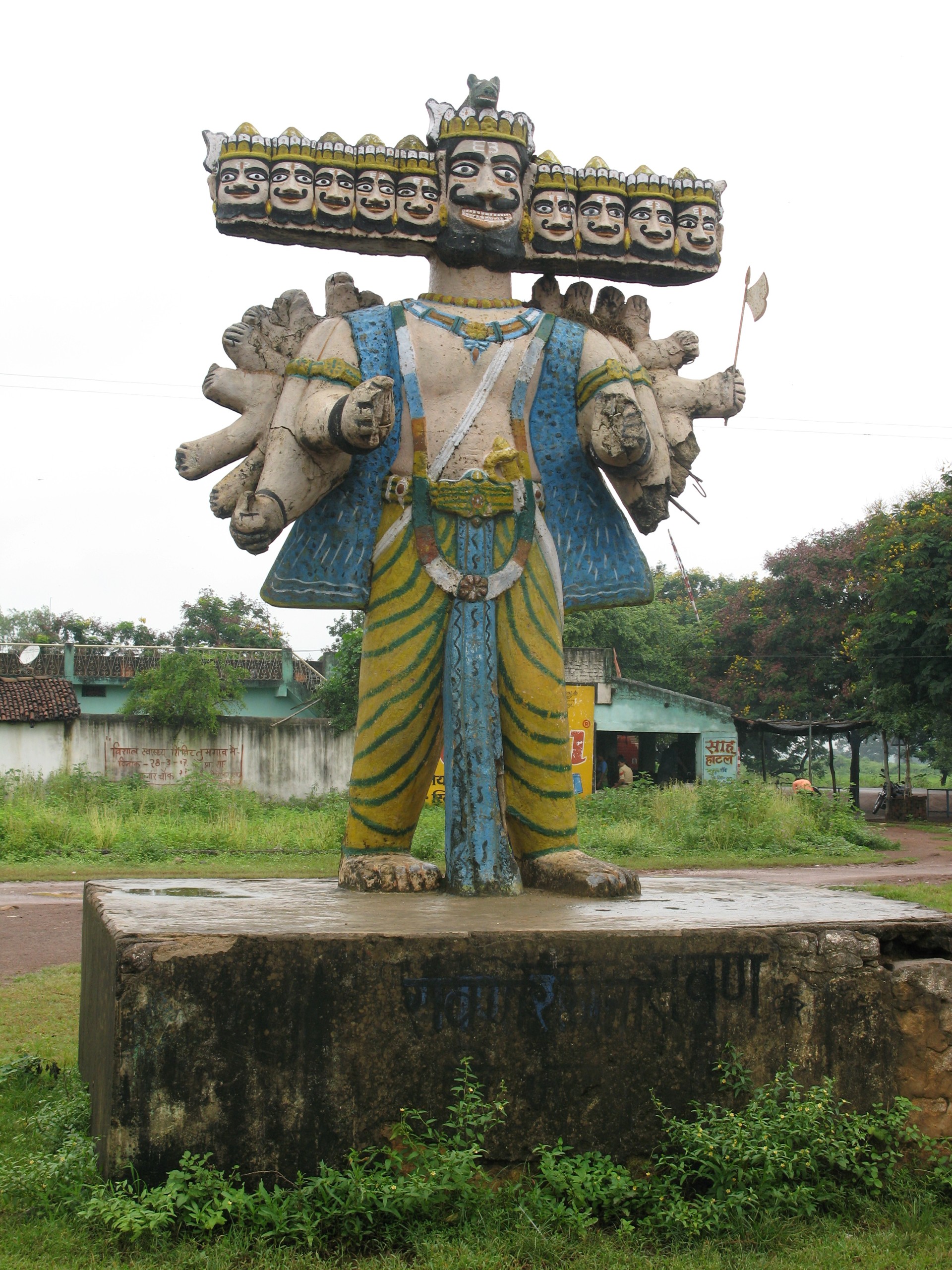
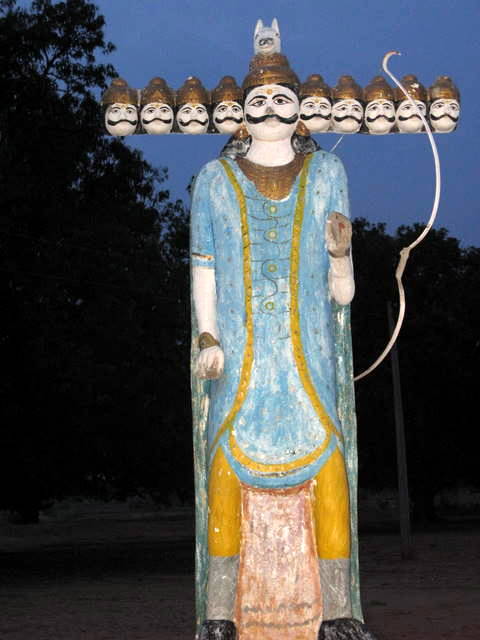
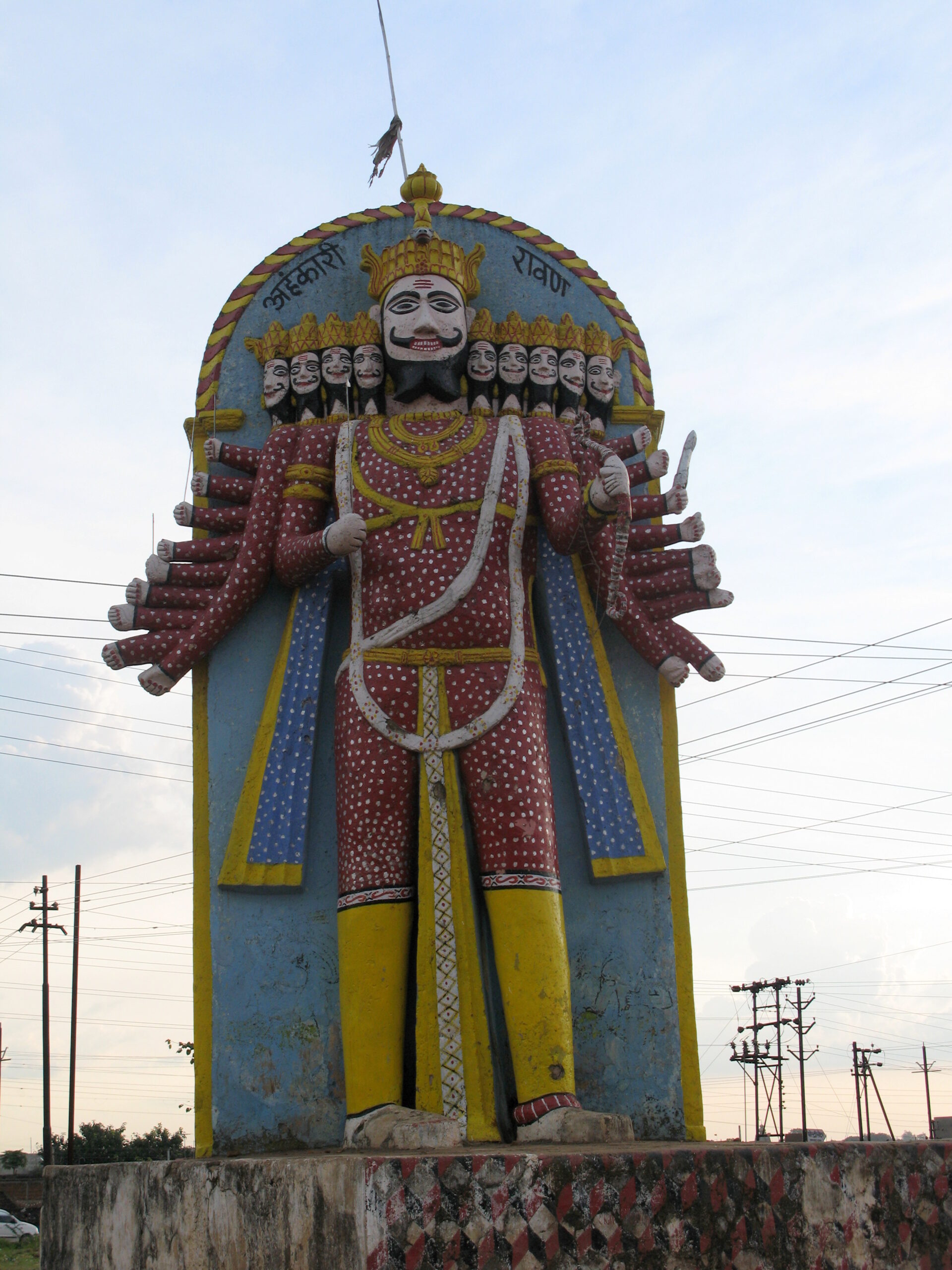
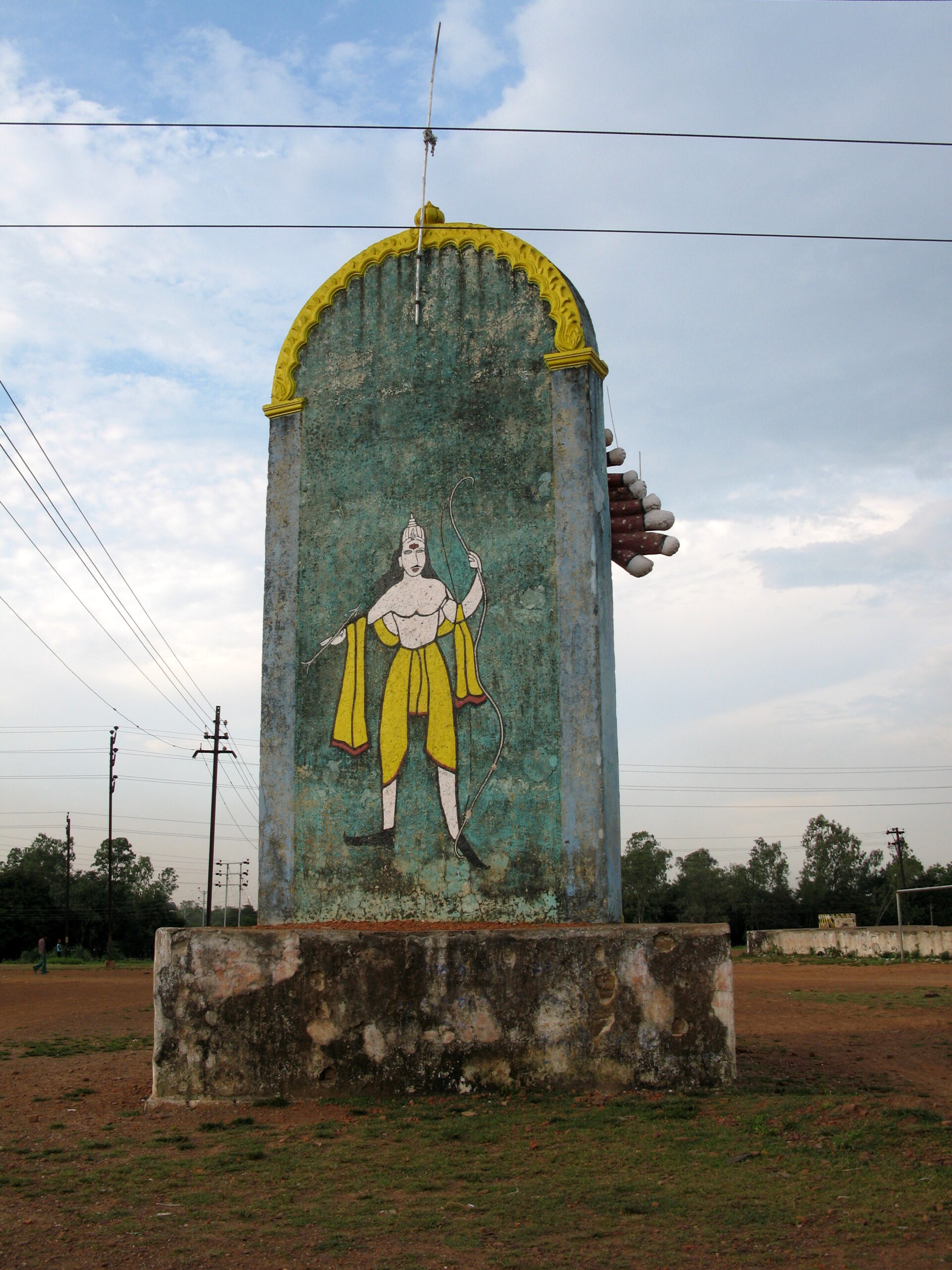
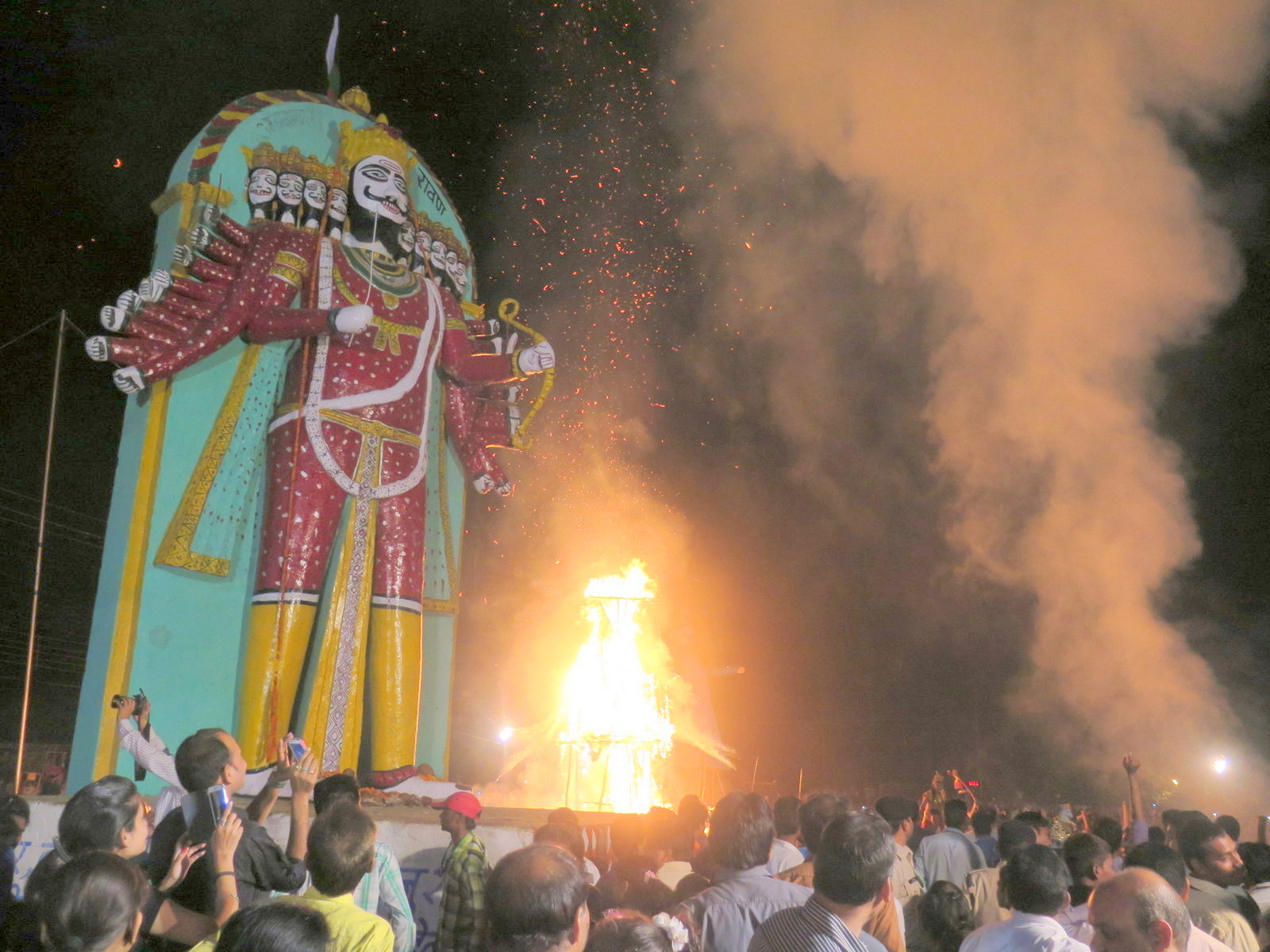
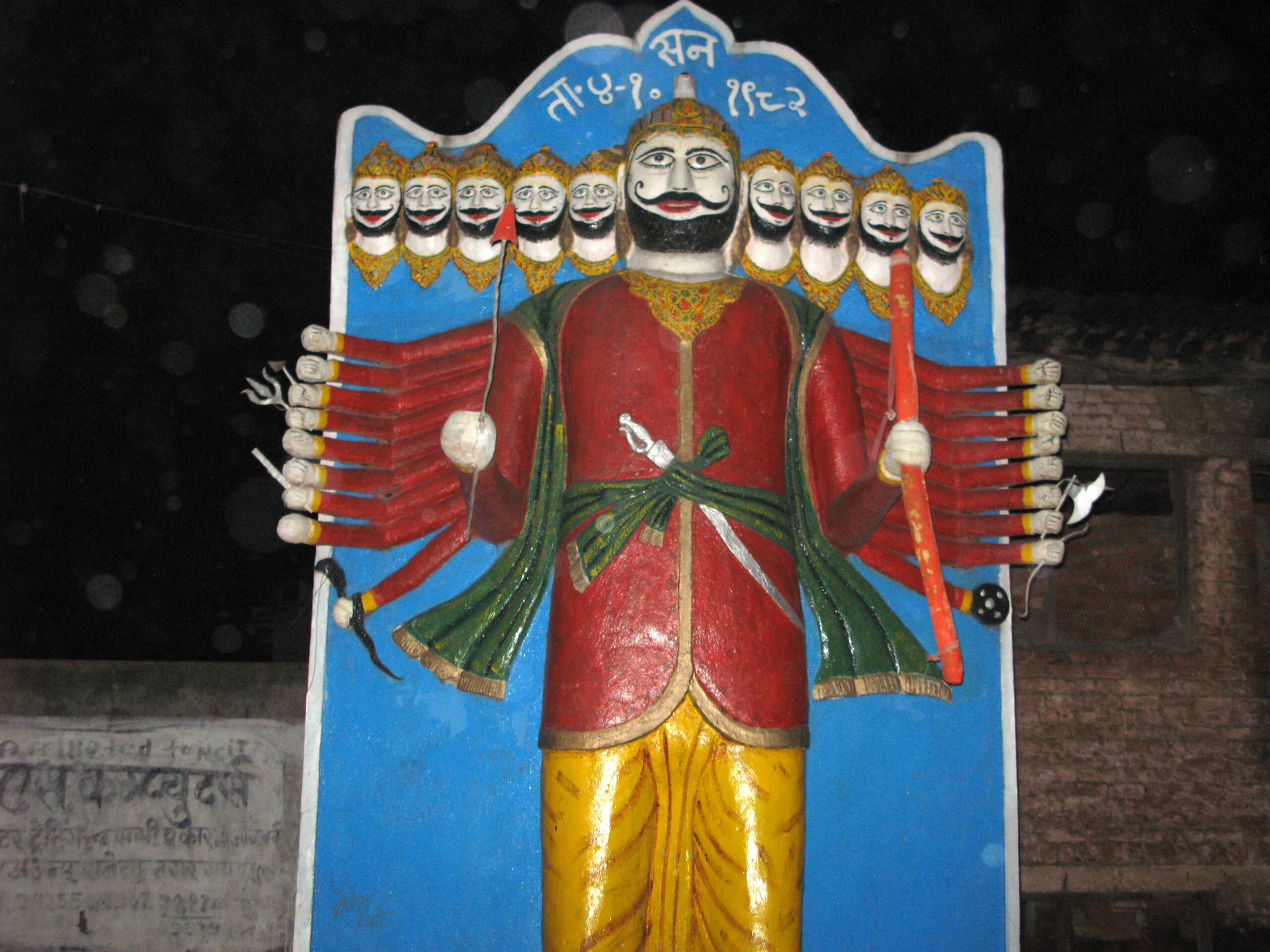
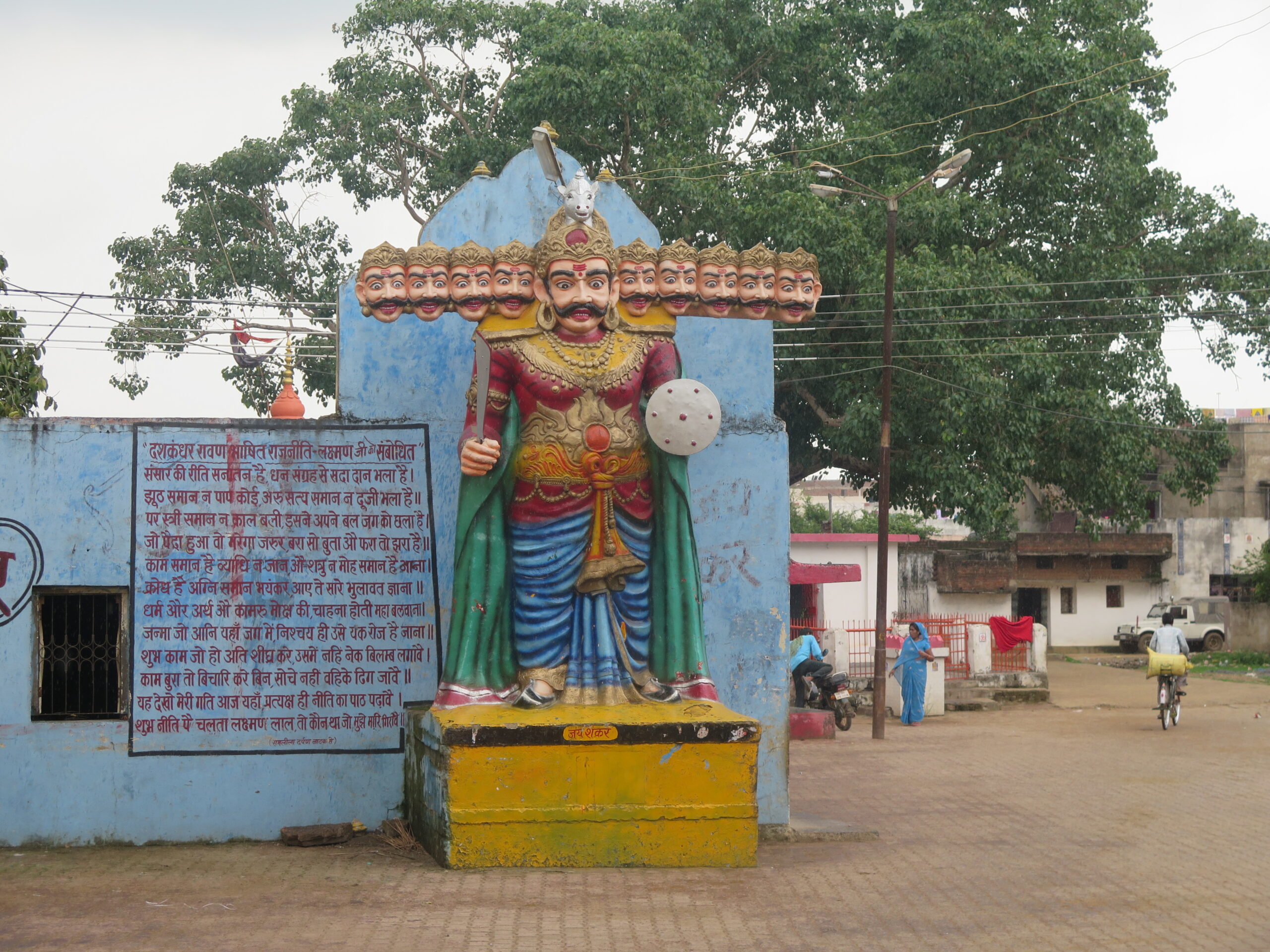
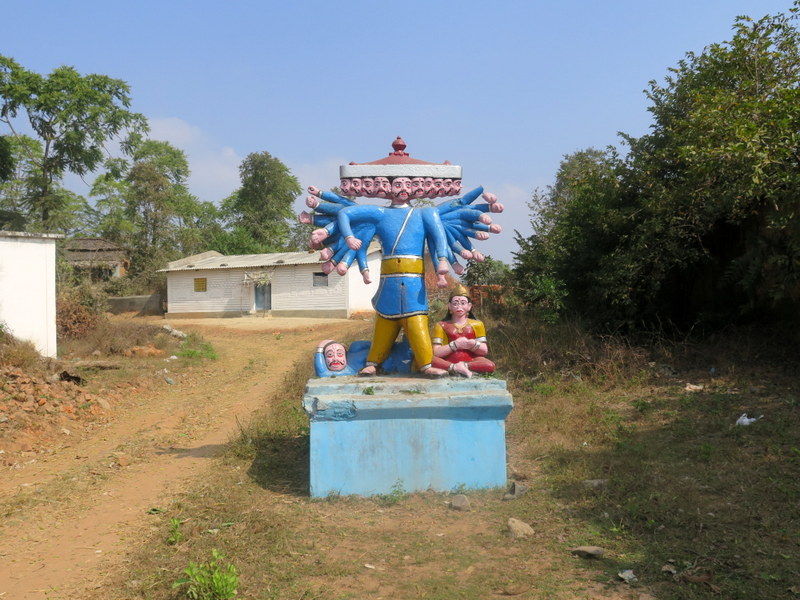
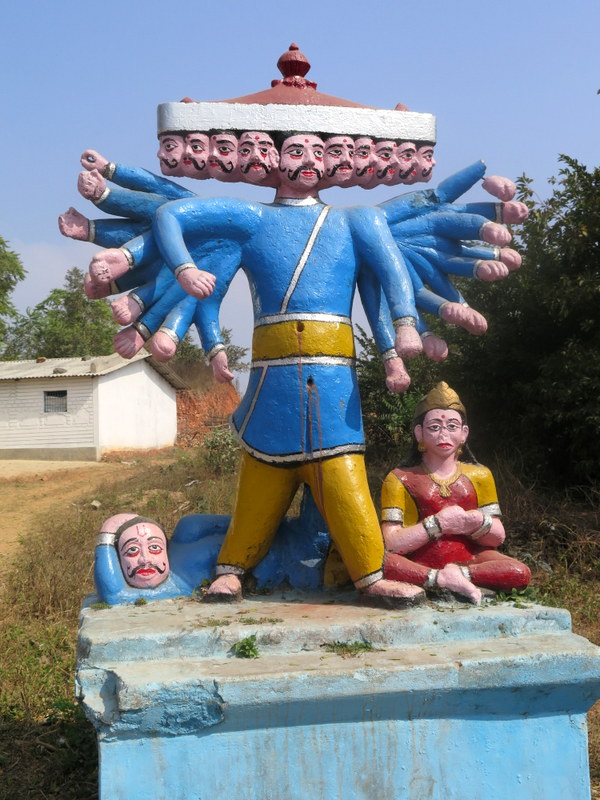
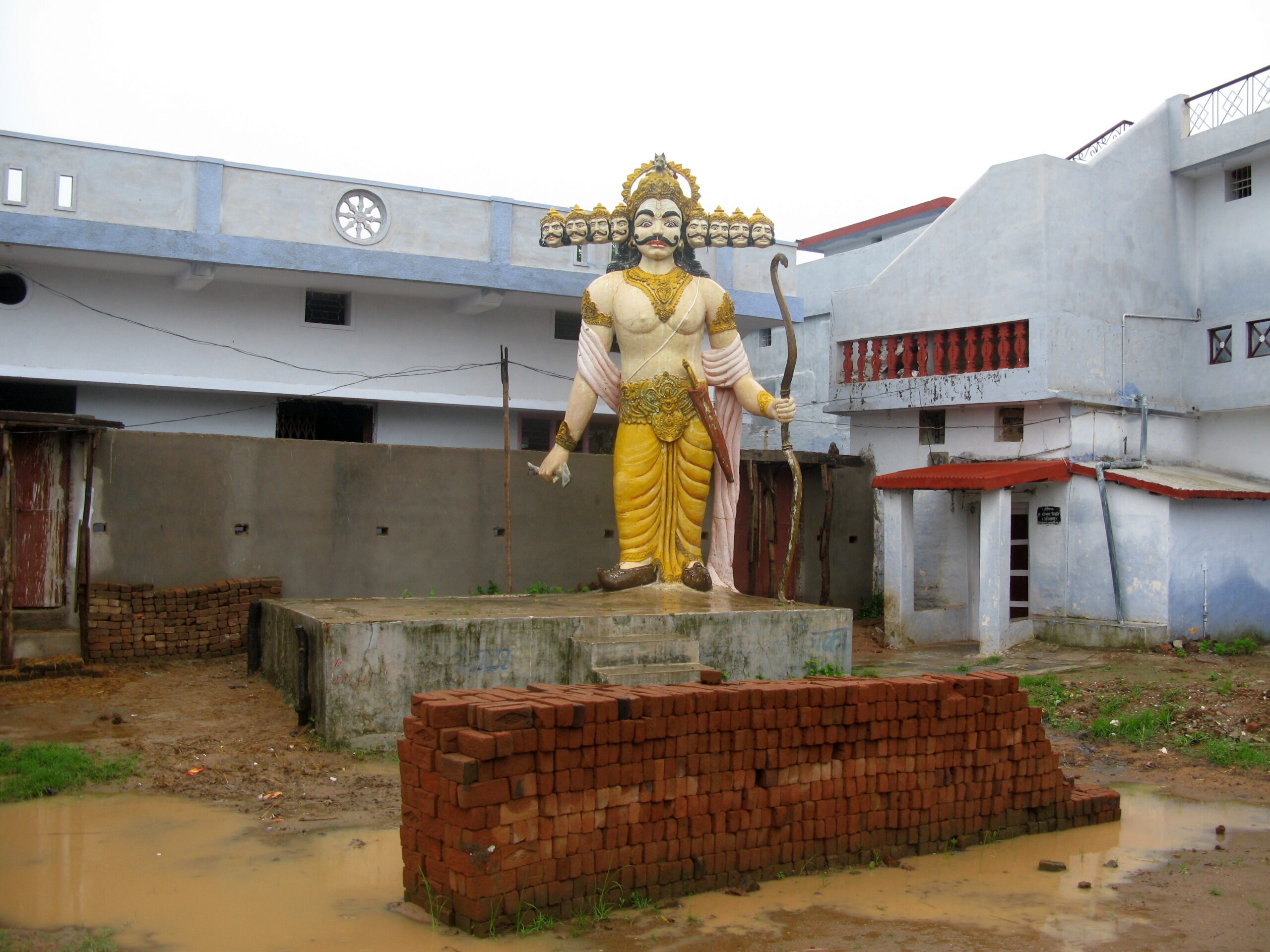
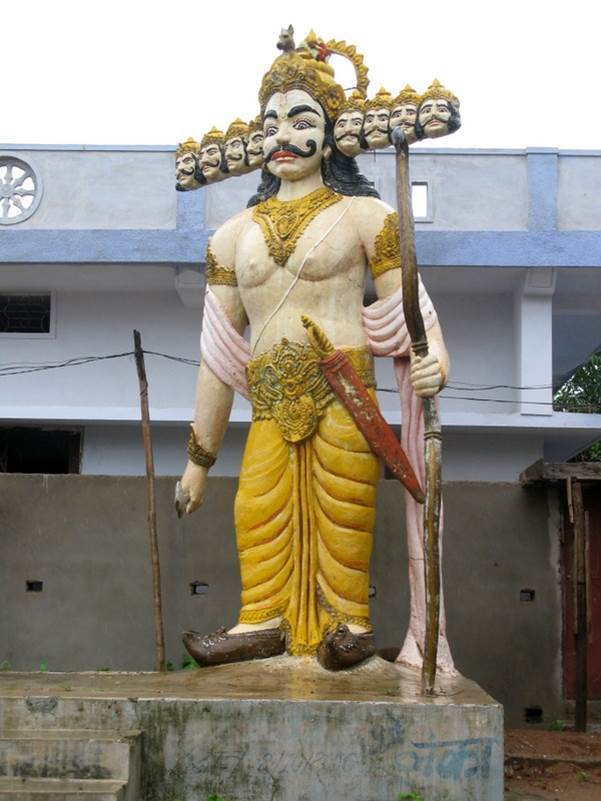
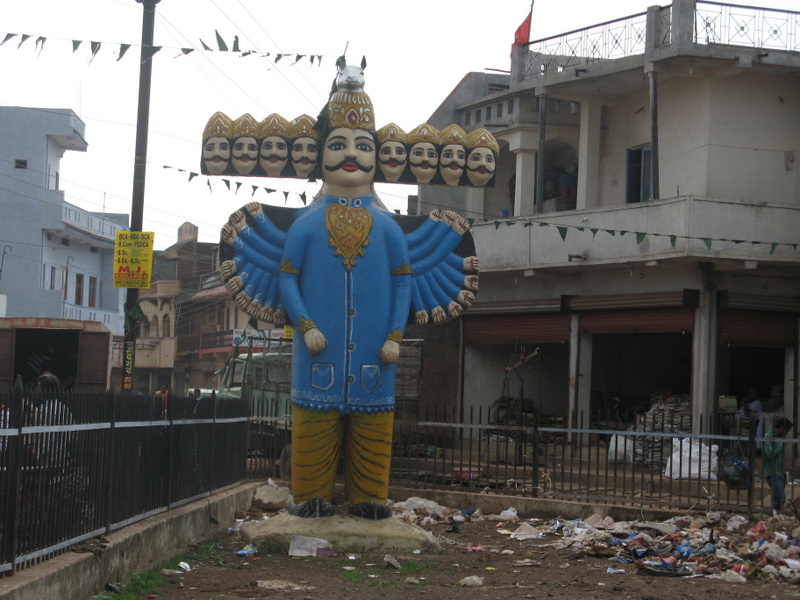
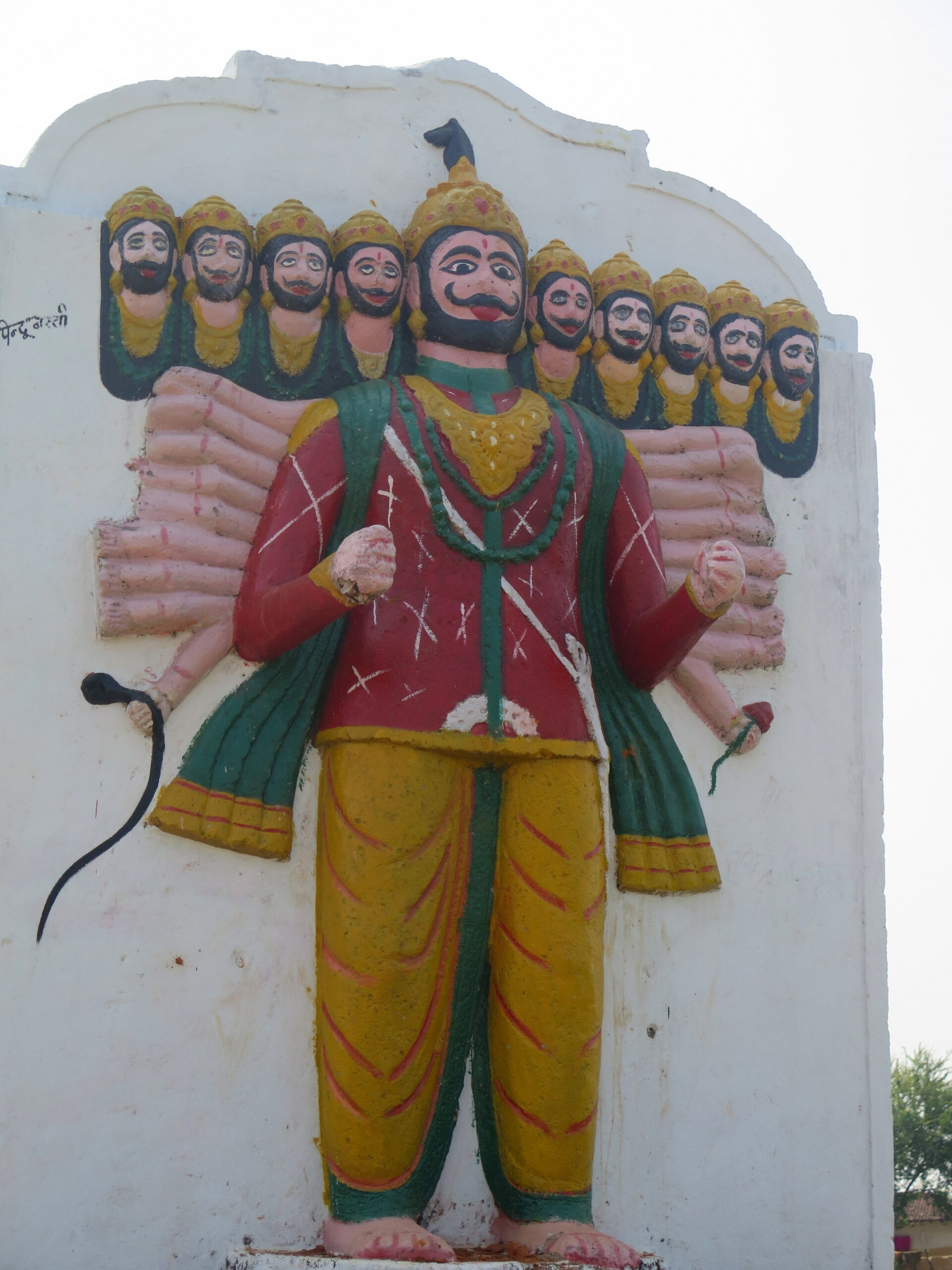
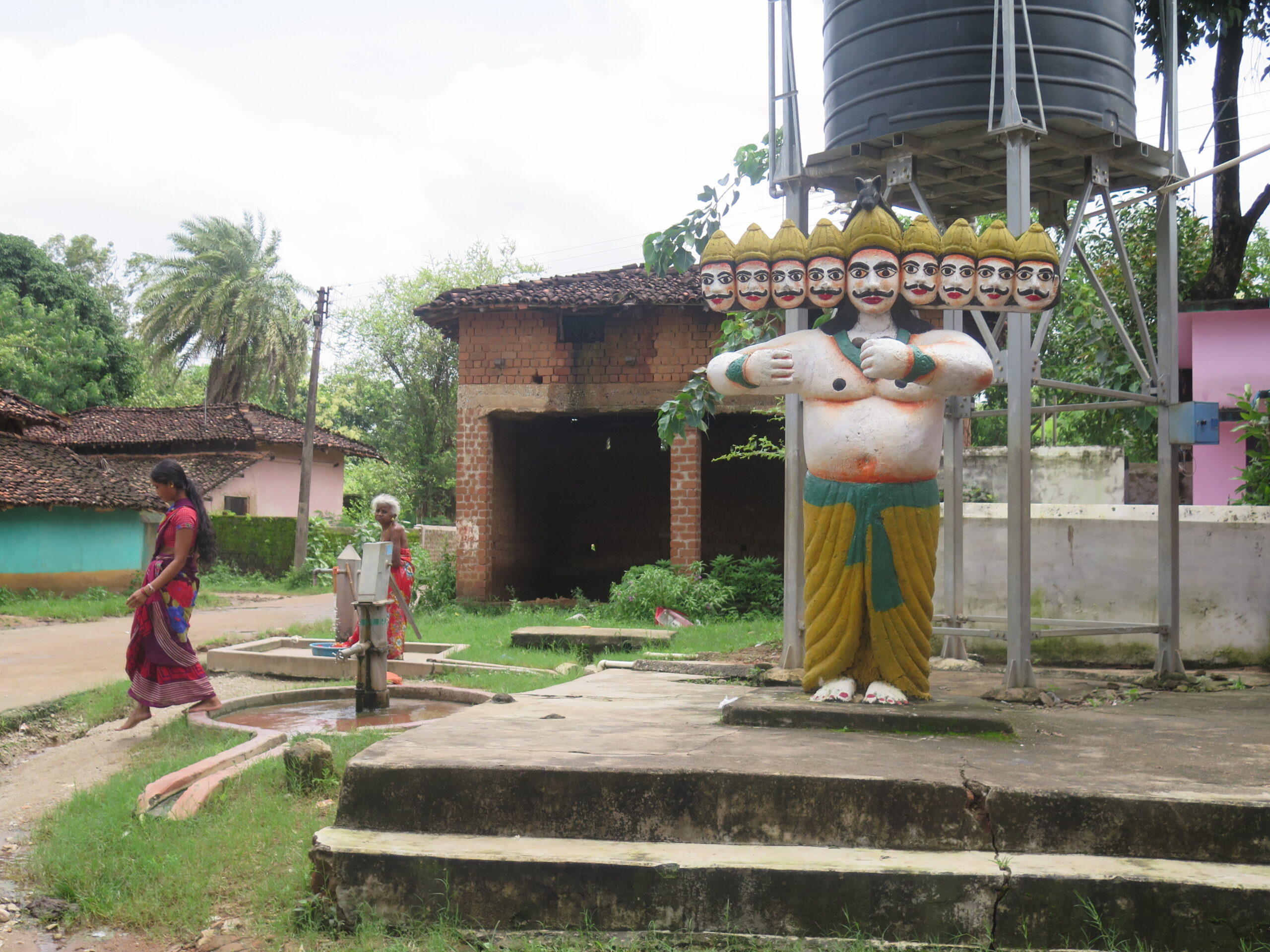
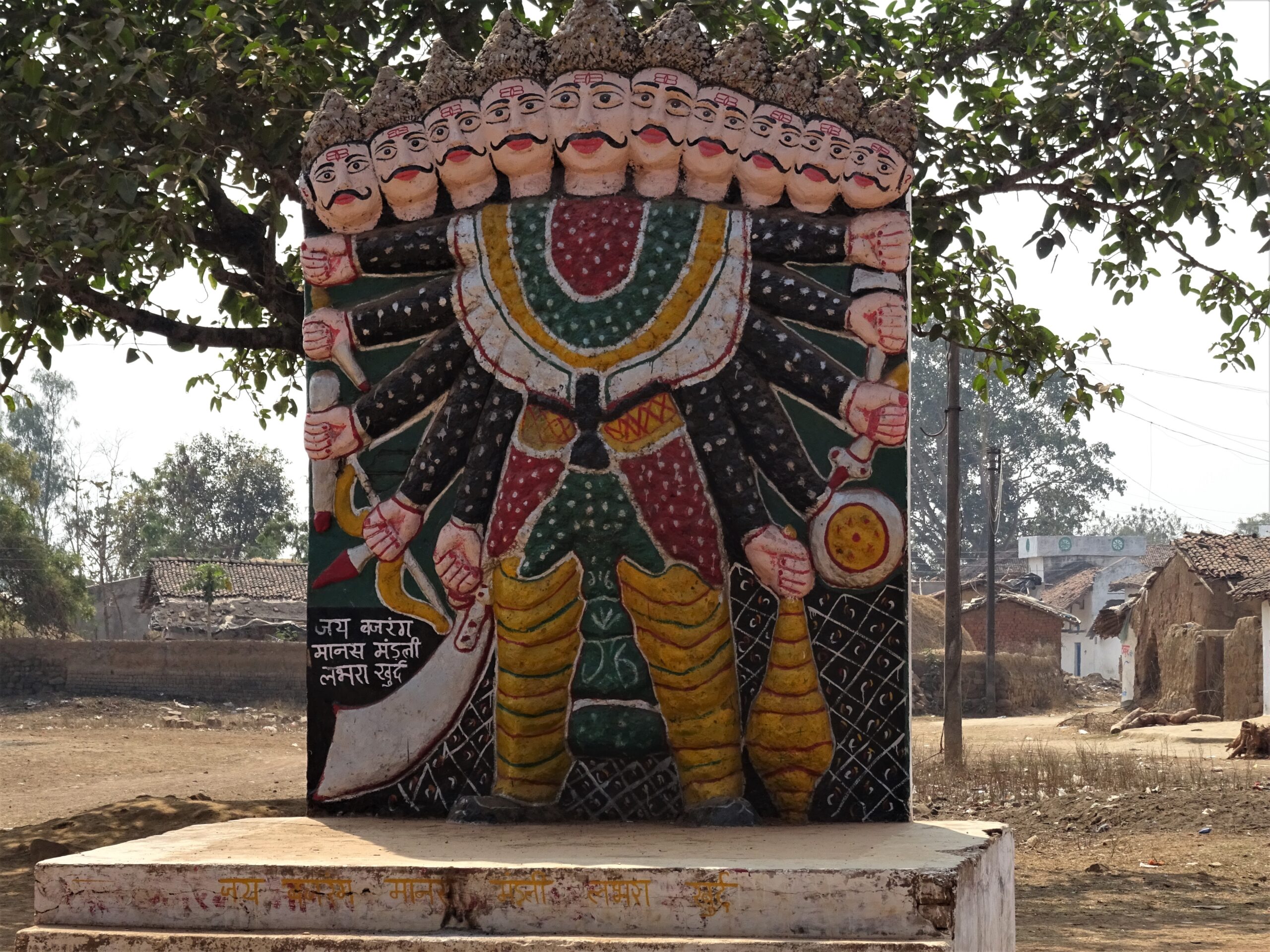
Material Acts in Everyday Hindu Worlds (SUNY Press, 2020; Open Access: https://soar.suny.edu/handle/20.500.12648/8716). Articulates an indigenous Indian theory of the agency of materiality—the ability of materials to have an effect on both humans and deities—through performative and ethnographic analyses of a range of materials. These include: ornamentation and tattoos that protect and make a woman auspicious, tattoos believed to follow her to the afterlife; female guising worn by men (saris, ornaments, breasts, and braids) that has the potential to transform aggressive masculinity; ritual materiality of turmeric, flowers, food items, and other offerings that helps to create two very different goddesses; changing architecture of goddess shrines that subtly changes the goddesses themselves and their worship; and finally, twelve-to-fifteen-foot–tall cement Ravanas (antagonist of the Ramayana) that materially perform an alternative ideologies and theologies to those that of Rama temples and dominant textual traditions. The book expands our understanding of material agency as well as the parameters of “what counts” in the study of religion.
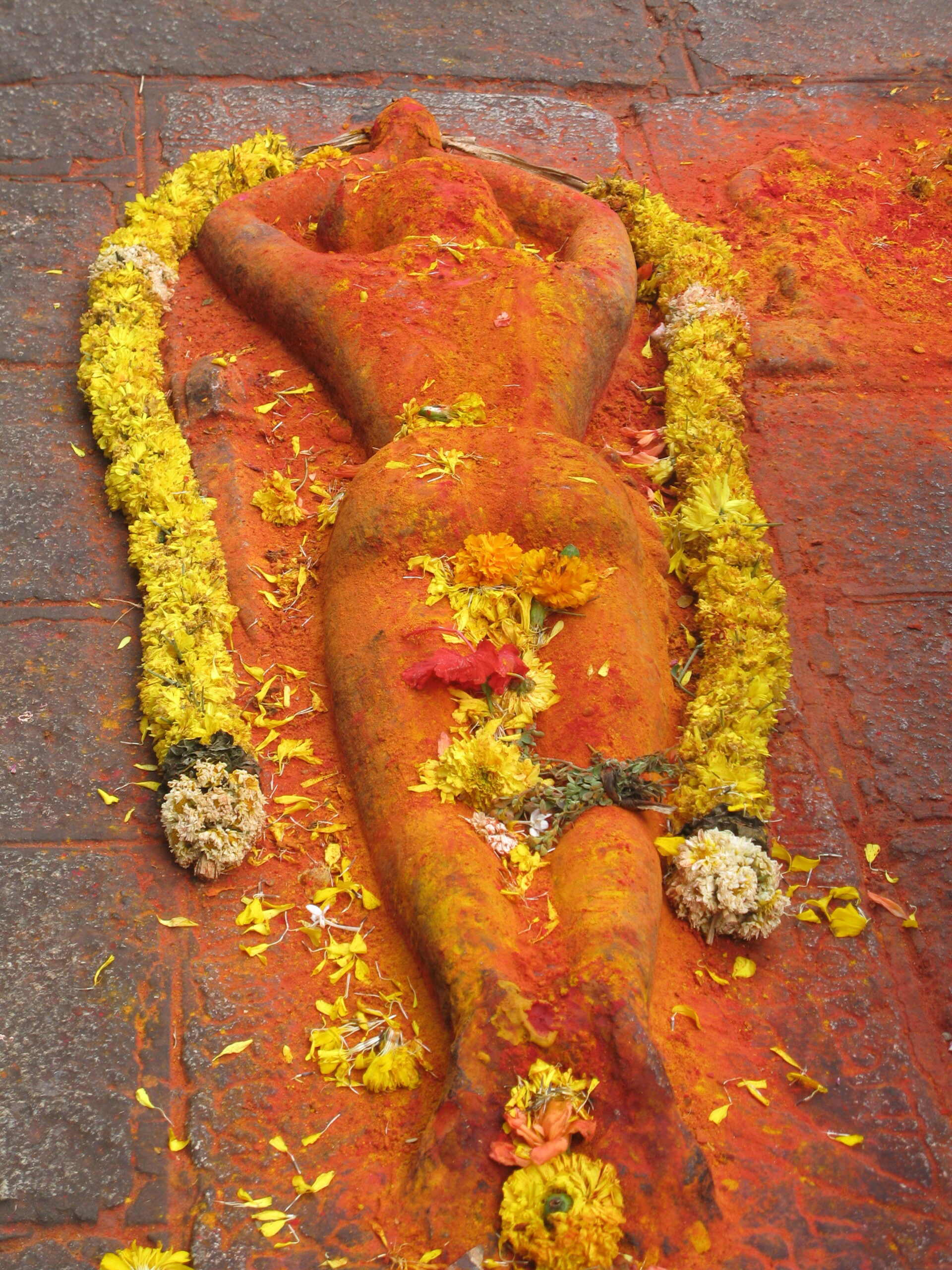
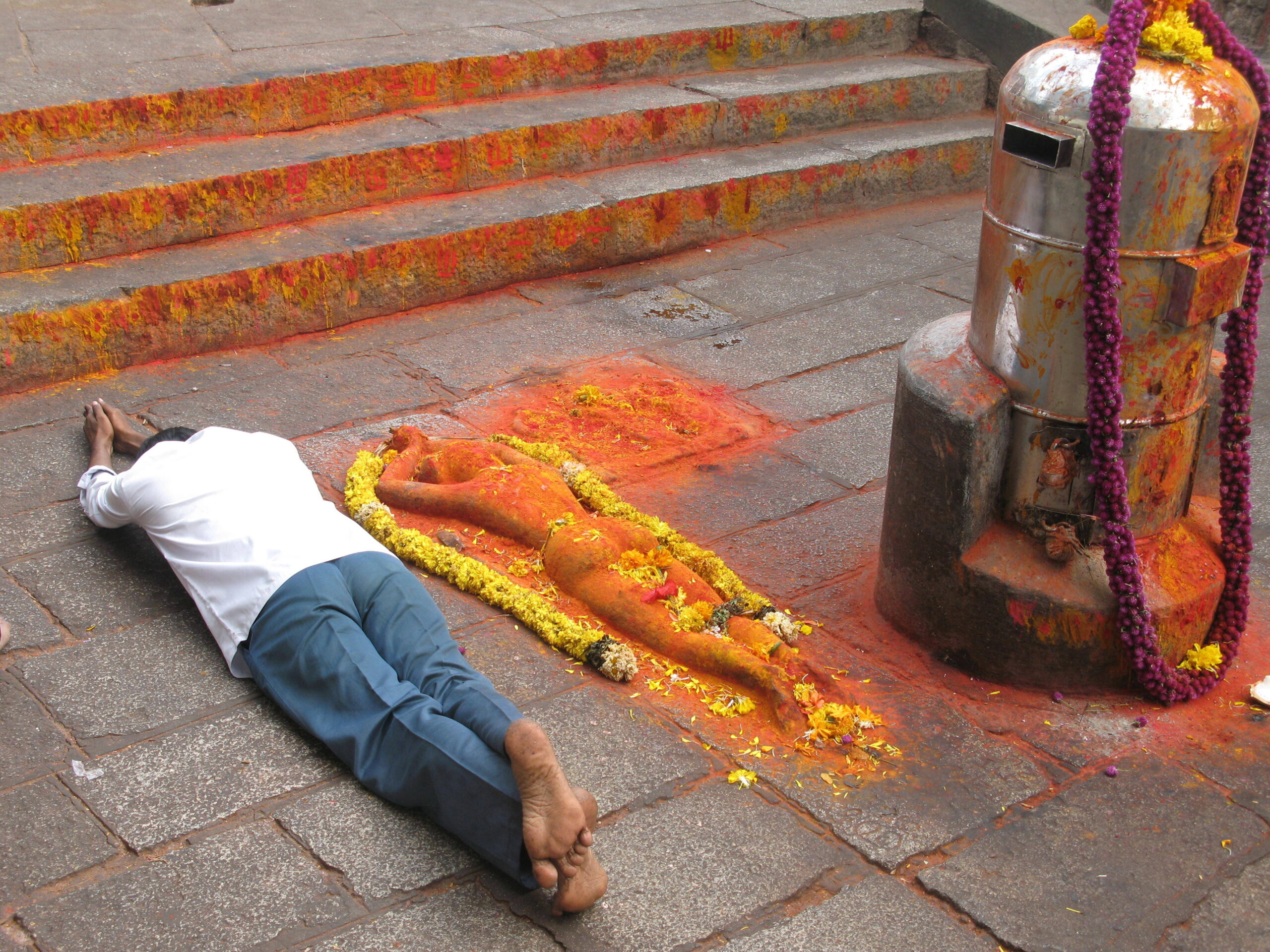
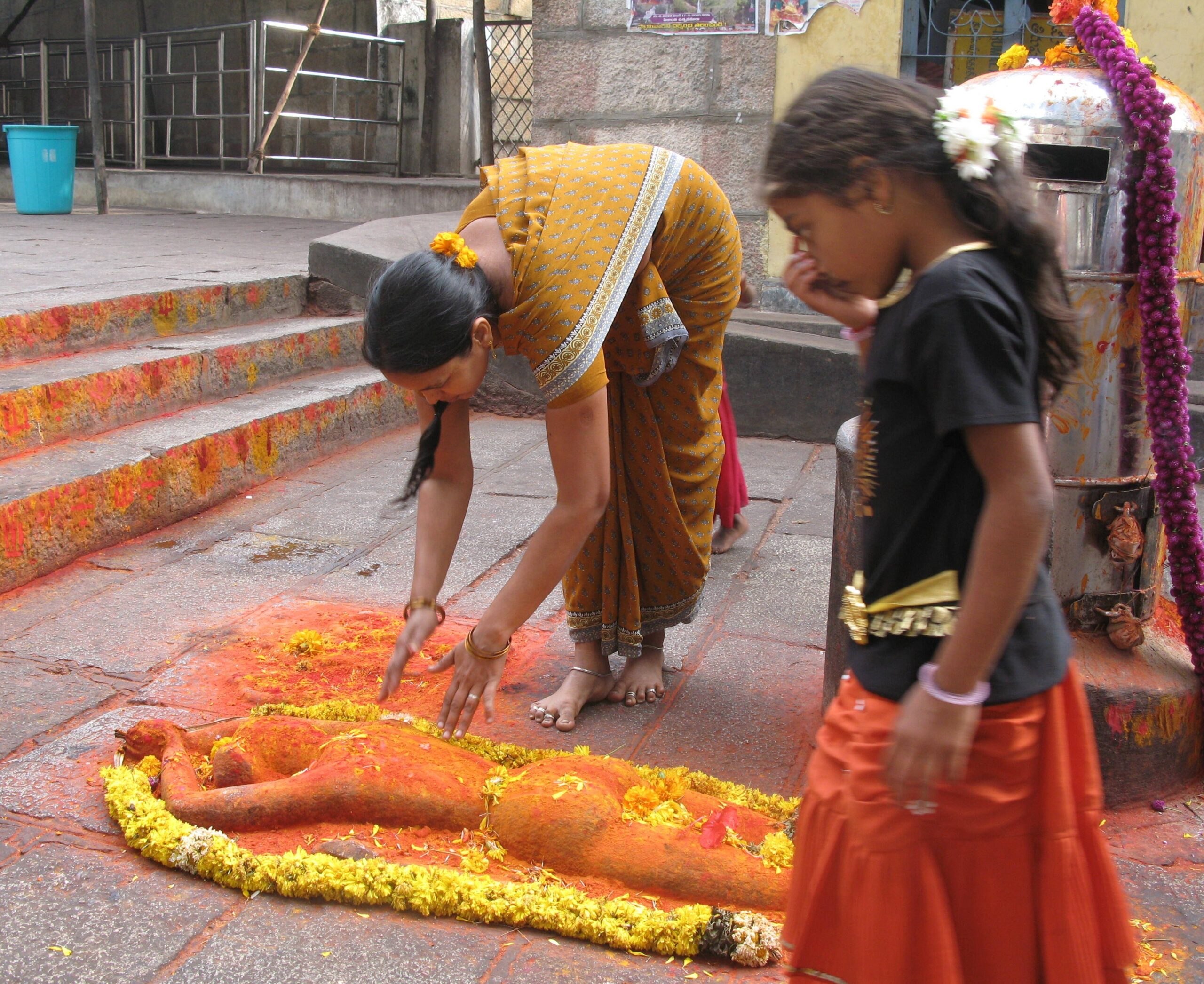
The Maladasari cement devotee at base of Tirumala footpath up to pilgrimage temple of Sri Venkateshvara (Andhra Pradesh) is one site of material agency. The image seems to exert agency on devotees, who respond to it by prostrating next to it or otherwise showing devotion. Photographs taken 2010.