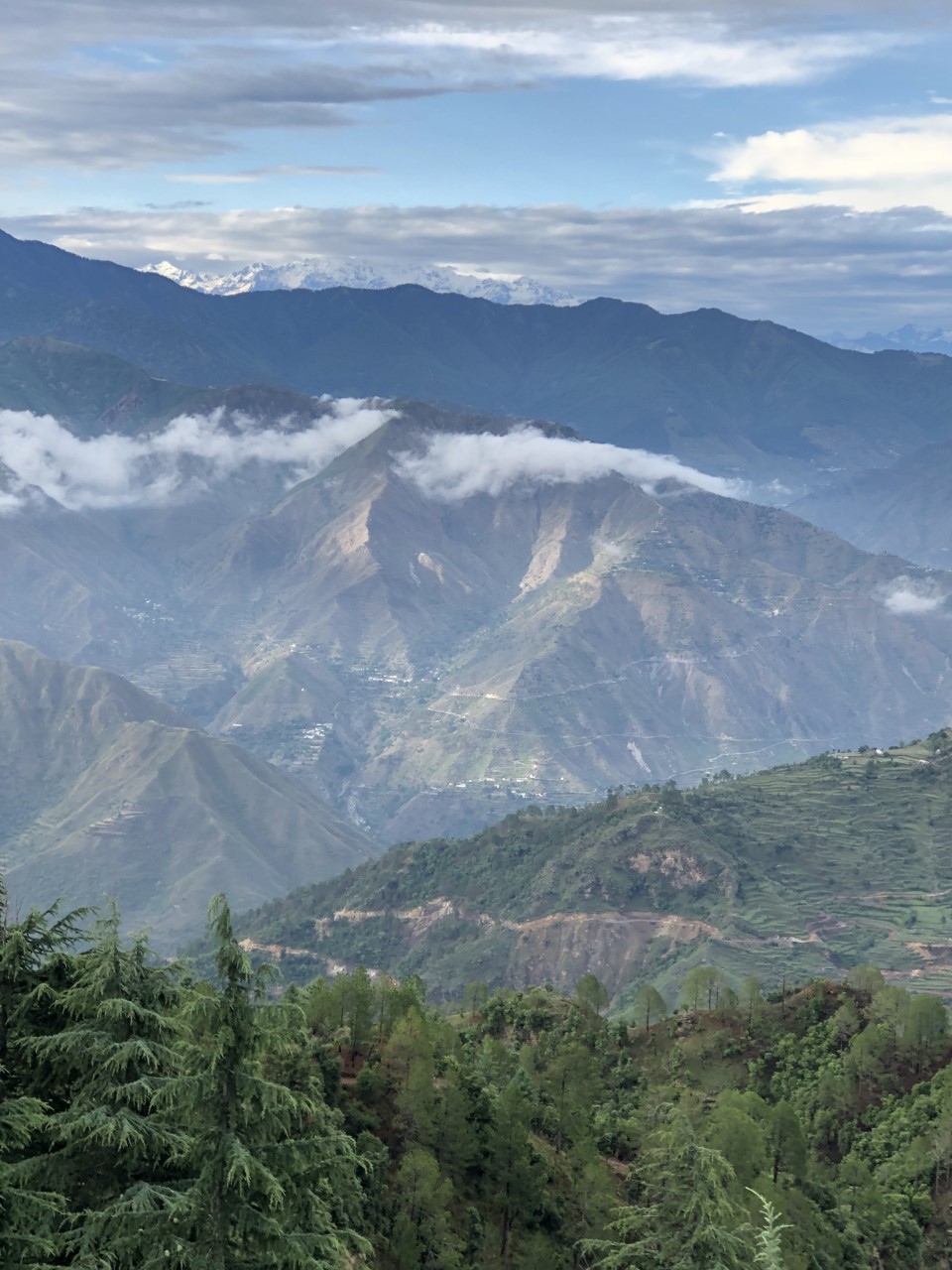
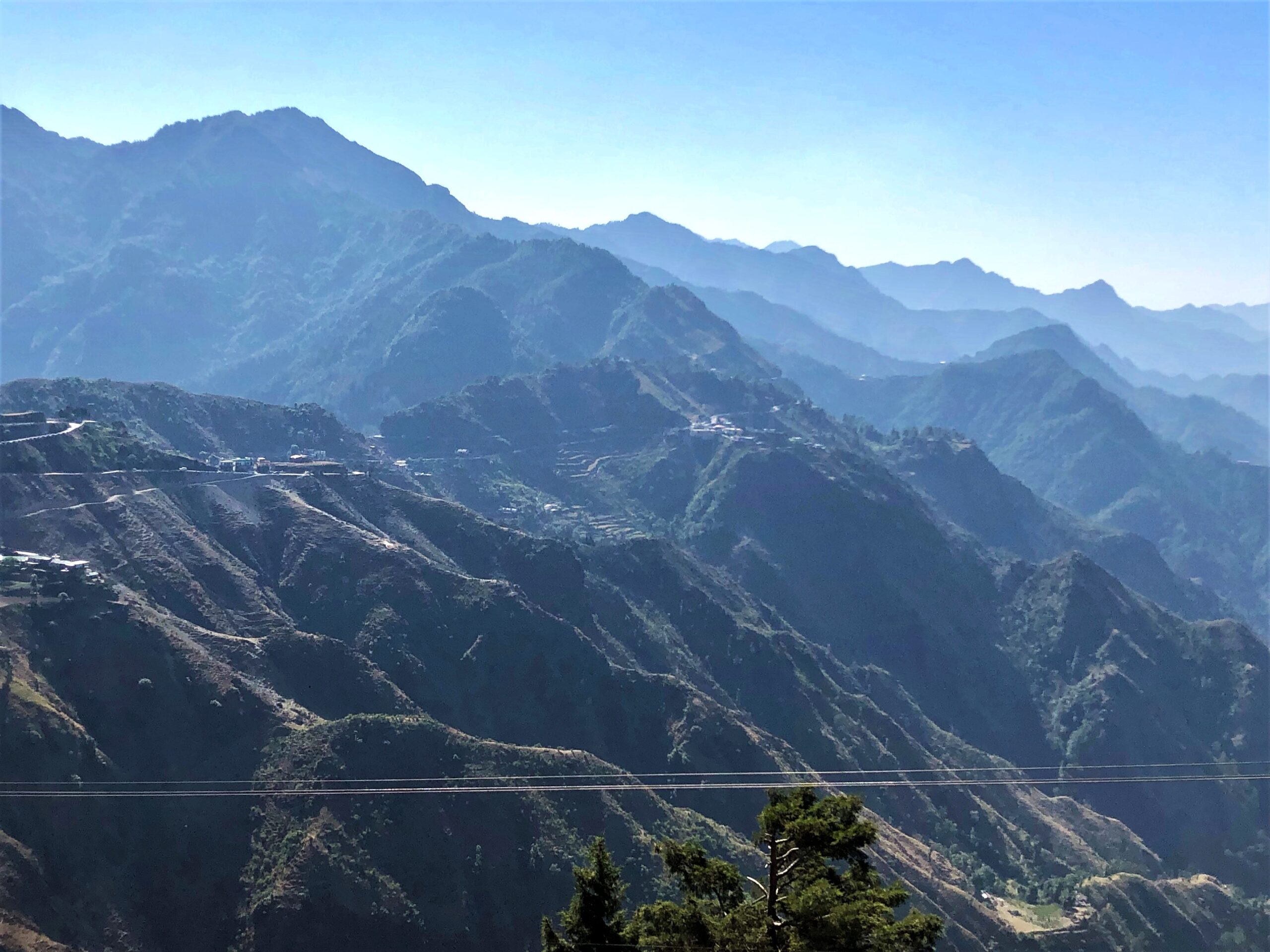
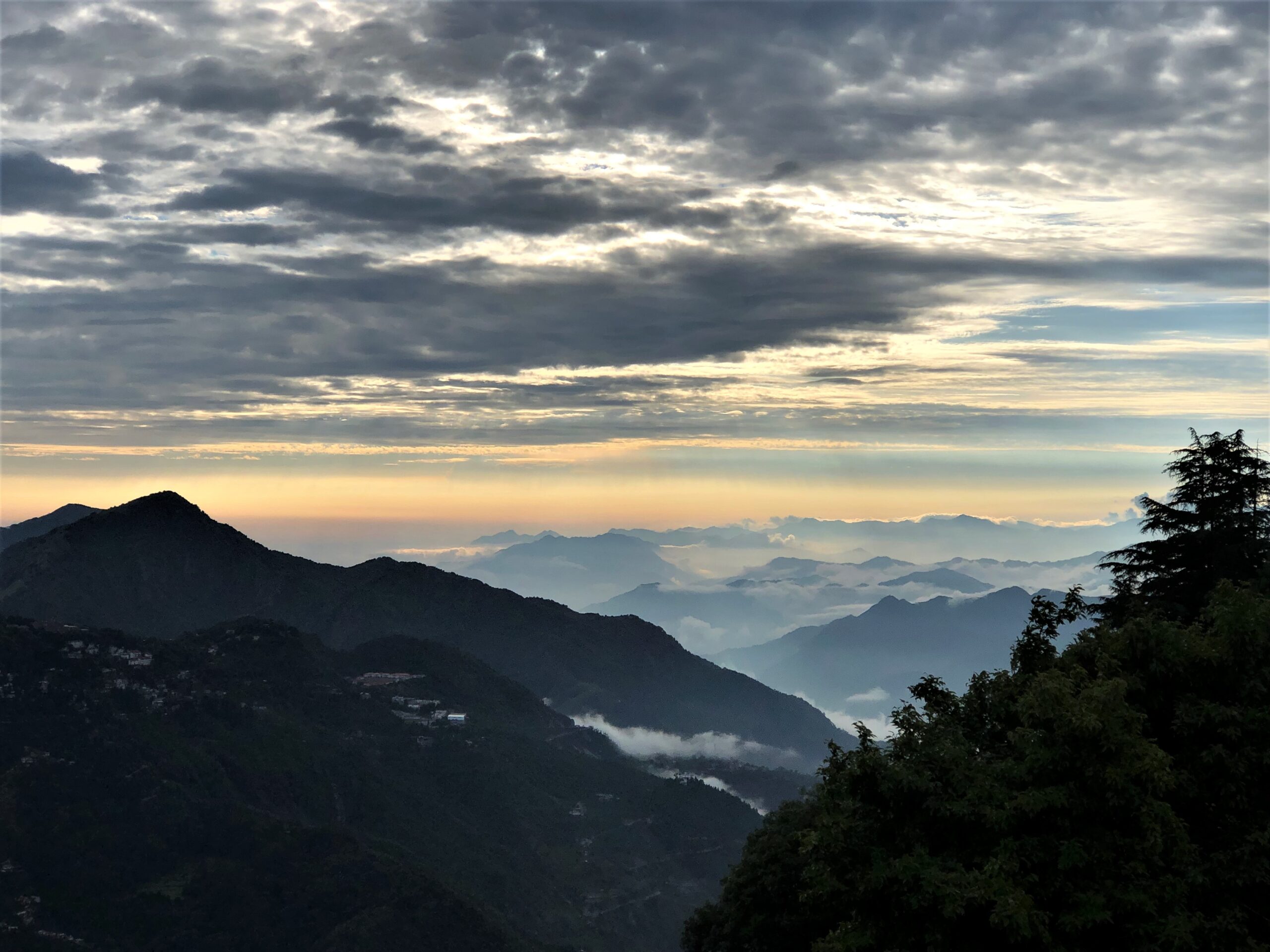
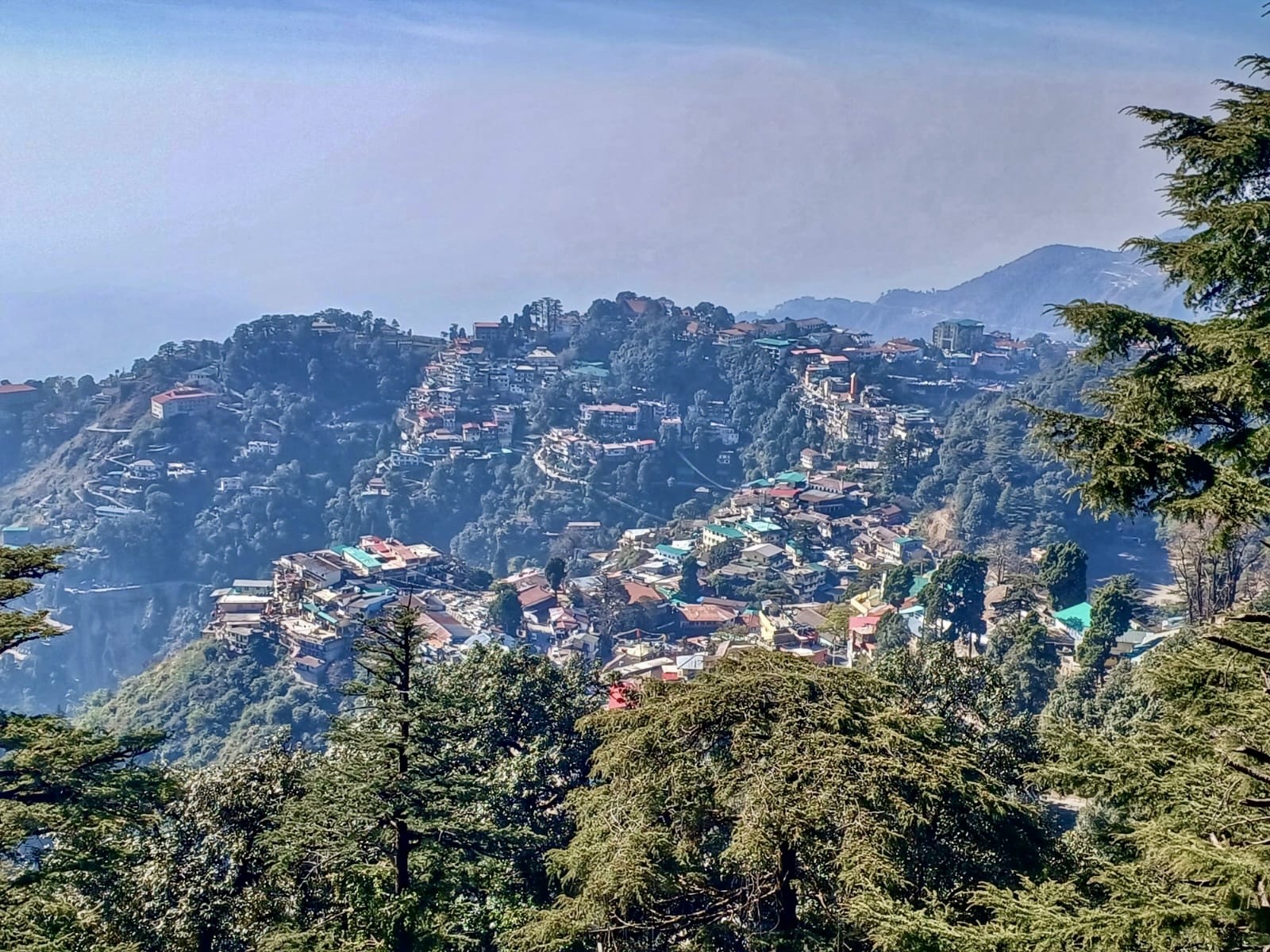
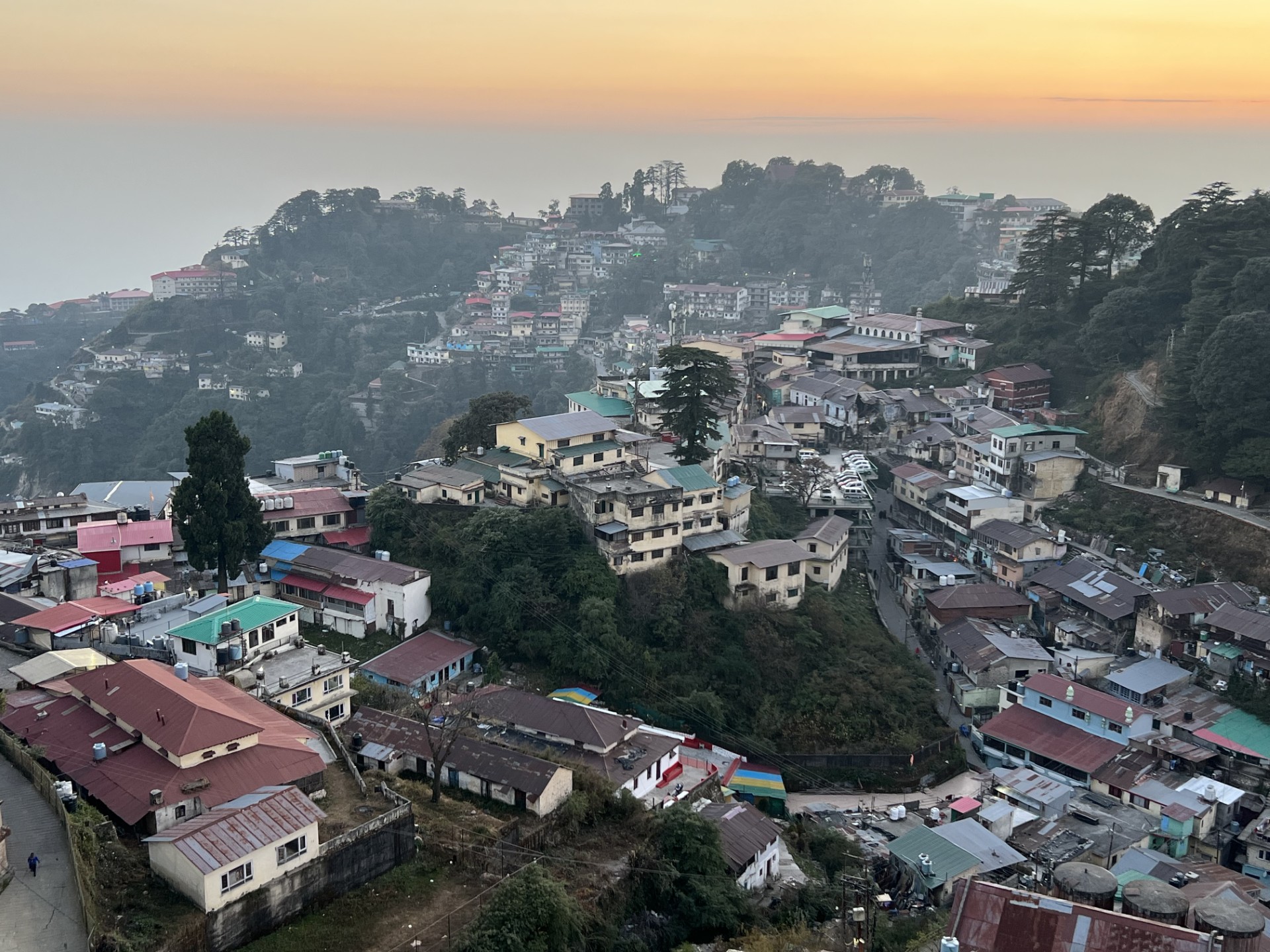
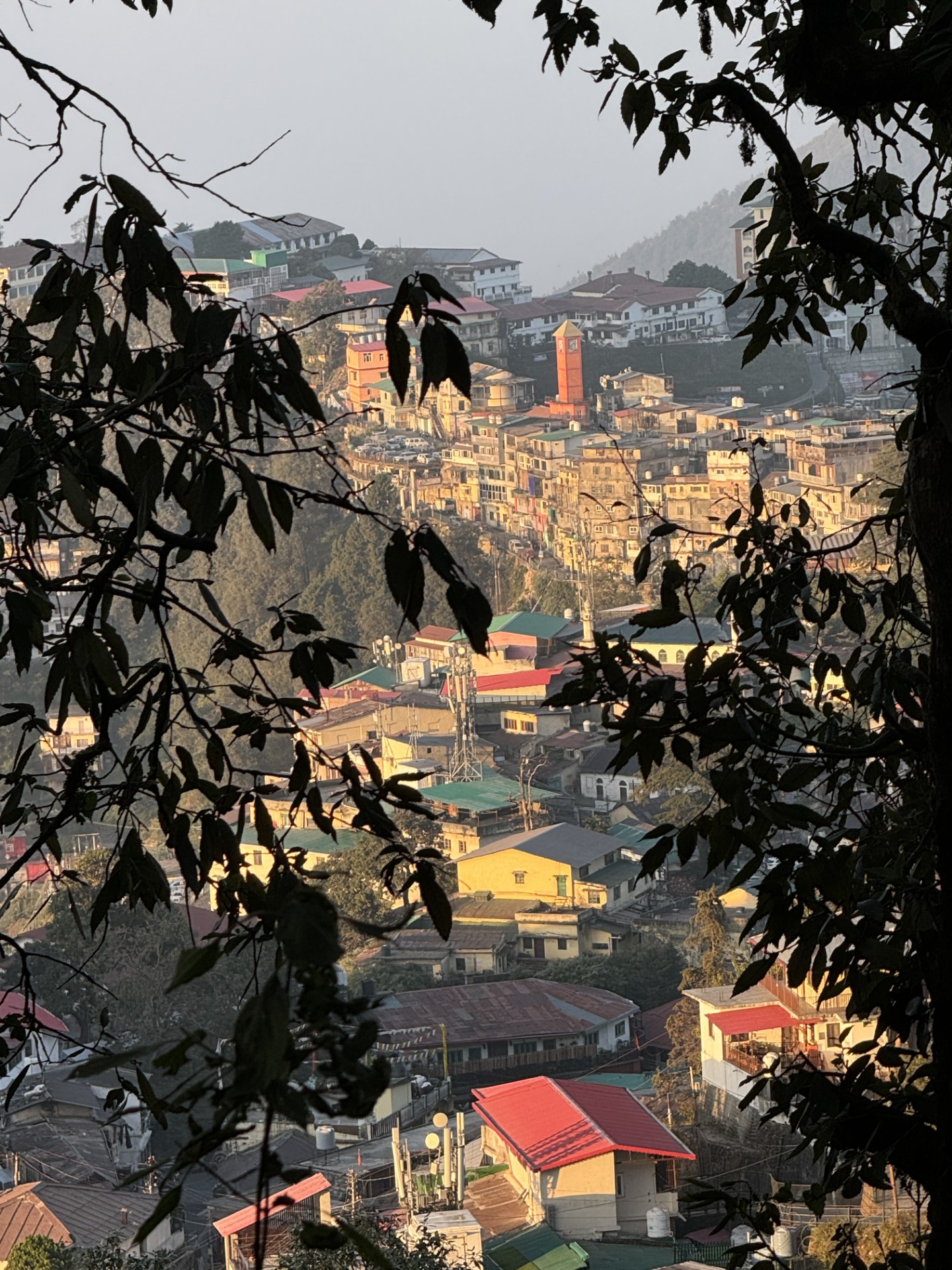
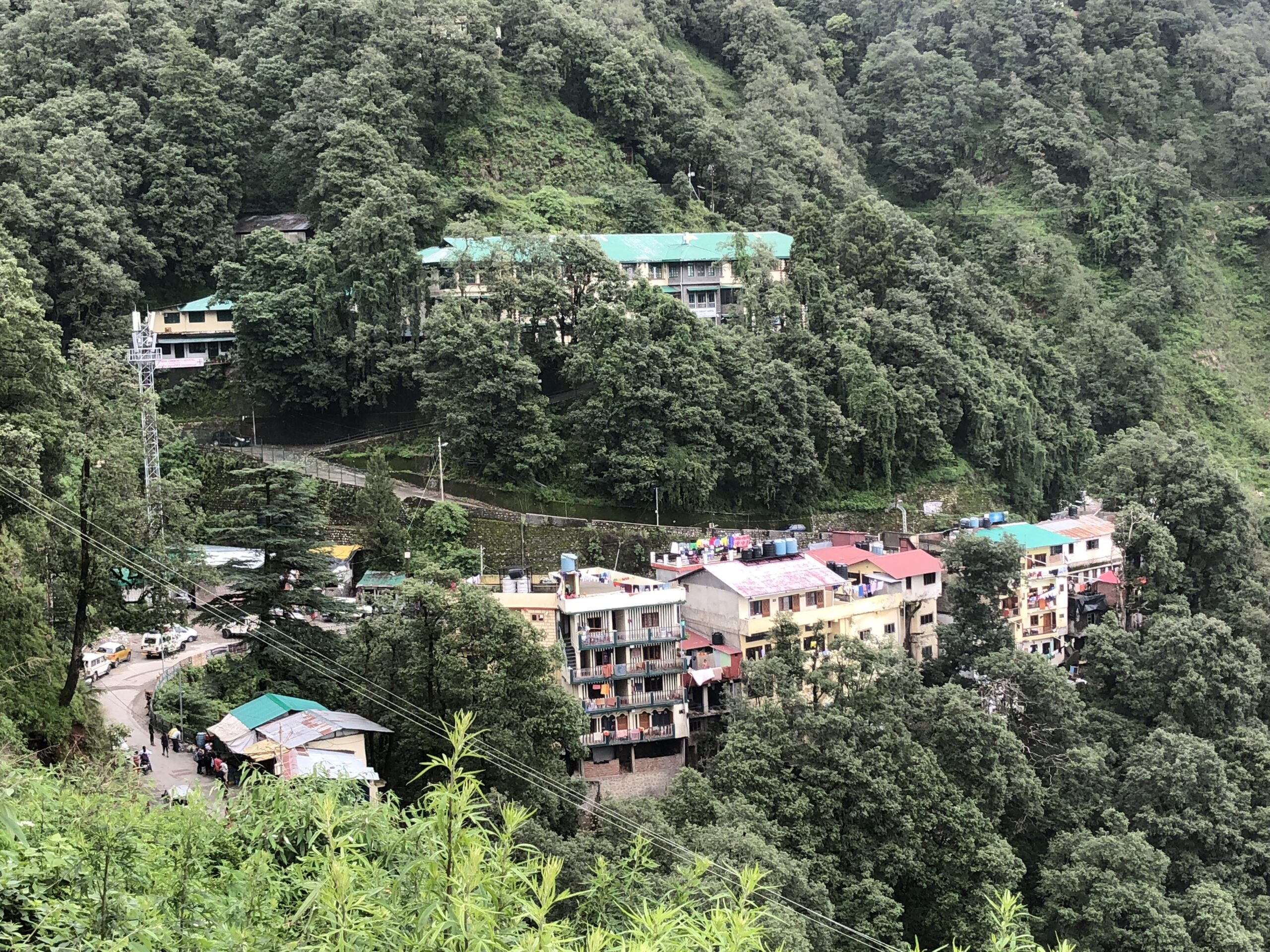
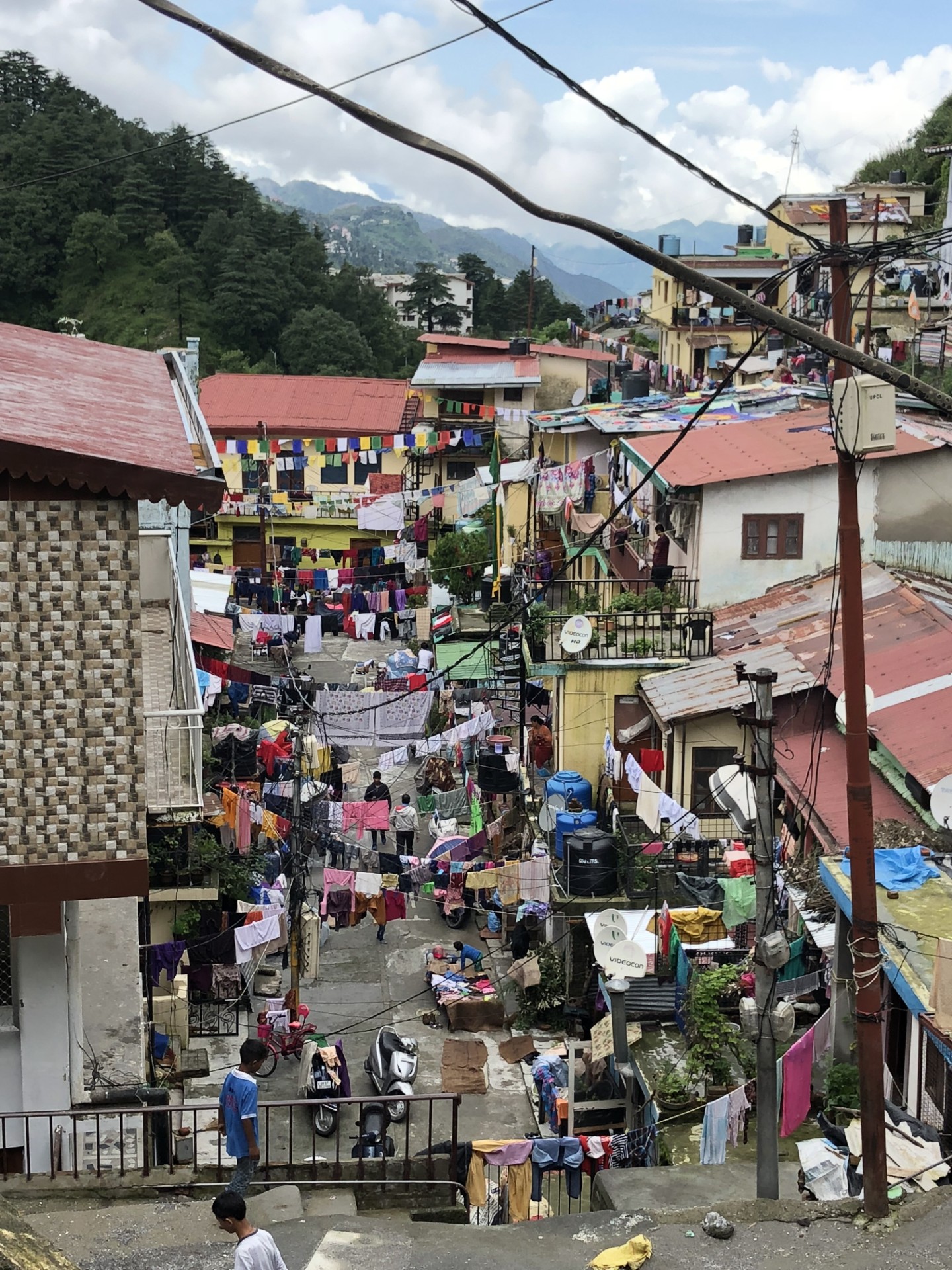
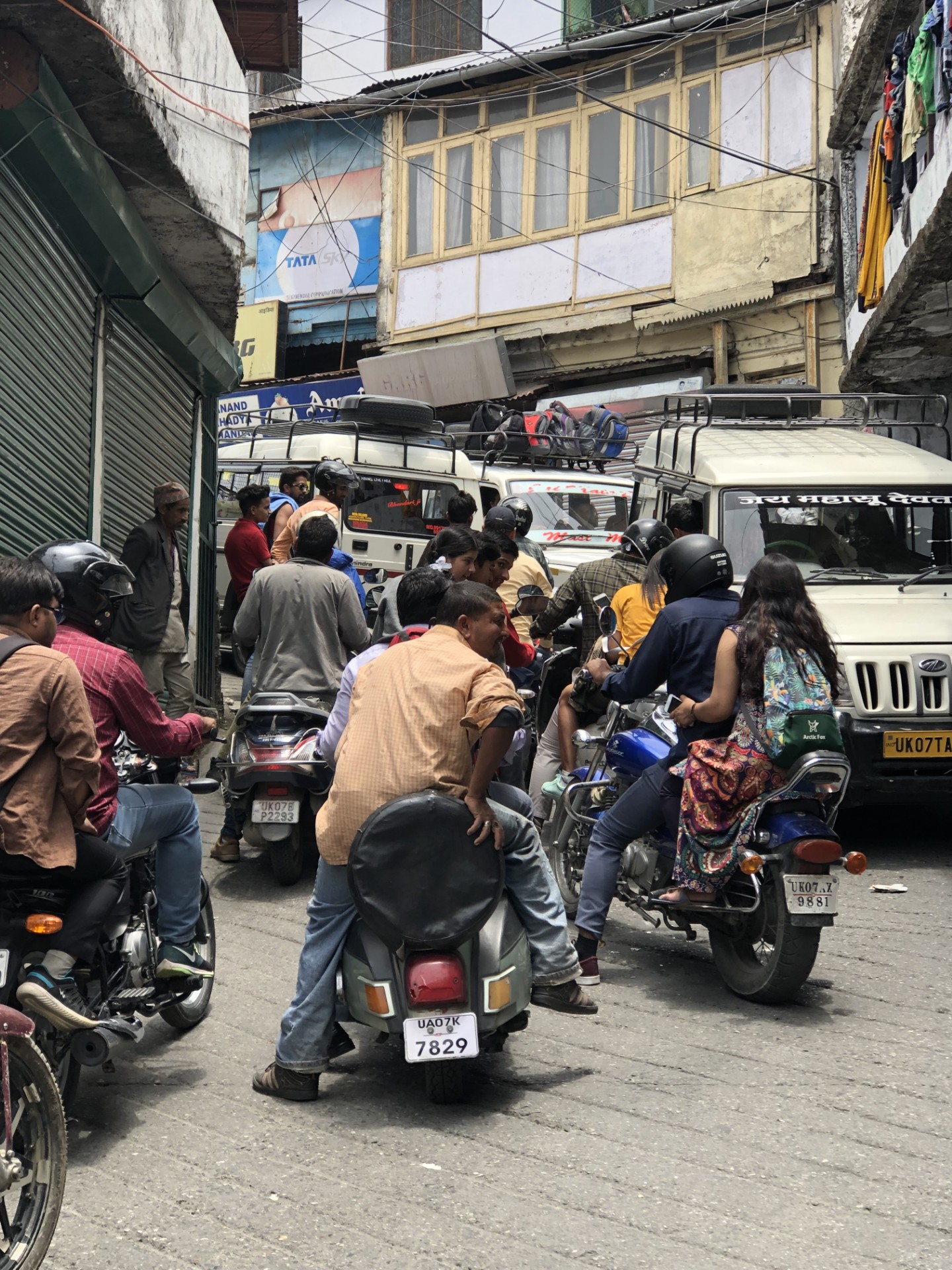
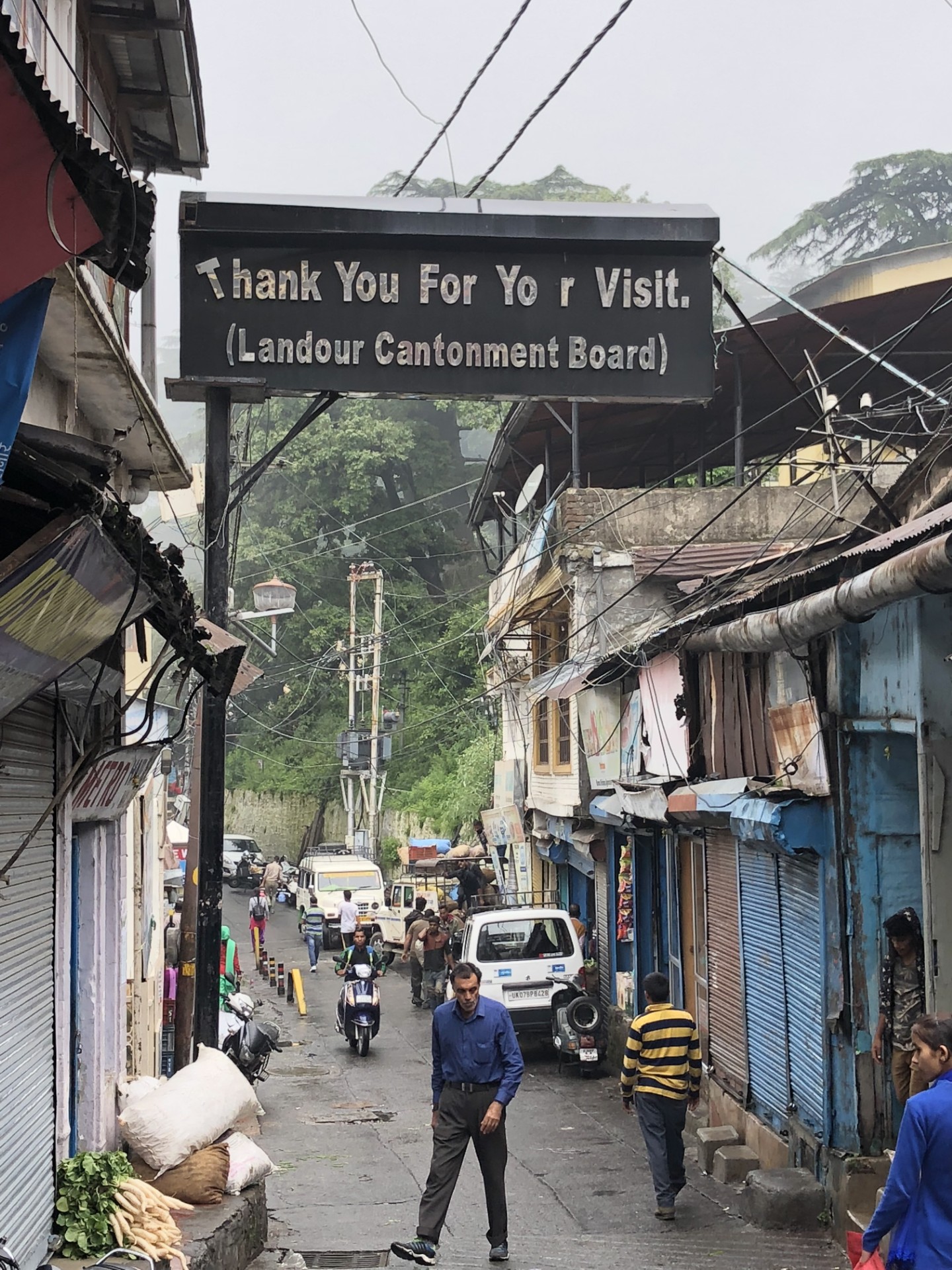
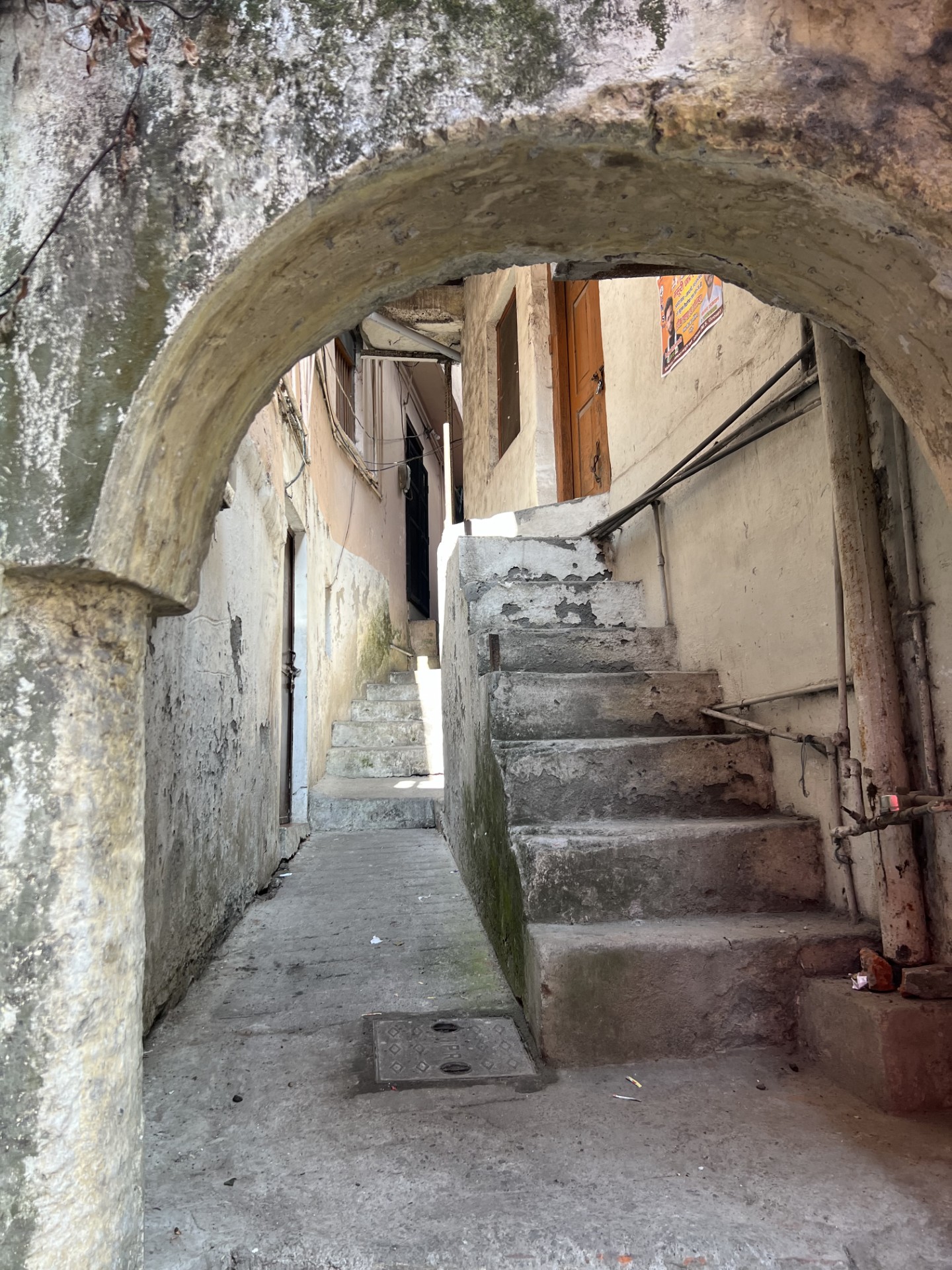
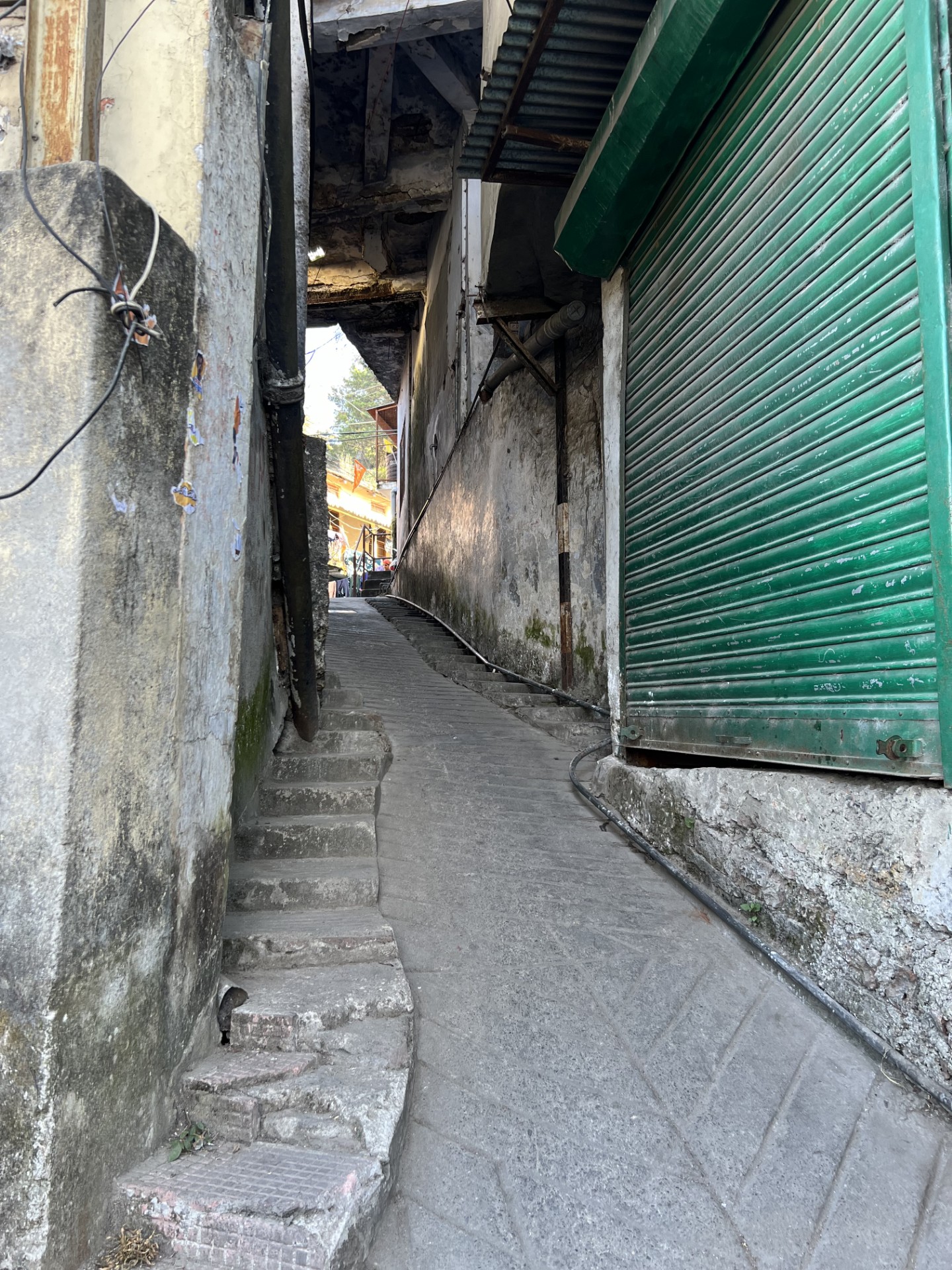
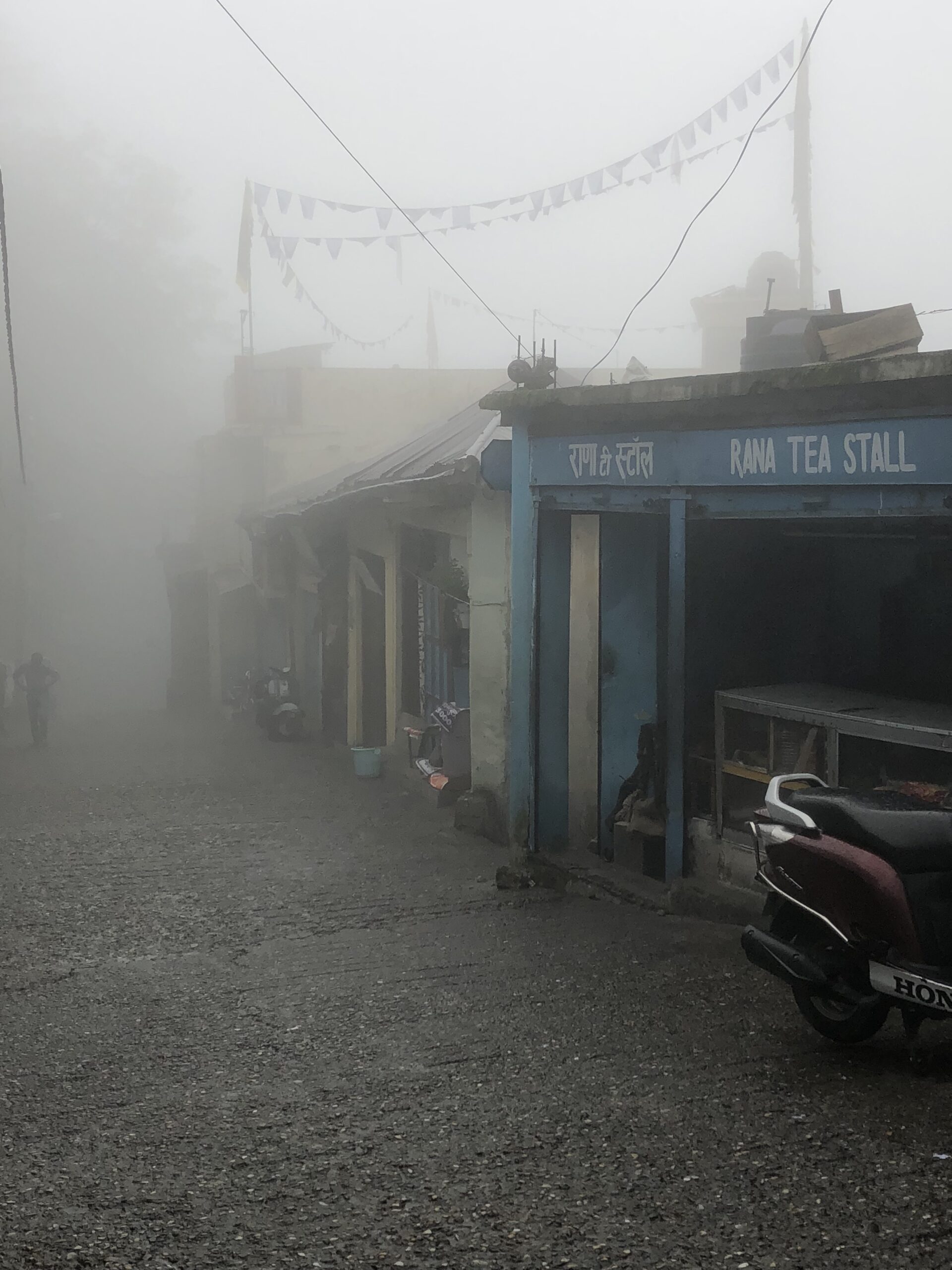
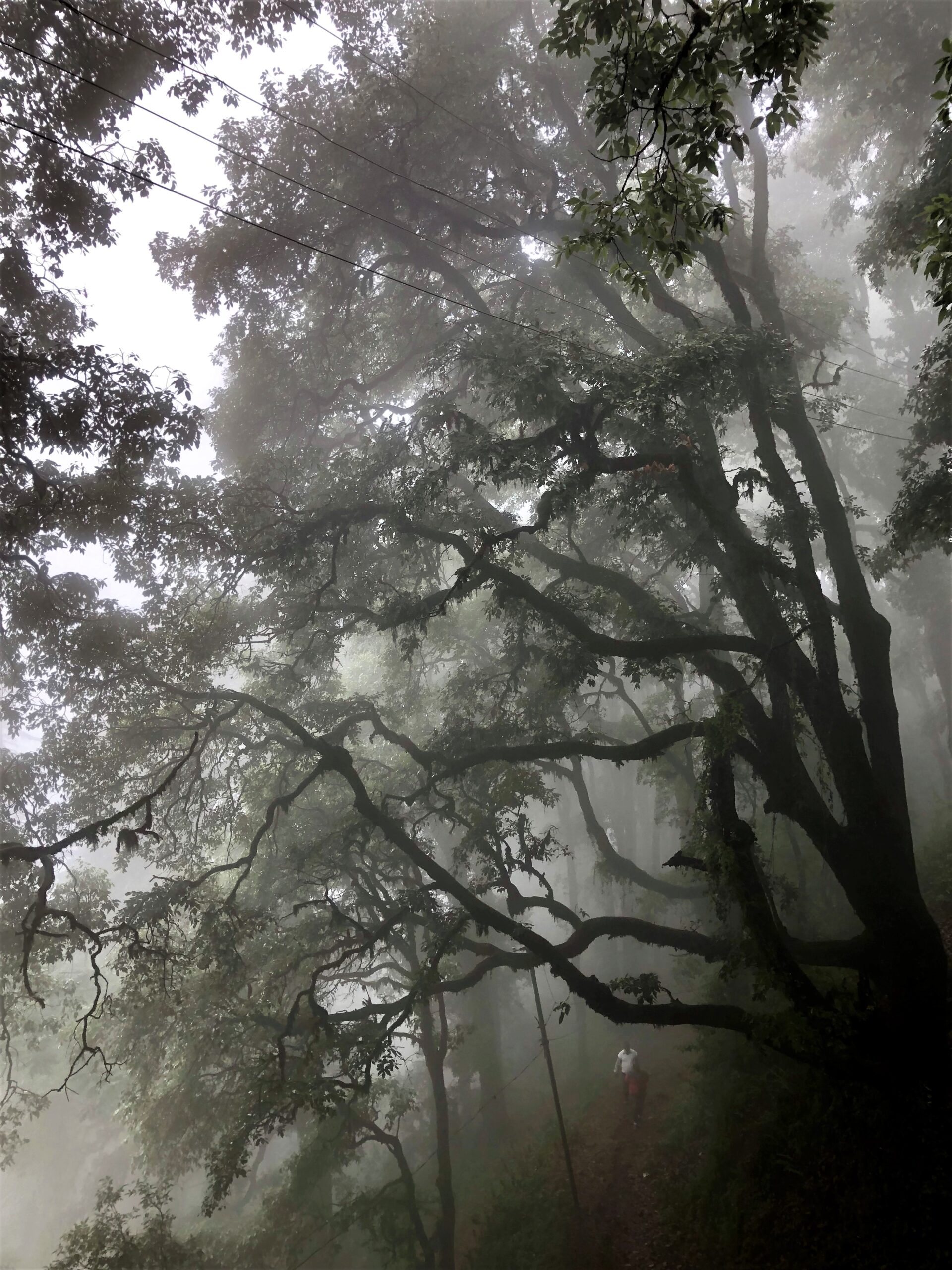
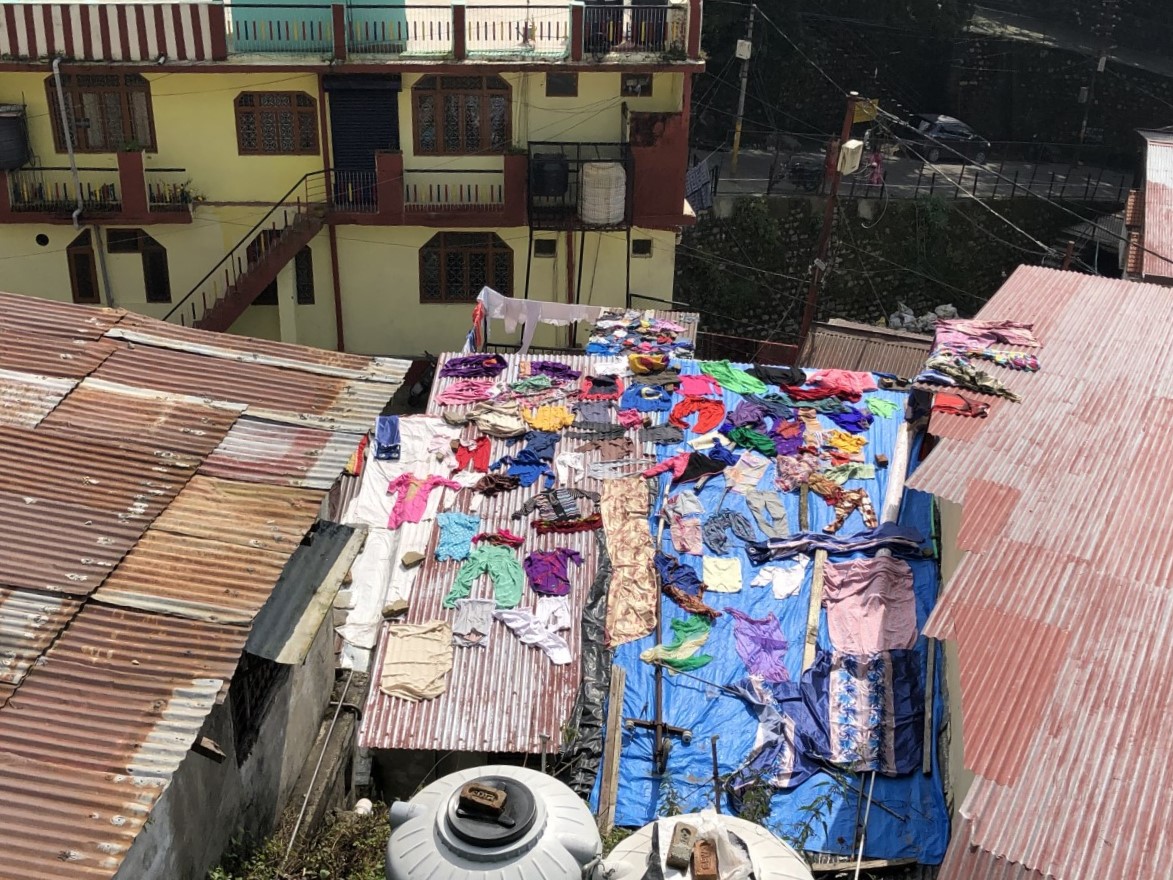
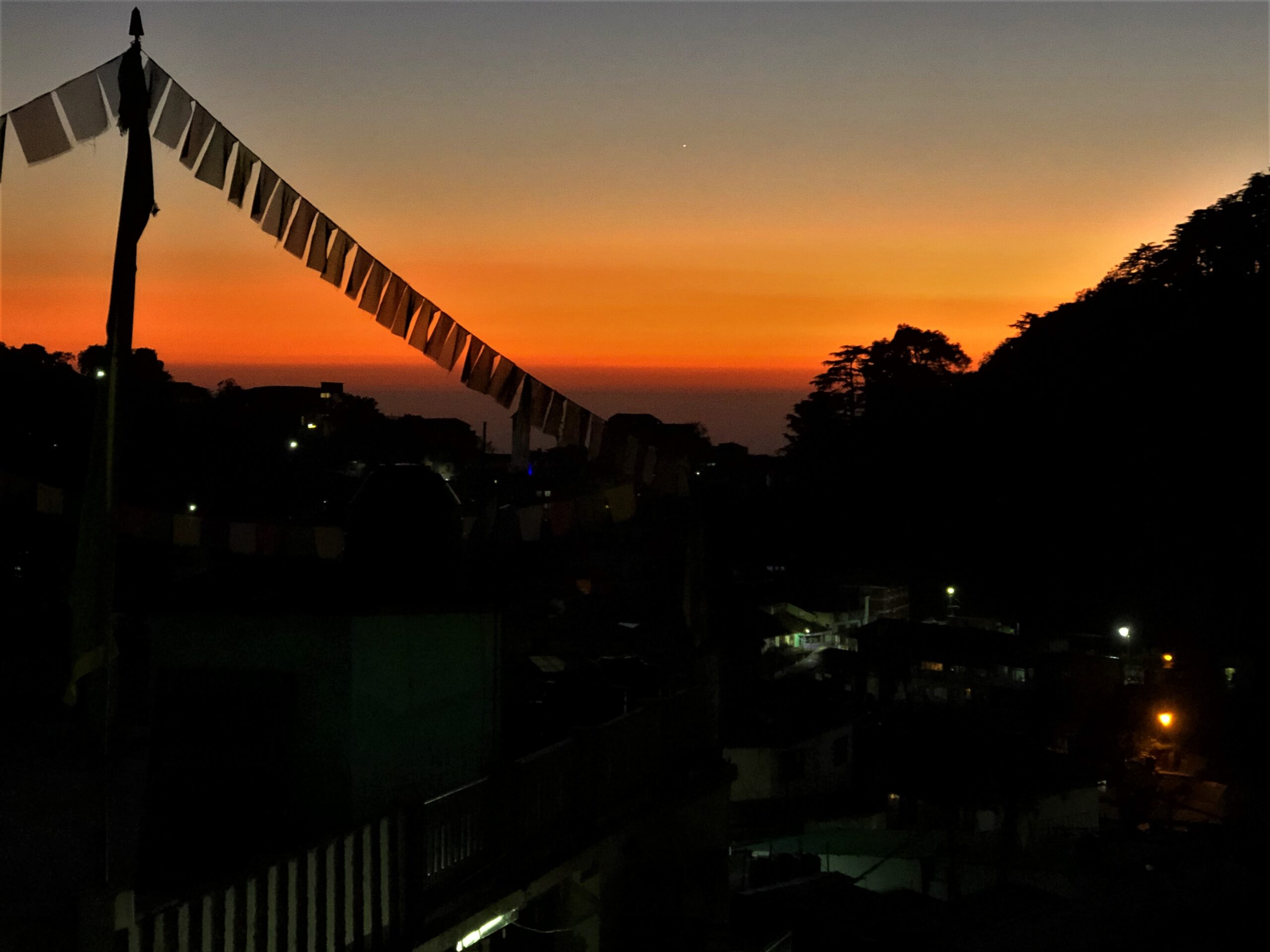
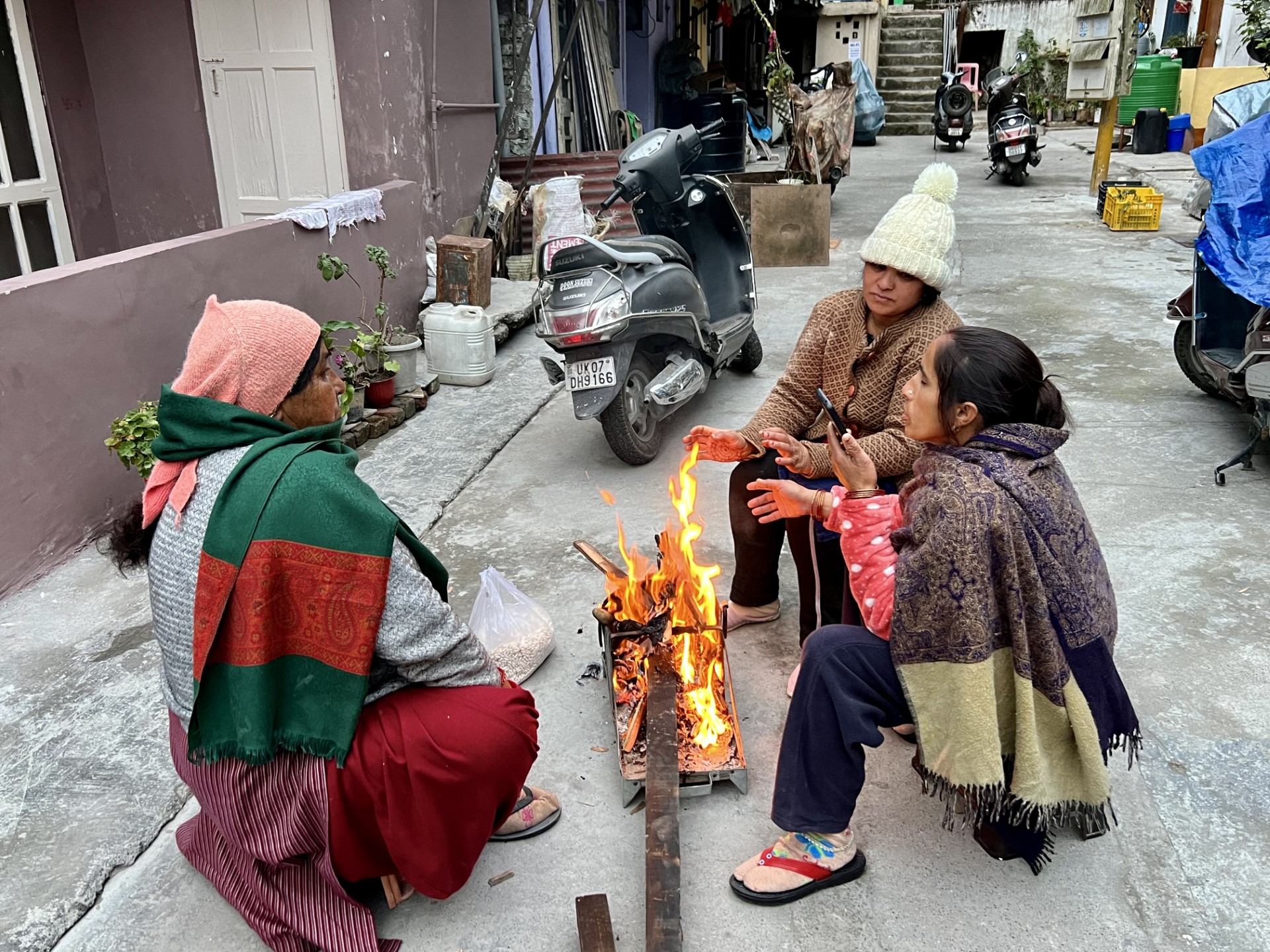
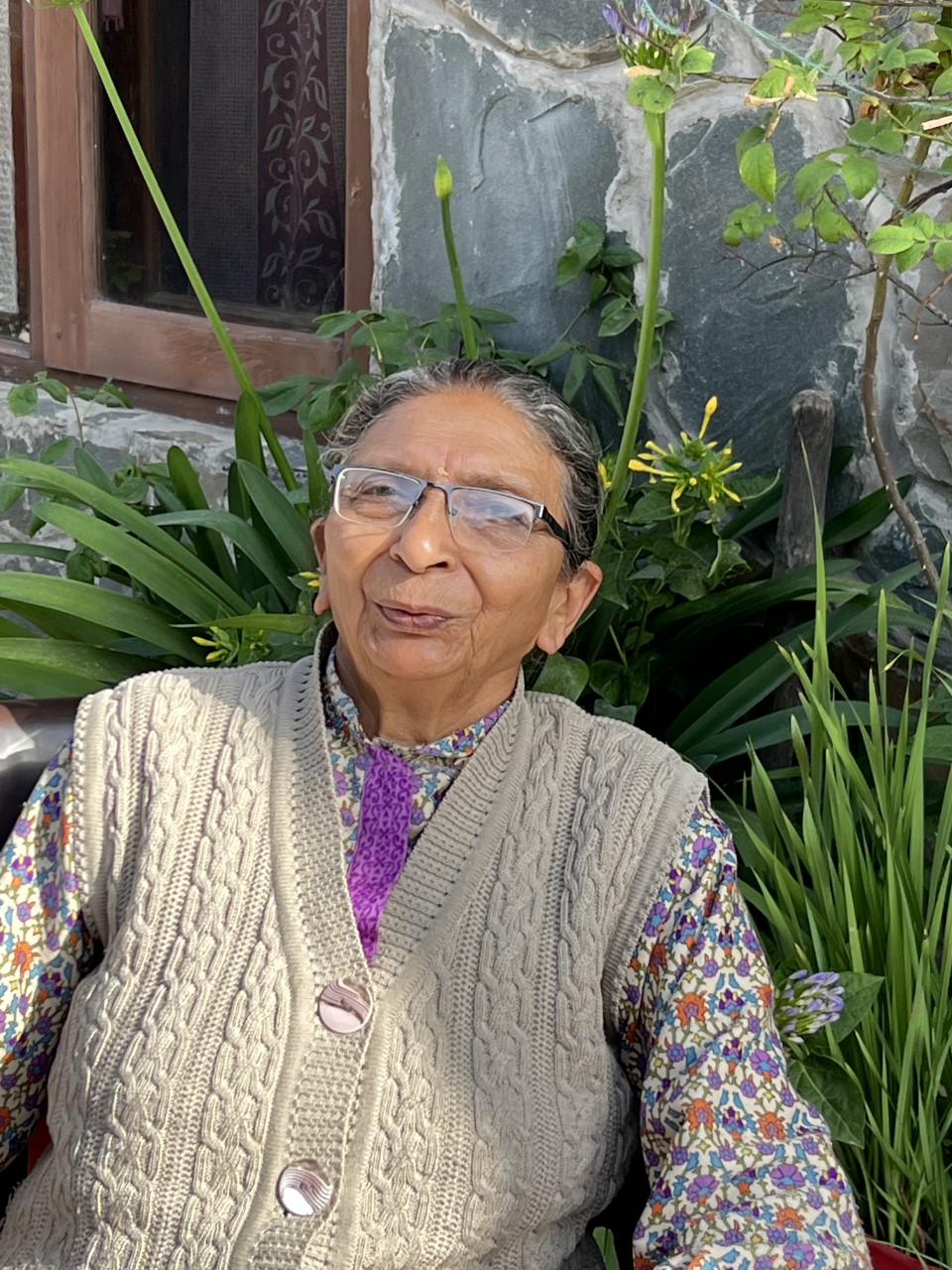
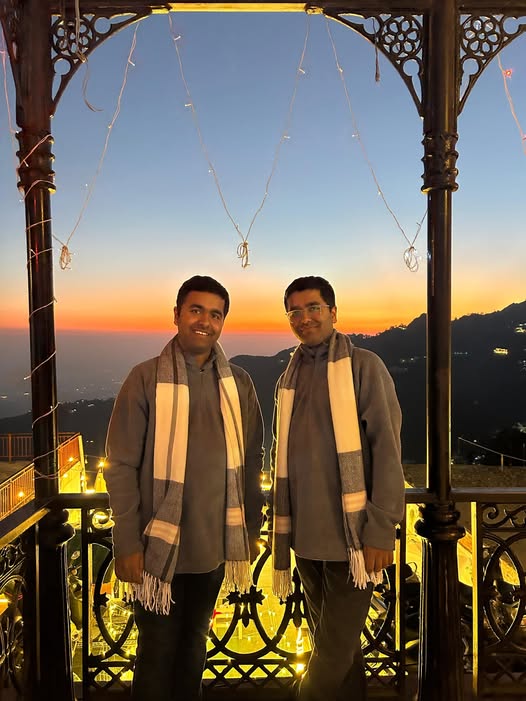
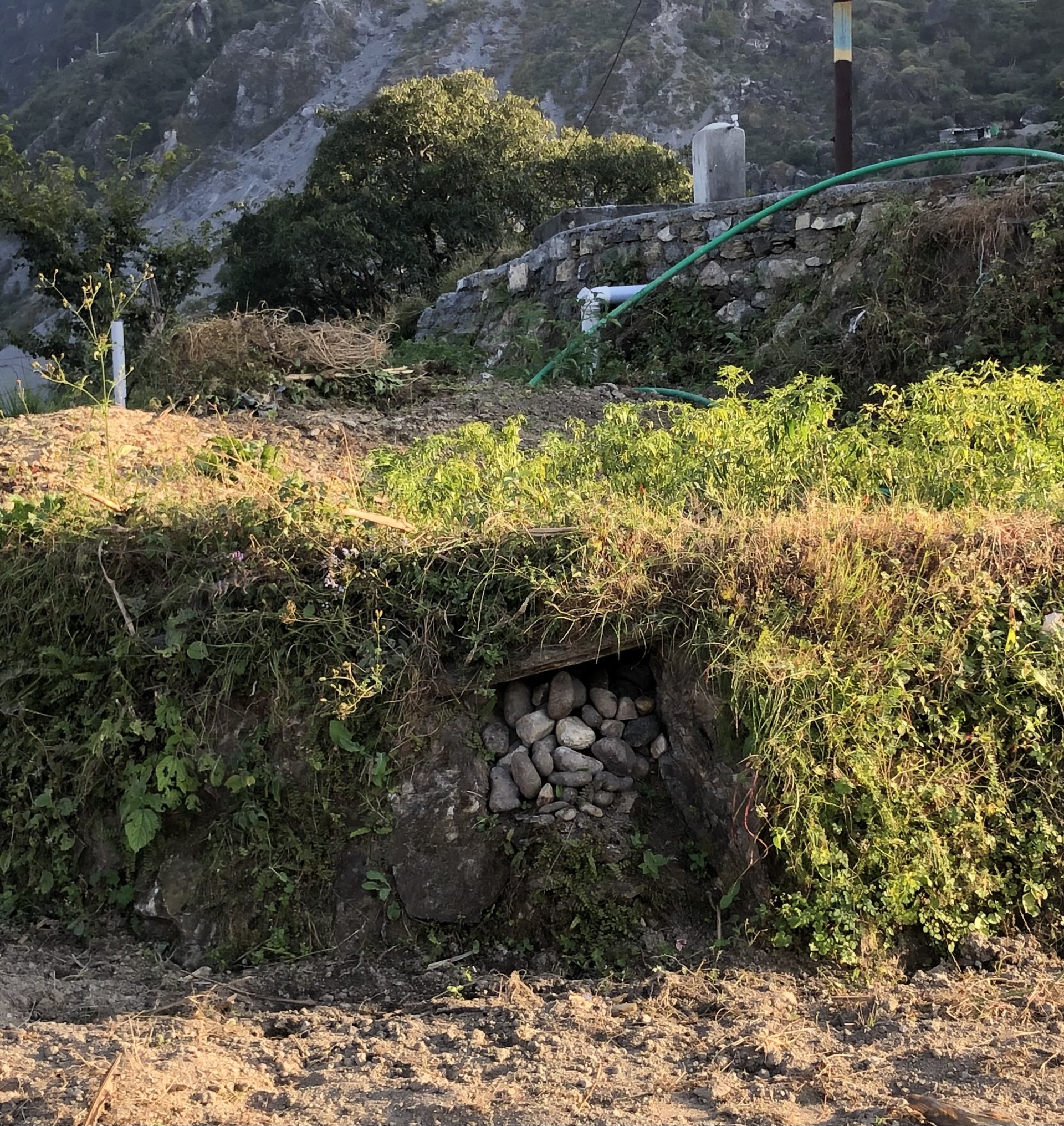
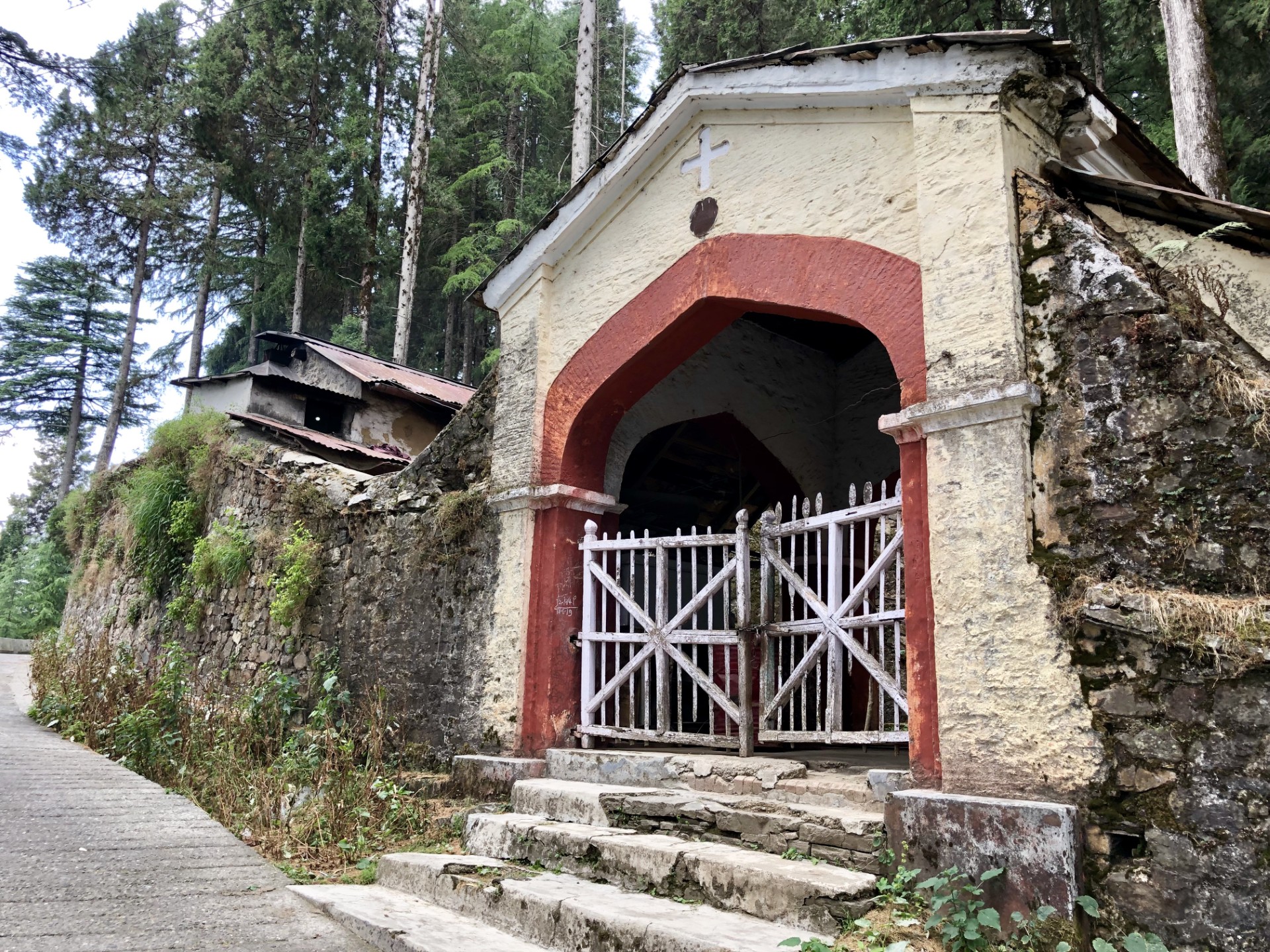
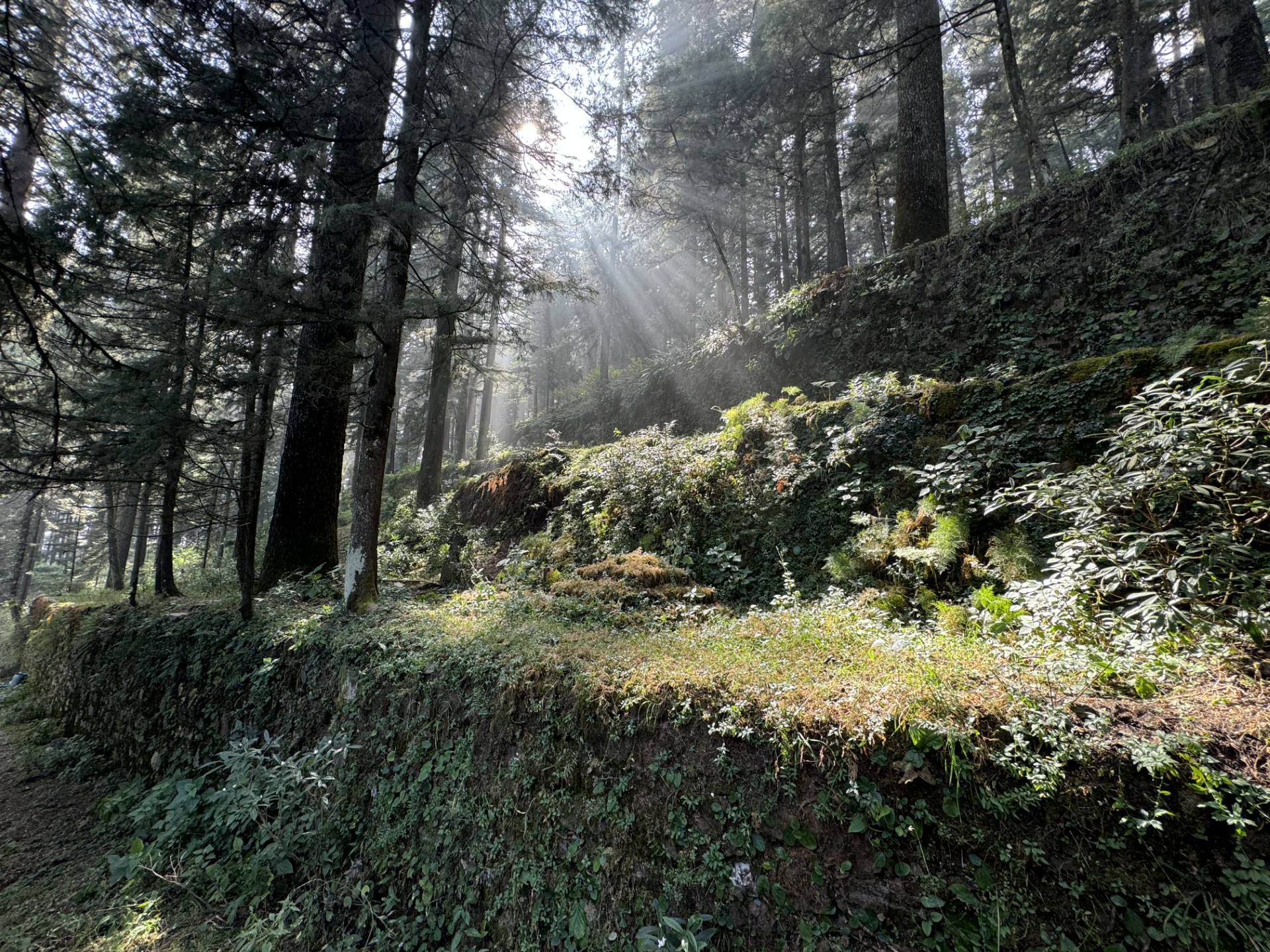
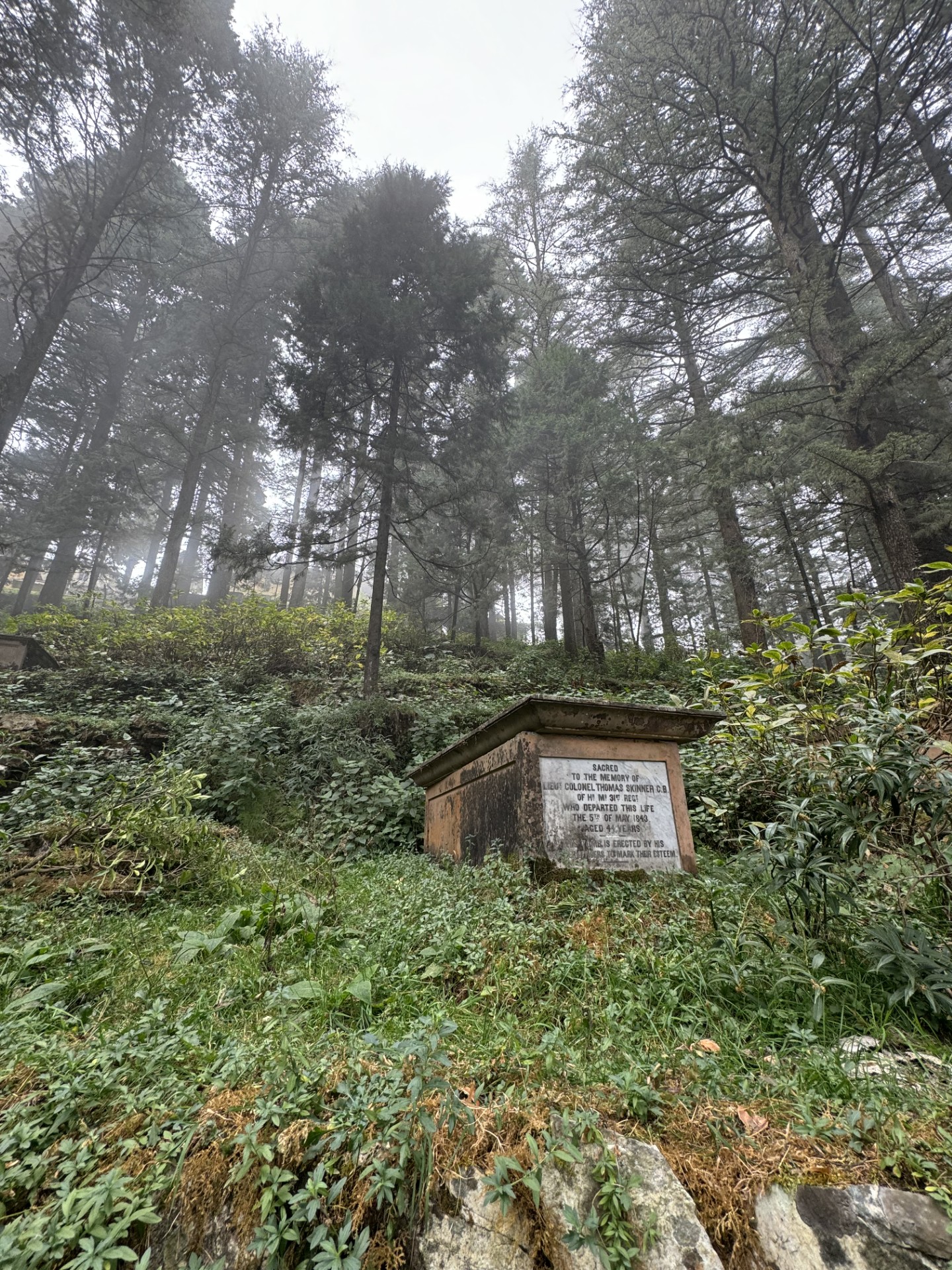
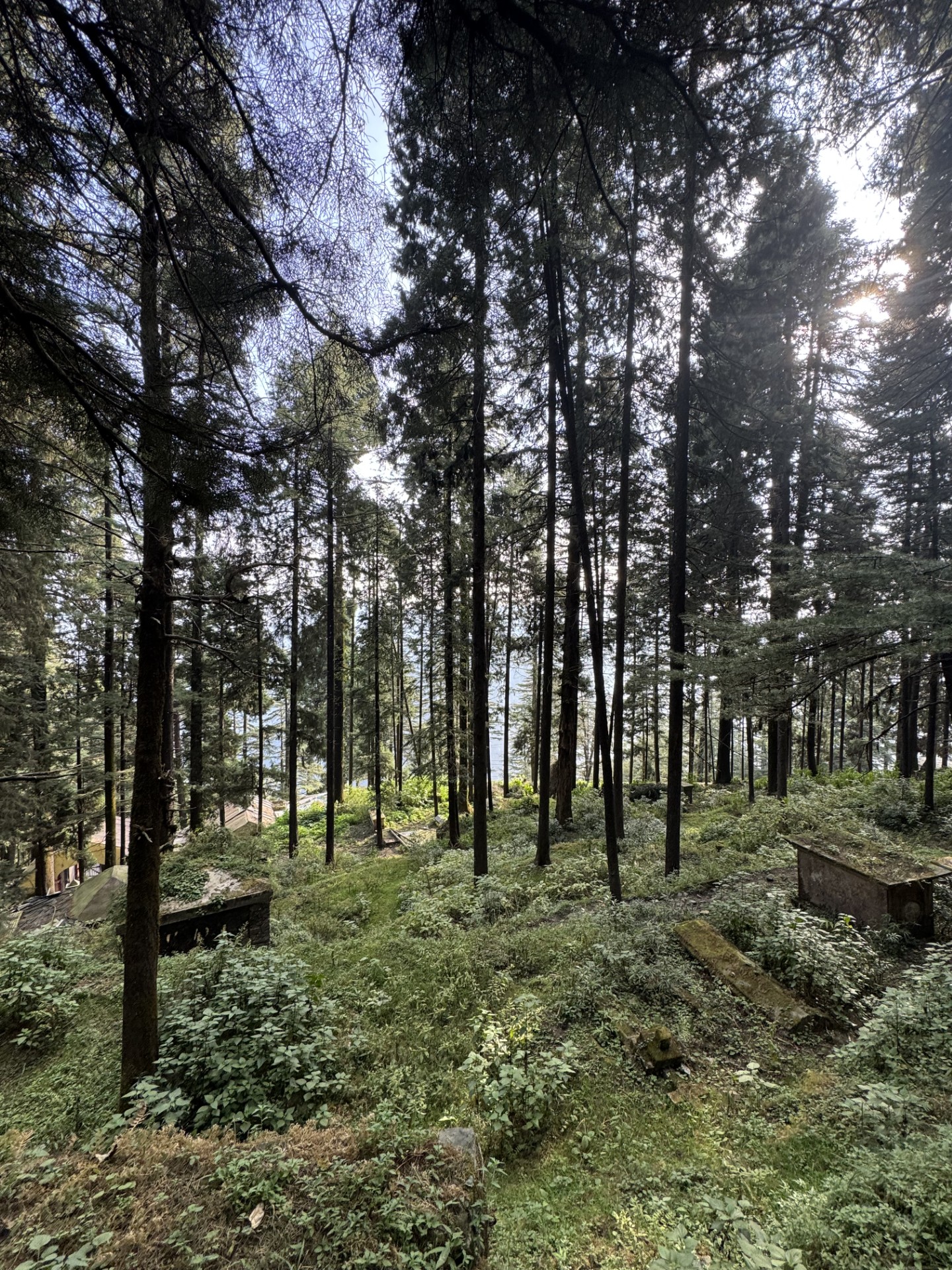
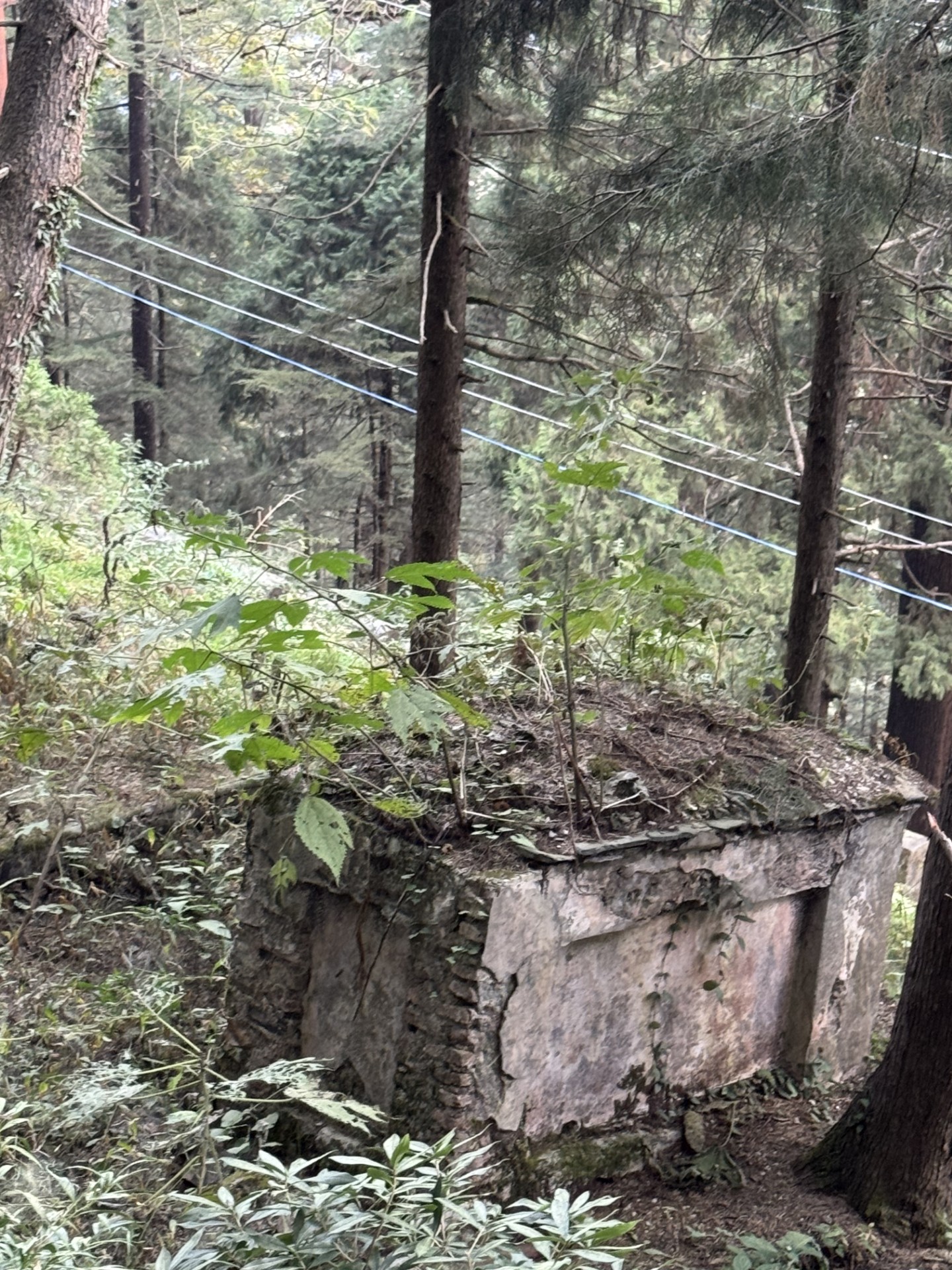
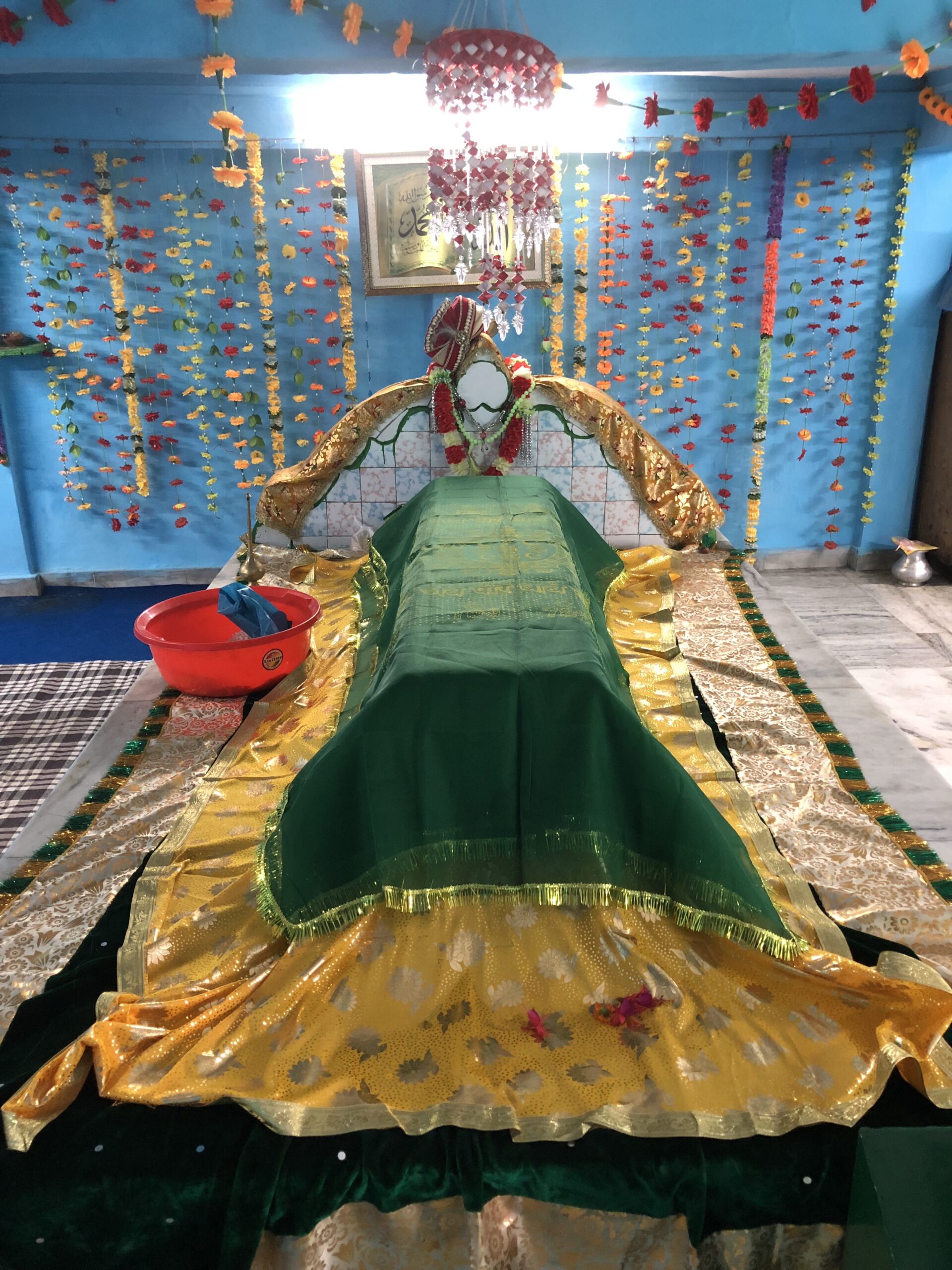
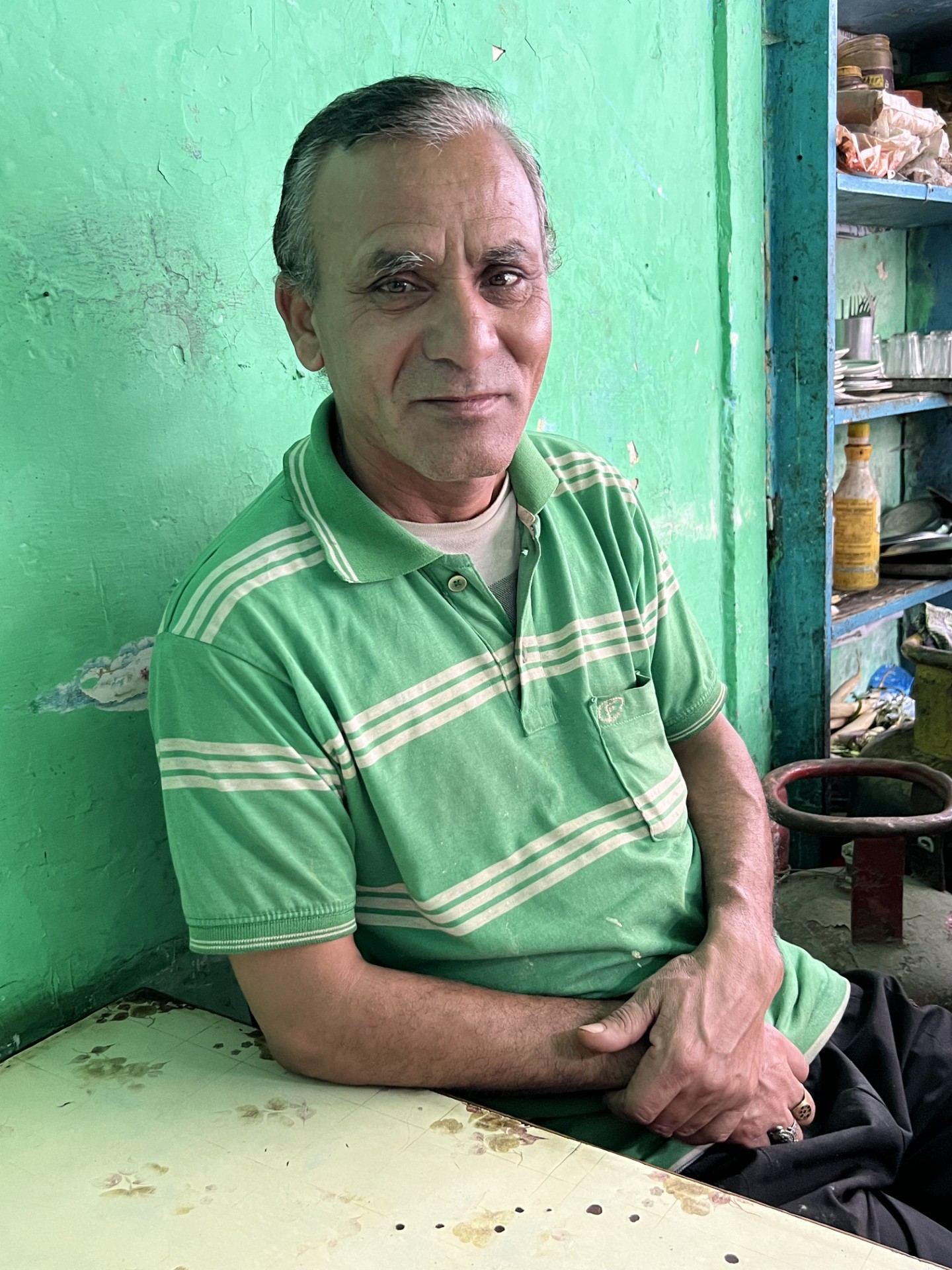
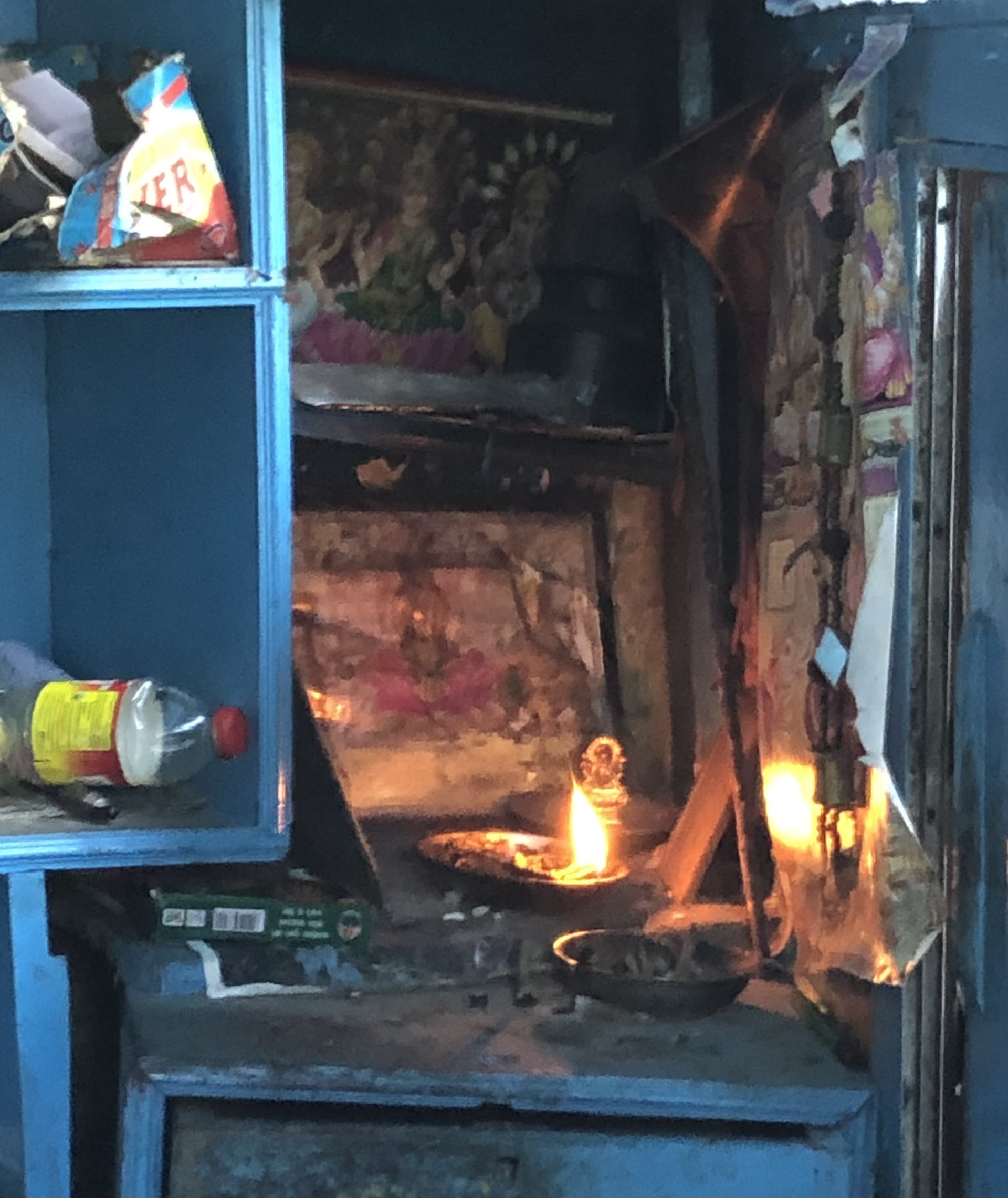
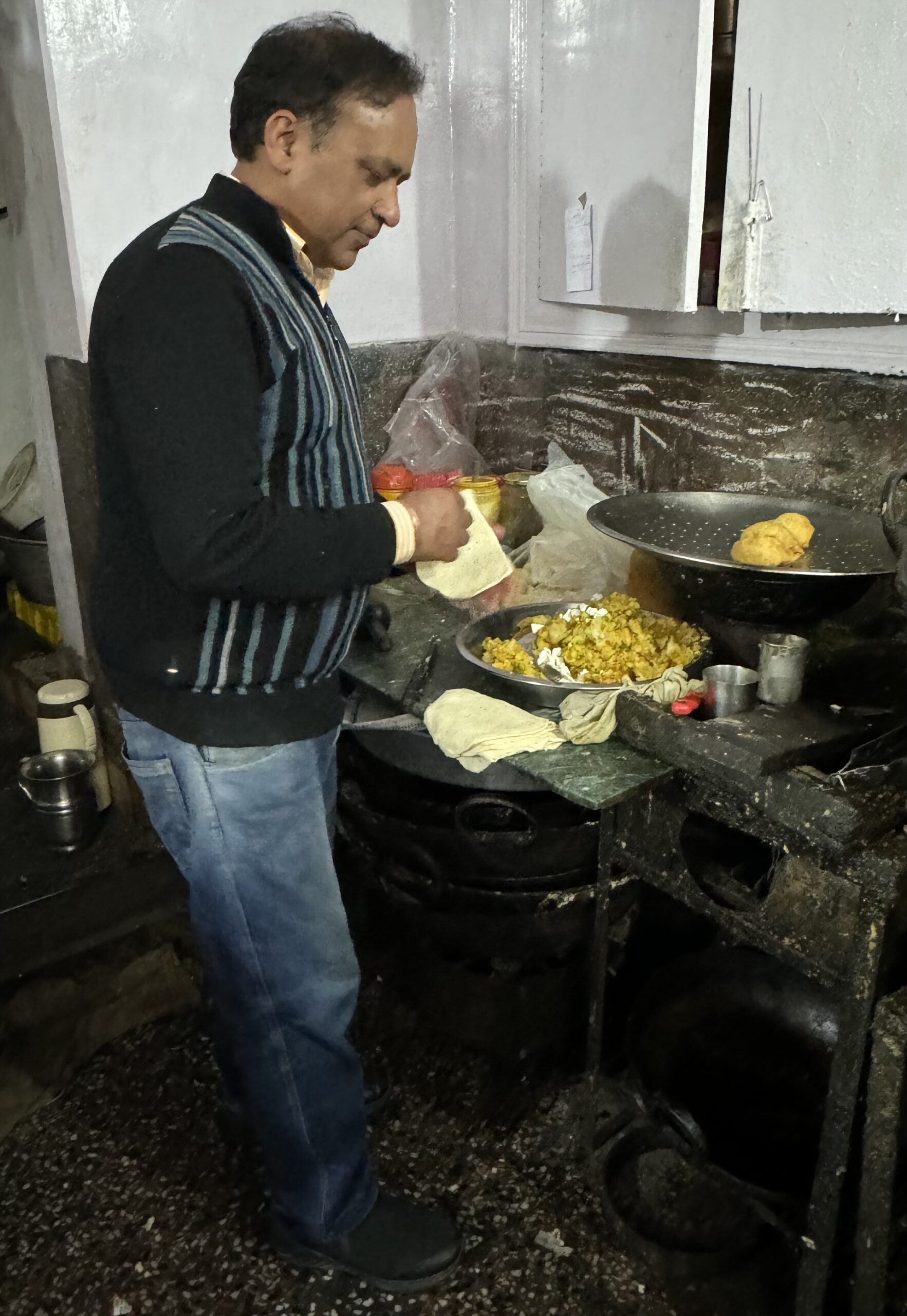
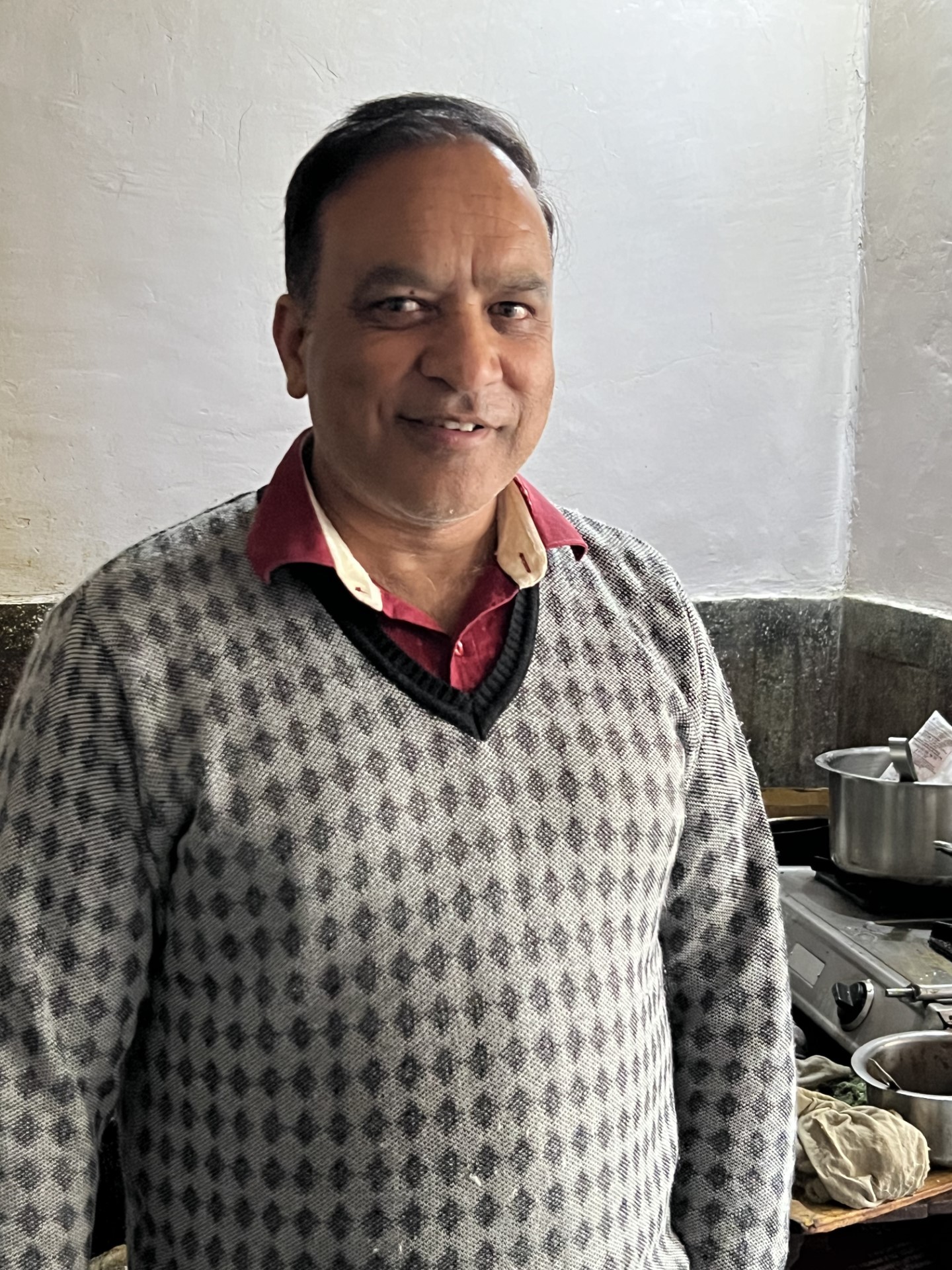
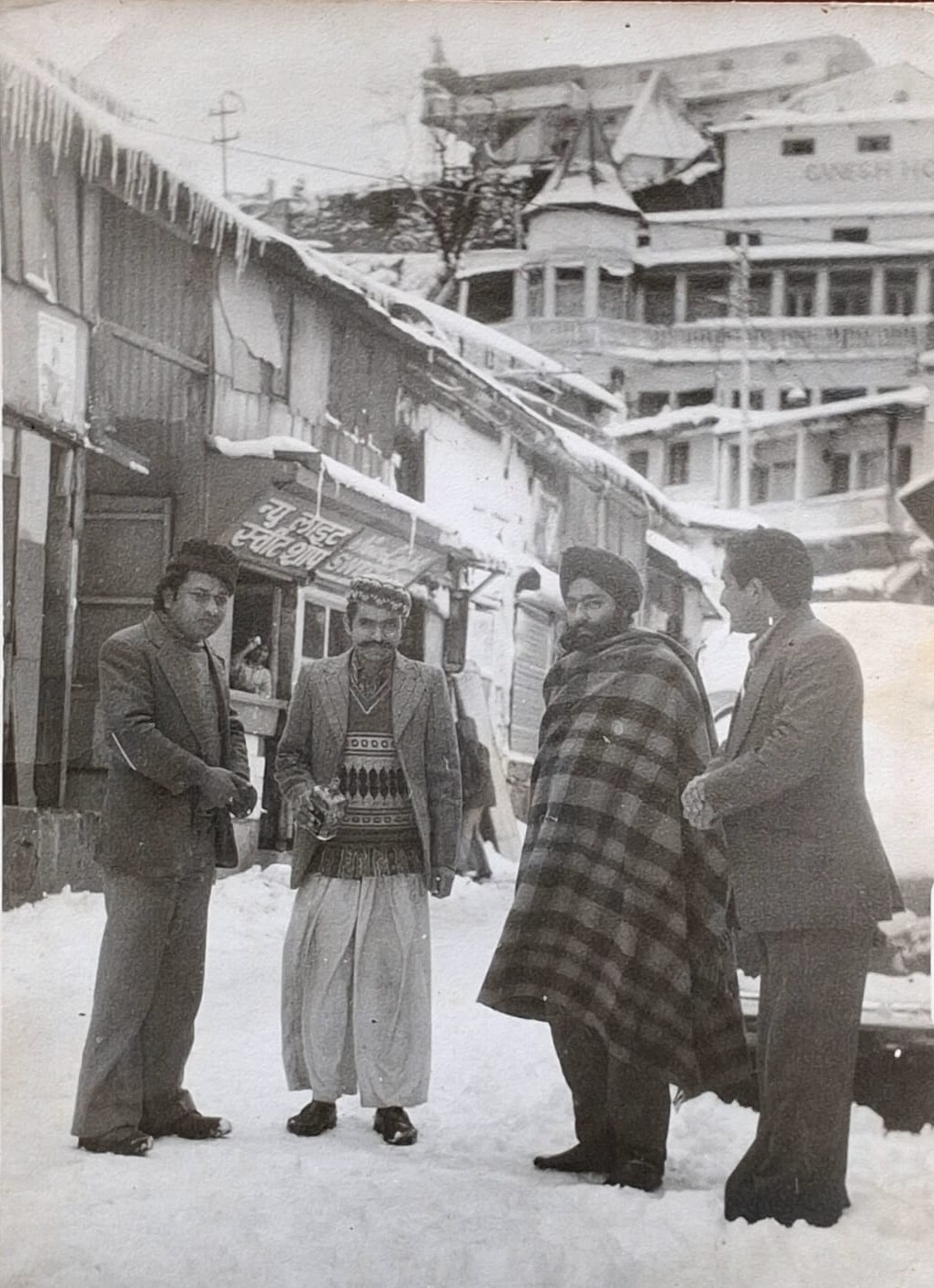
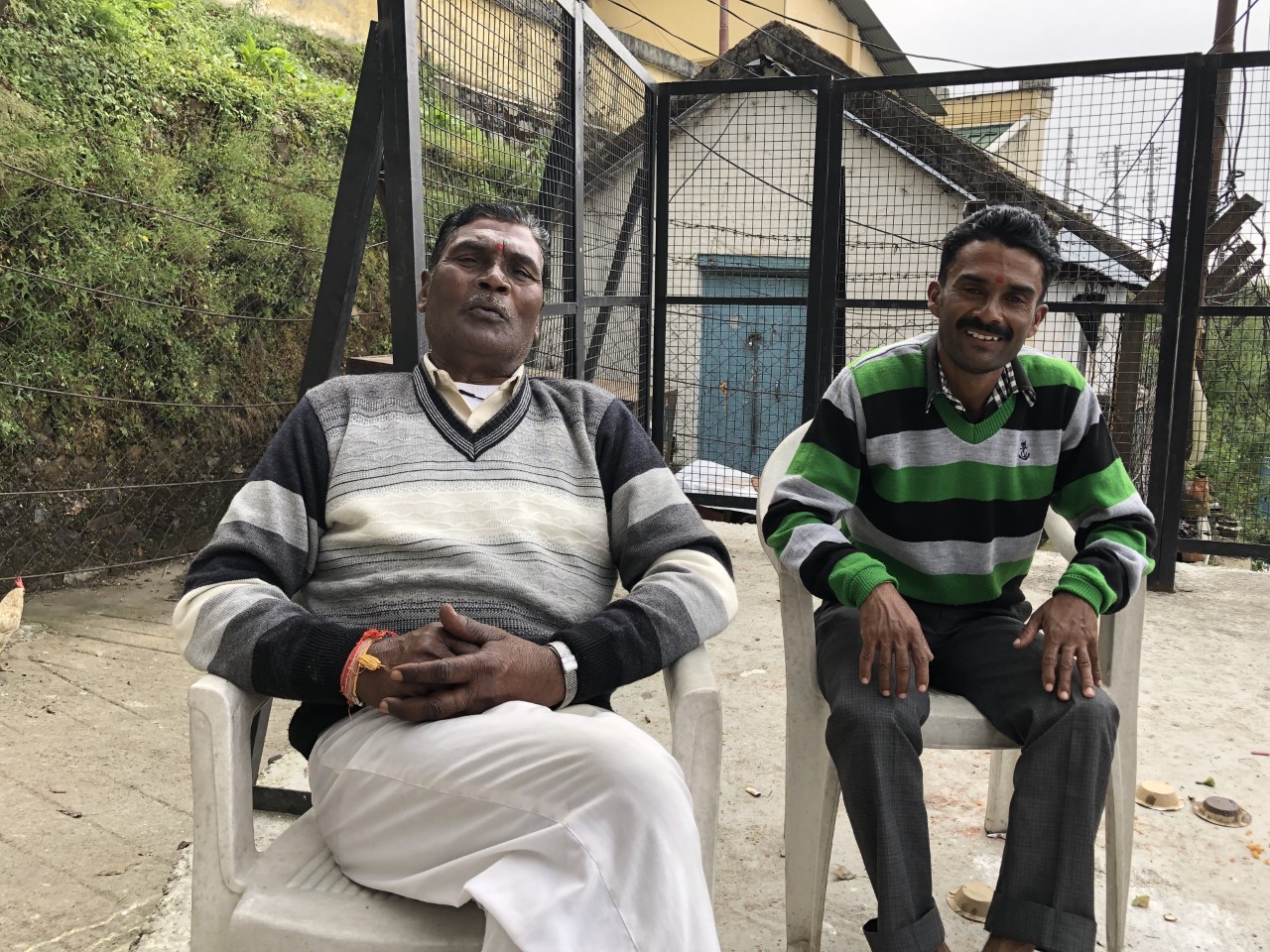
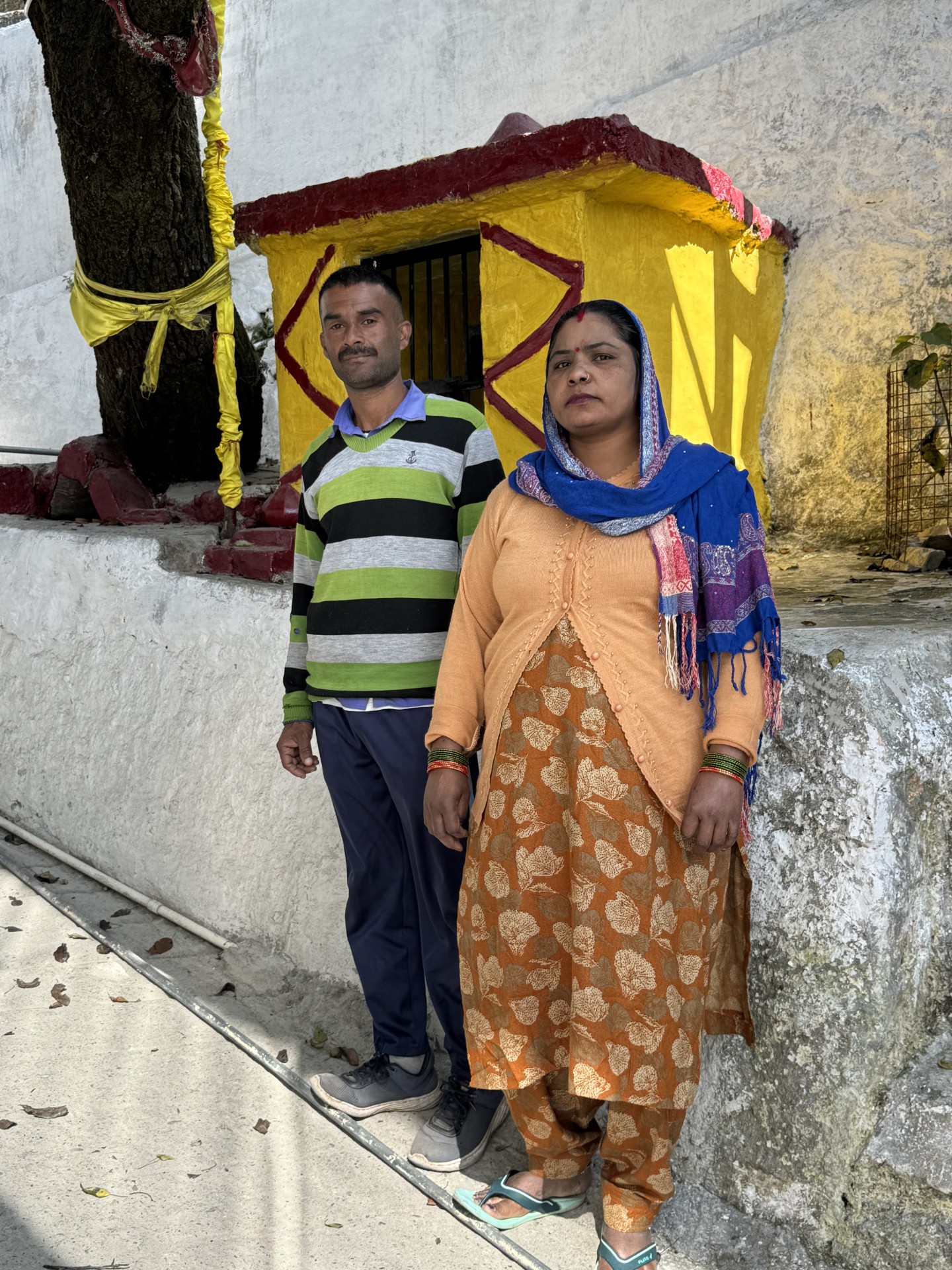
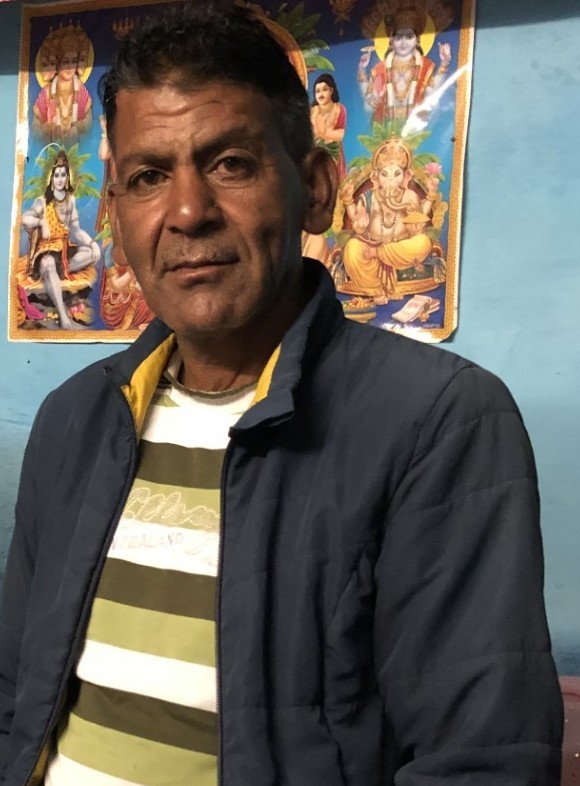
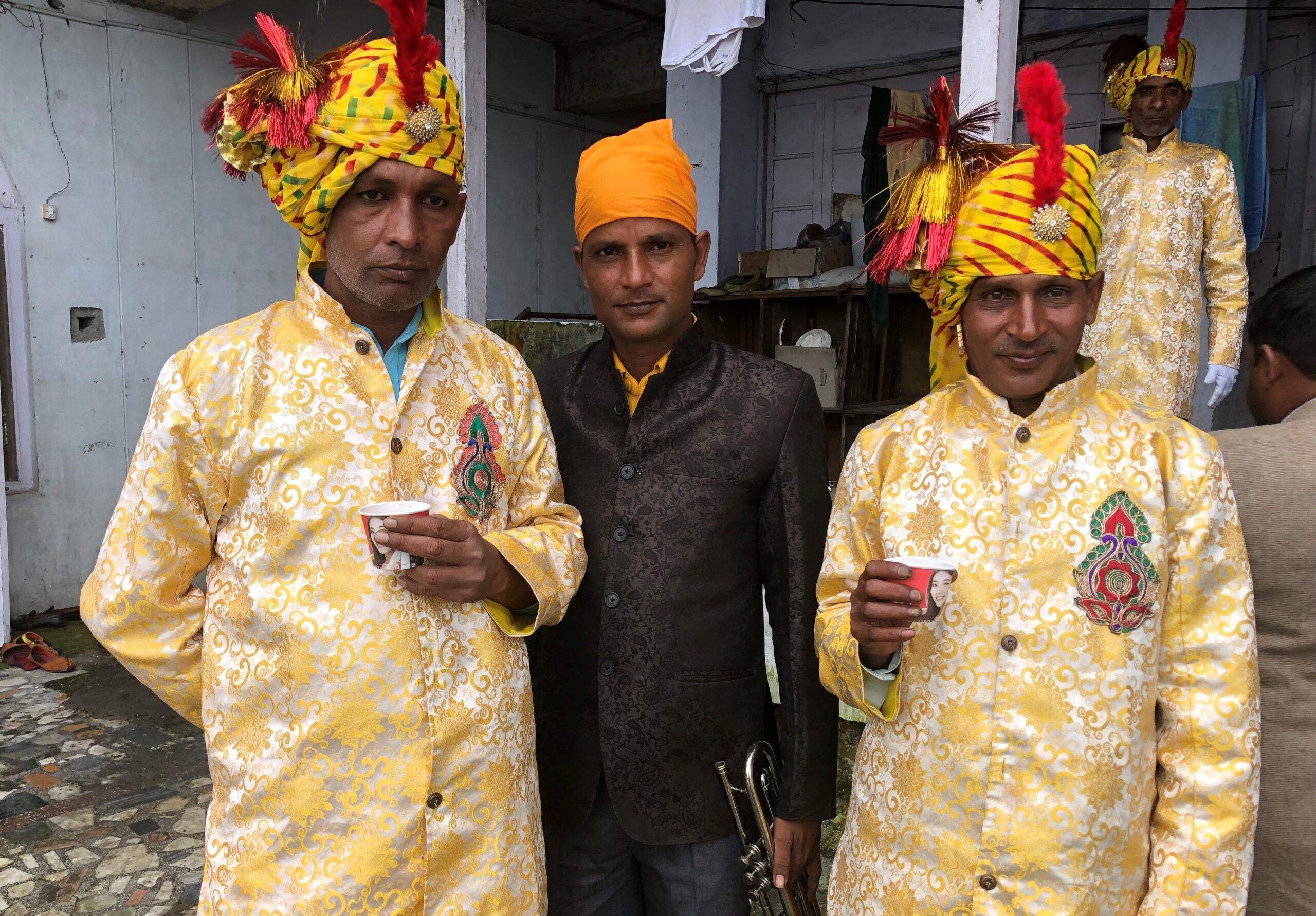
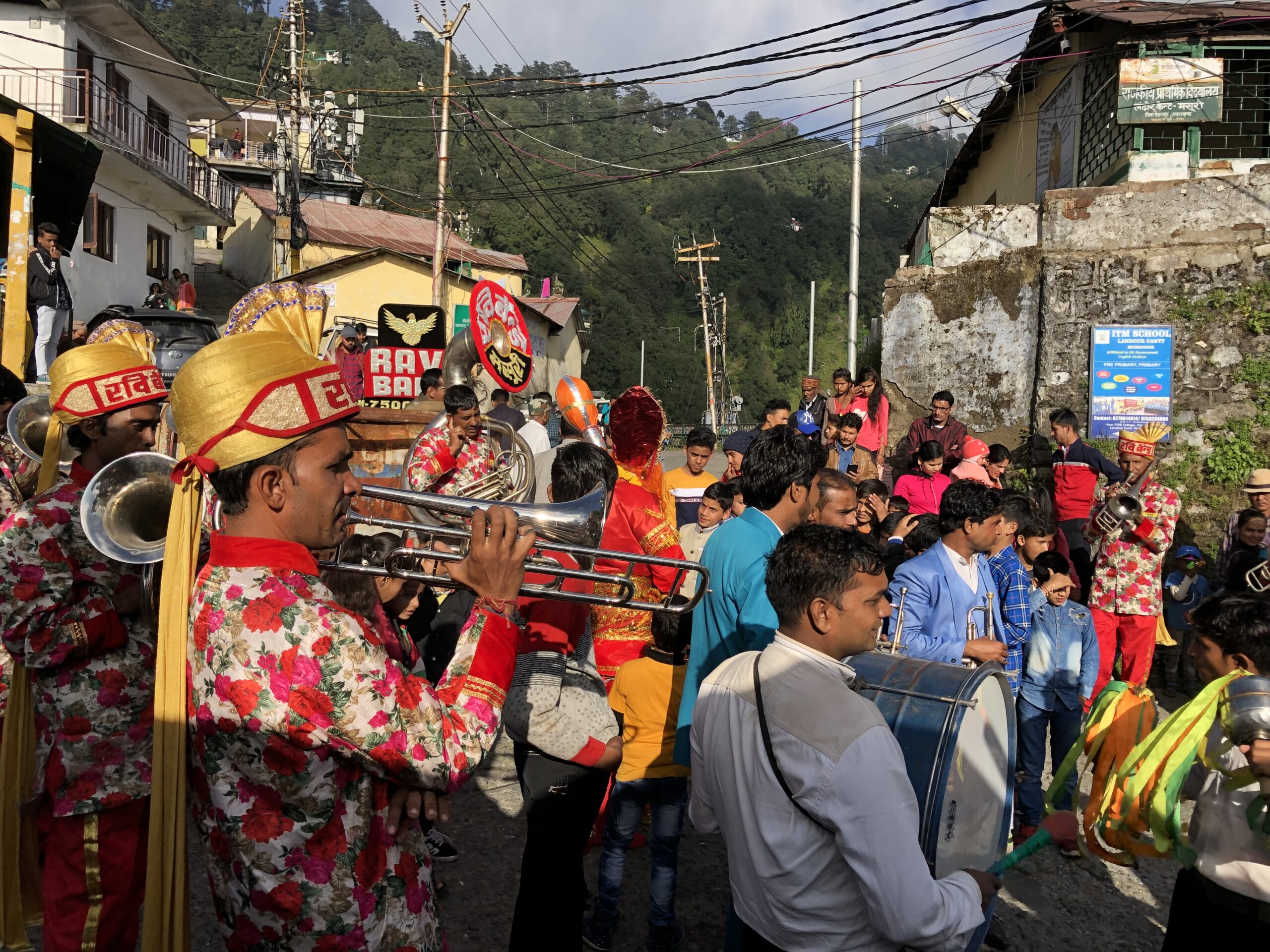
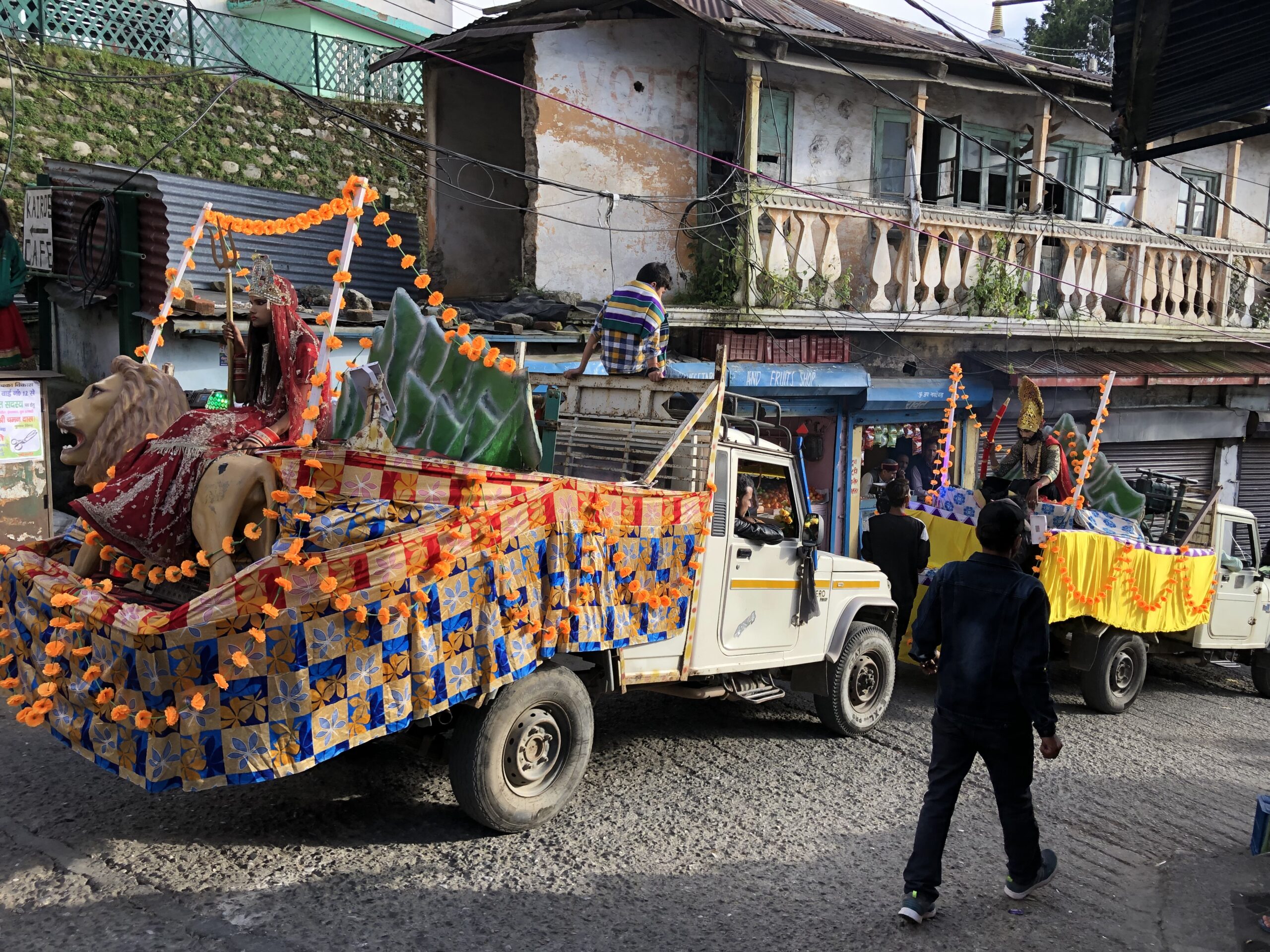
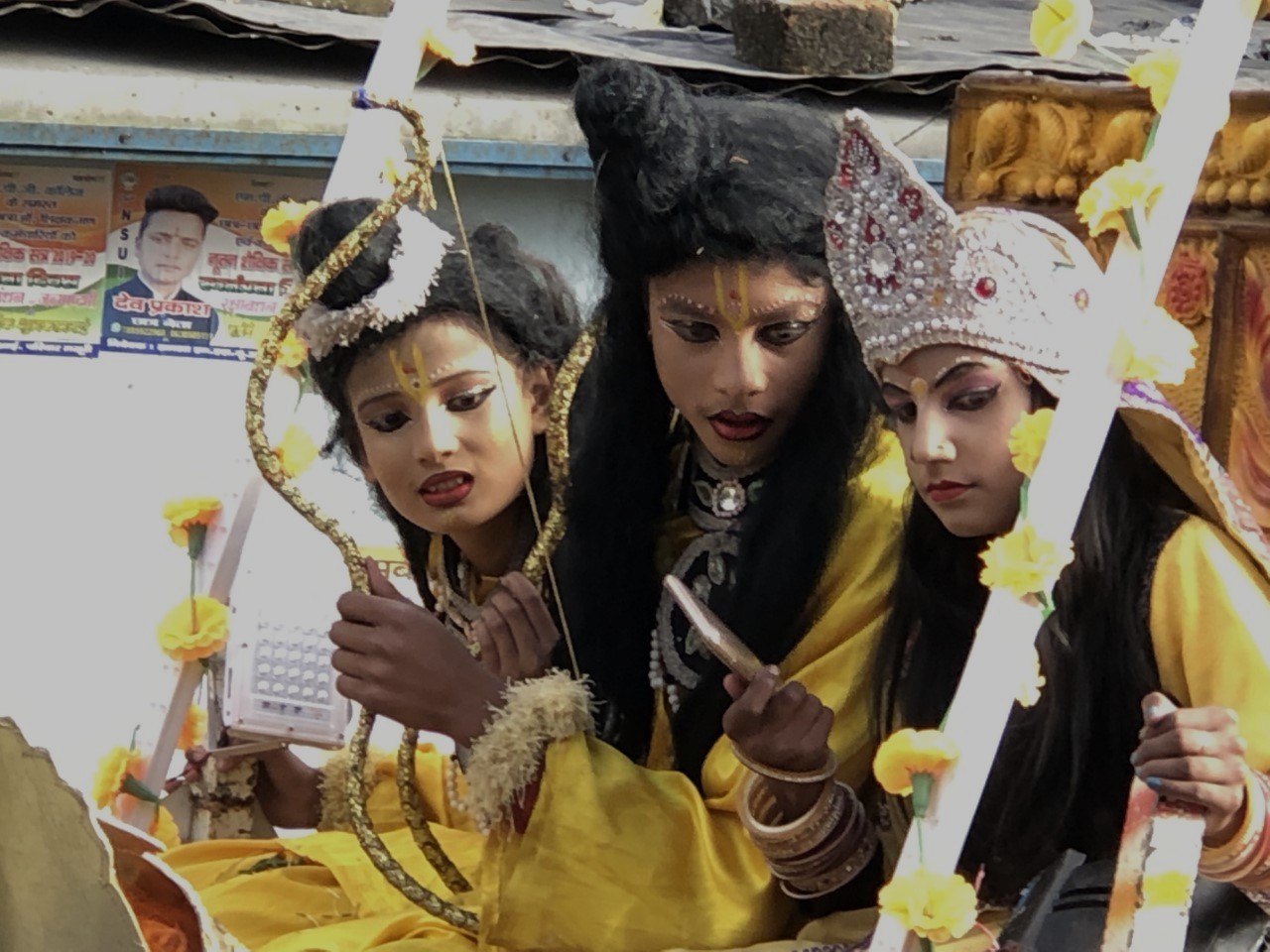
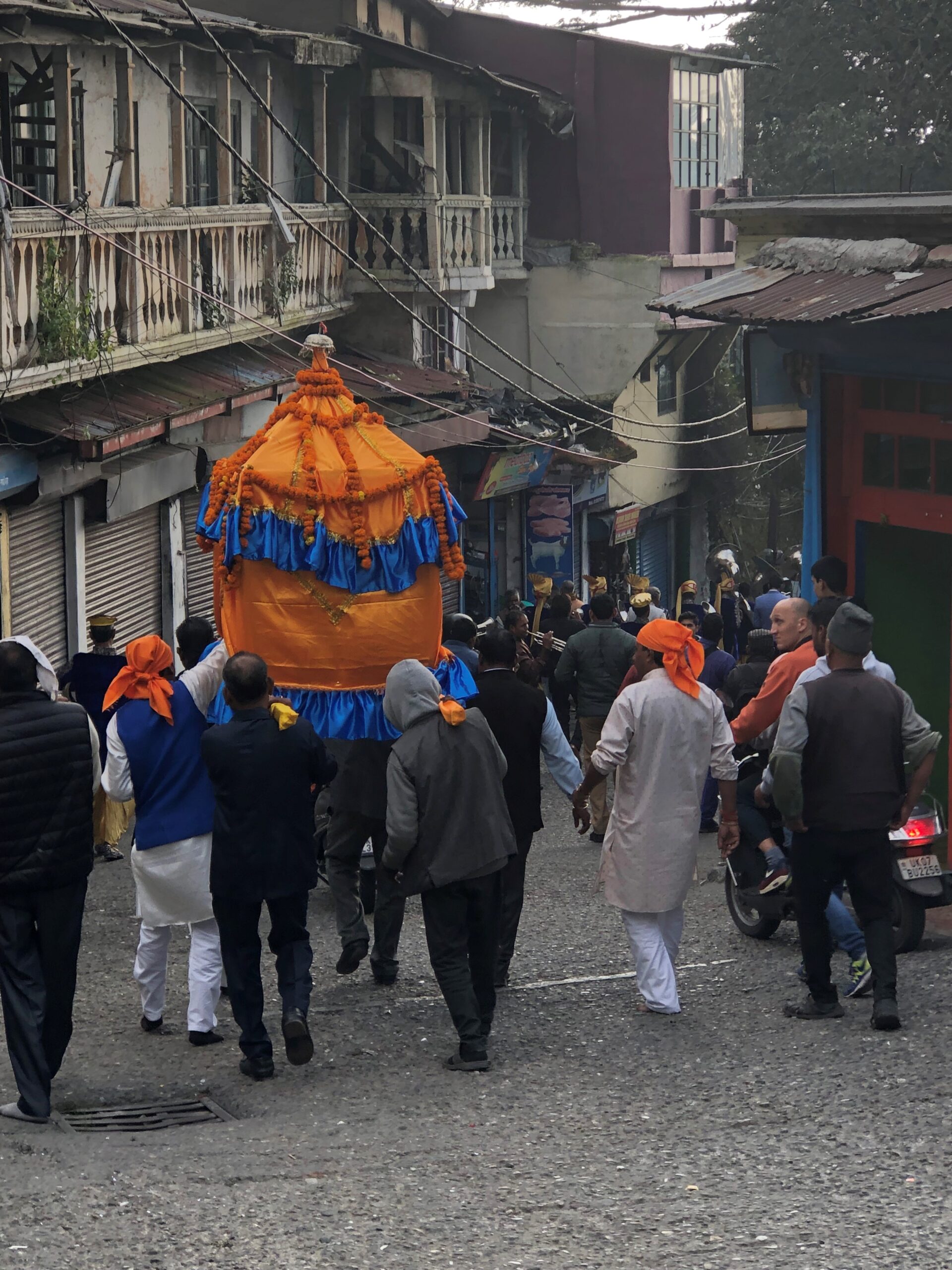
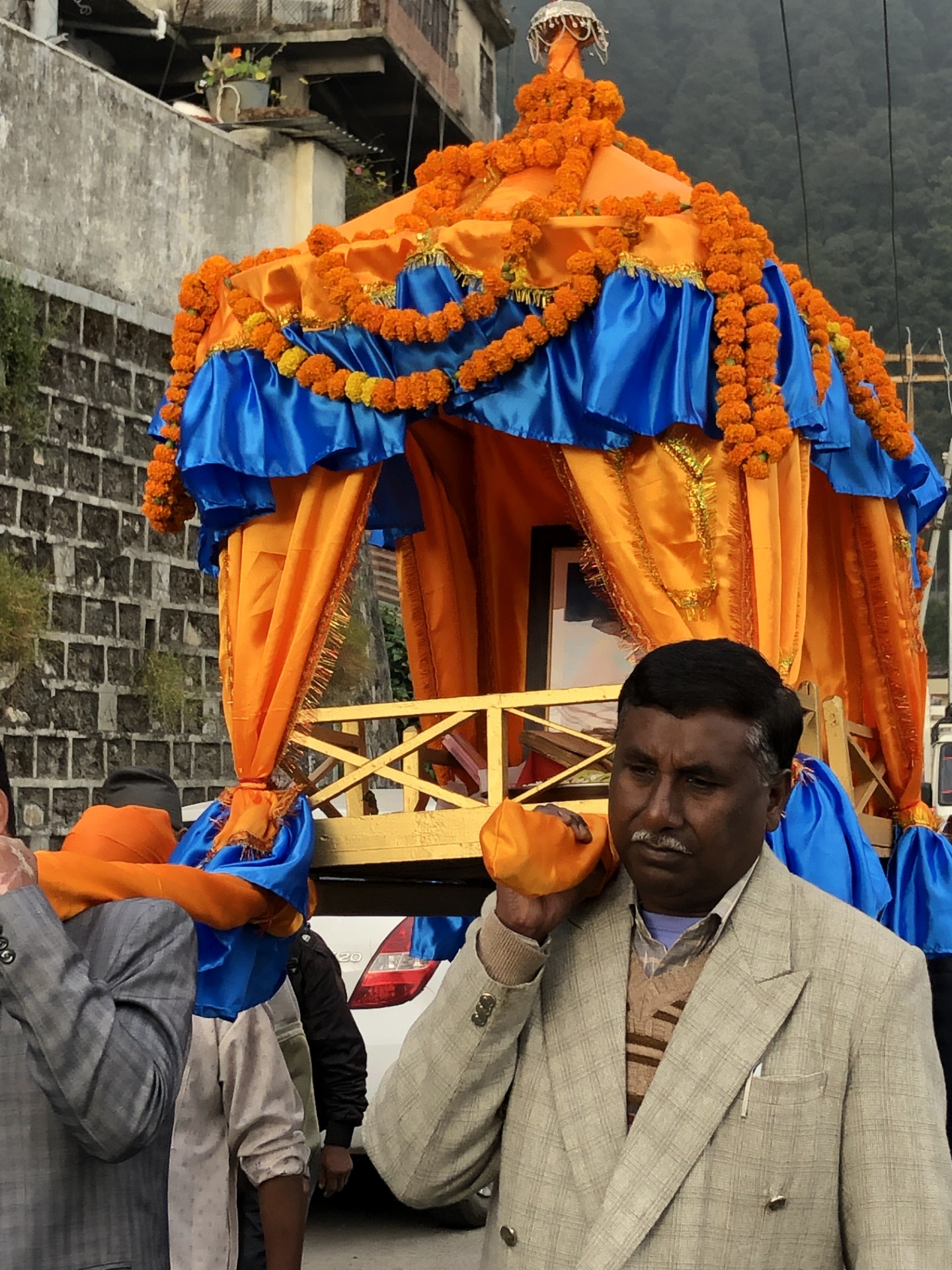
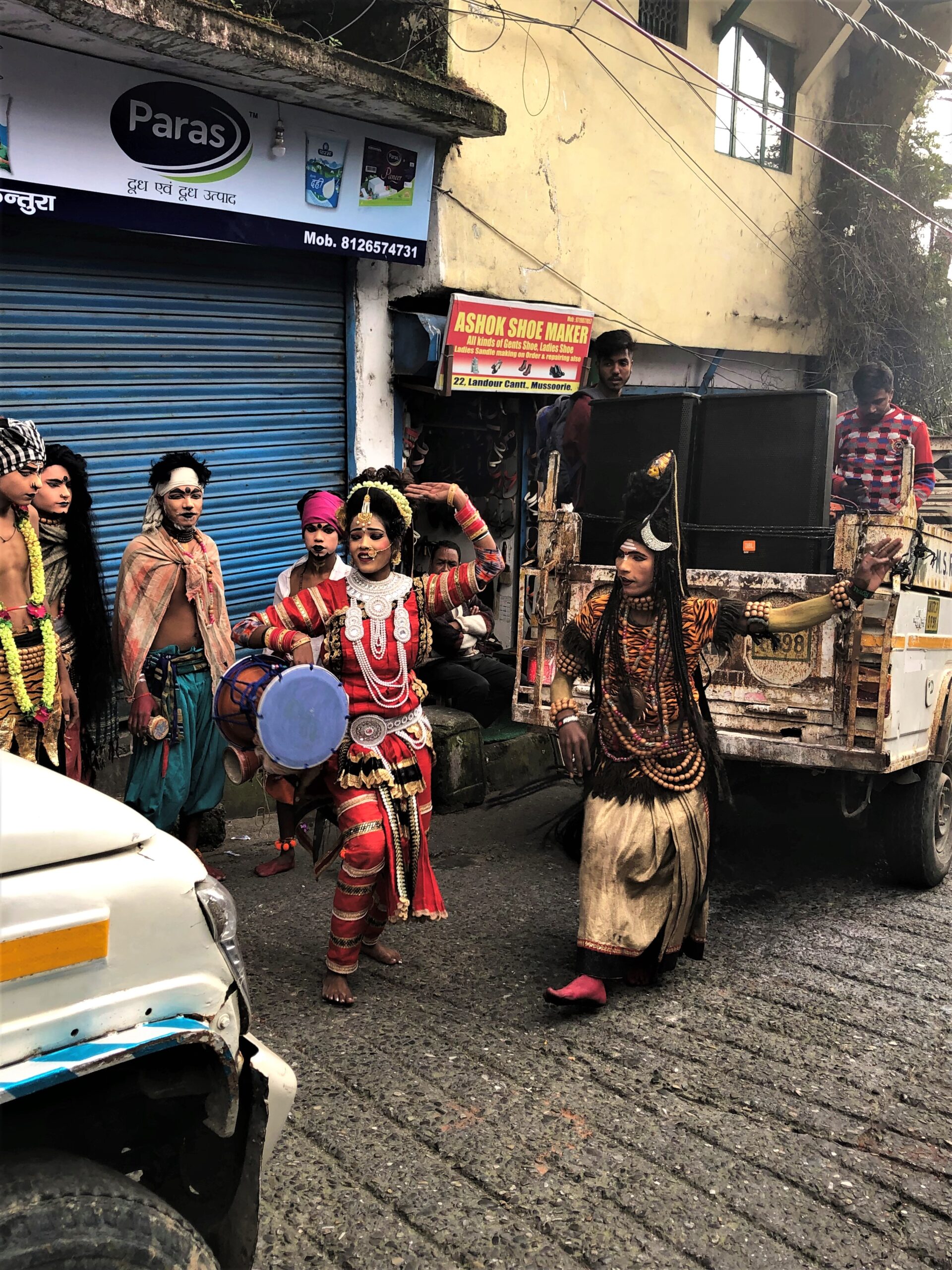
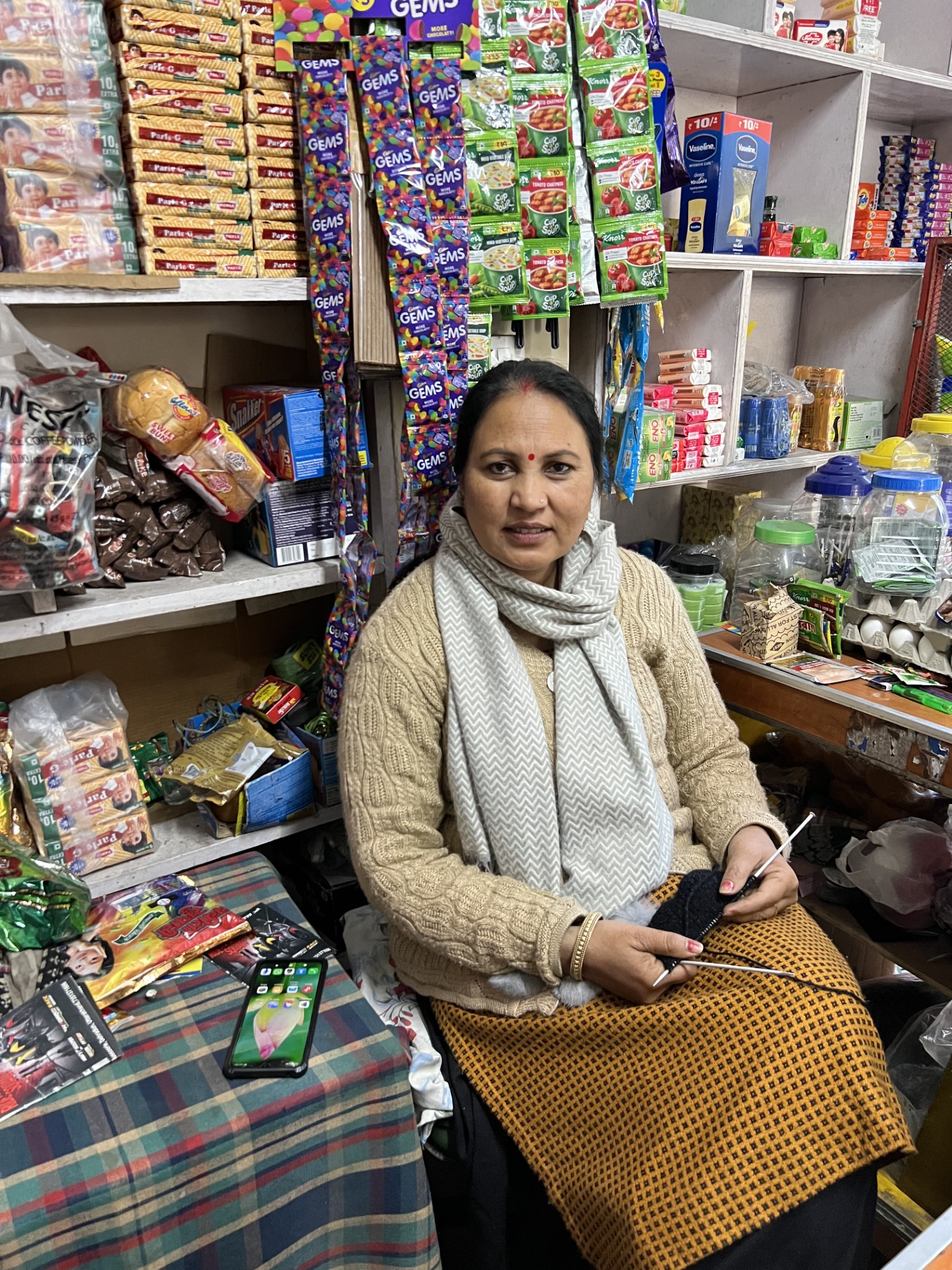
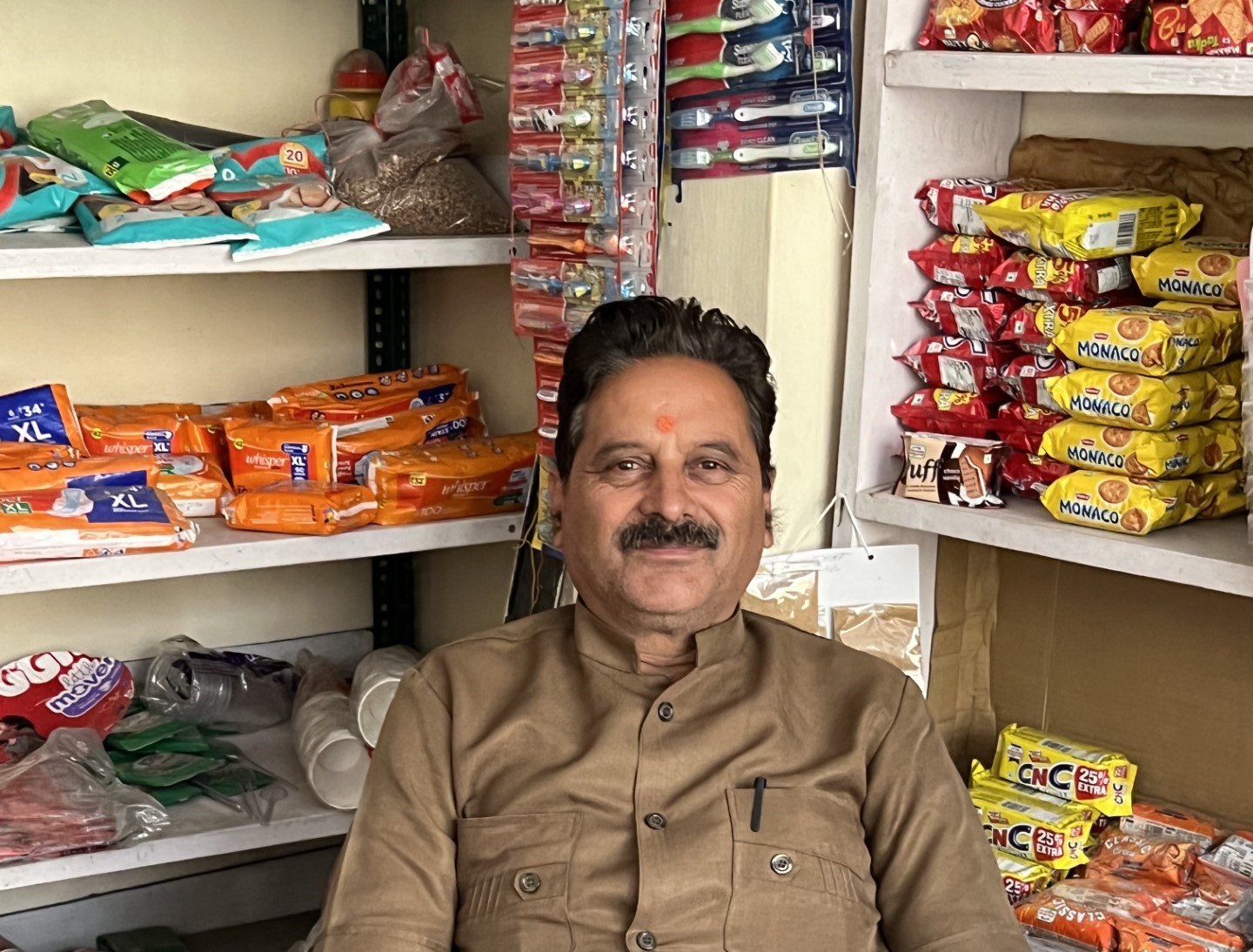
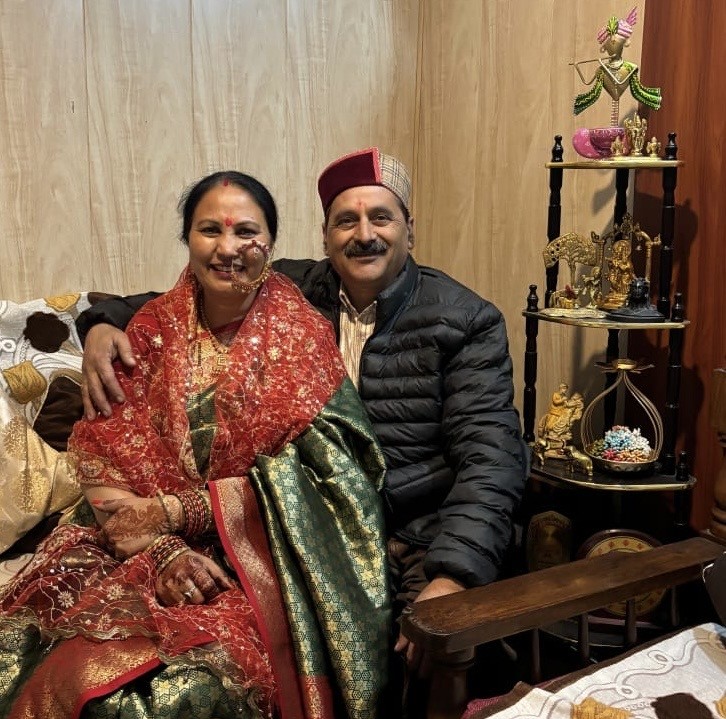
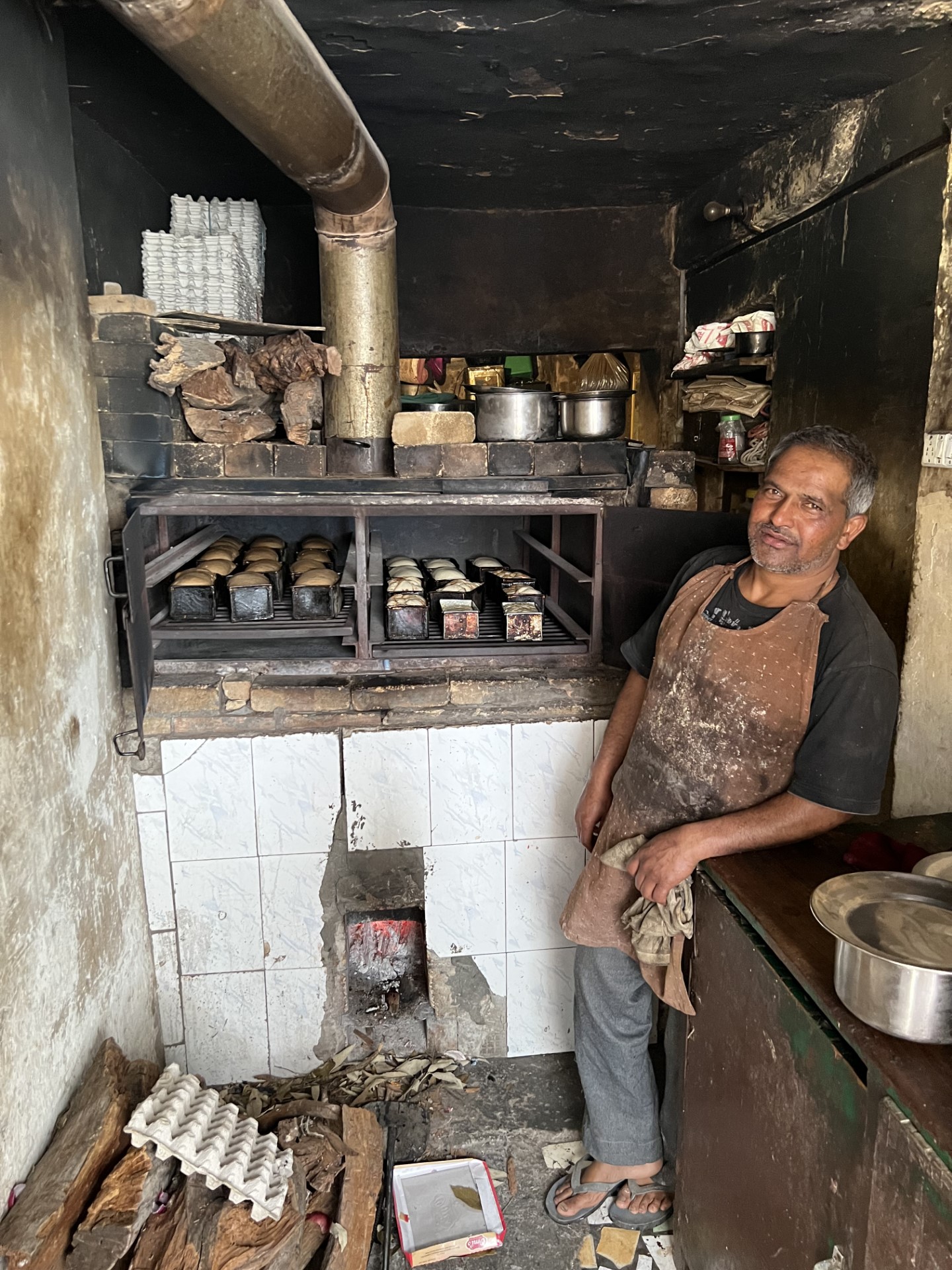
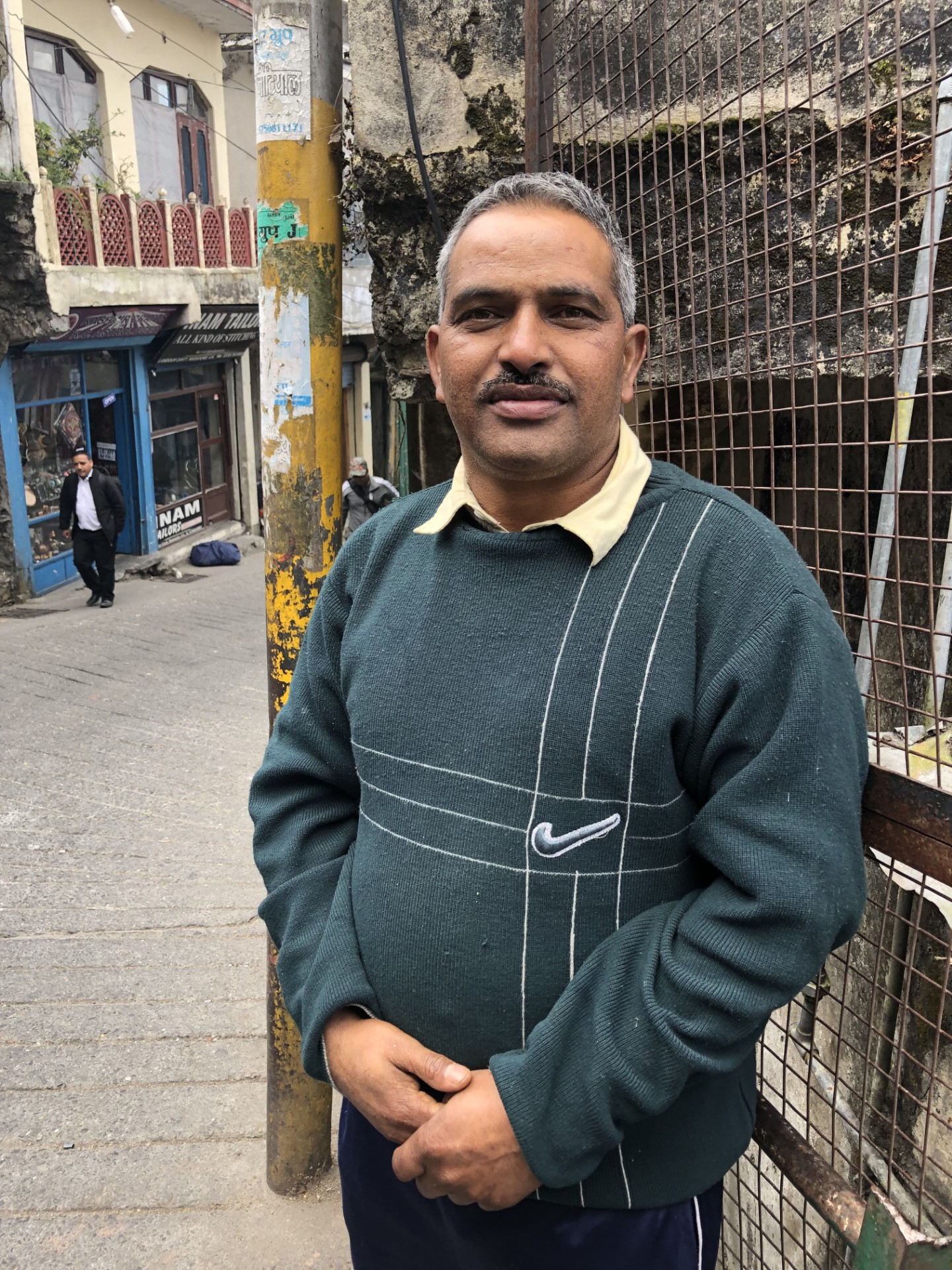
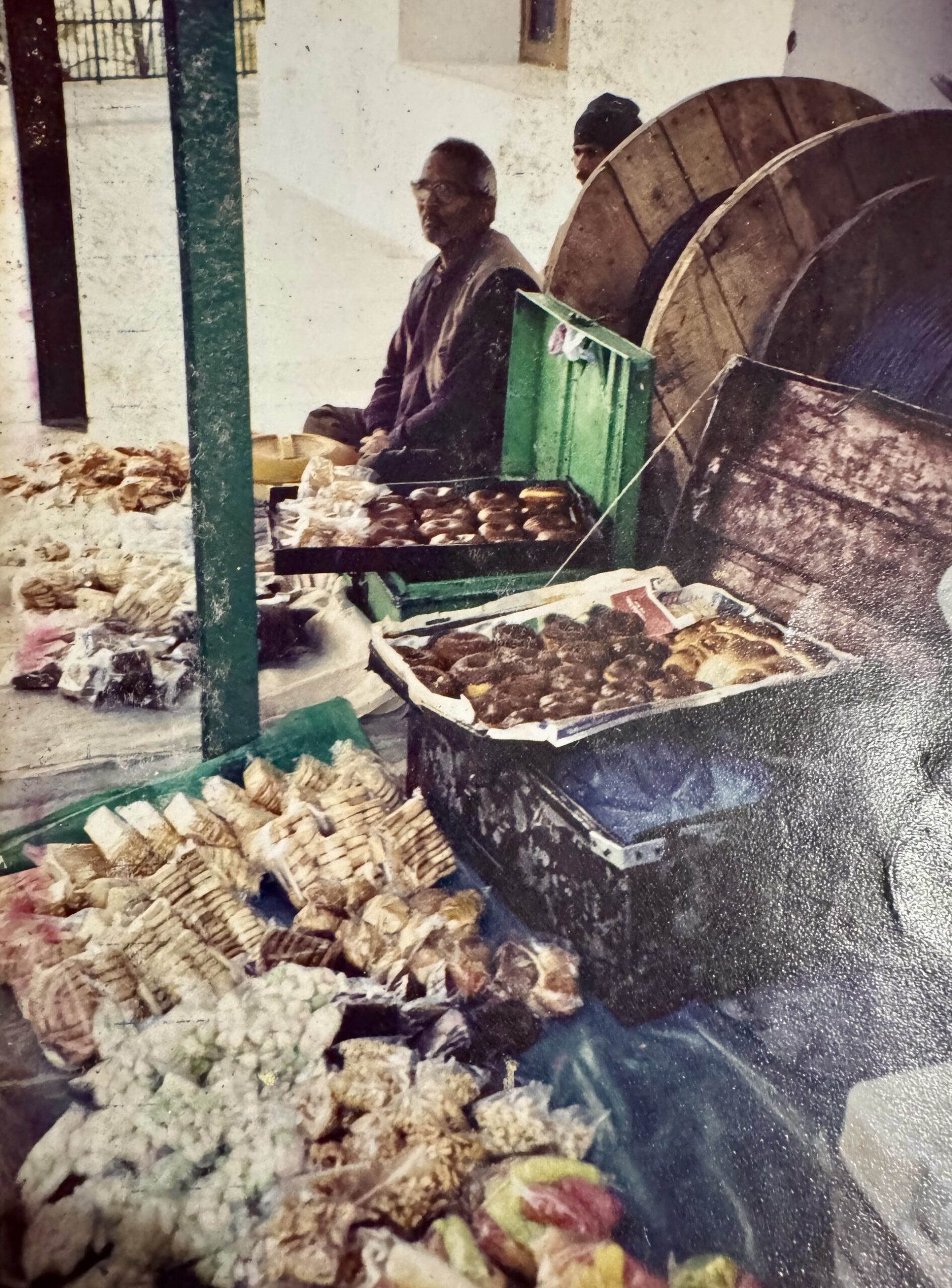
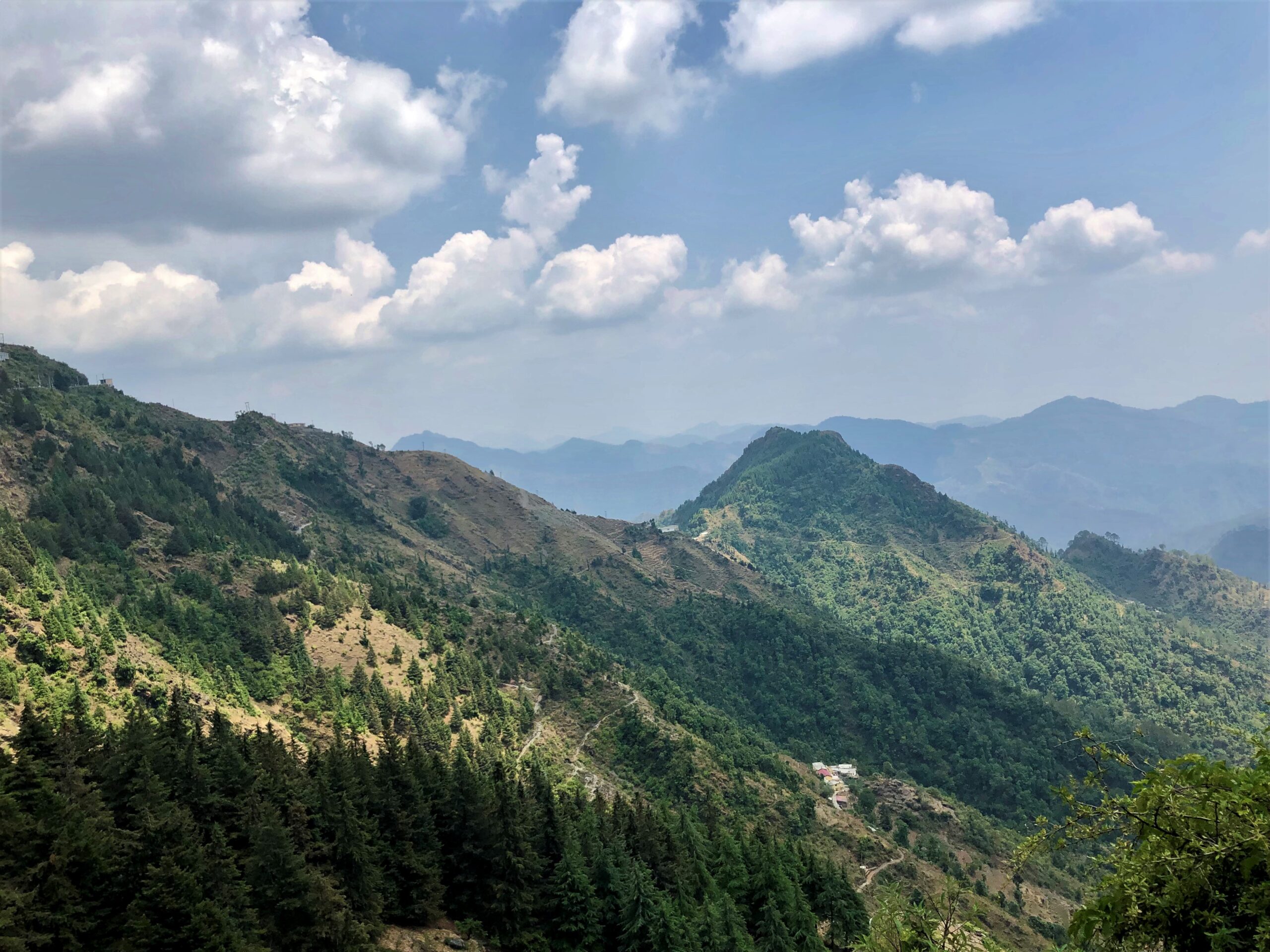
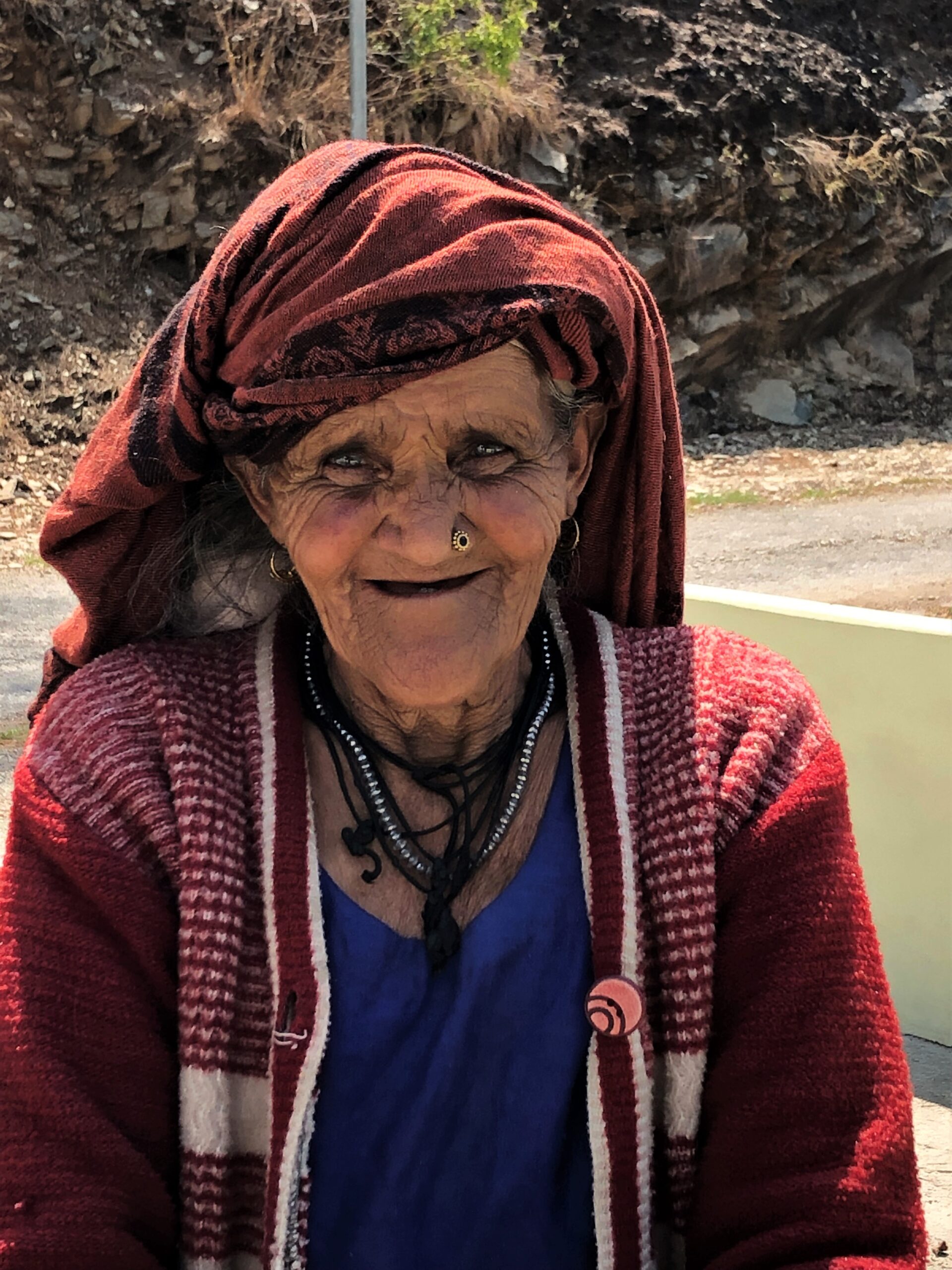
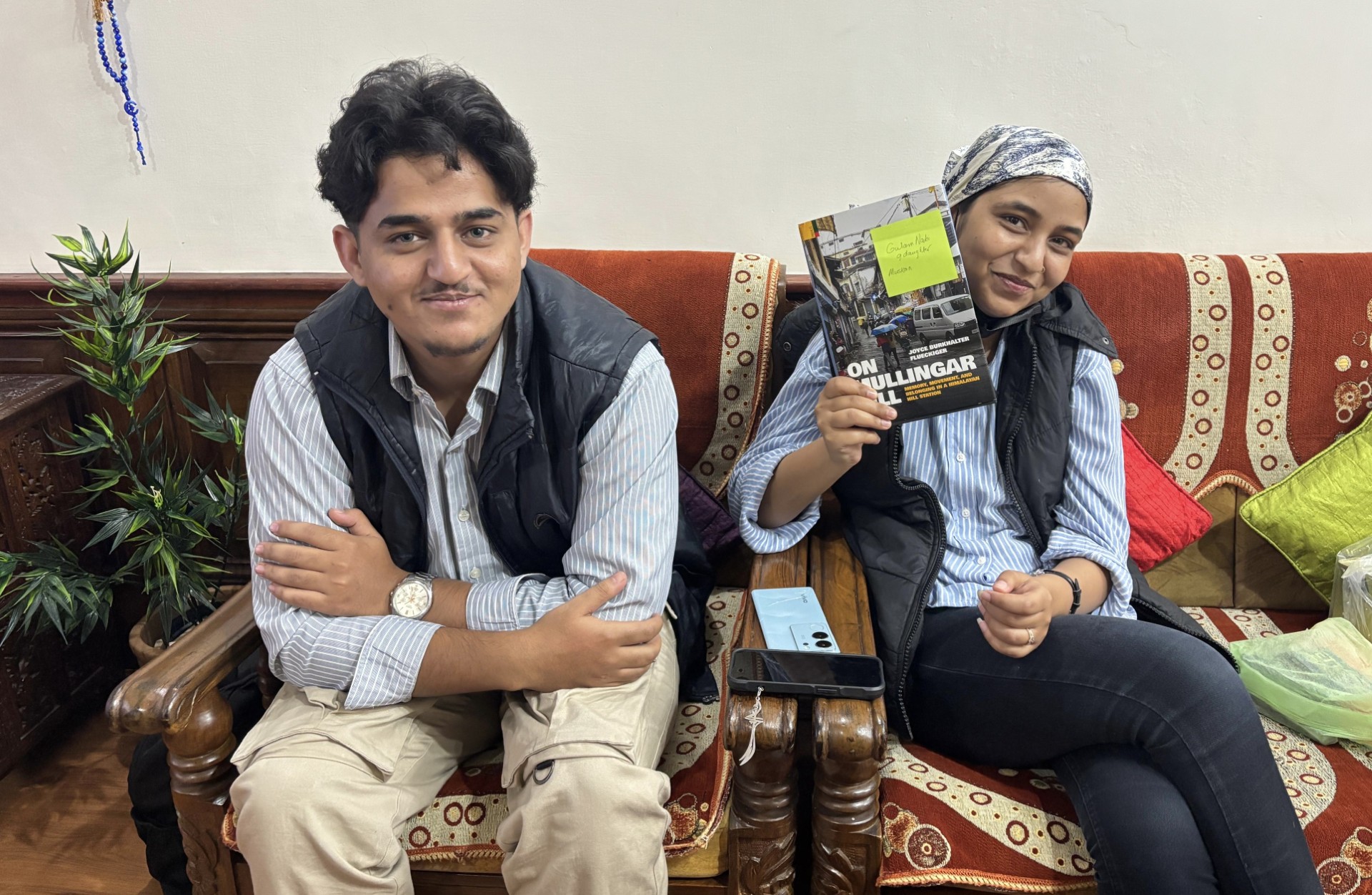
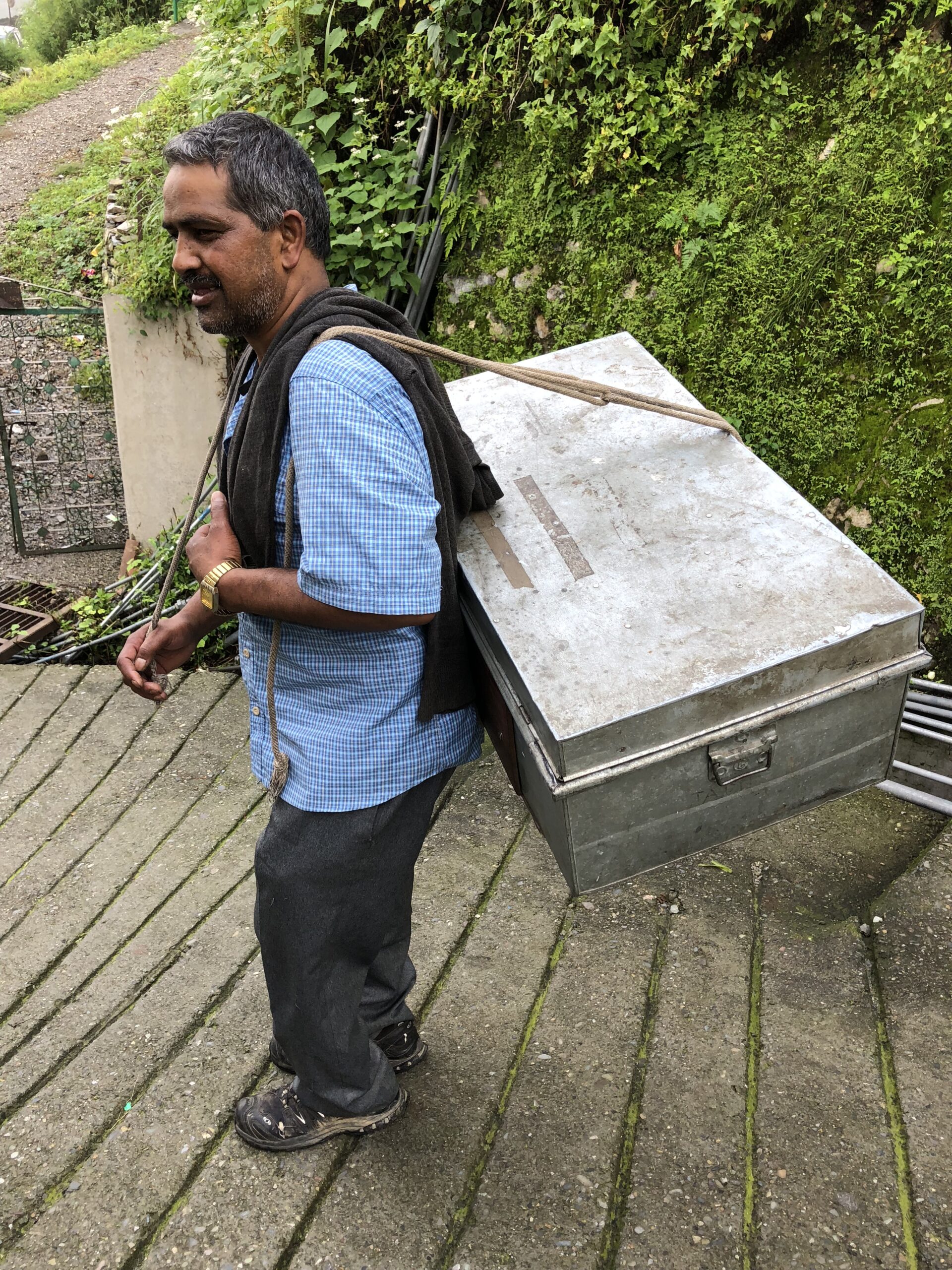
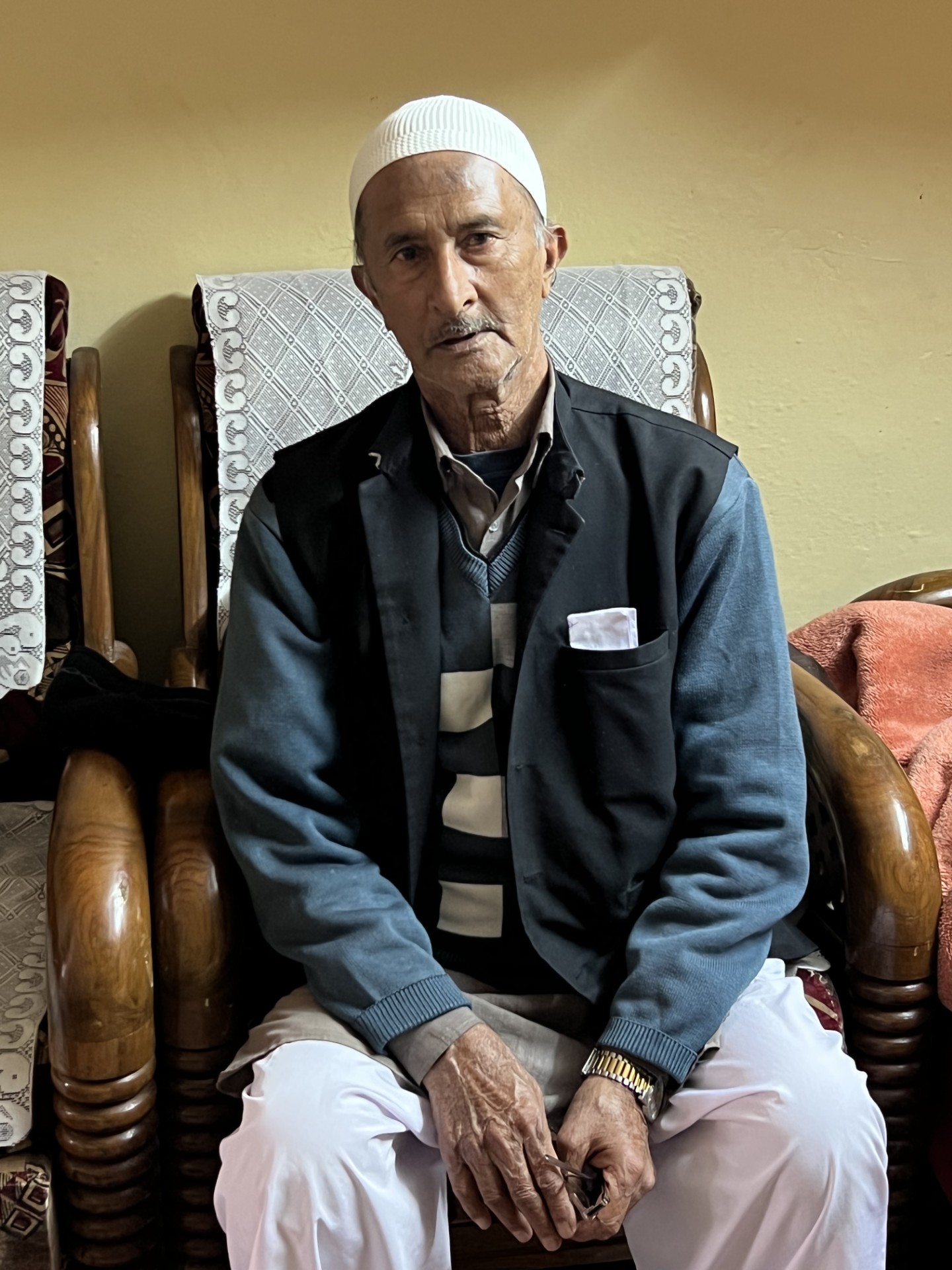
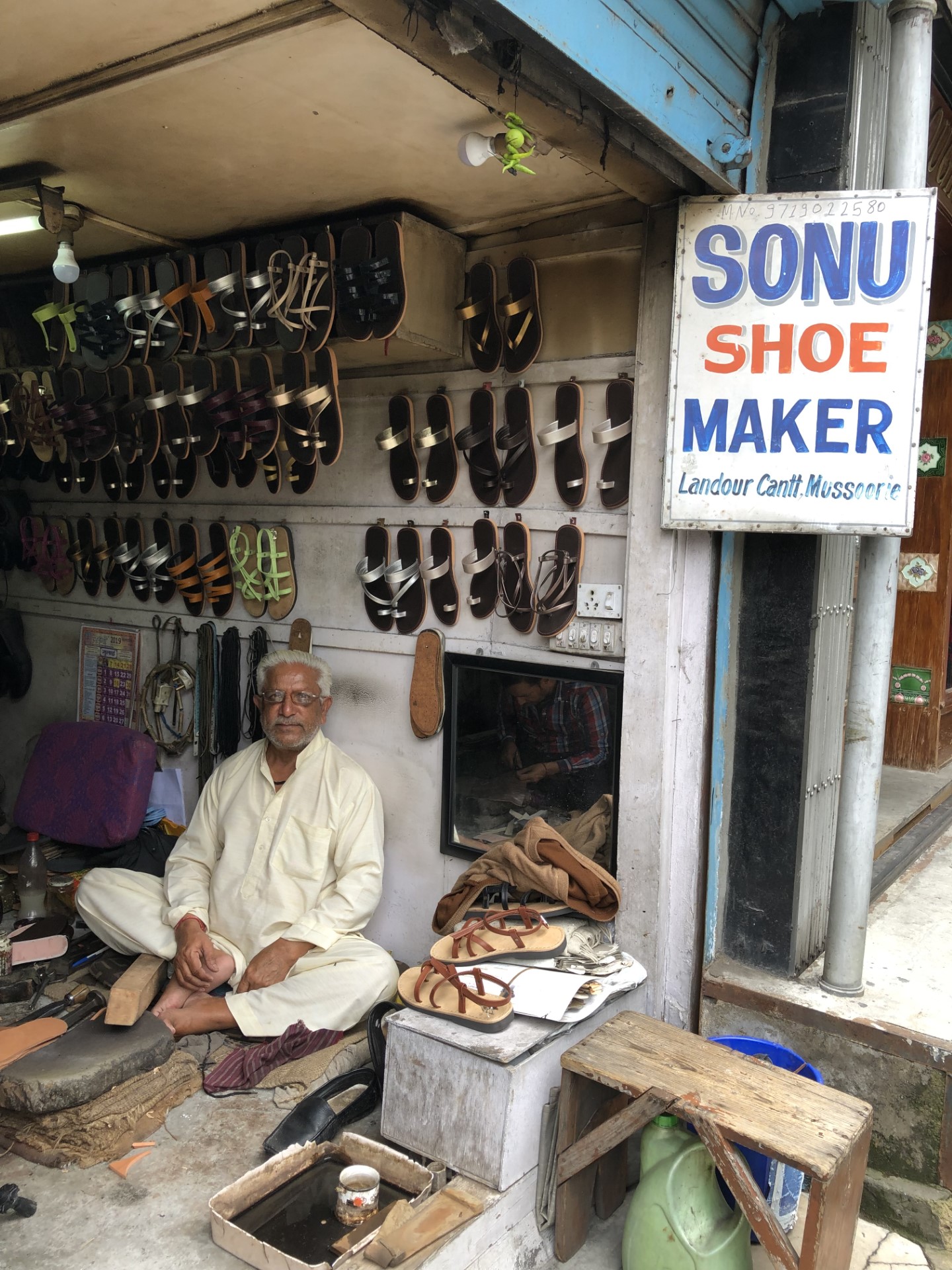
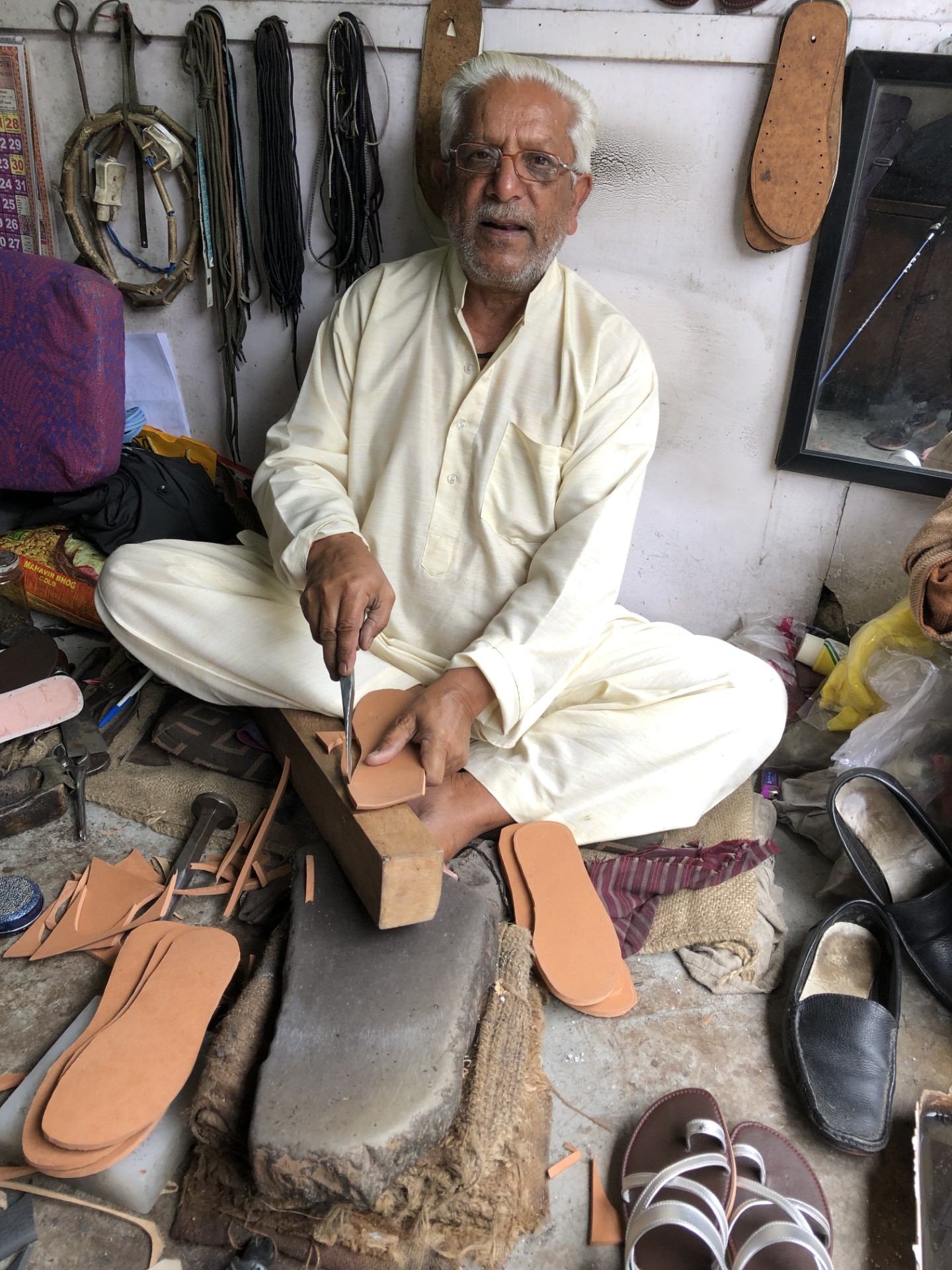
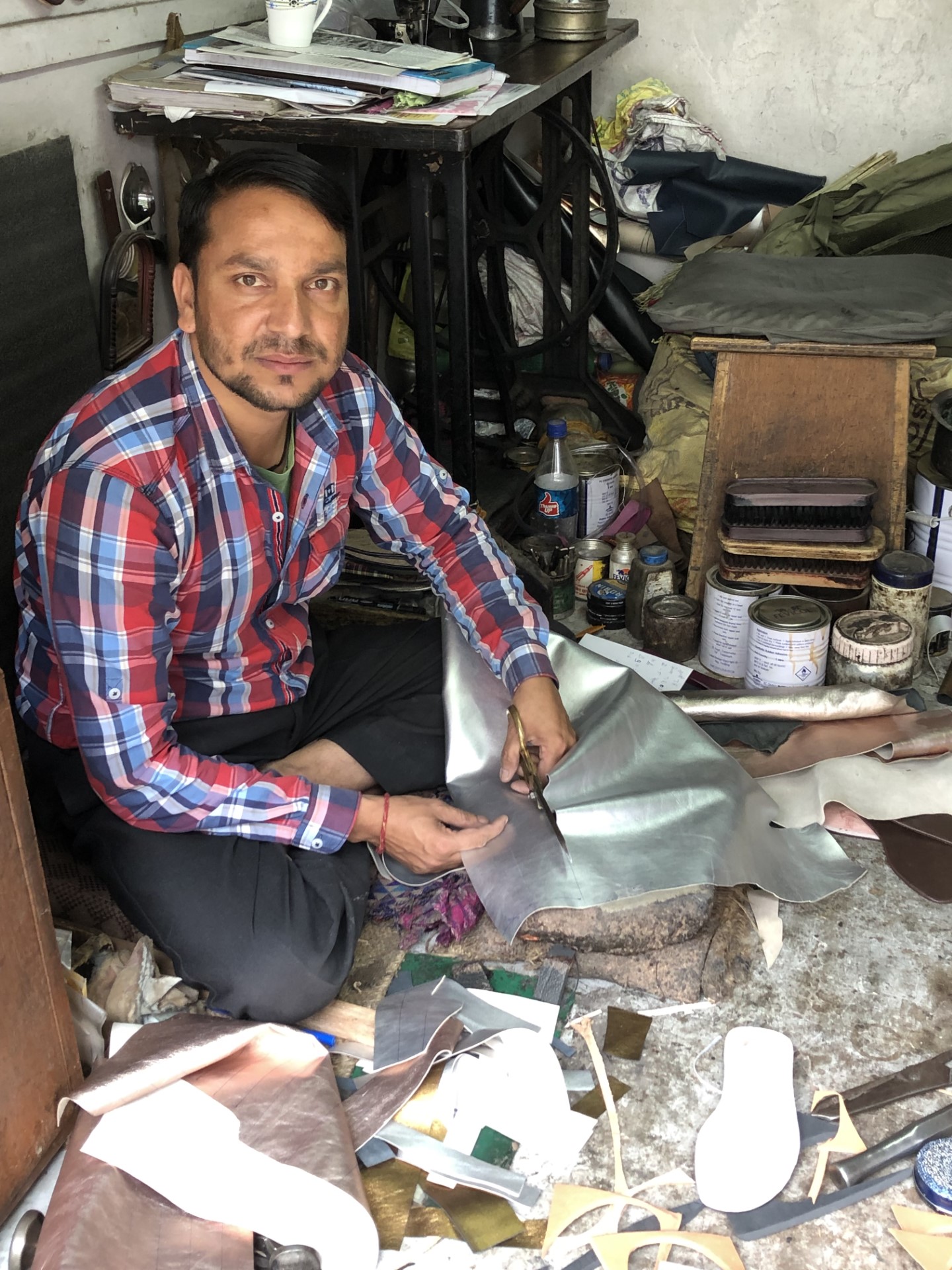
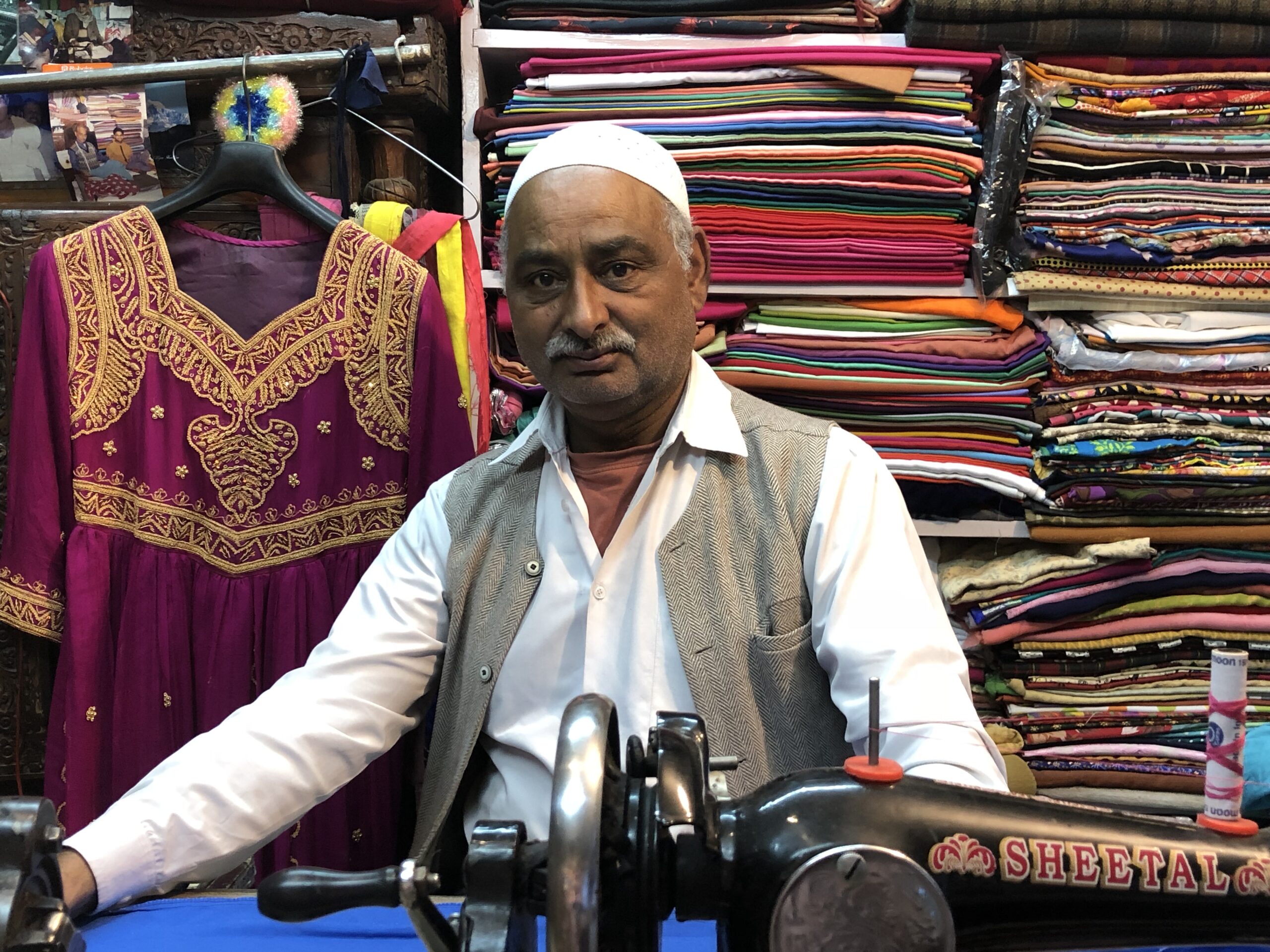
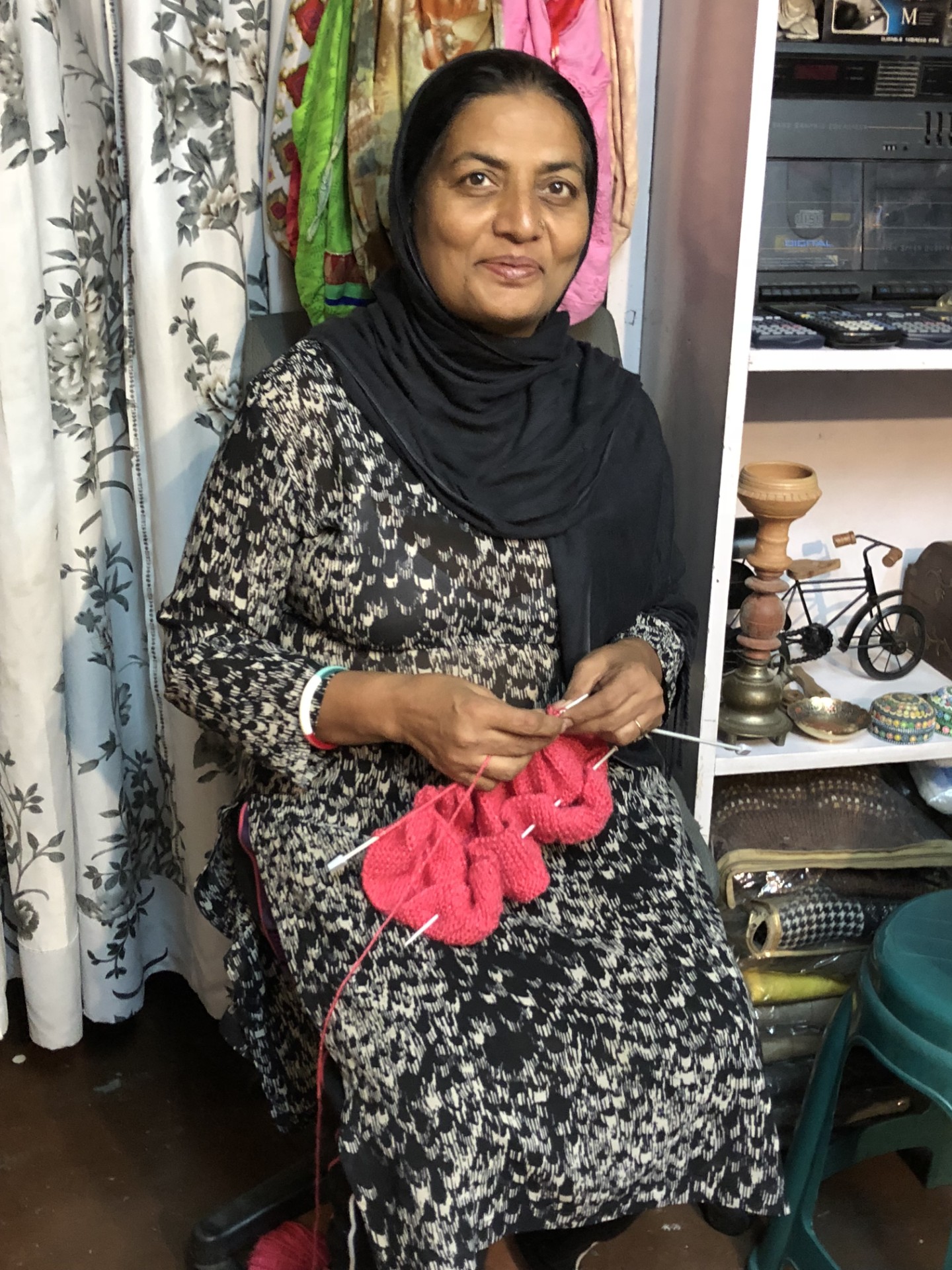
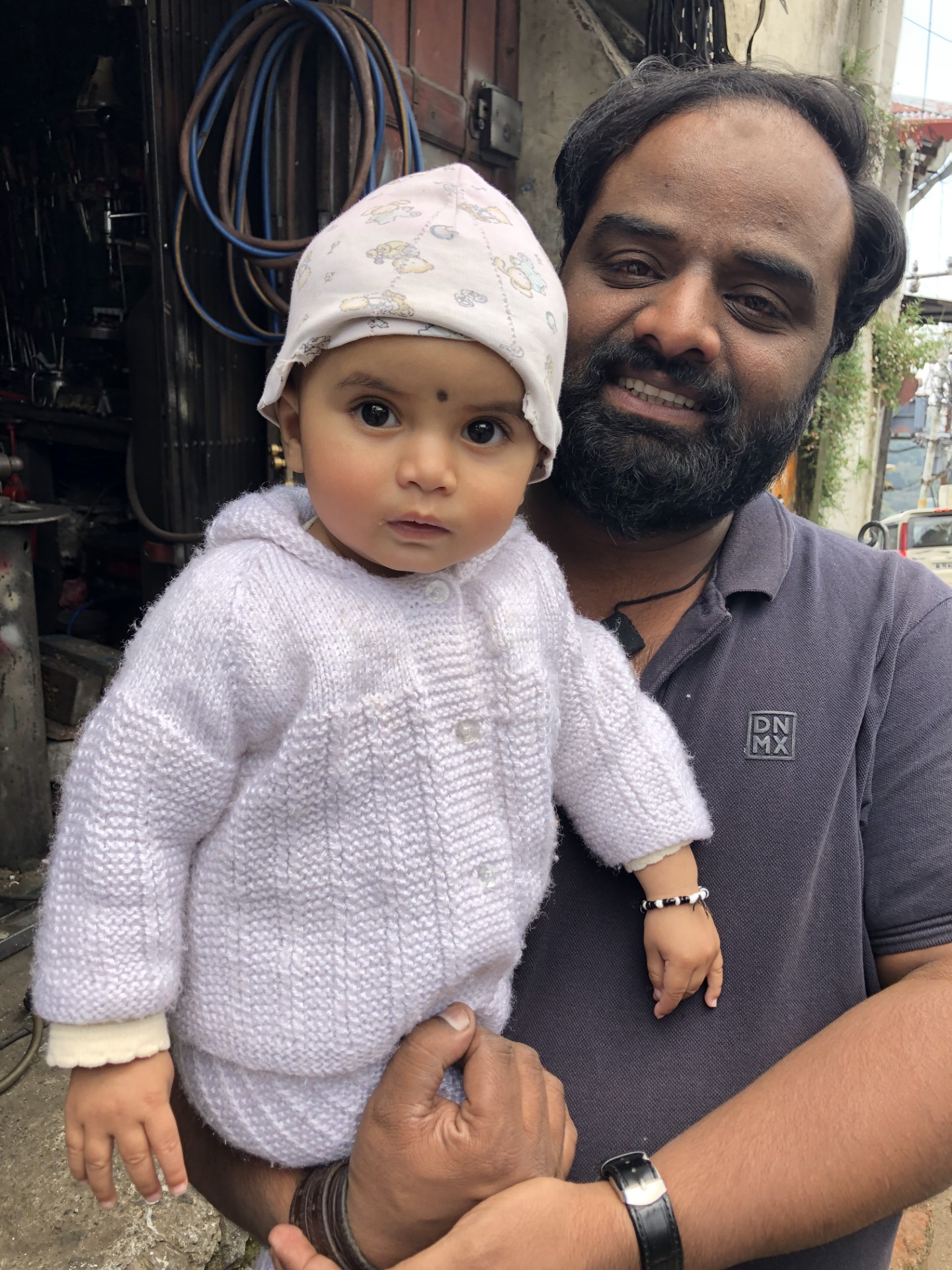
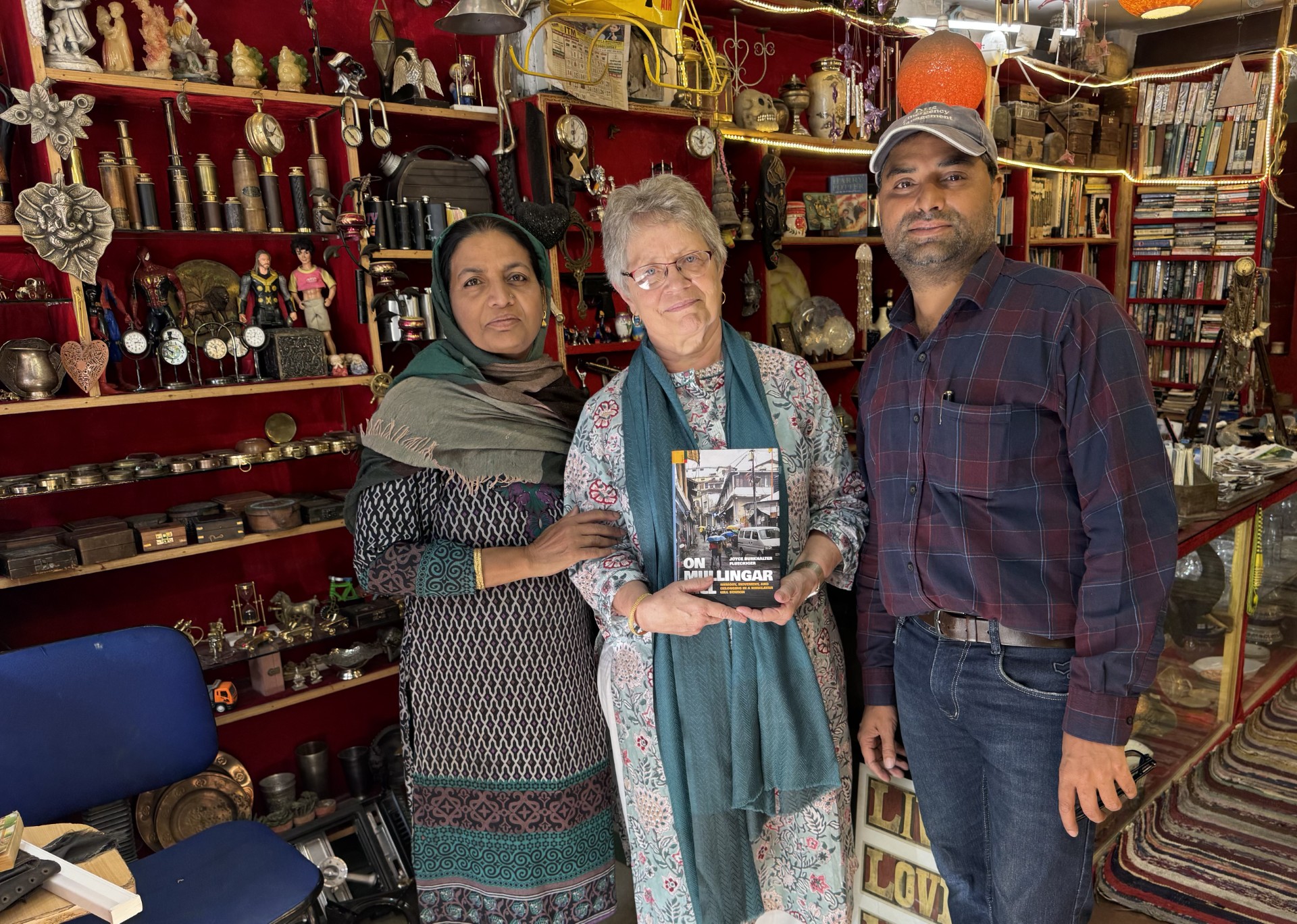
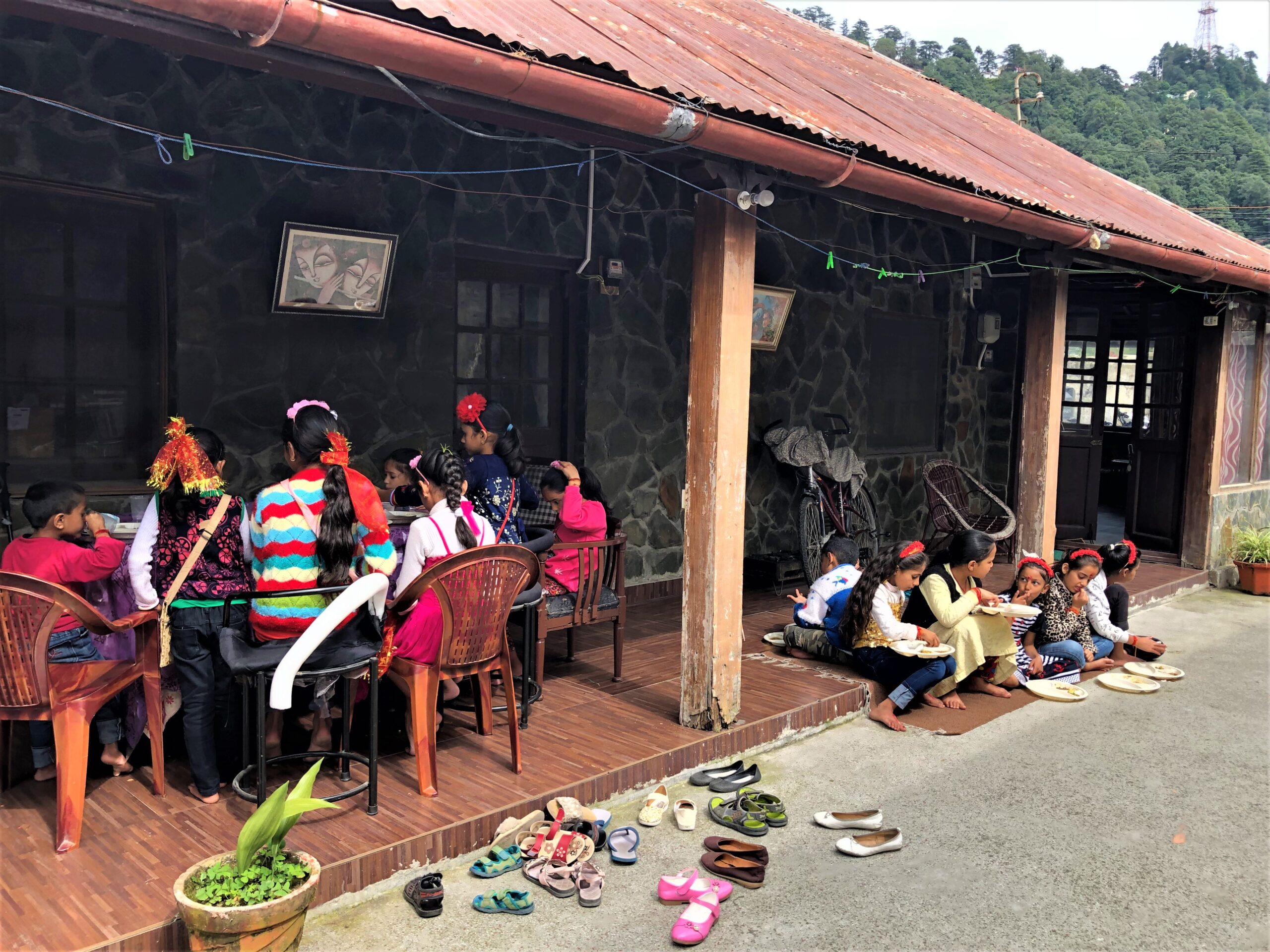
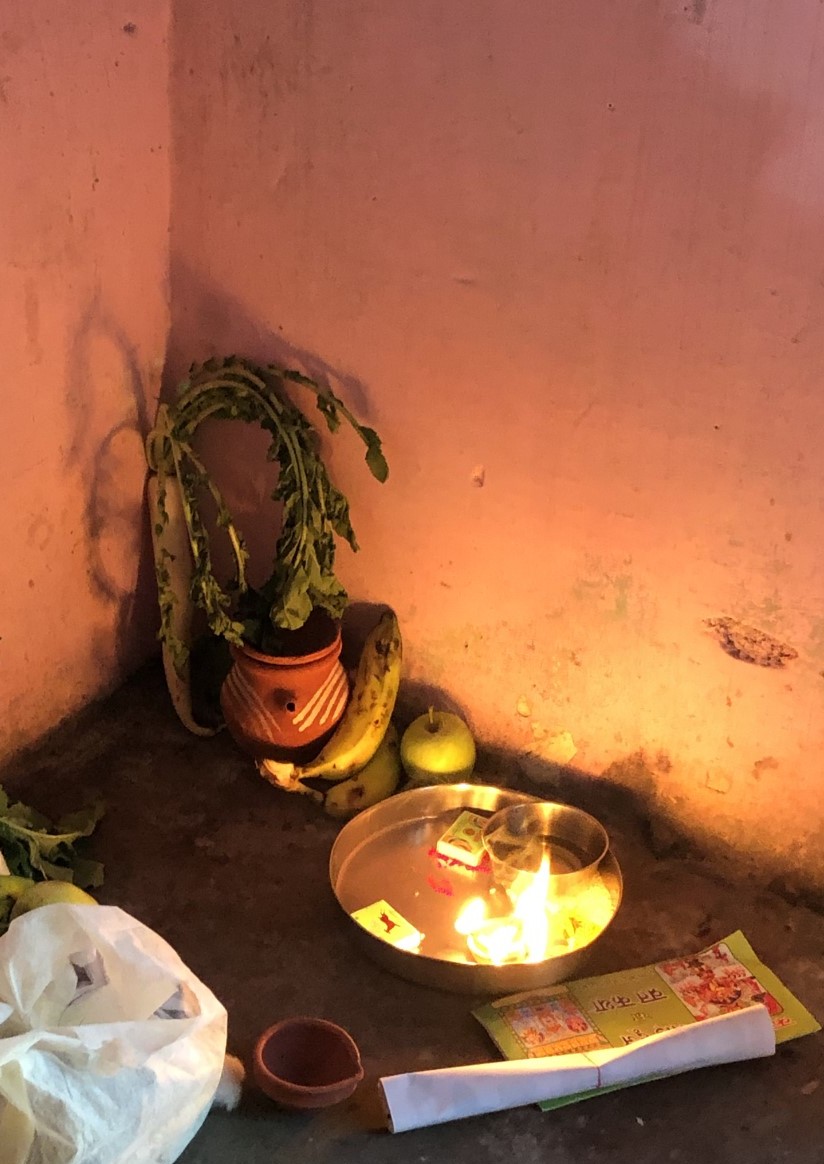
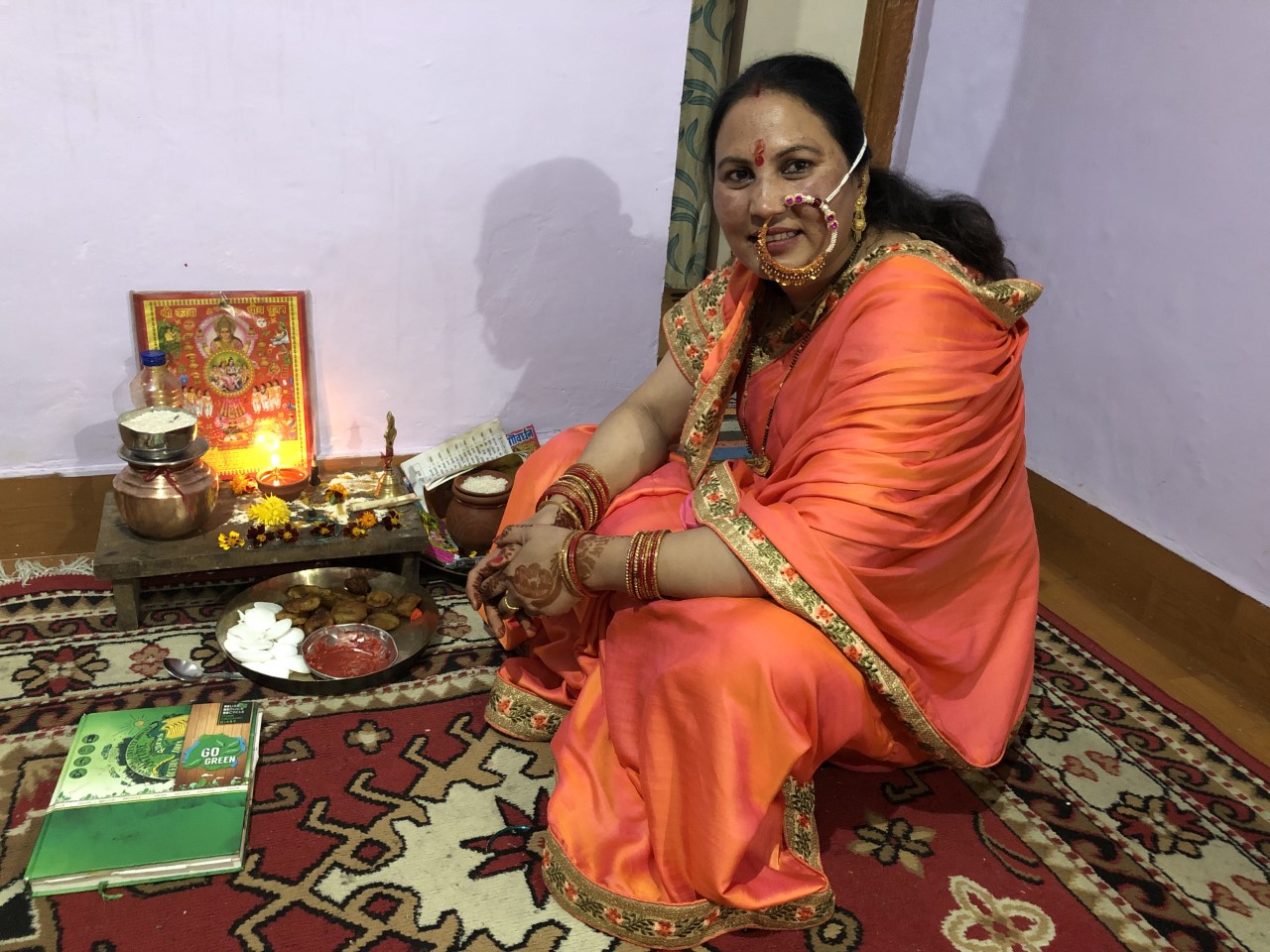
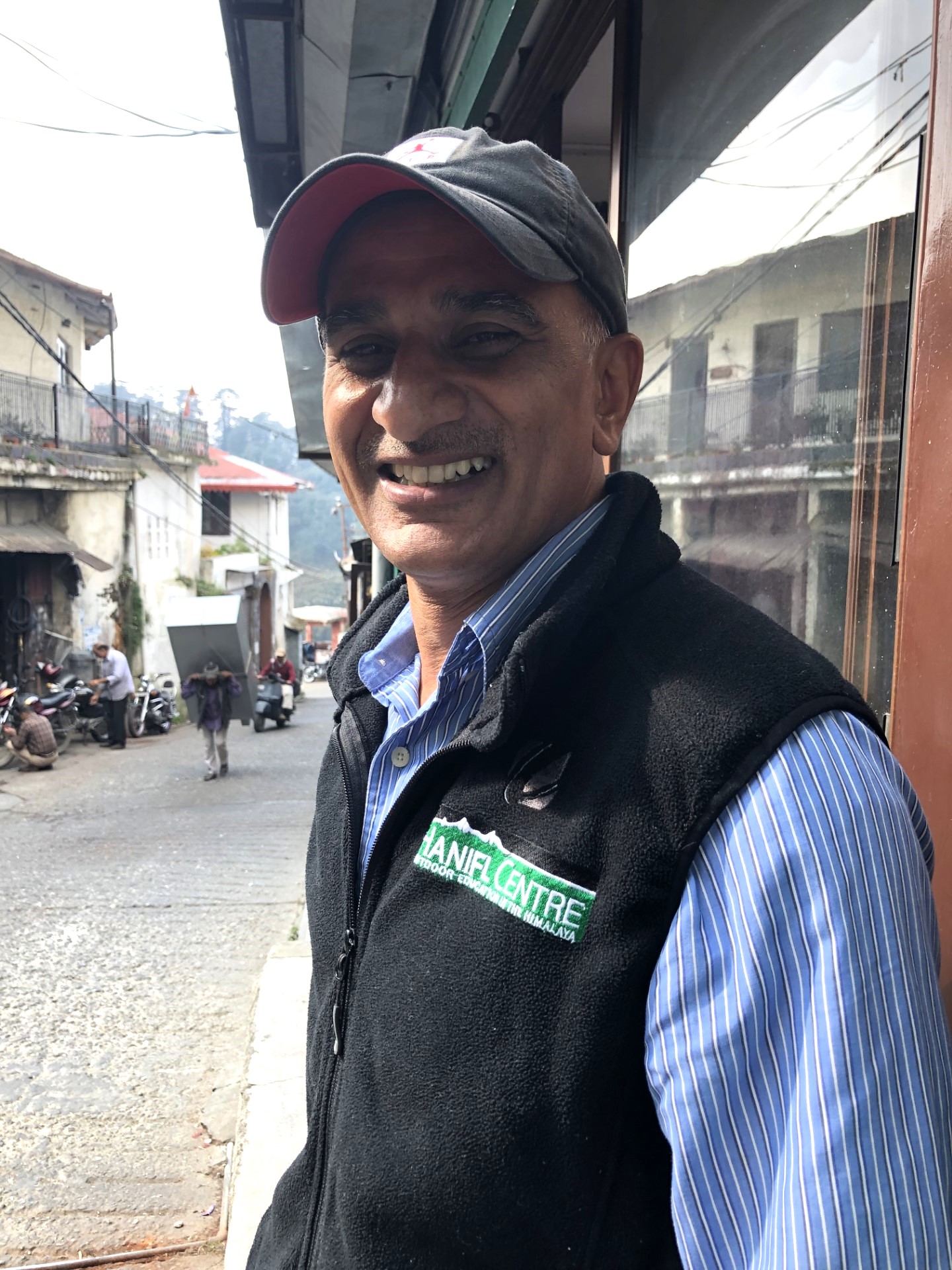
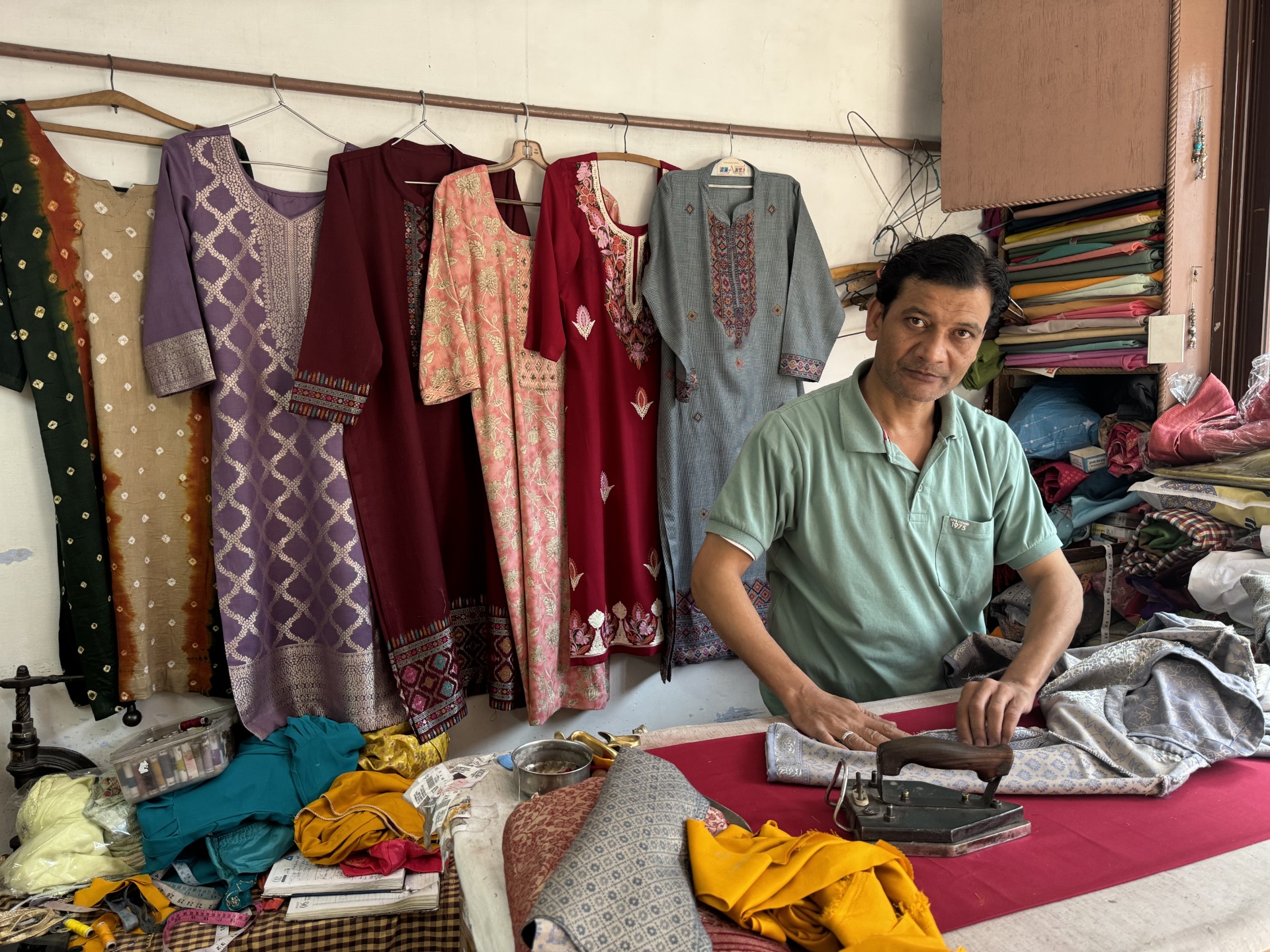
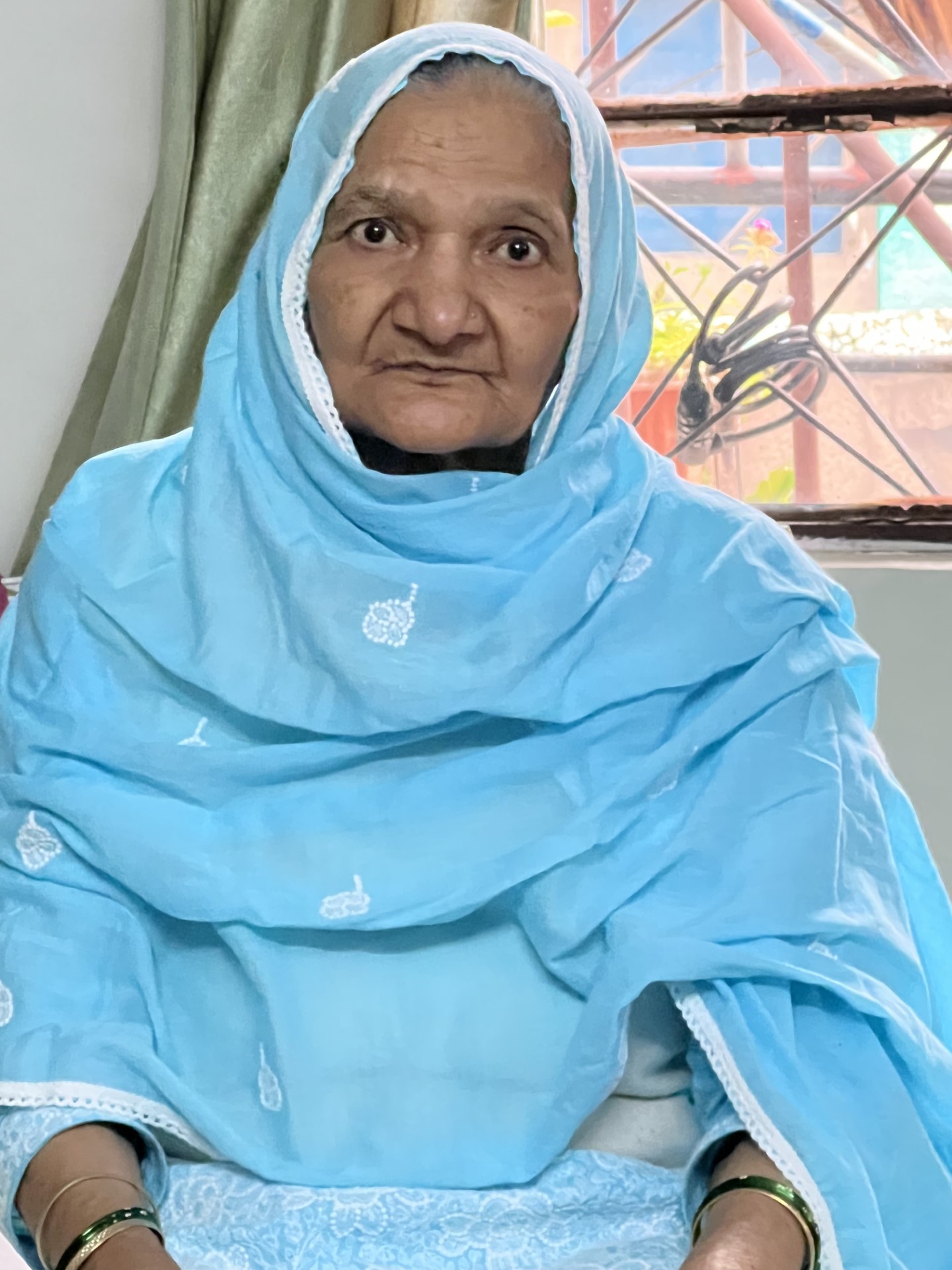
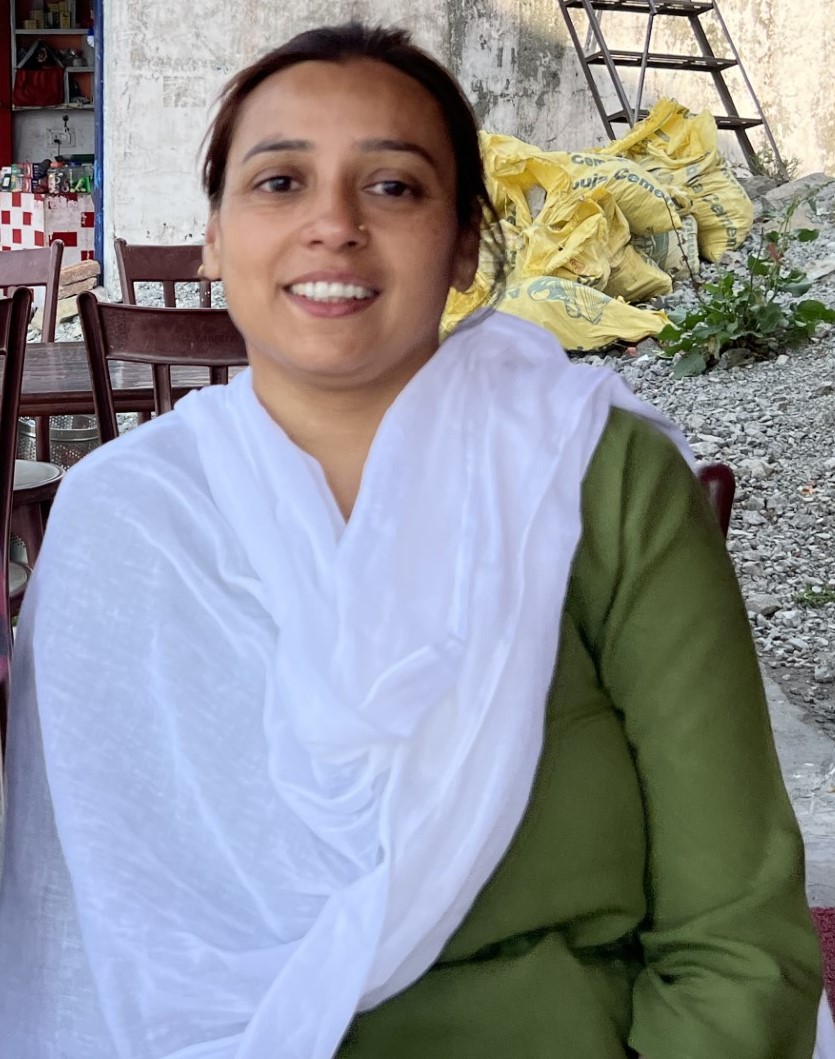
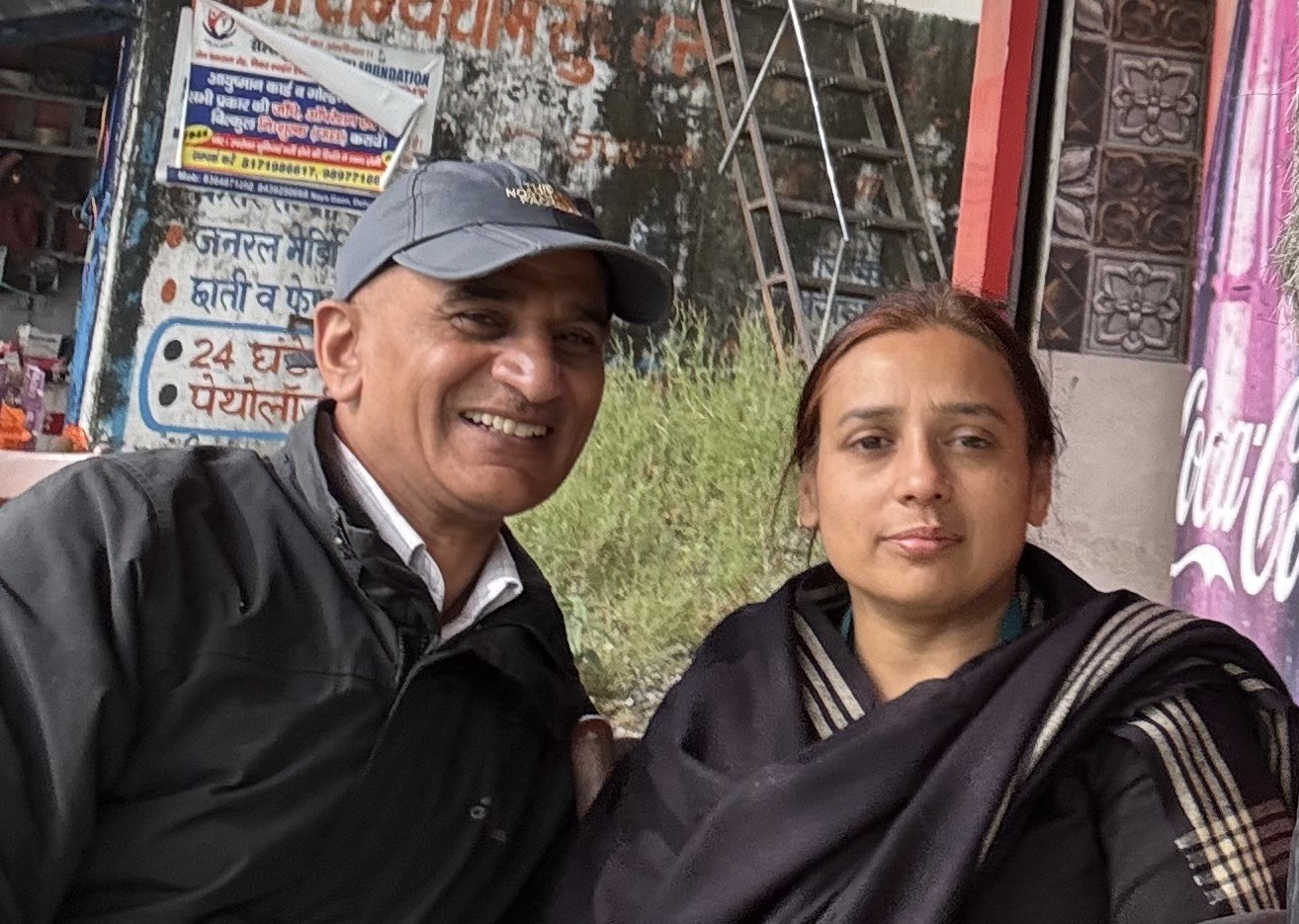
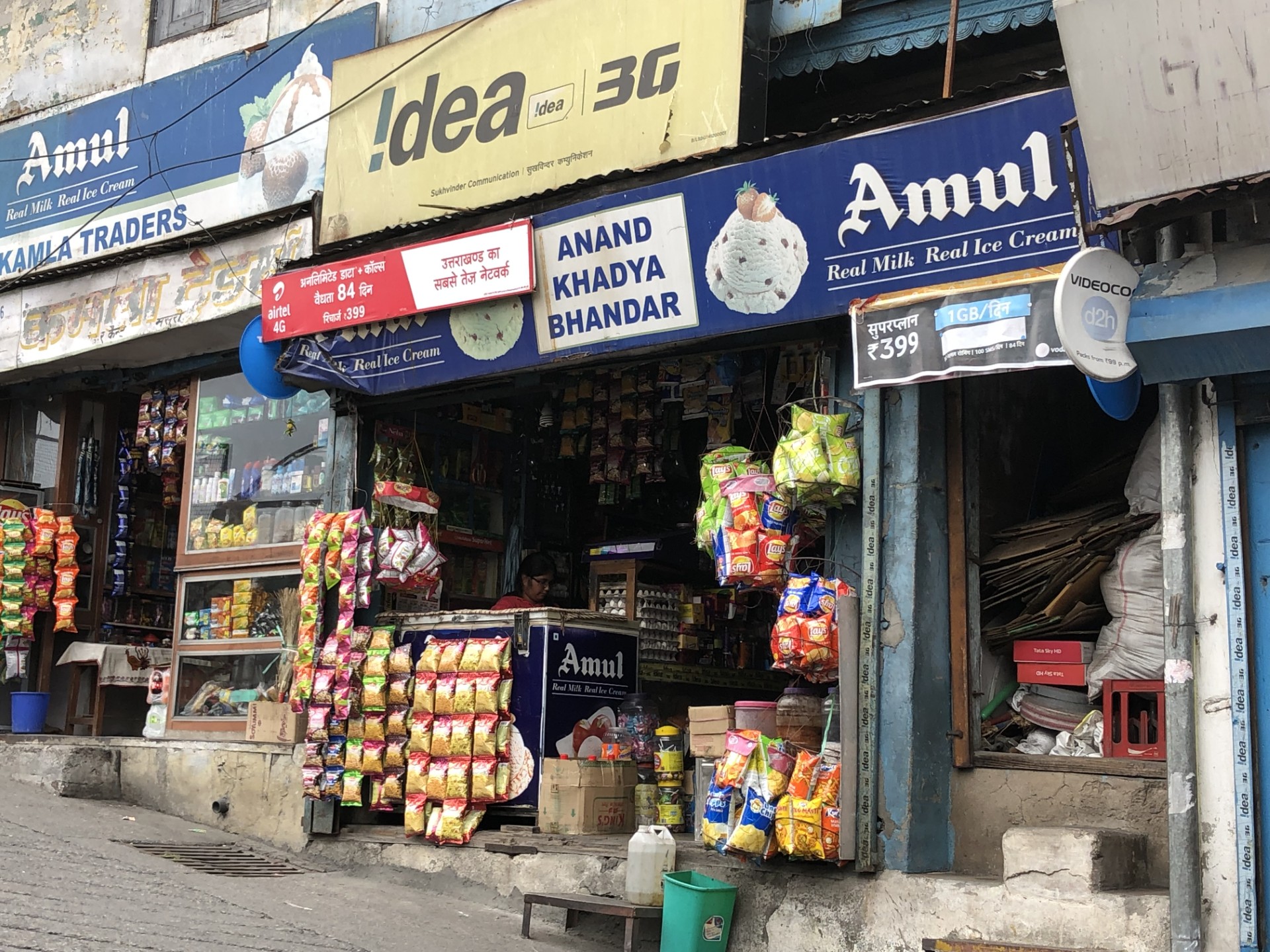
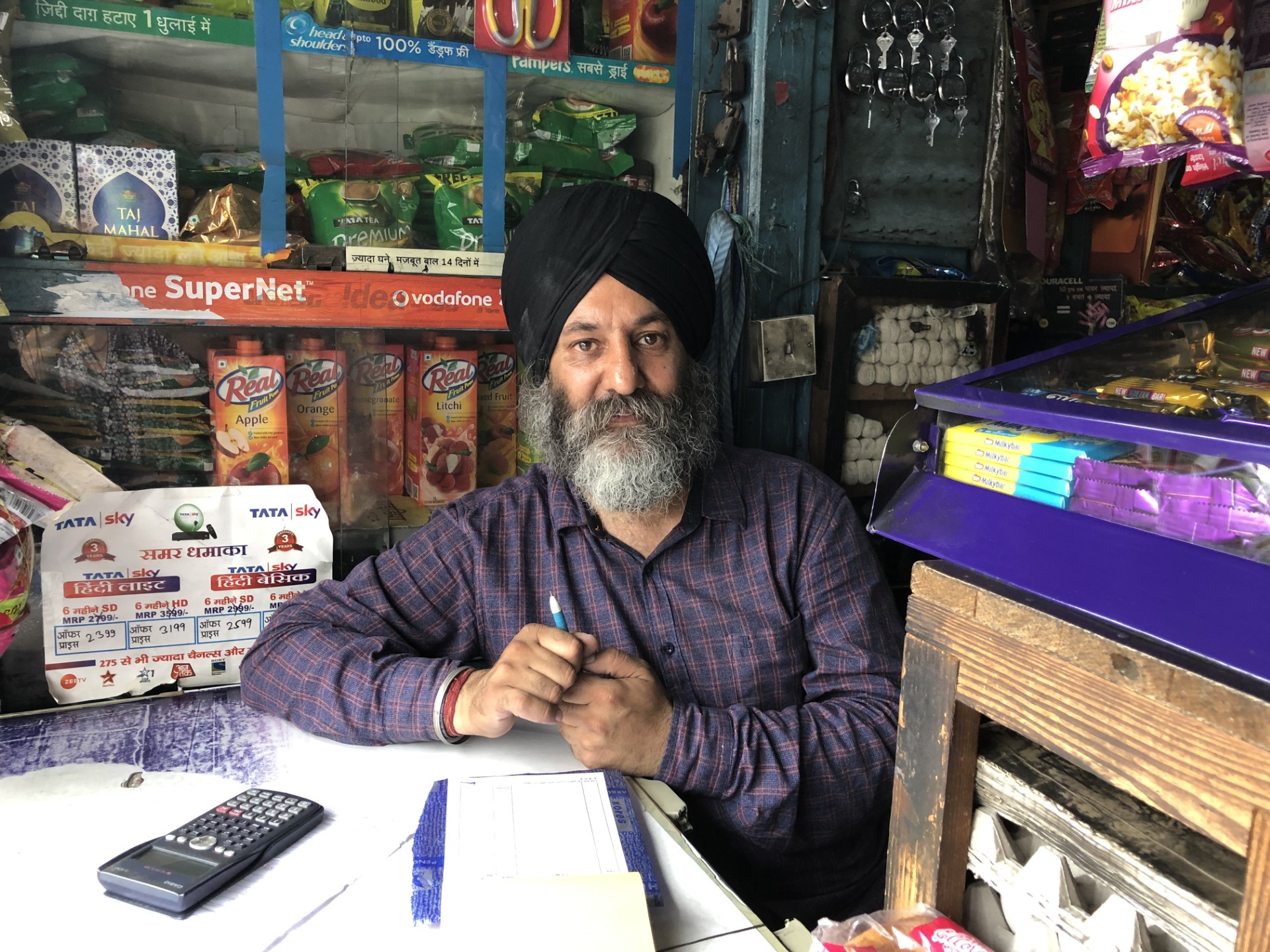
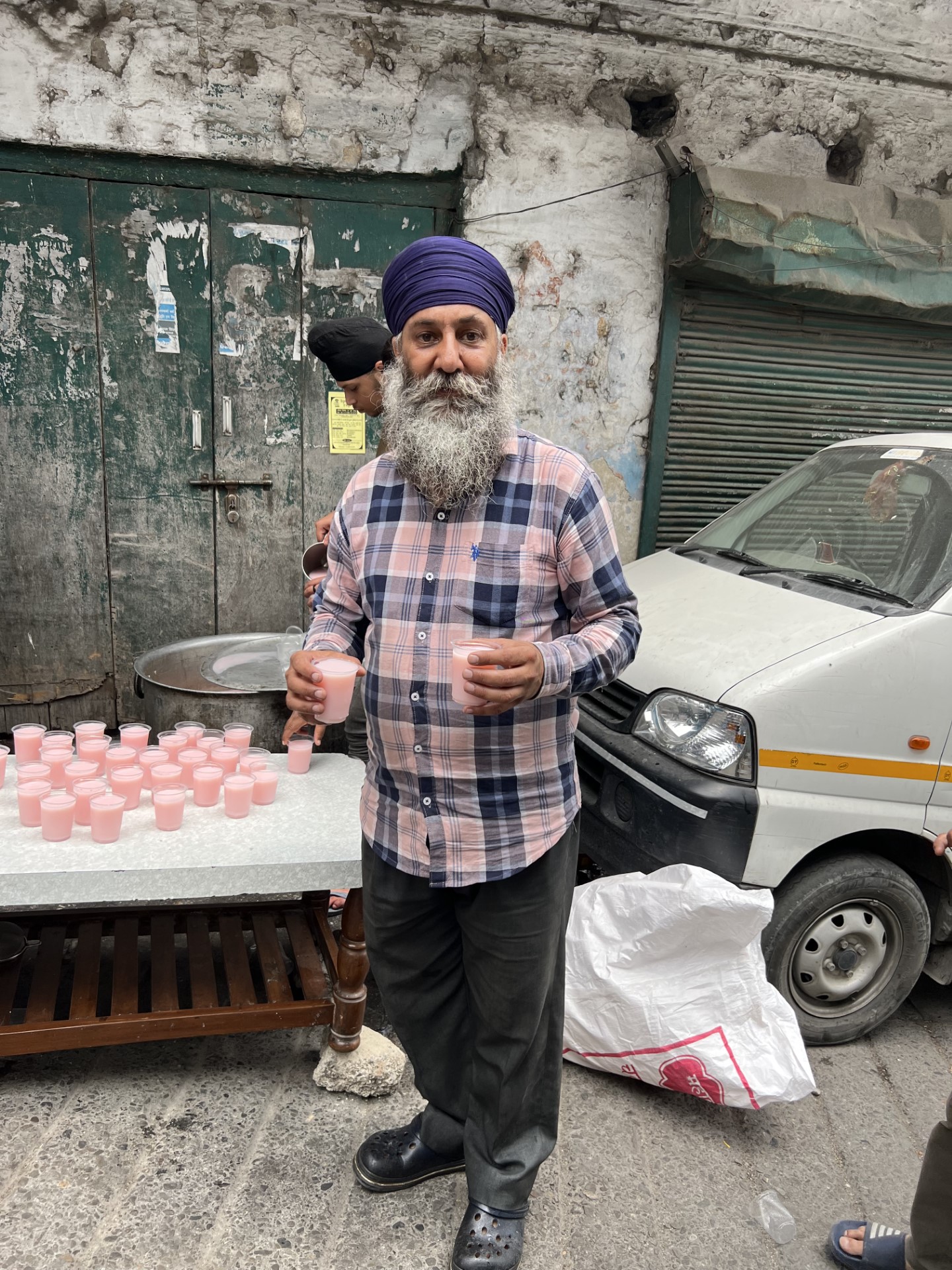
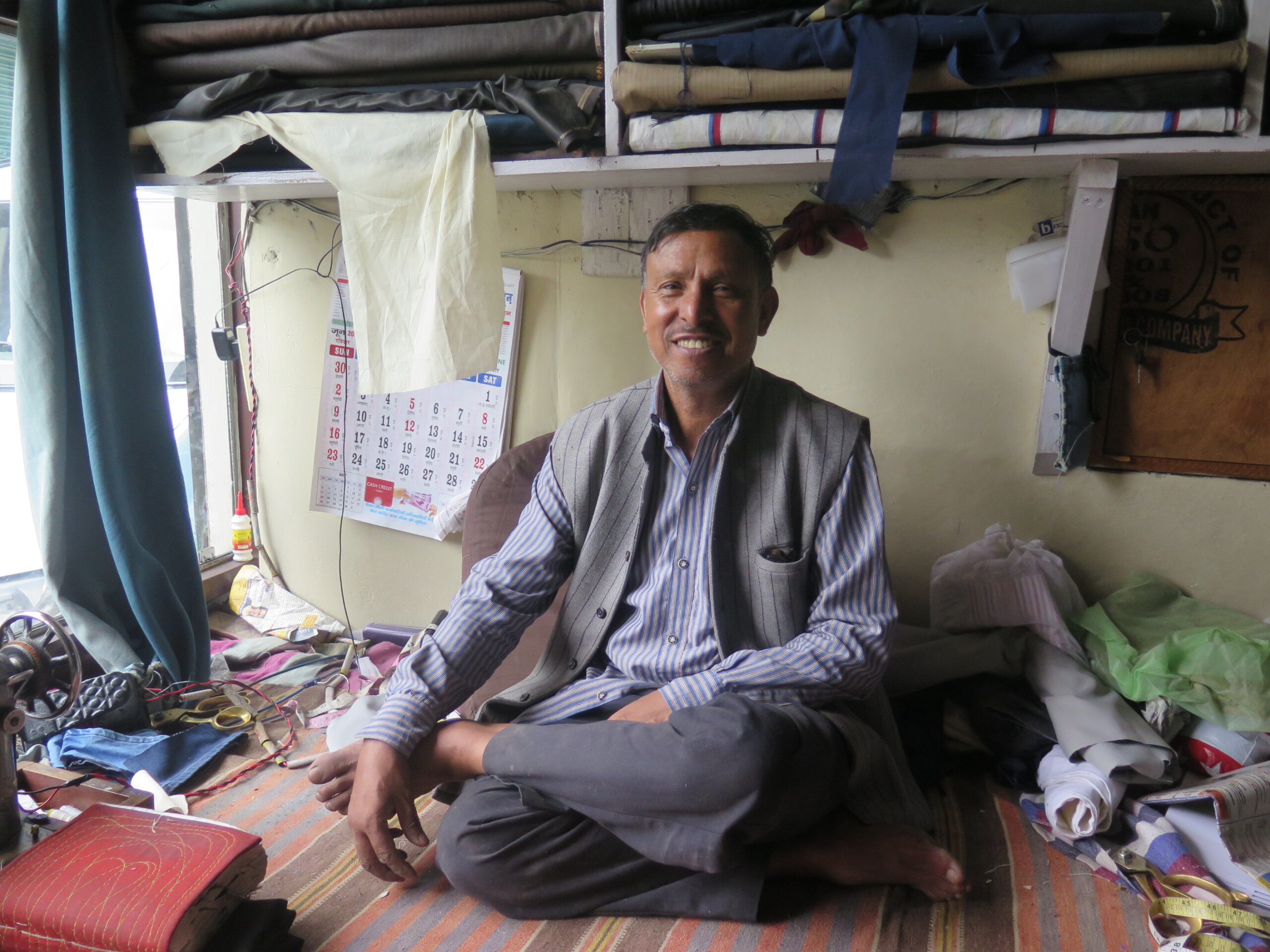
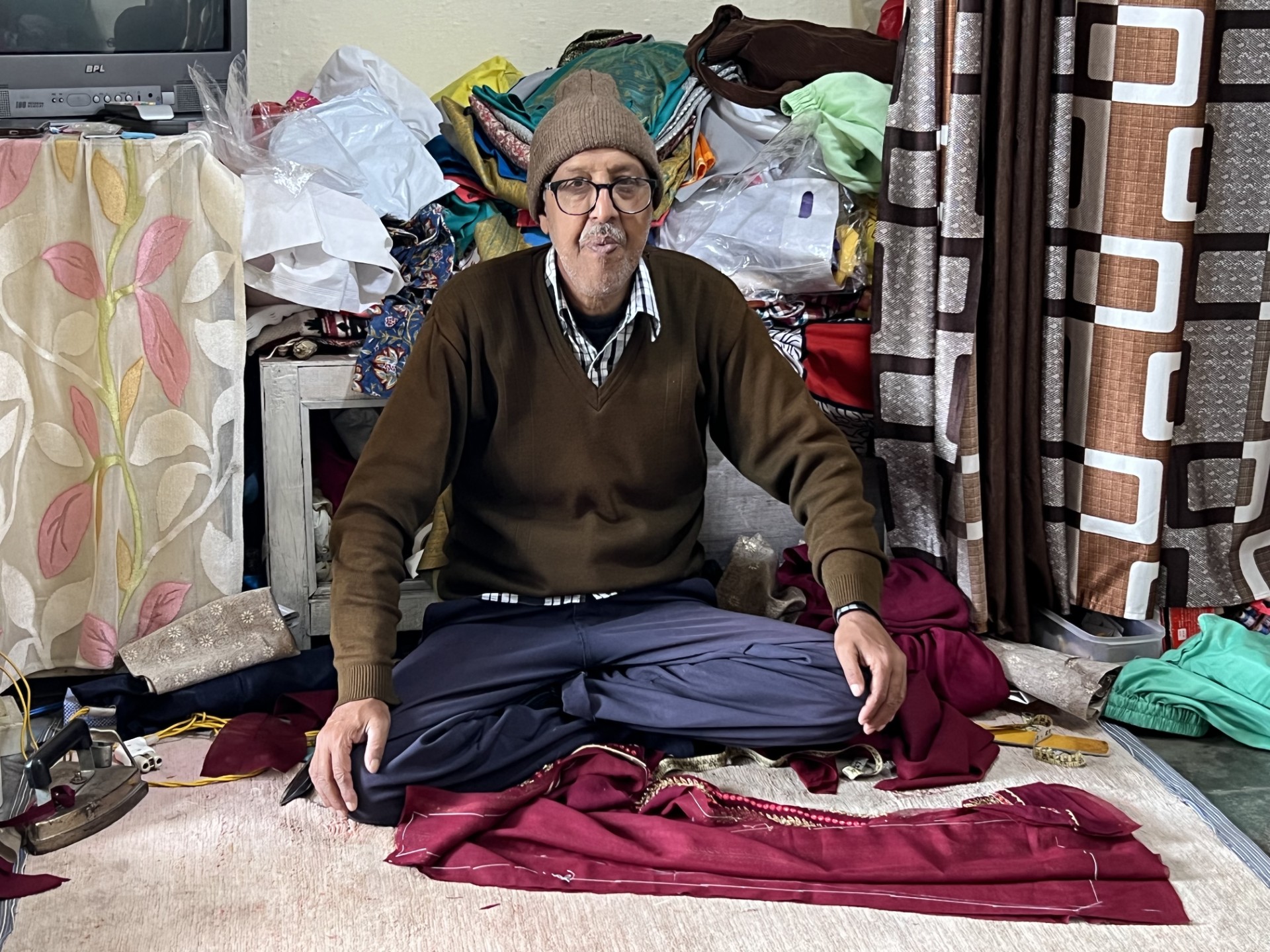
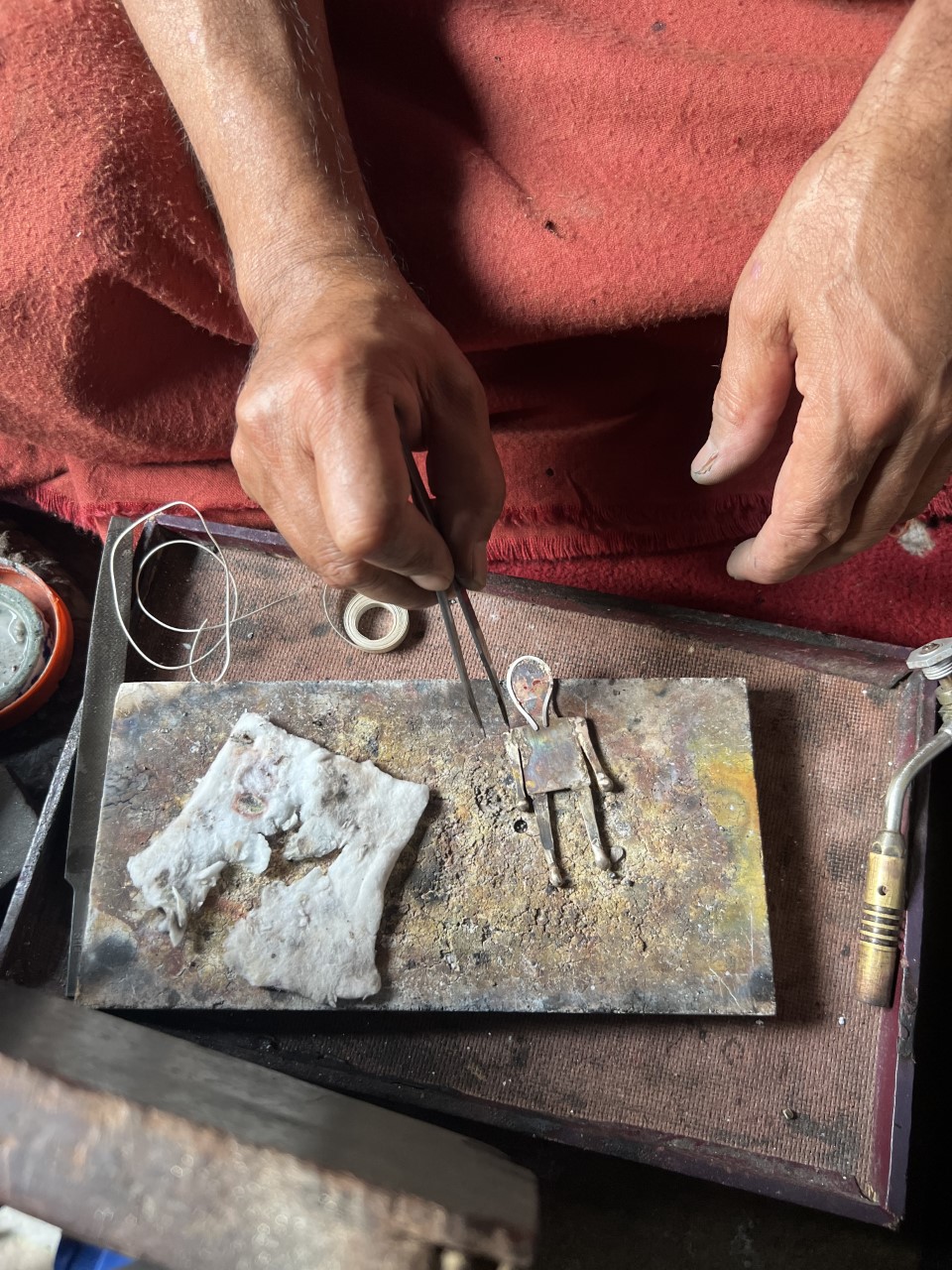
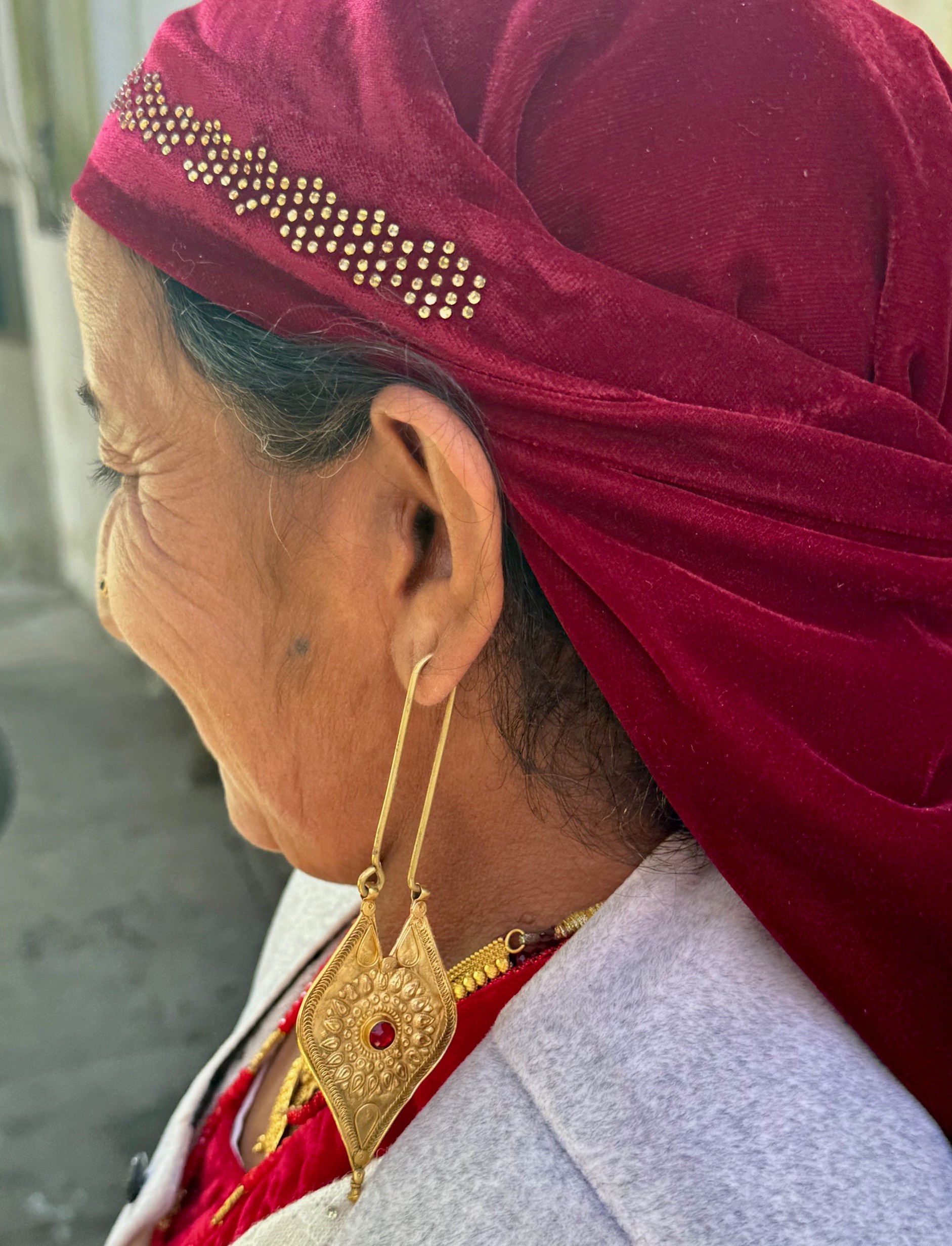
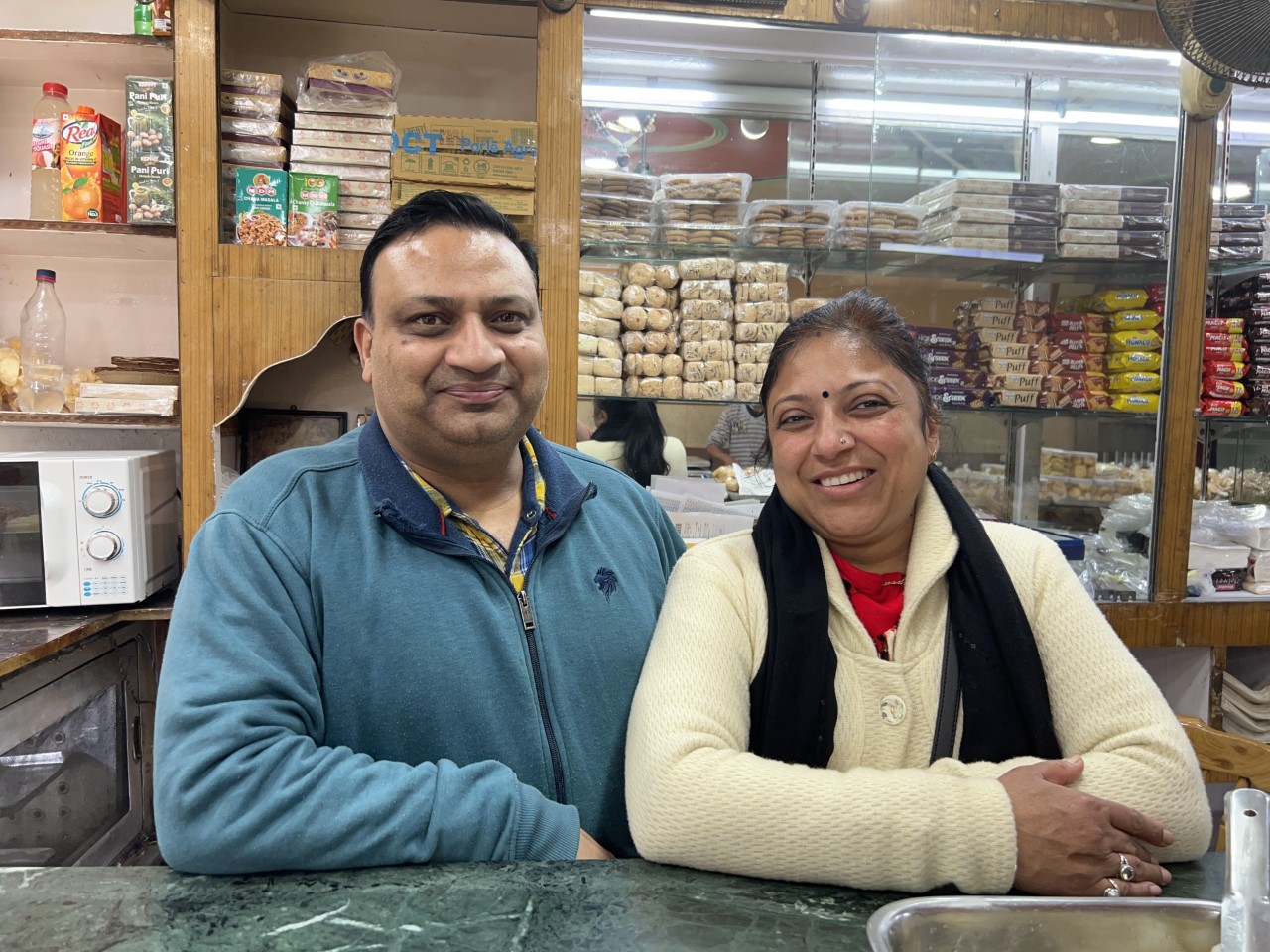
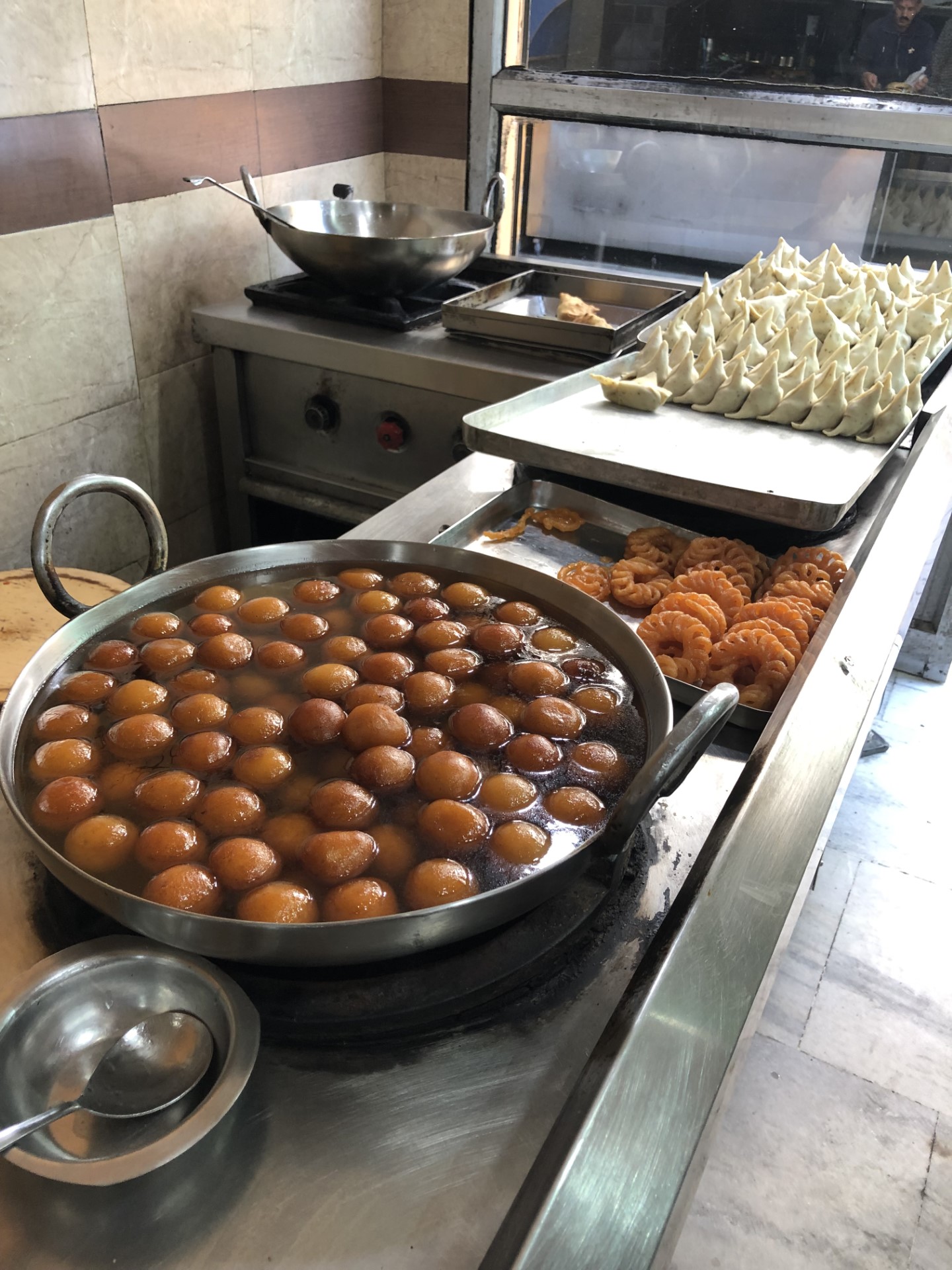
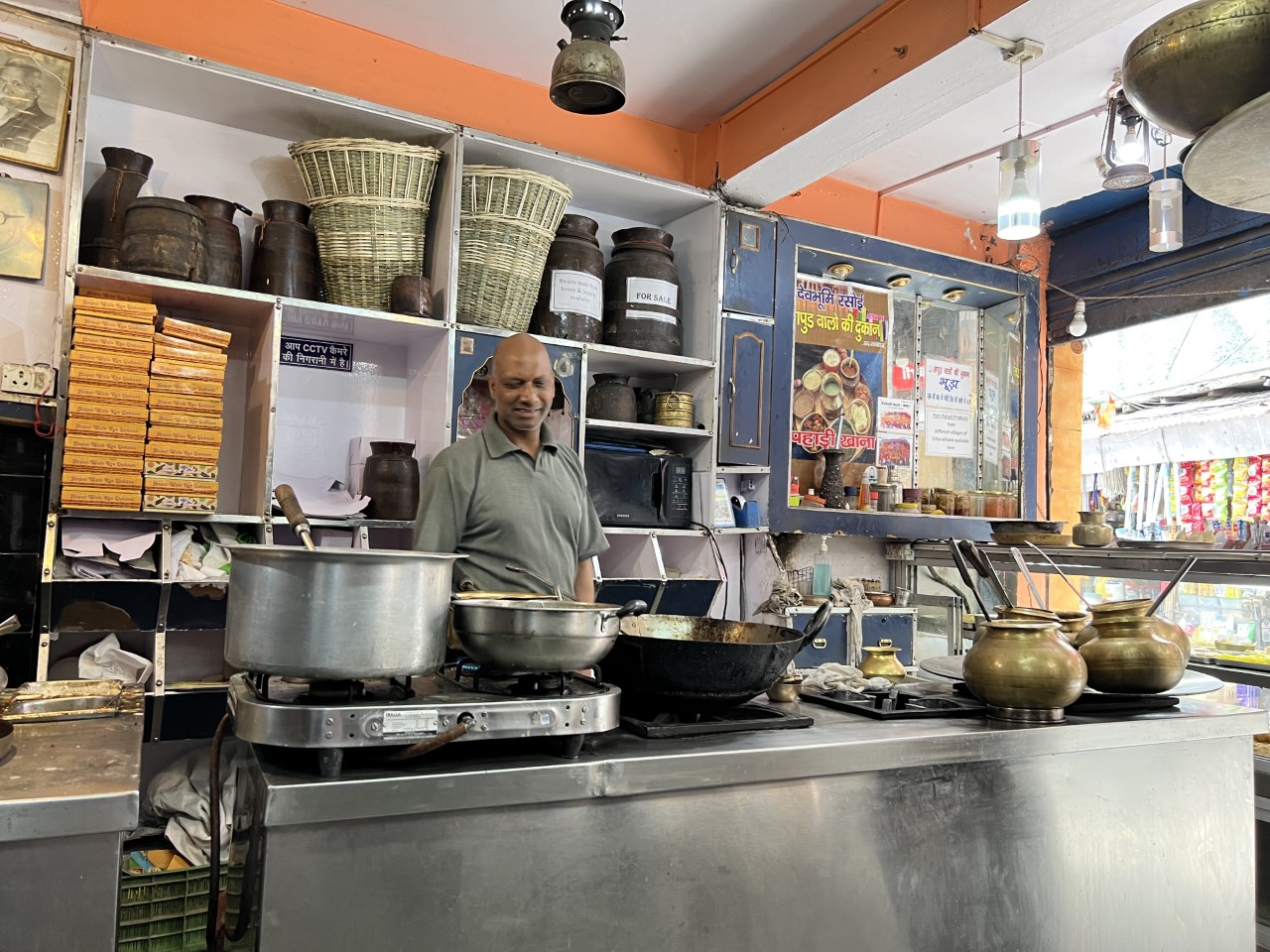
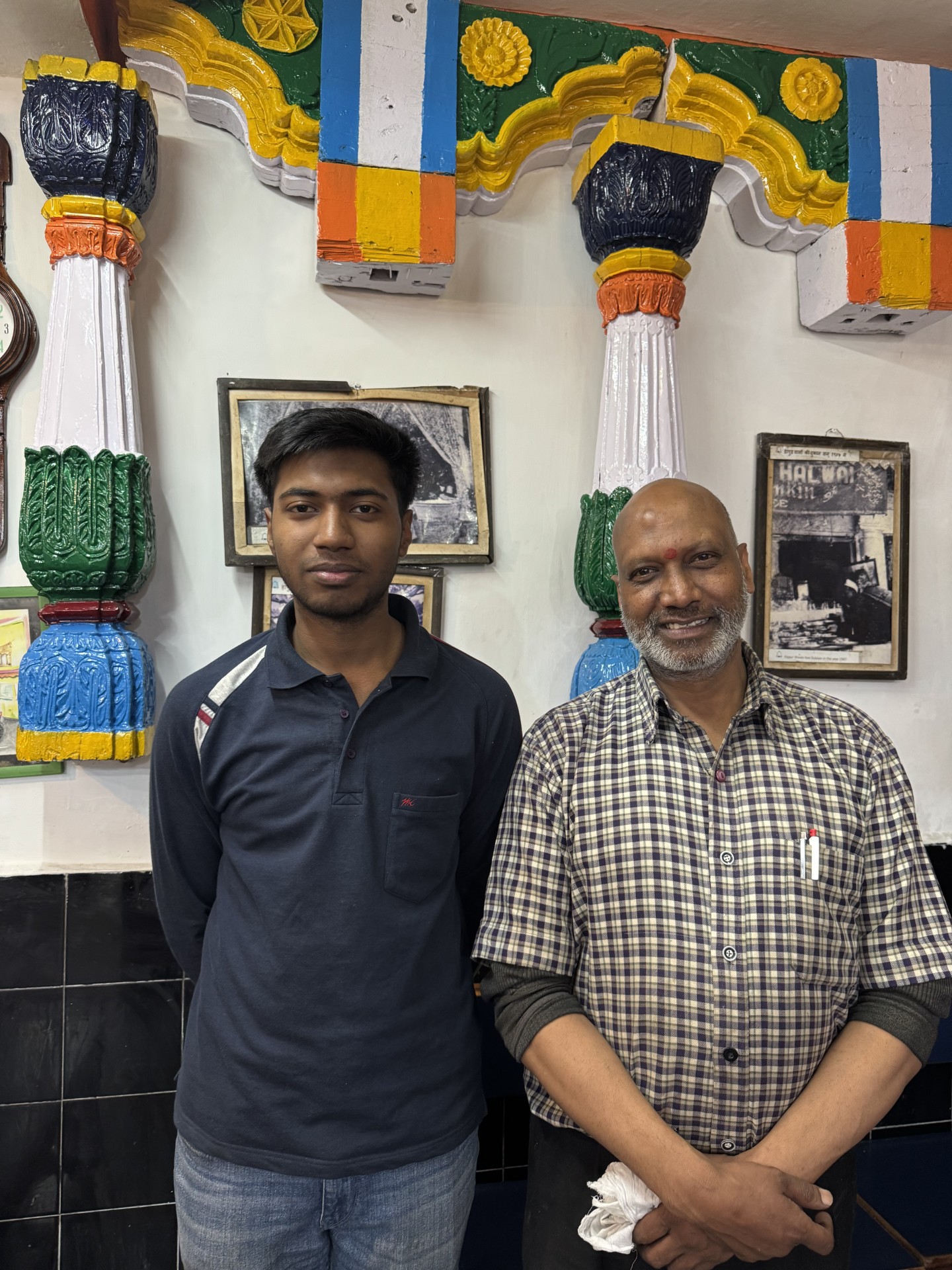
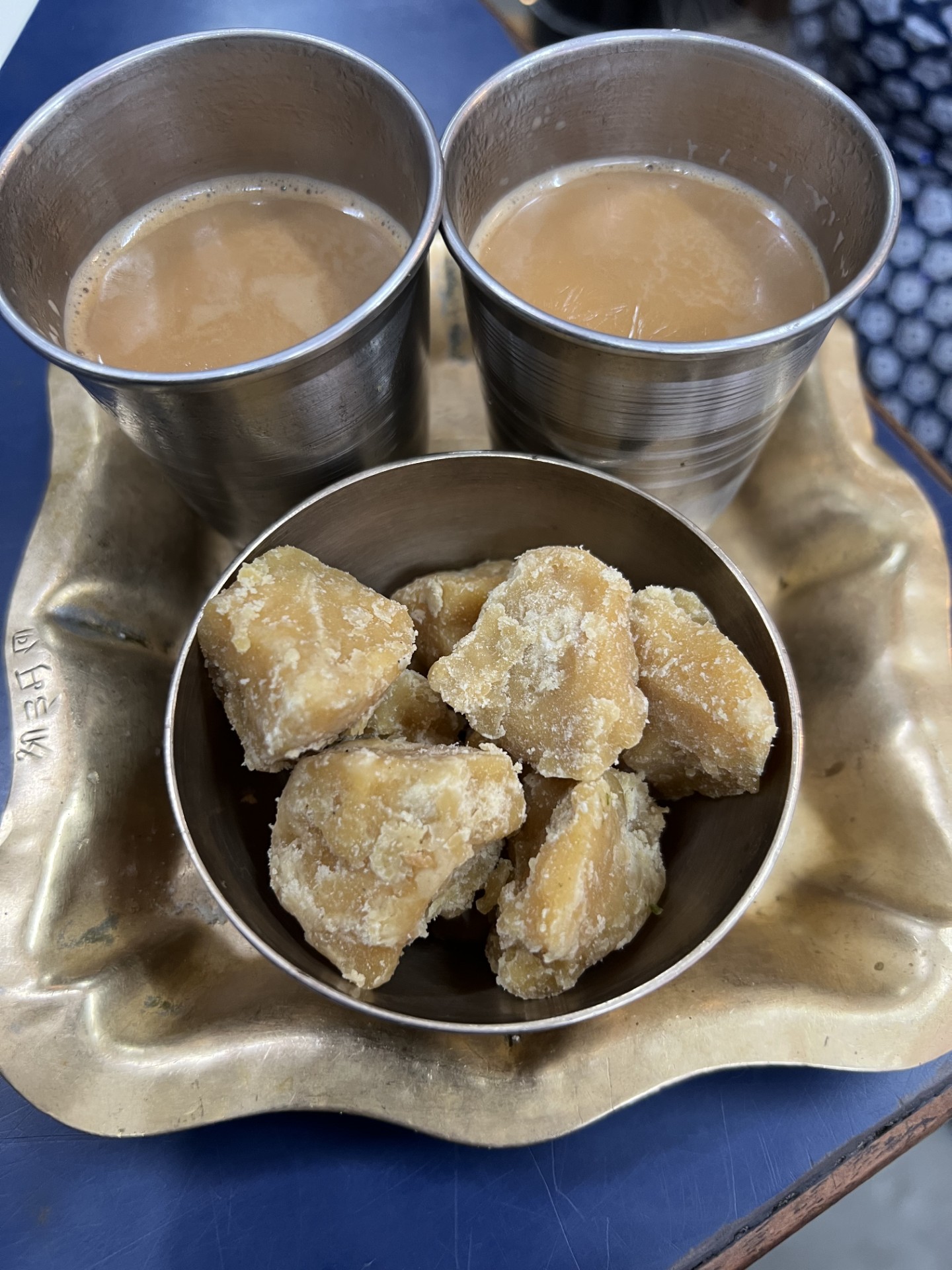
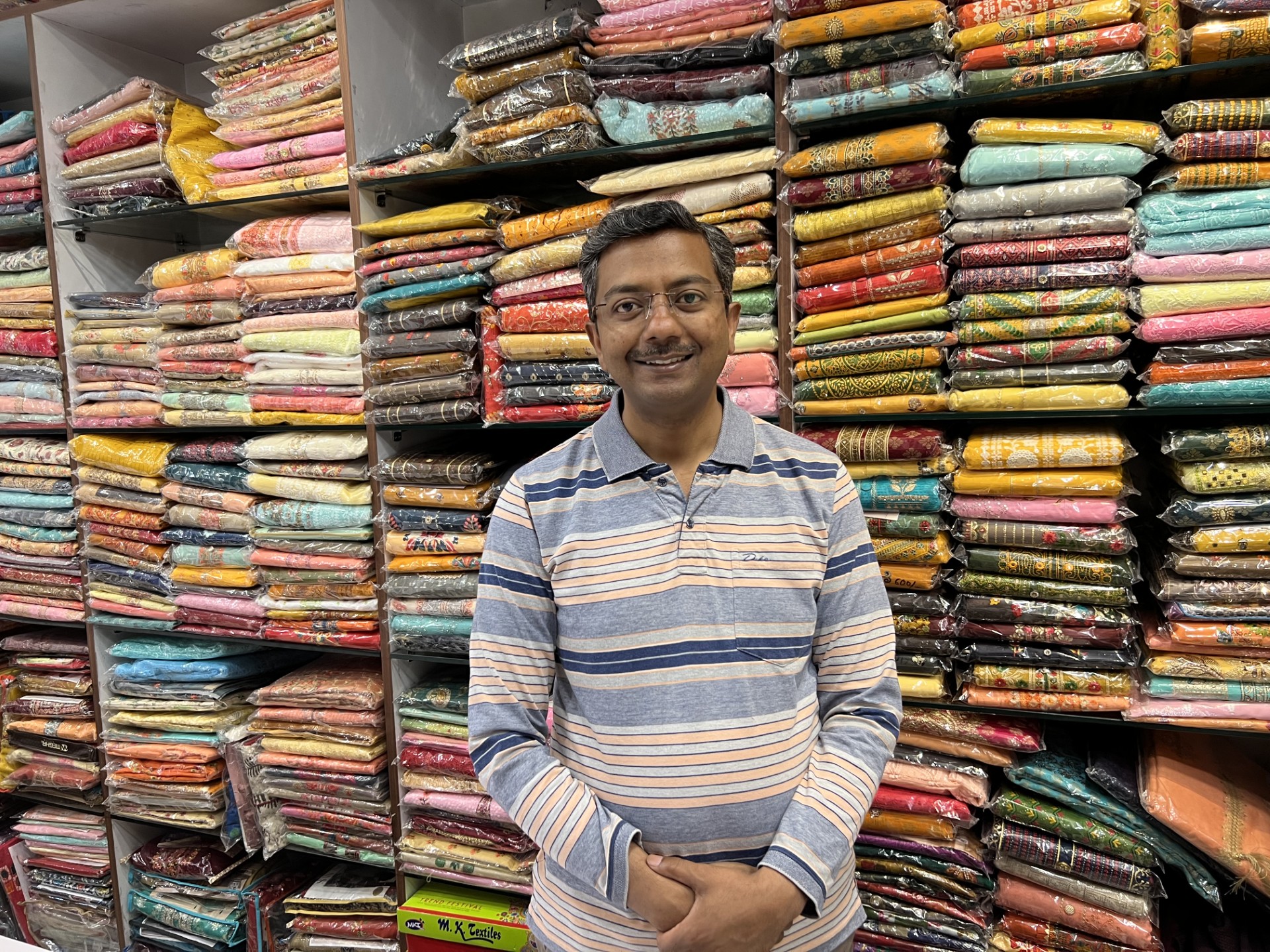
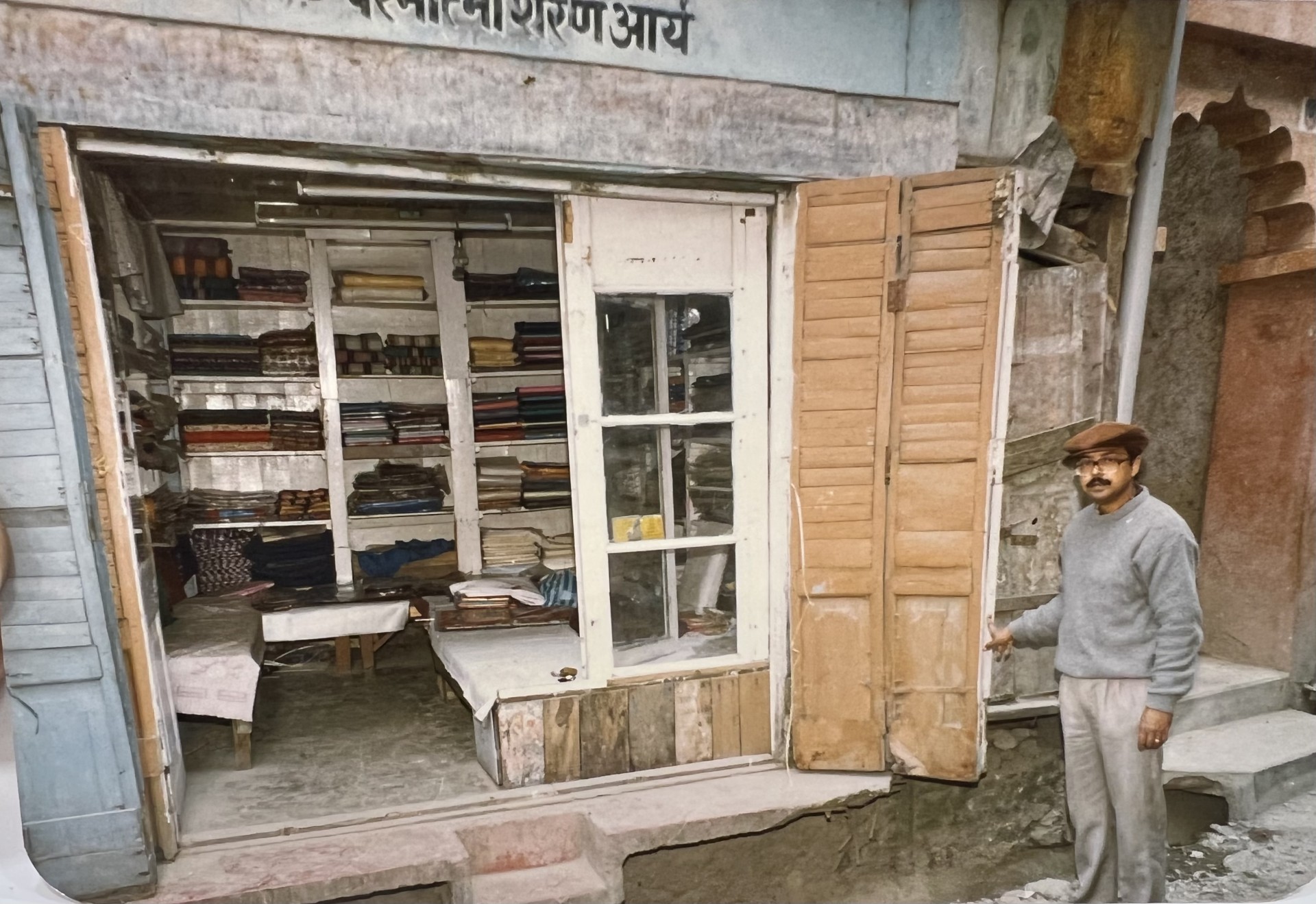
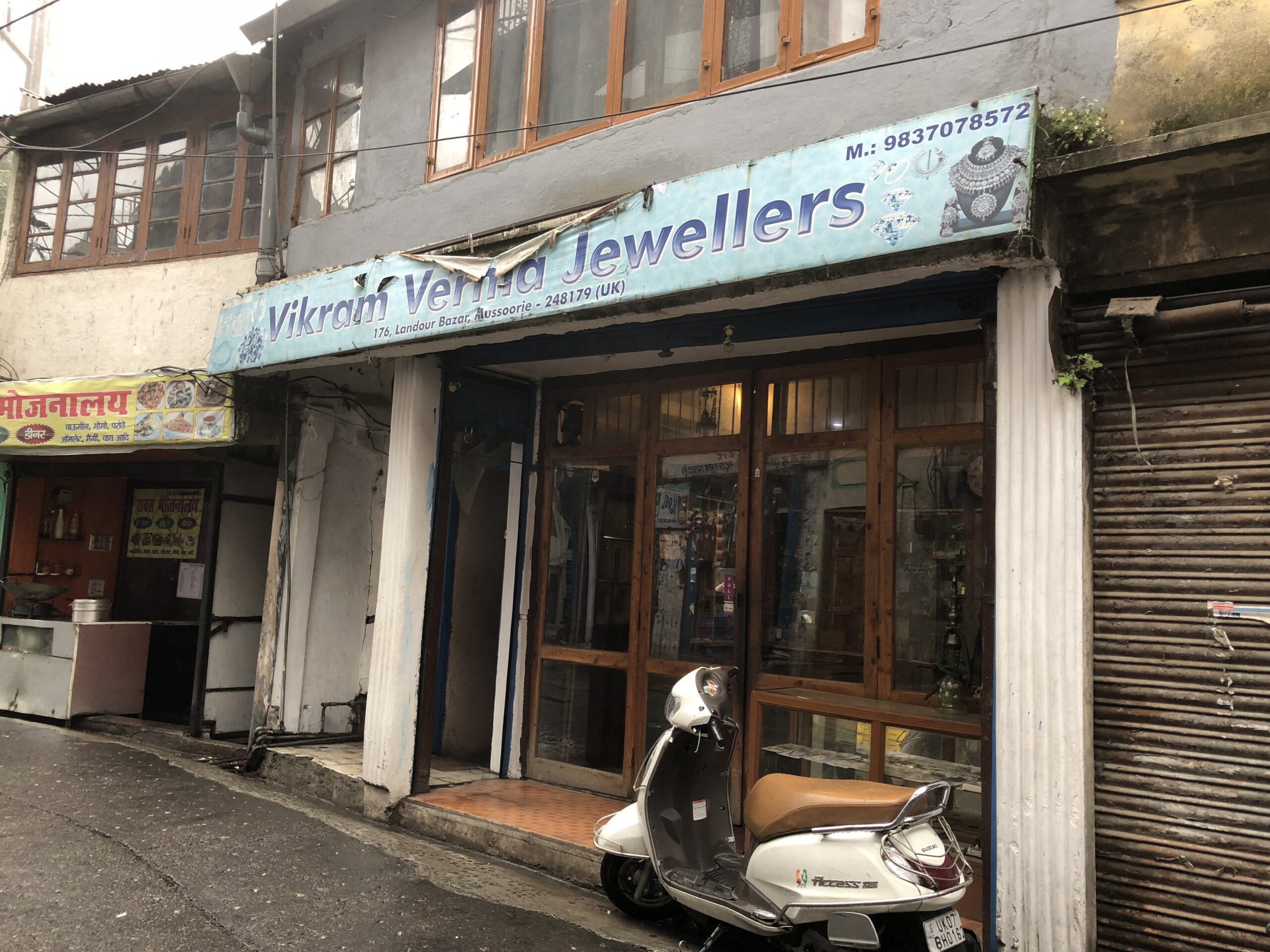
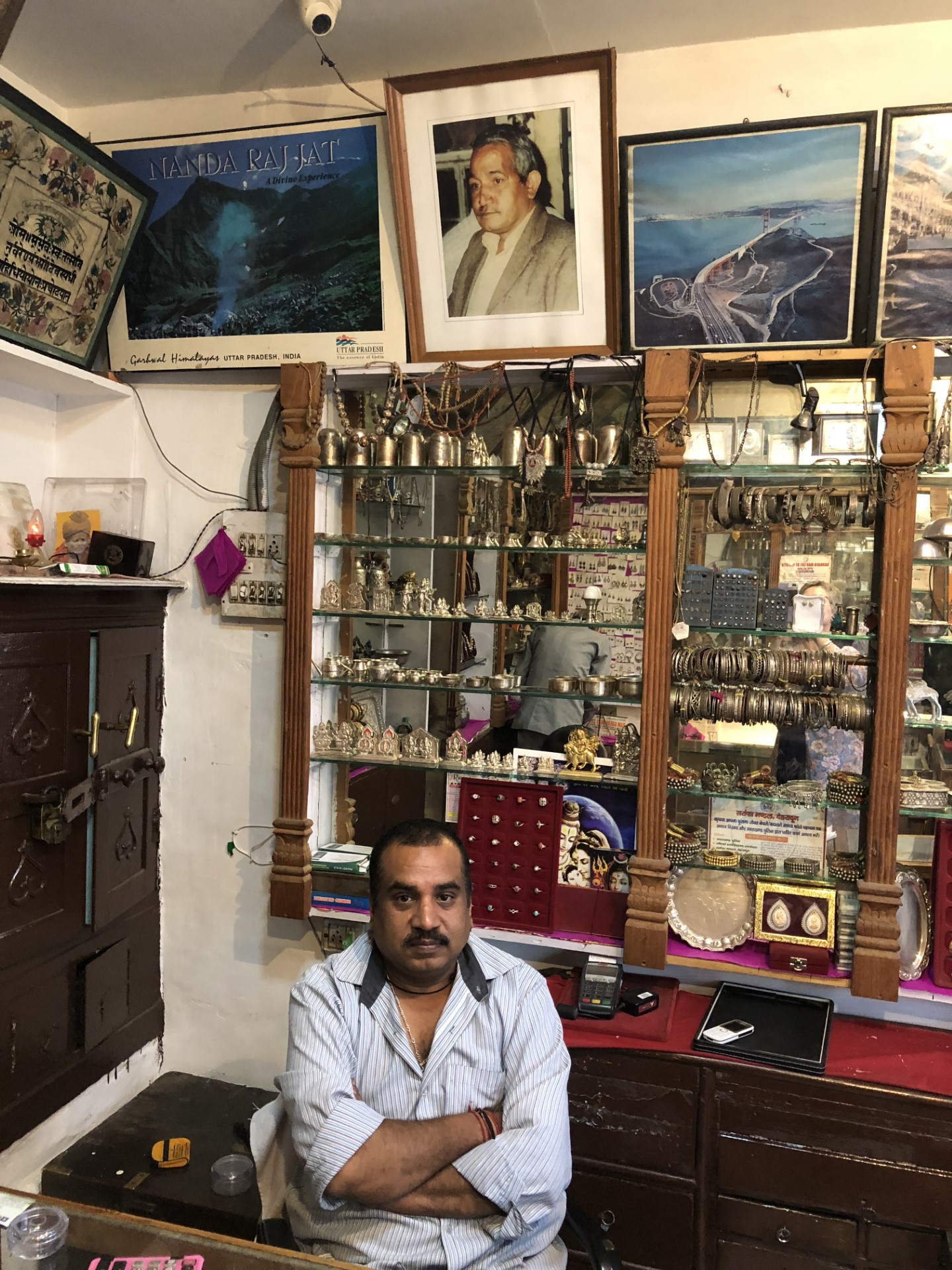
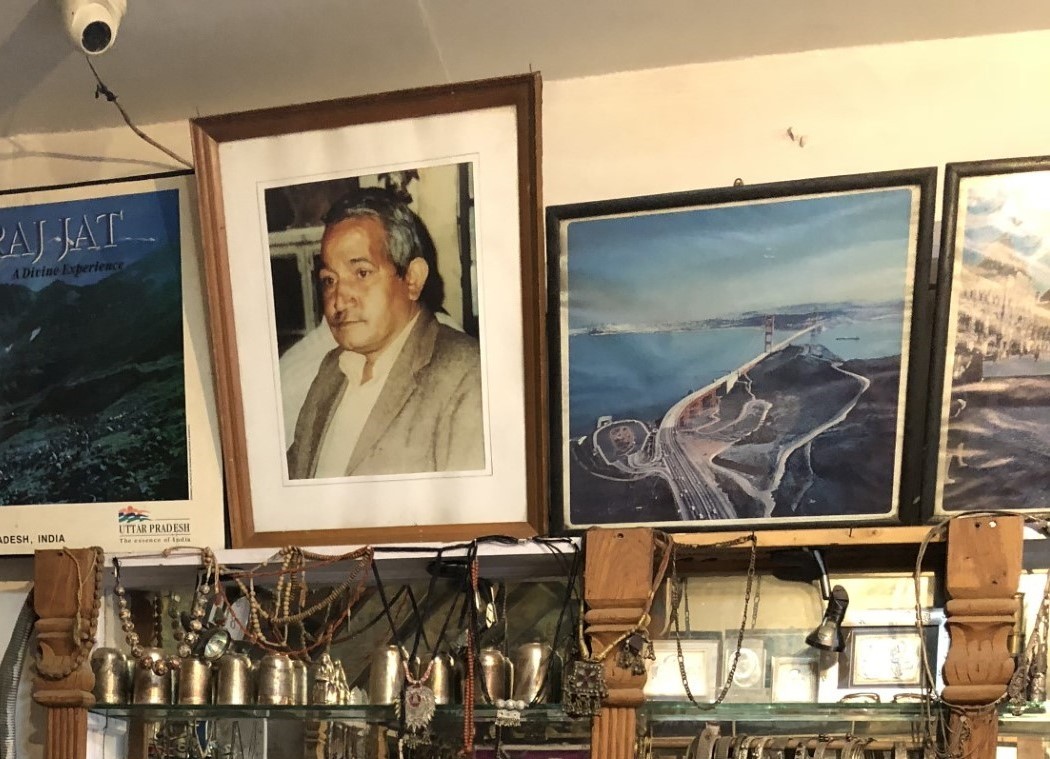
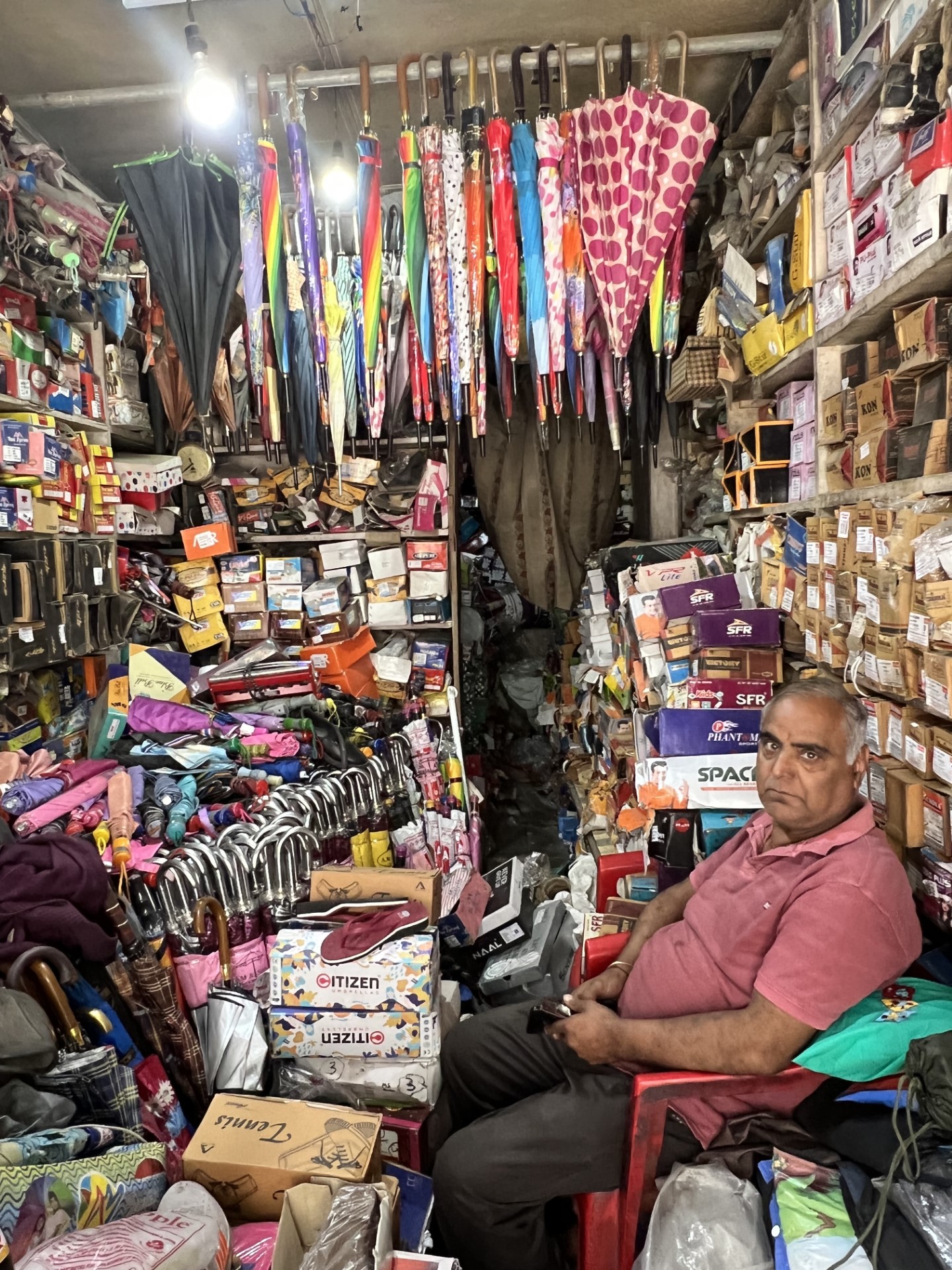
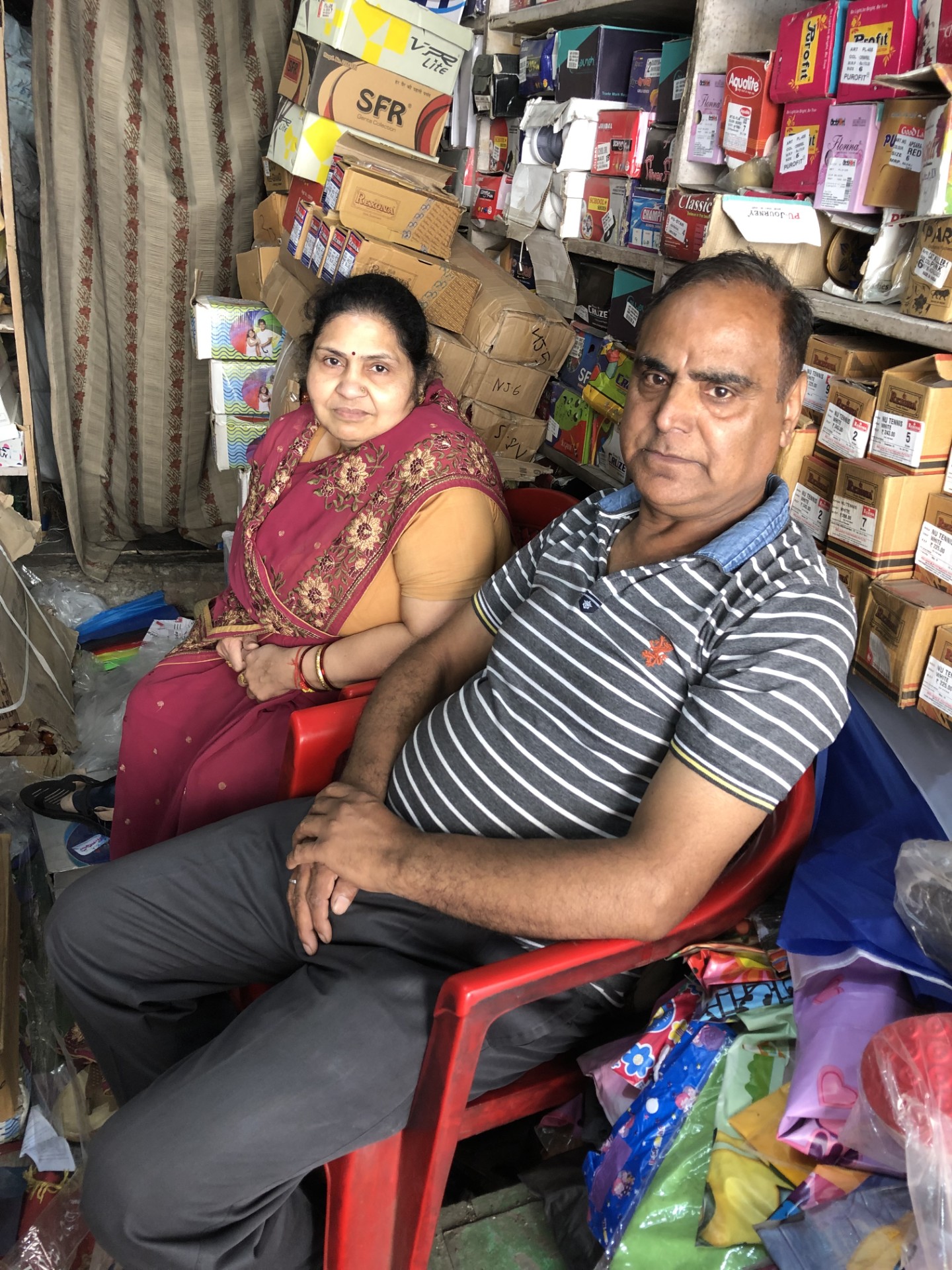
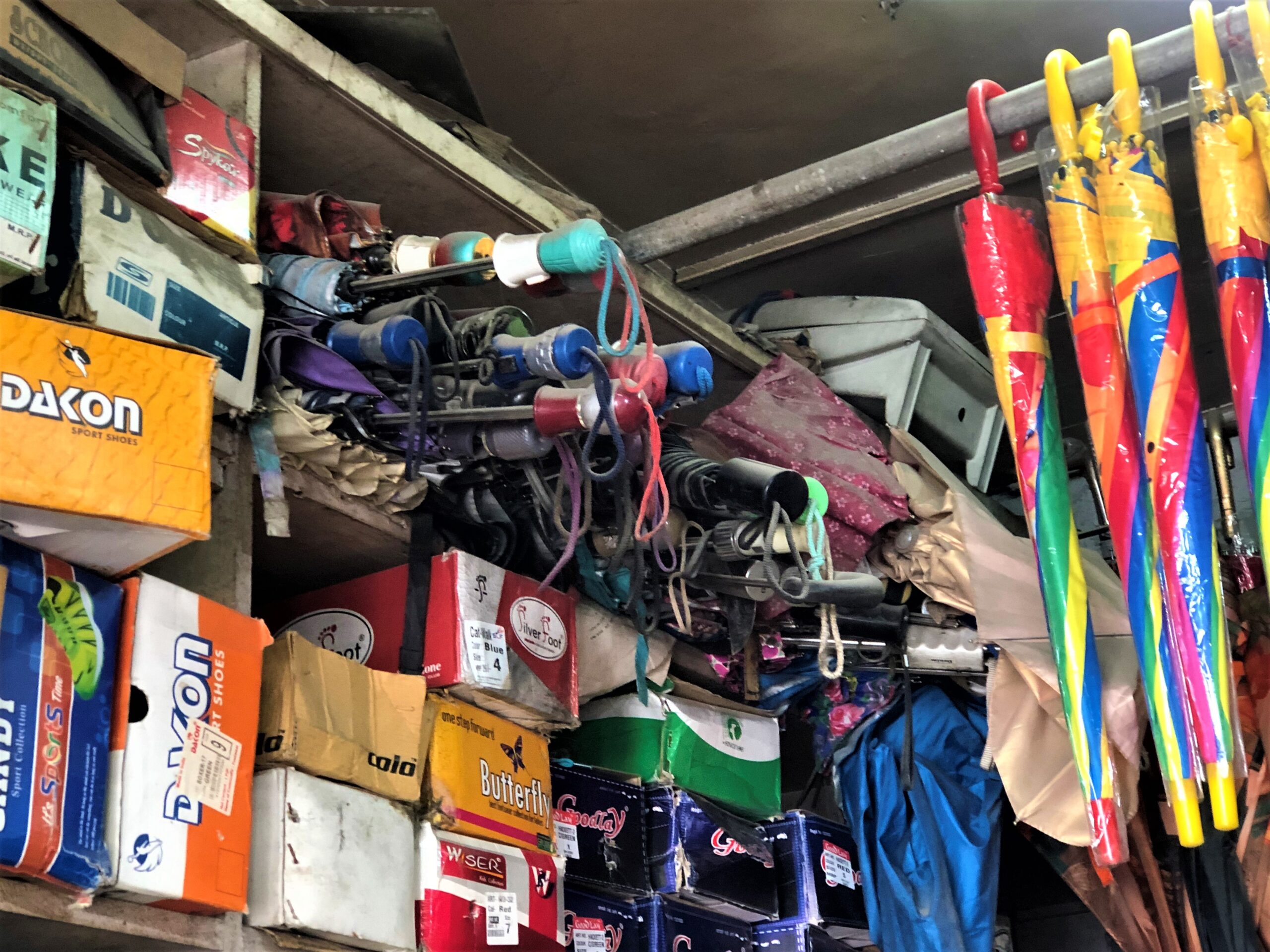
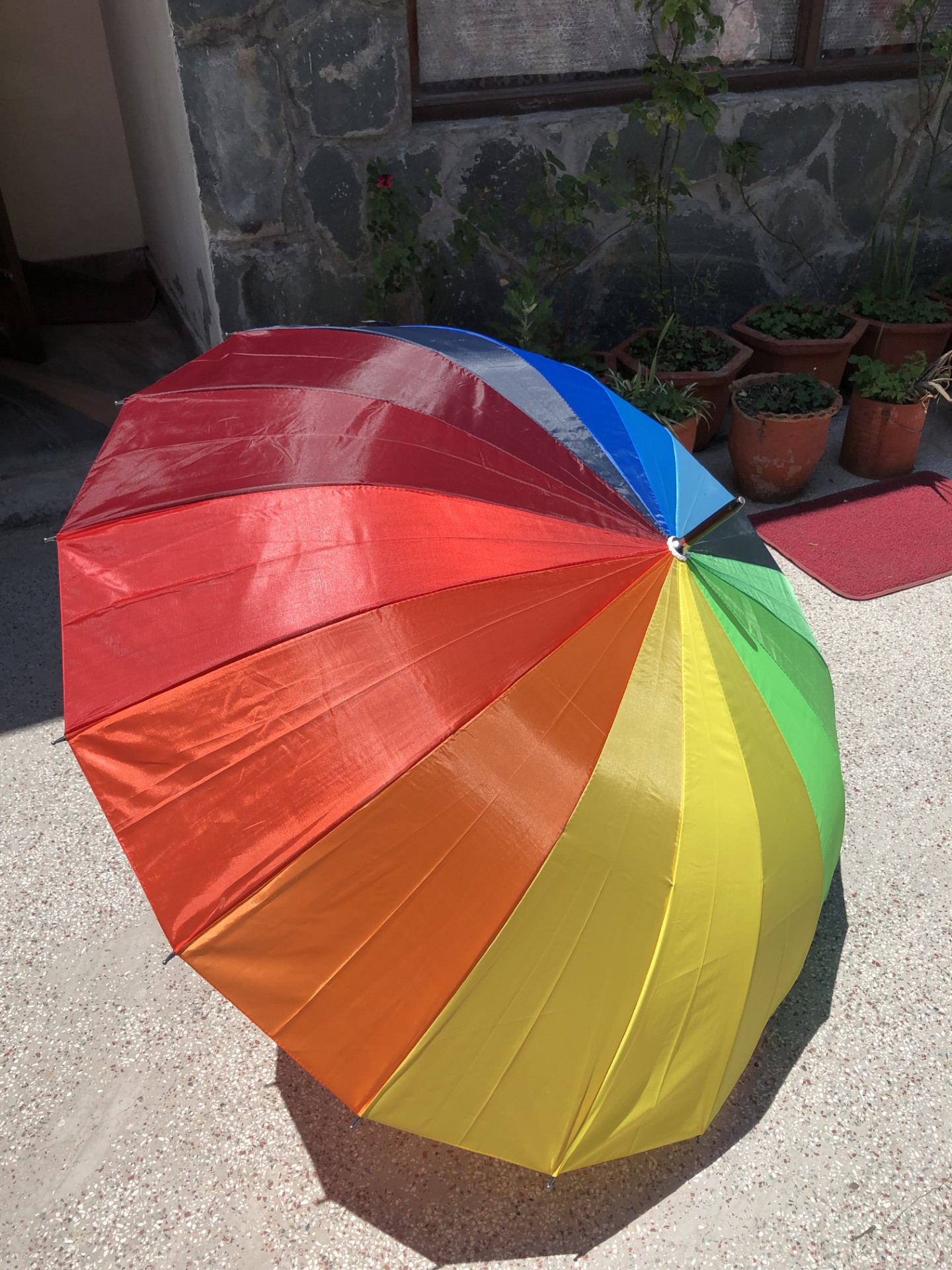
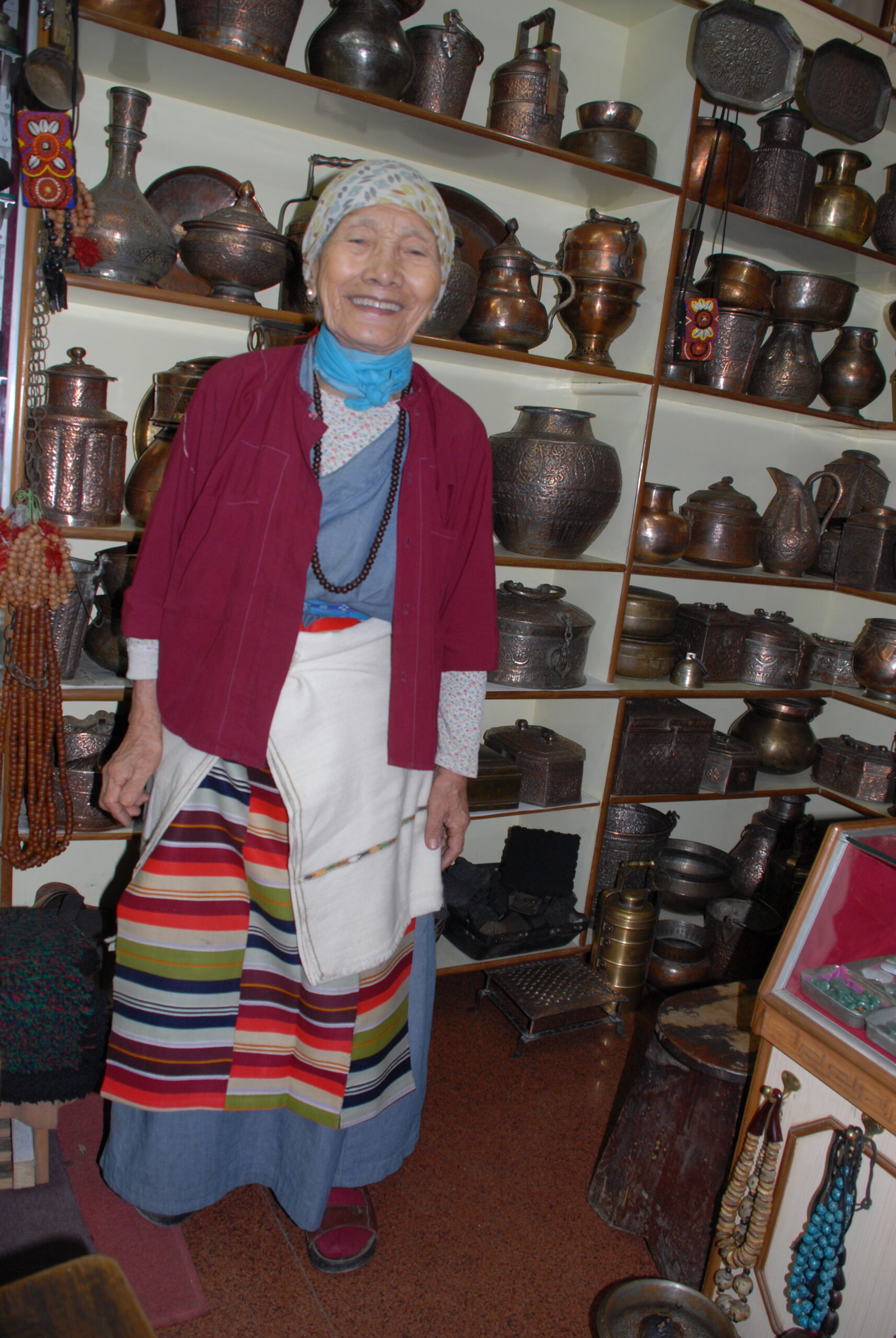
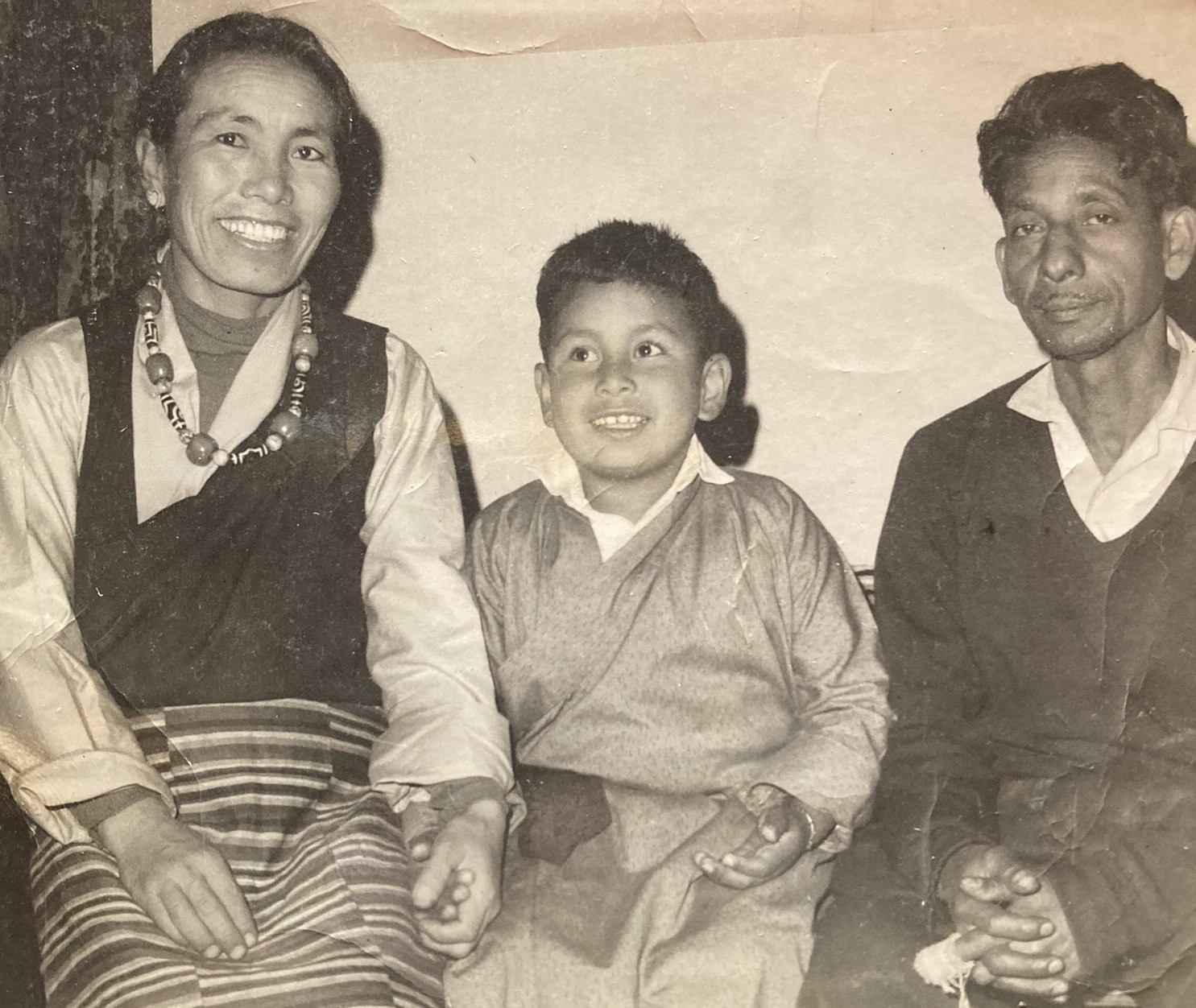
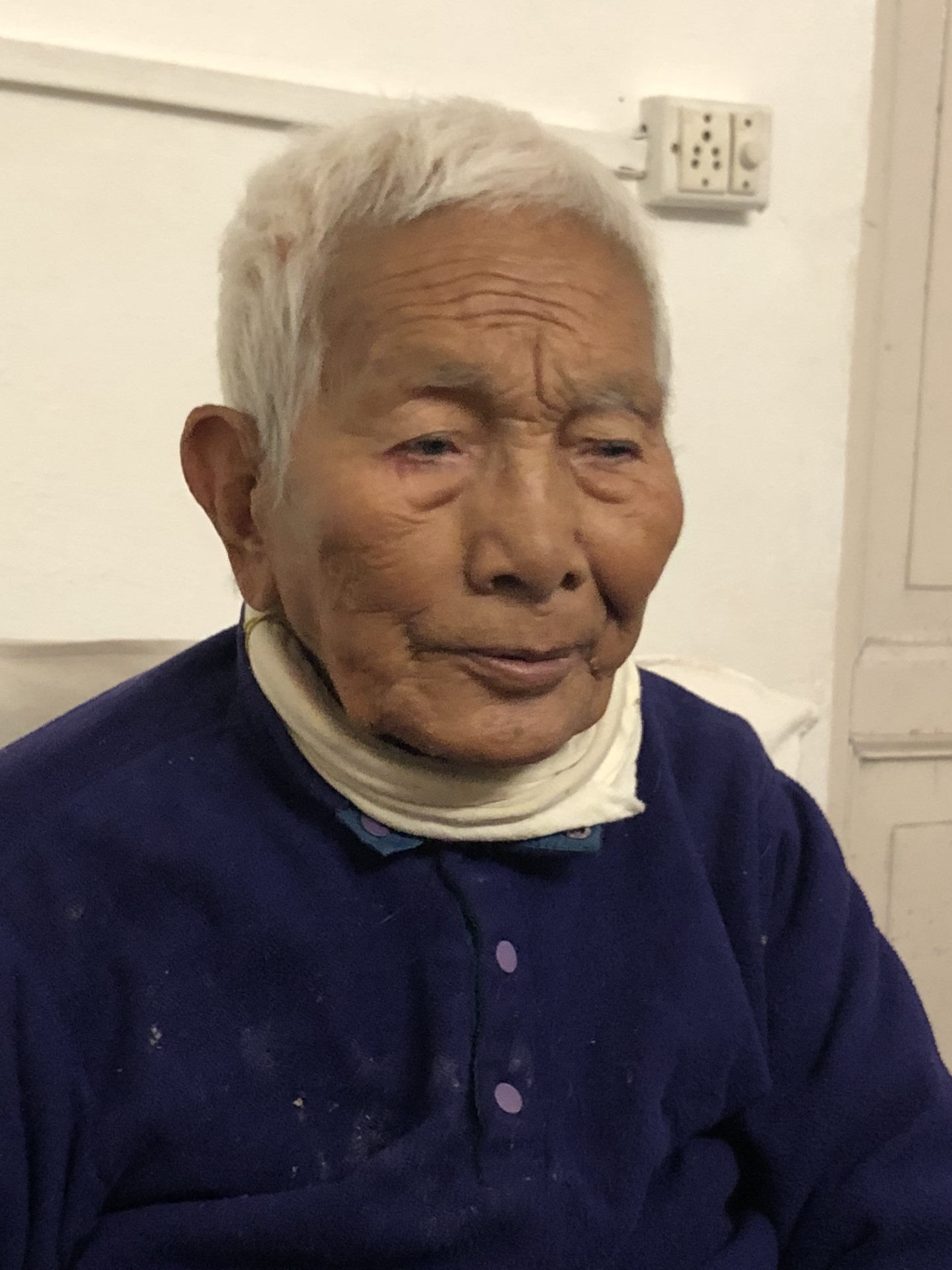
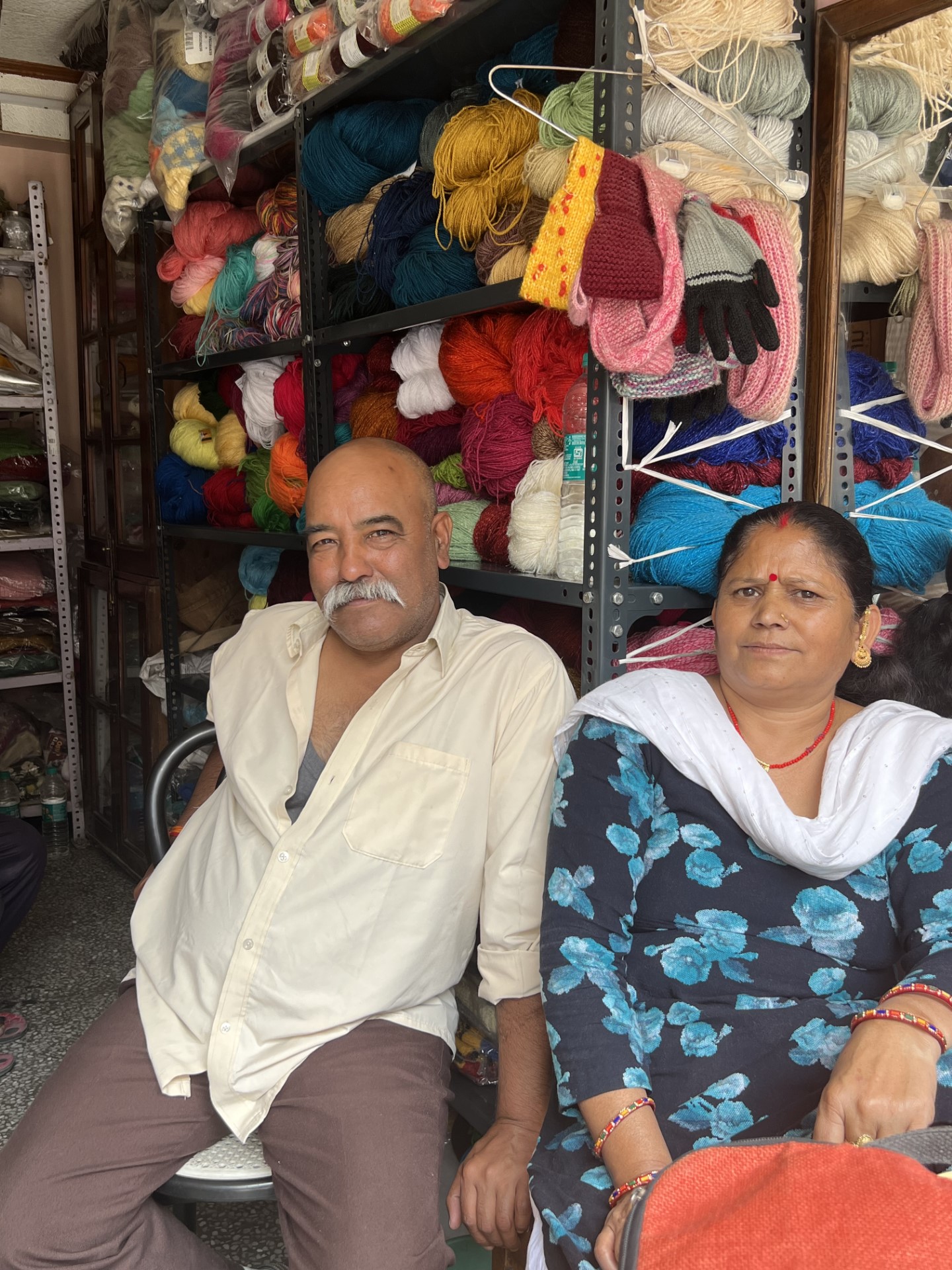
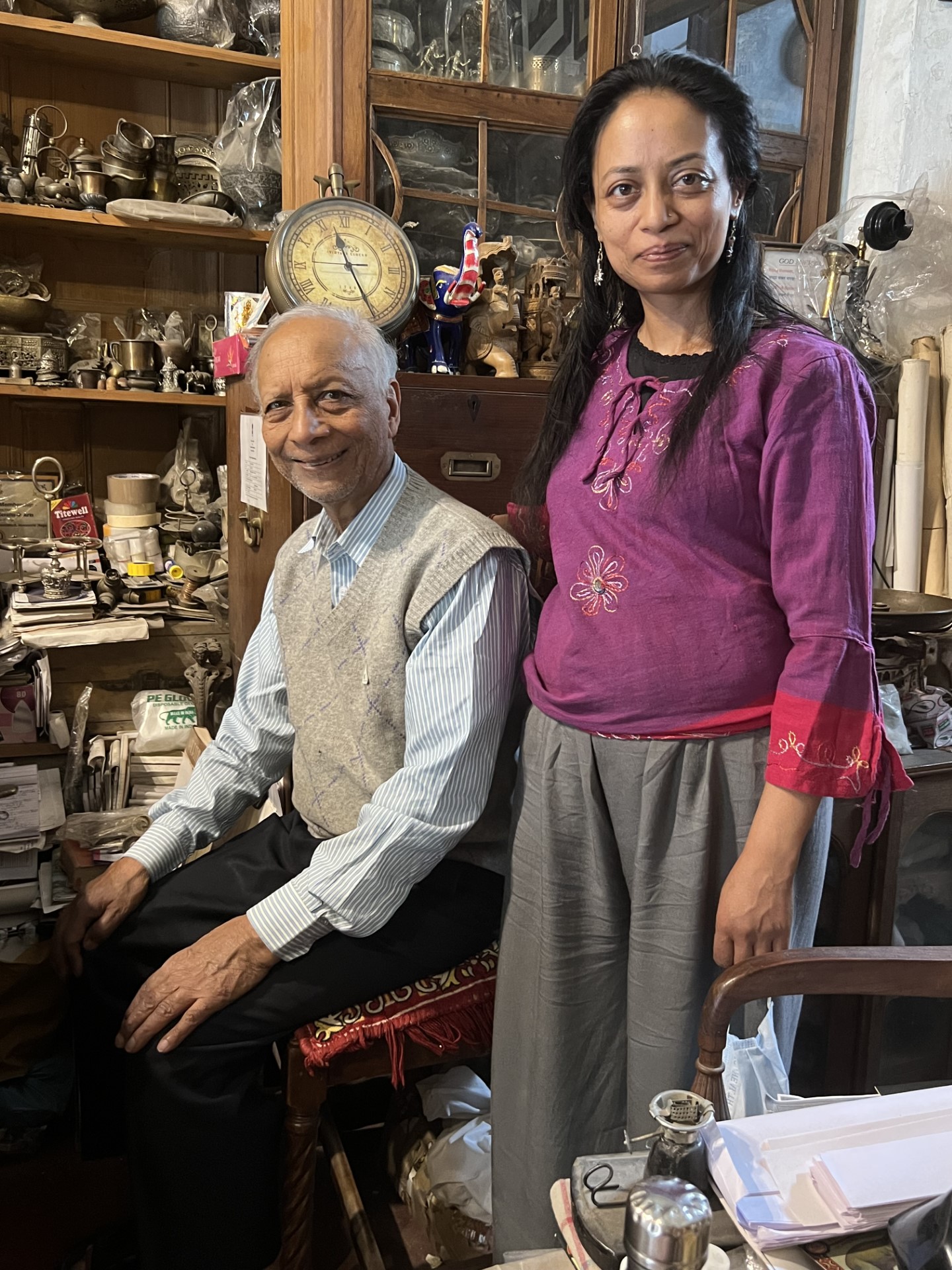
The photographs in this gallery appear in order in which their subjects are discussed in On Mullingar Hill; the first few photographs provide some contexts for Landour Bazaar.
On Mullingar Hill: Memory, Movement, and Belonging in a Himalayan Hill Station (Primus Books, 2025) tells the oral histories and personal narratives of twenty-three shopkeepers/residents in Landour Bazaar, Mussoorie, whose families have helped to create the culture and heritage of the Himalayan hill station. The book expands who “counts”, beyond colonial actors, in the histories of India’s hill stations. The shopkeepers’ families, some of whose fathers Flueckiger knew growing up in Landour and attending Woodstock School, have migrated from across northern South Asia, and others continue to come from Garhwali mountain villages for economic opportunities. However, many of their descendants are now moving off the mountain for more opportunities; as a popular proverb observes, “Pahar ka pani pahar ki javani—the waters of the mountain, the youth of the mountains”, both go downhill. The continual movement by a diverse population in and out of the bazaar has created a unique local cosmopolitanism. Each shopkeeper’s narrative offers perspectives on agency, identity, home, and belonging—issues relevant beyond the hill station. Flueckiger concludes that belonging in a place where, as one shopkeeper asserted, “no one is from”, is continually re-created through rituals, processions, and everyday interactions; “home” is multiple, gendered, and context-specific; and movement itself is part of Mussoorie’s heritage (See “From Where They Came” for a map of sites from which bazaar dwellers’ ancestors or they themselves came to Landour Bazaar.)
Click on any image to expand and see the caption for that image.