Gender & Genre in the Folklore of Middle India

Gender and Genre in the Folklore of Middle India (Cornell University Press, 1996).  

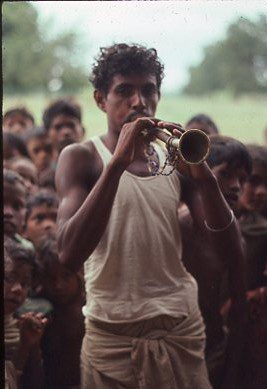
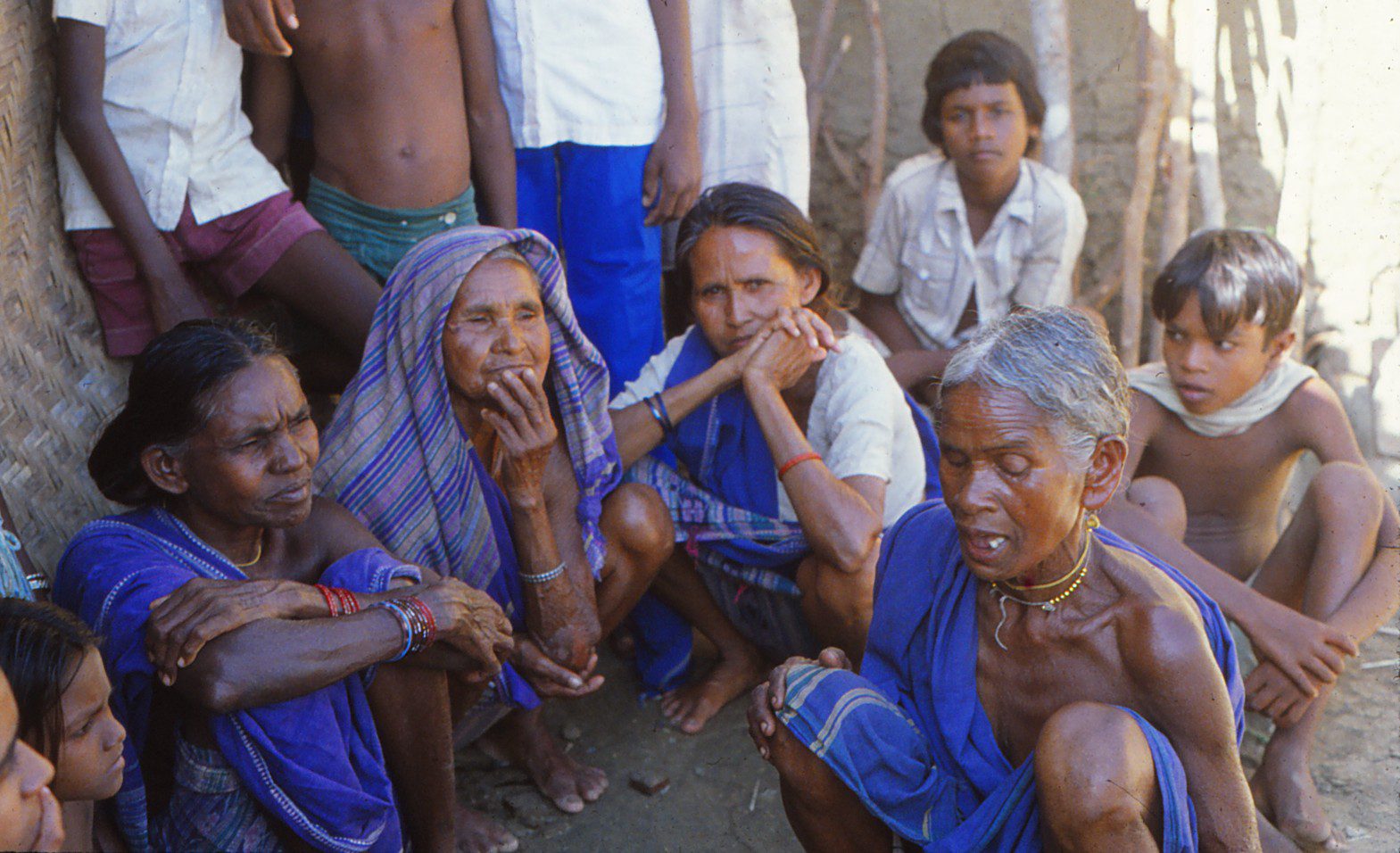
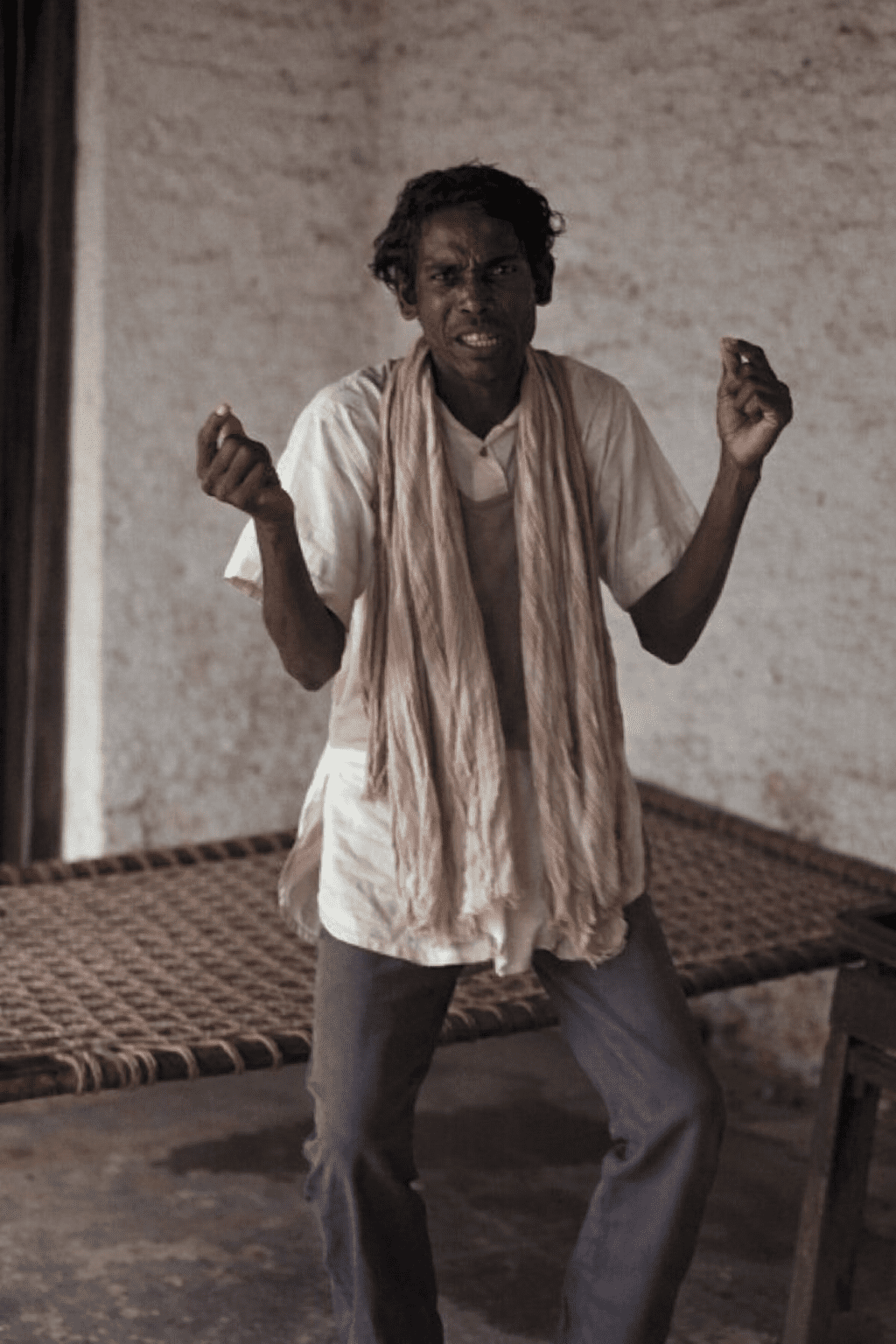
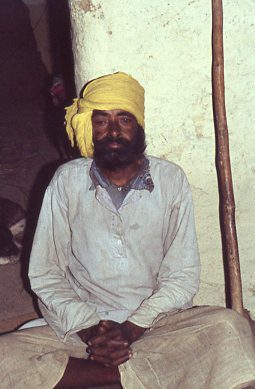
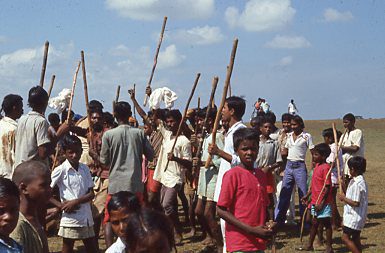
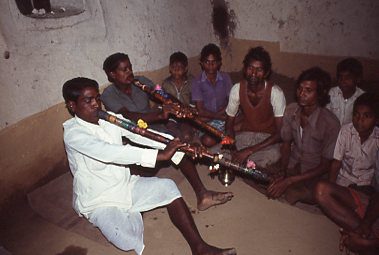
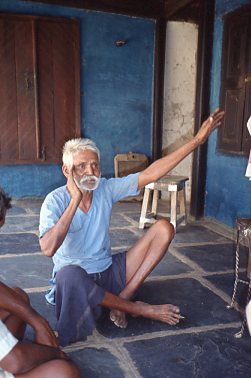
Analyzes six representative Indian folklore genres (from an unmarried girls’ song genre to a regional epic) from a single regional repertoire in Chhattisgarh. Flueckiger found that these genres are indigenously identified by social categories of performers and audiences and context (unmarried girls, the region of Chhattisgarh, etc.) rather than by form (song, epic, story). To analyze specific genres in an inter-performative repertoire of other genres identified as “Chhattisgarhi” provides a contextual commentary on each genre, respectively, and their relationships. For example, the Chhattisgarhi genre of Pandvani is not associated with the Mahabharata, whose story it is based on, or the other pan-Indian epic of the Ramayana, but with another publicly performed Chhattisgarhi epic, Candaini. It is said that “Pandvani is sung from our hearts, whereas the Ramayan is shastra.”  The regional repertoire under examination presents a strikingly female-centered world. Female characters (and performers) are active, articulate, and frequently challenge or defy dominant expectations of gender; male characters also confound traditional gender roles. Flueckiger includes the translations of two long performance texts of narratives sung by female and male storytellers, respectively.
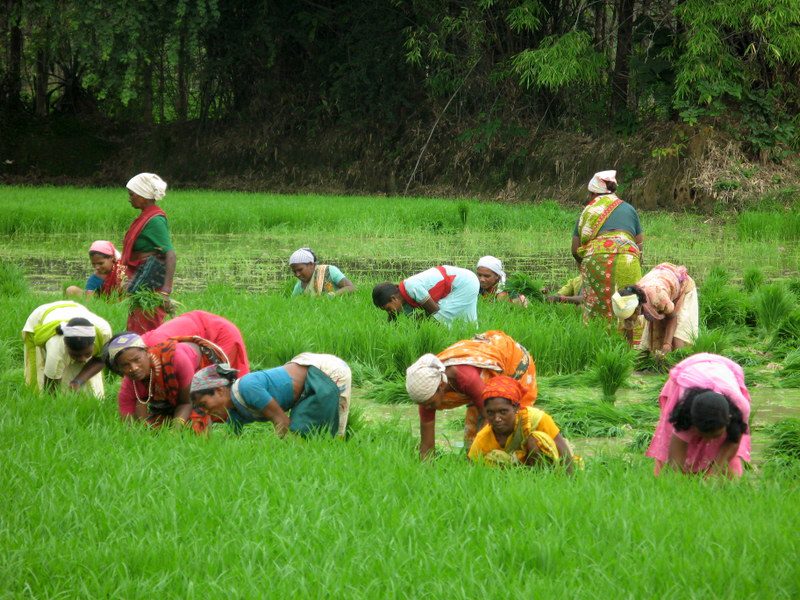
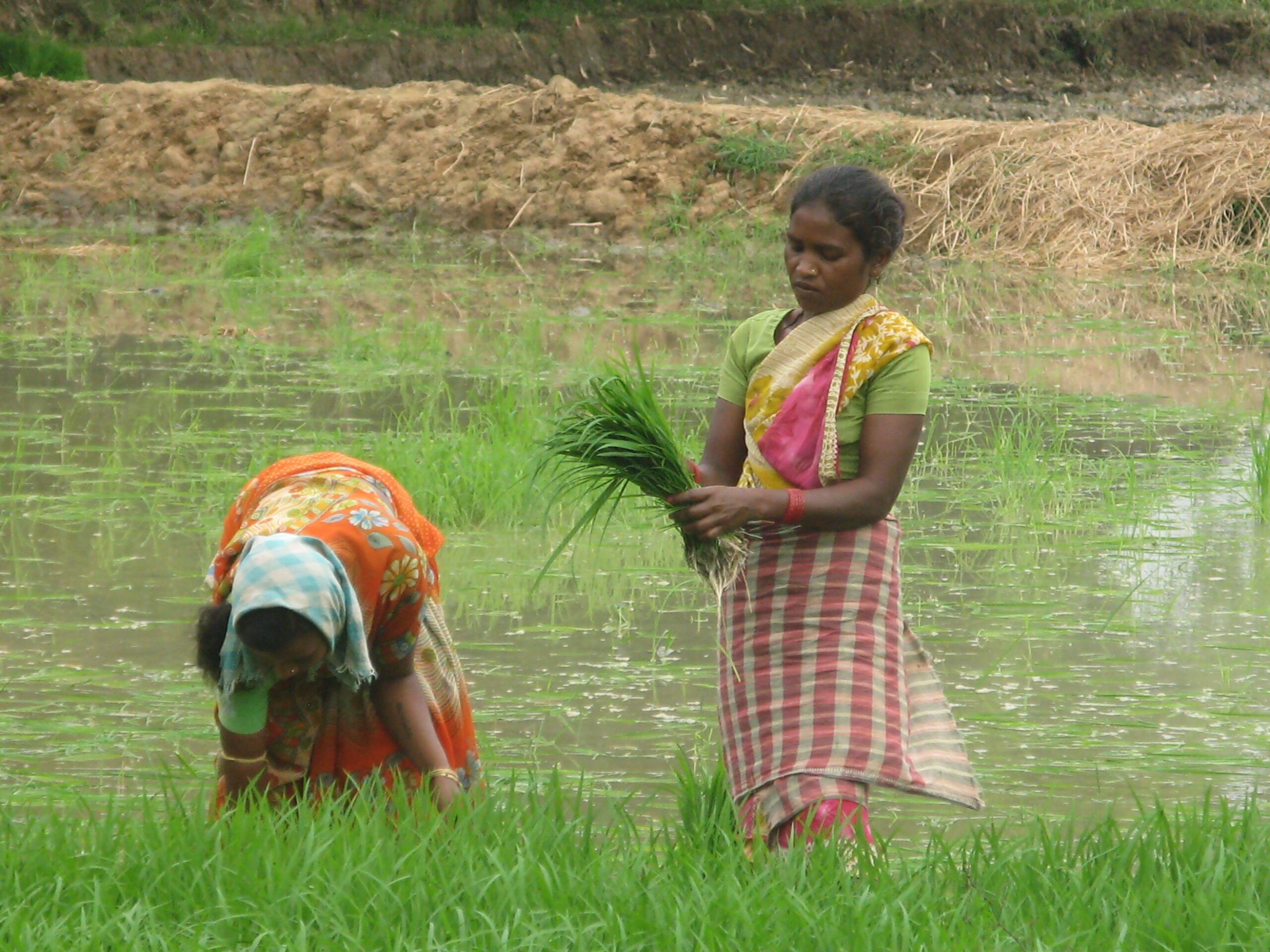
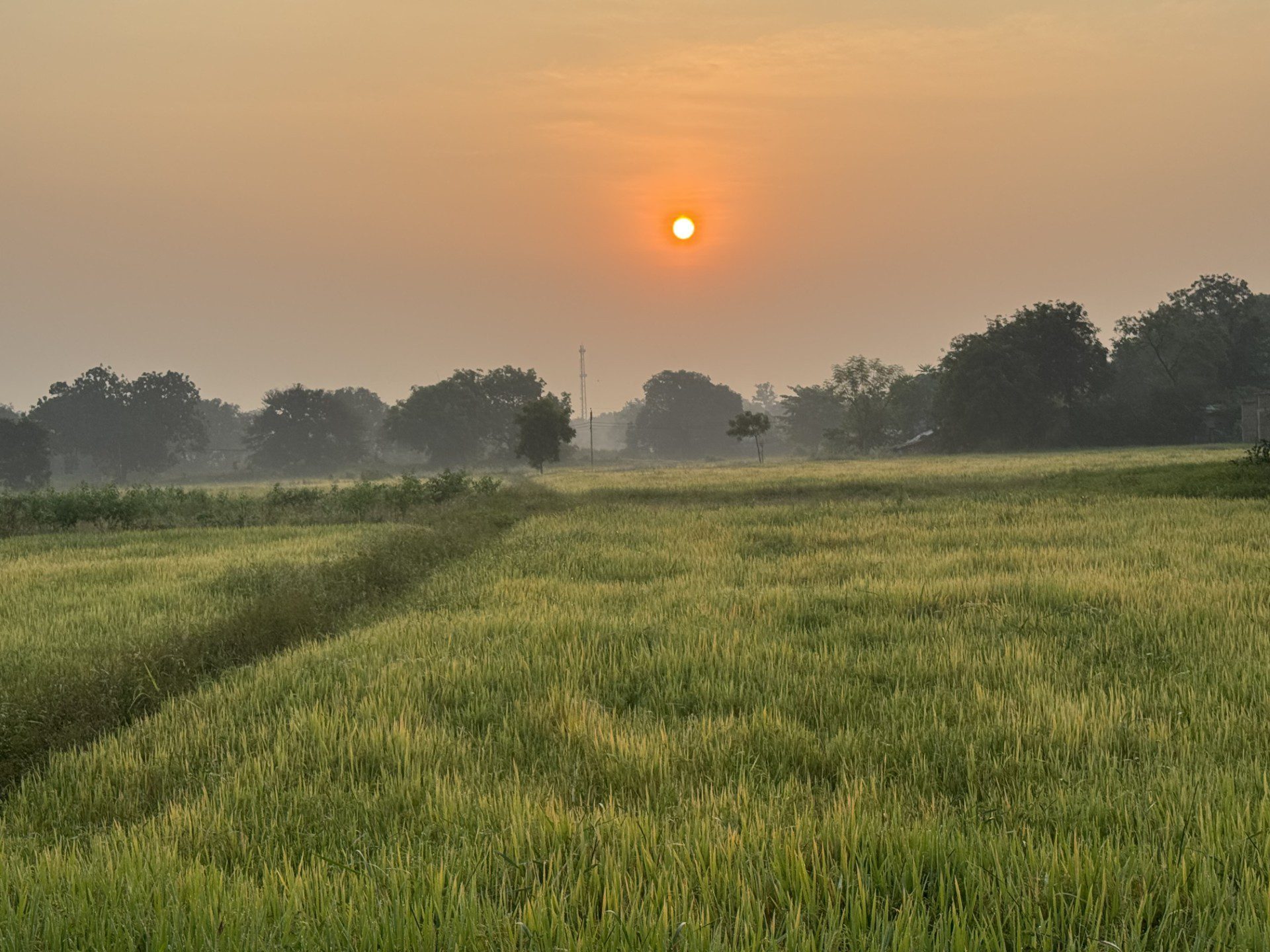
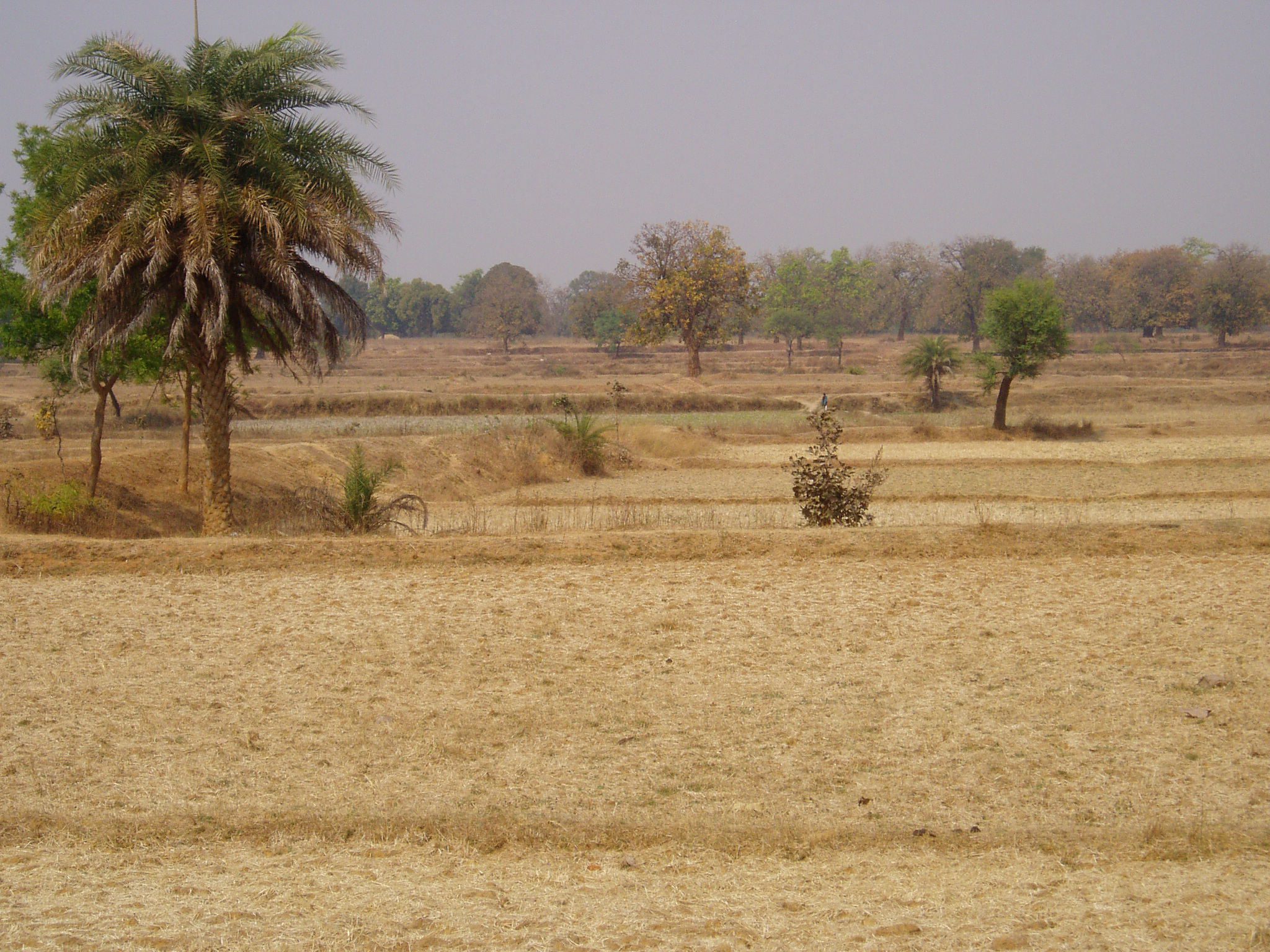
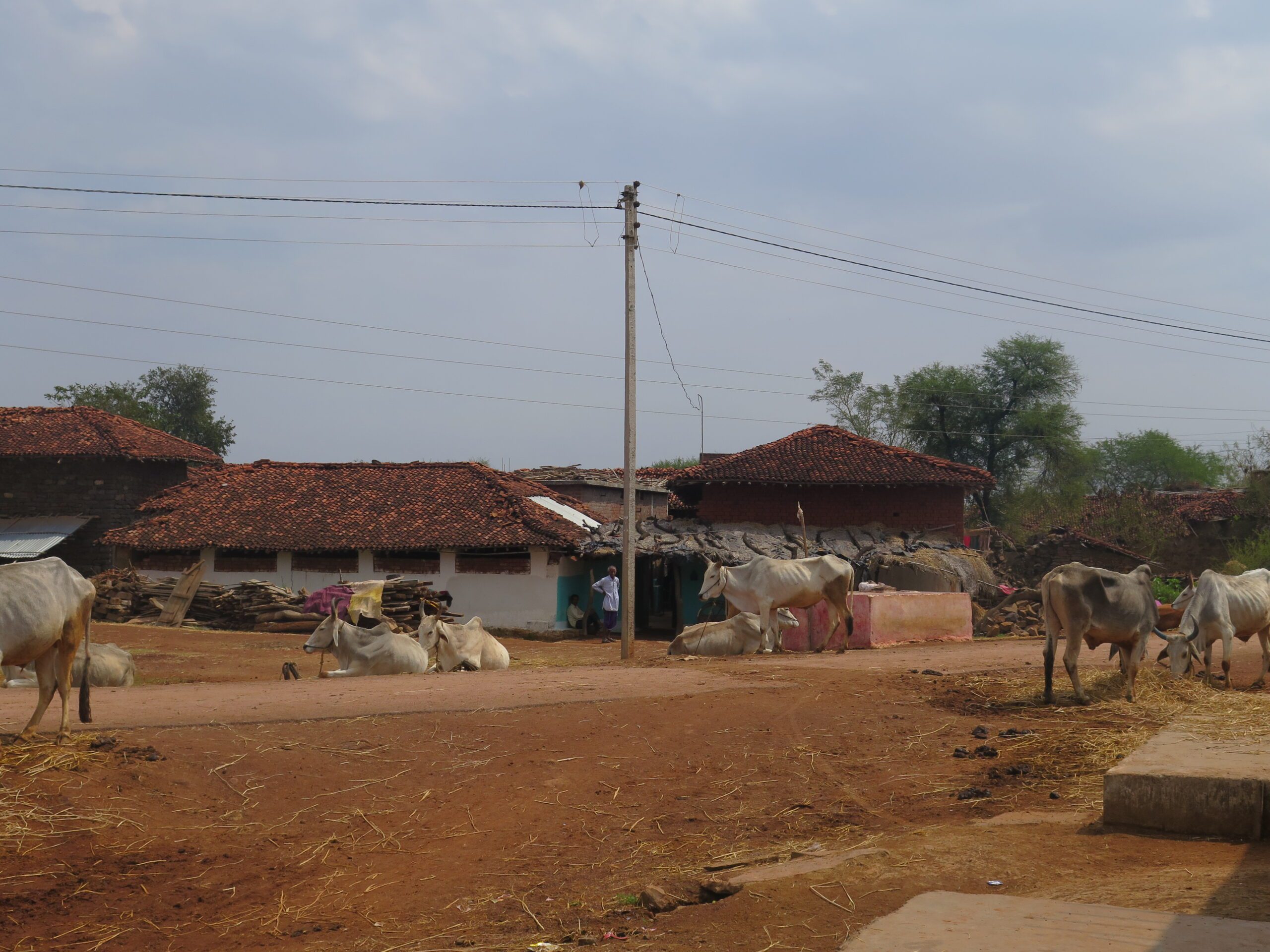
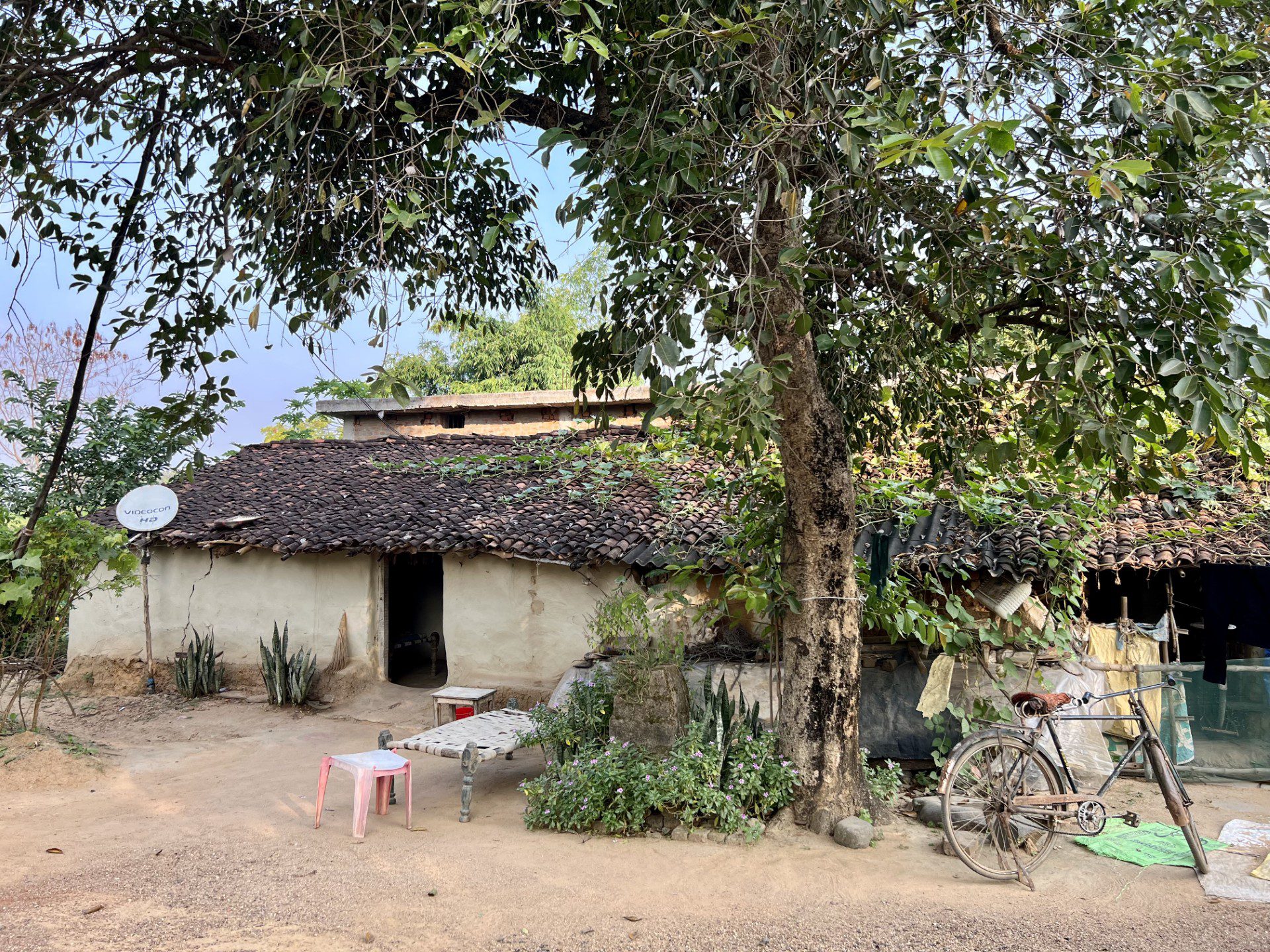
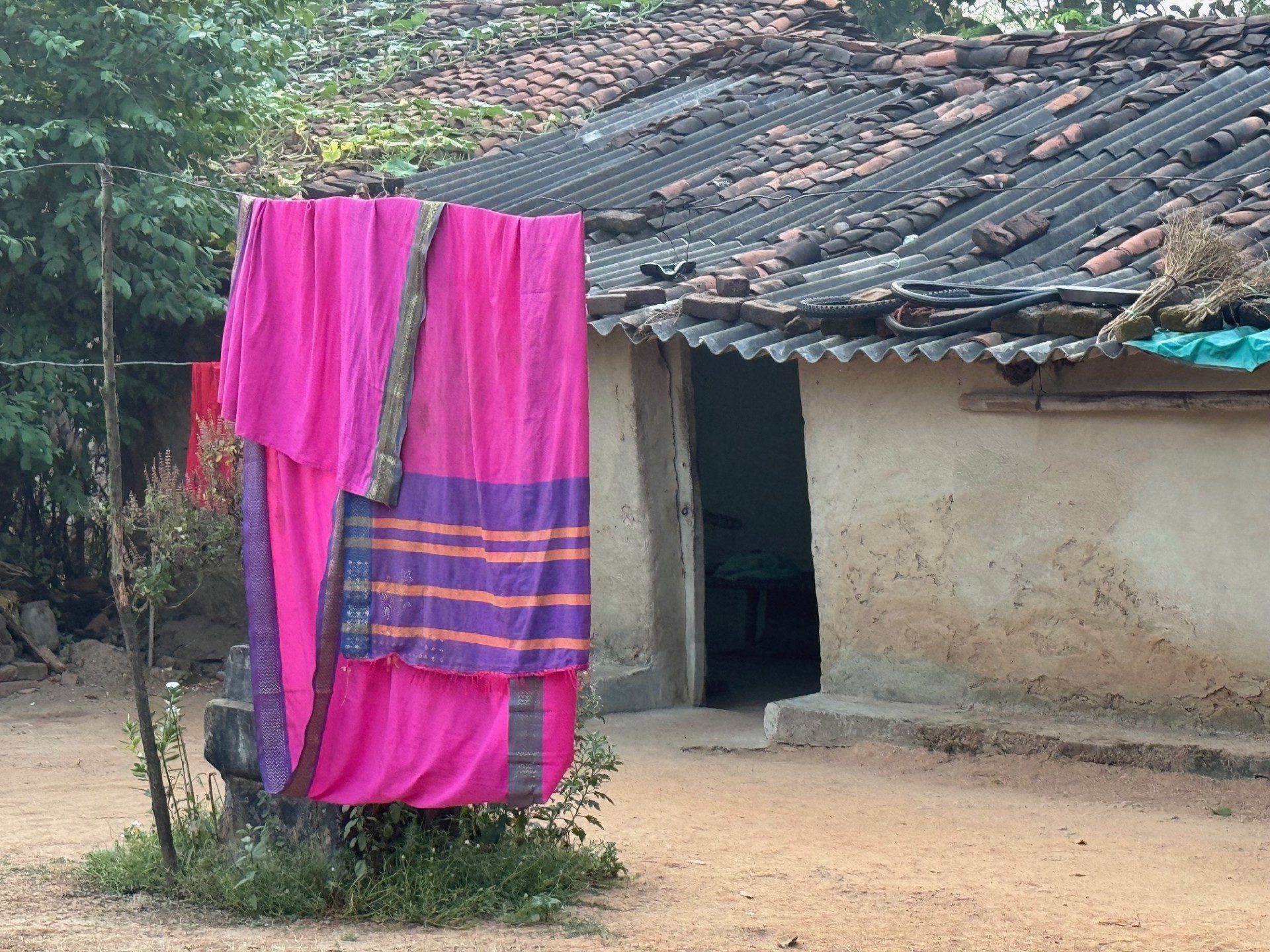
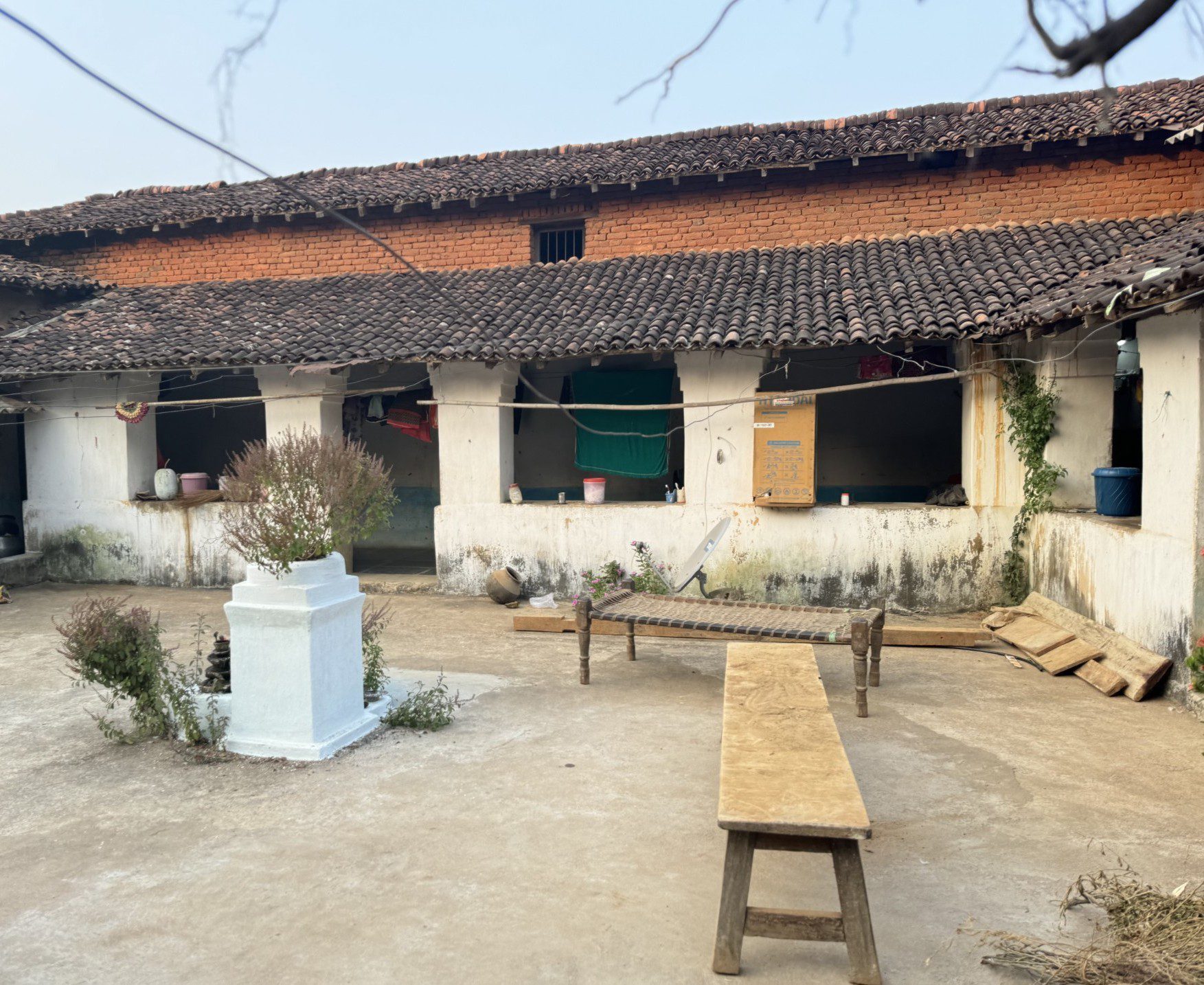
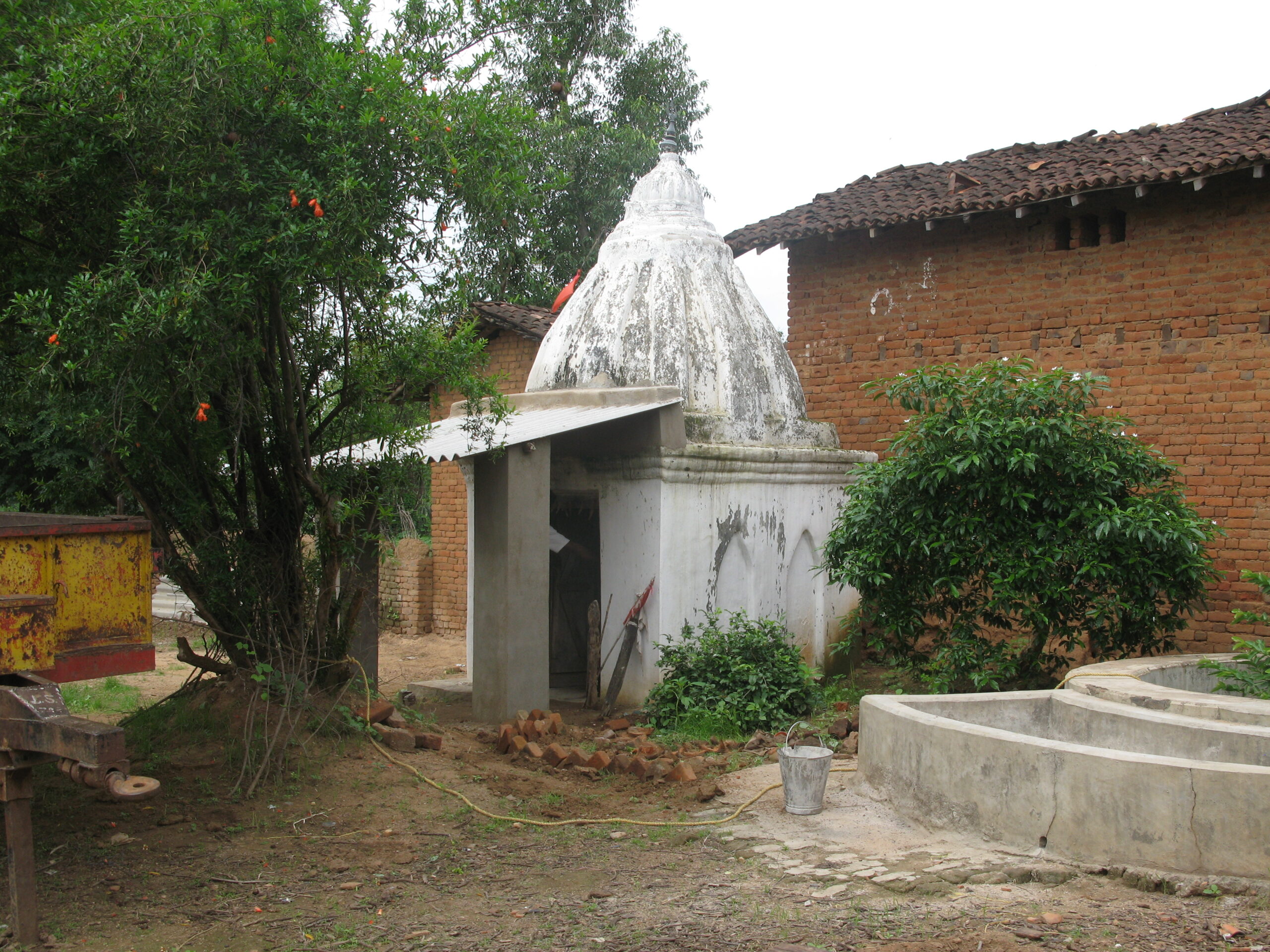
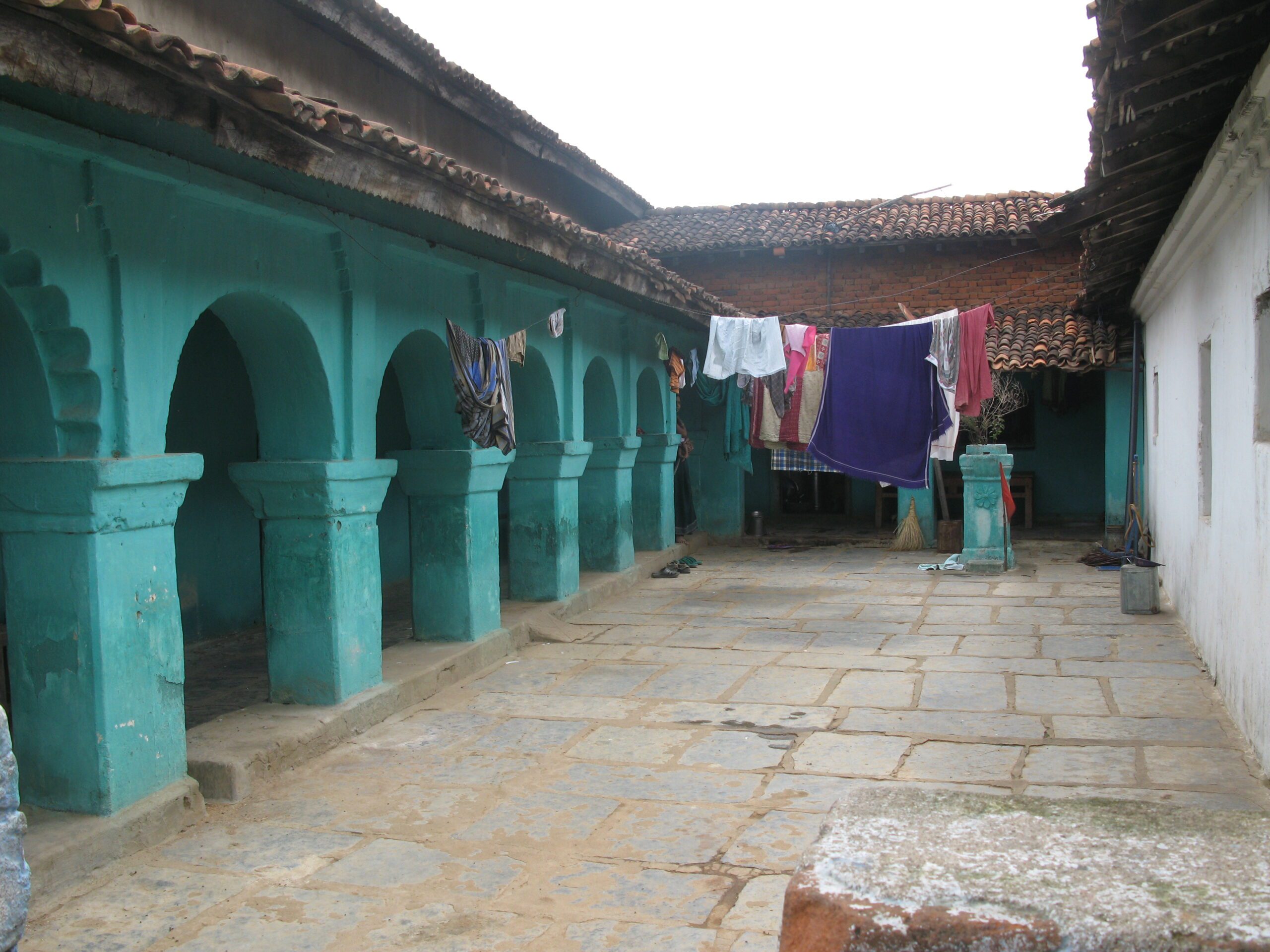
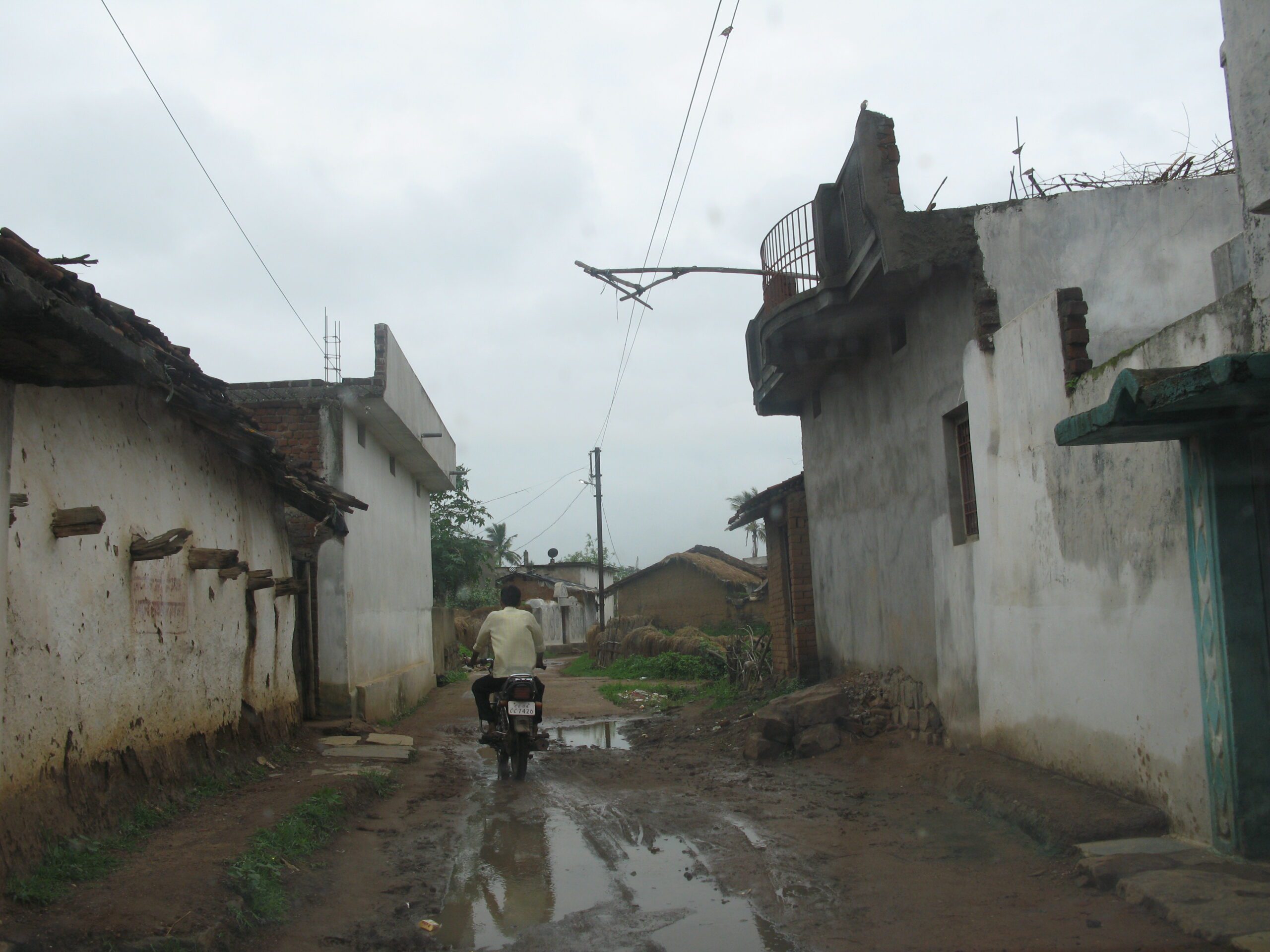
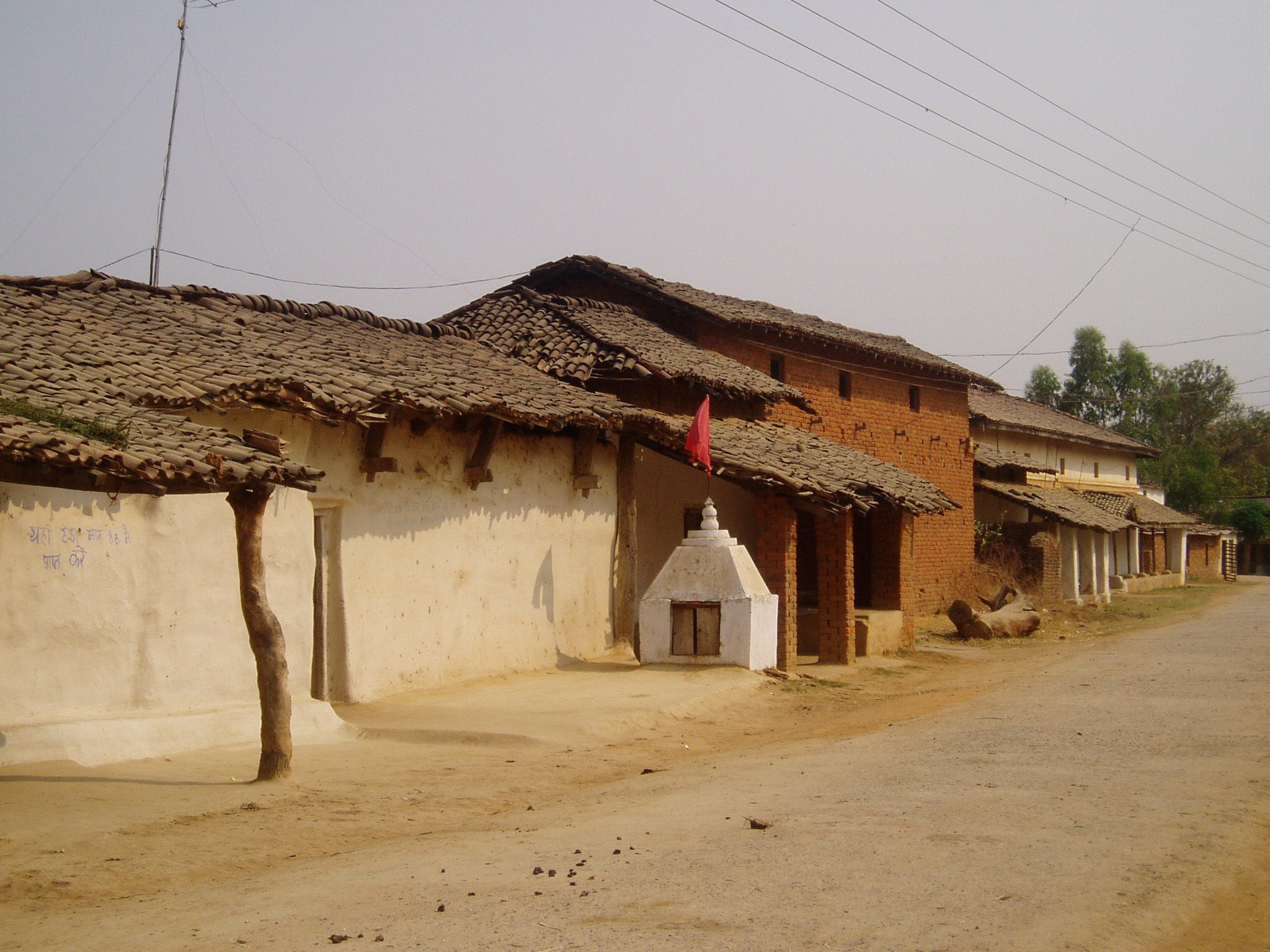
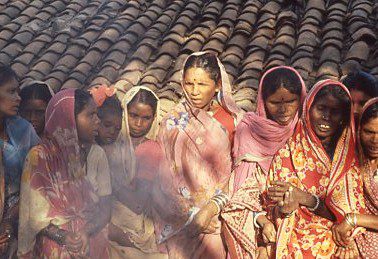
Introduction: Chhattisgarhi Rural Contexts
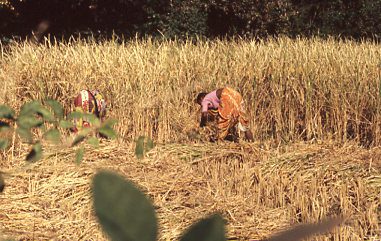
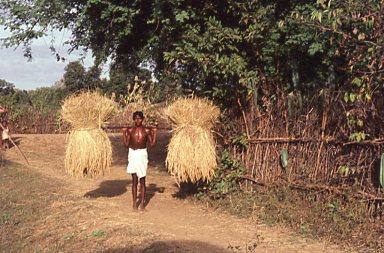
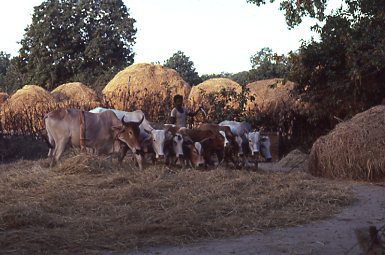
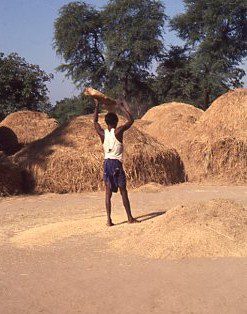
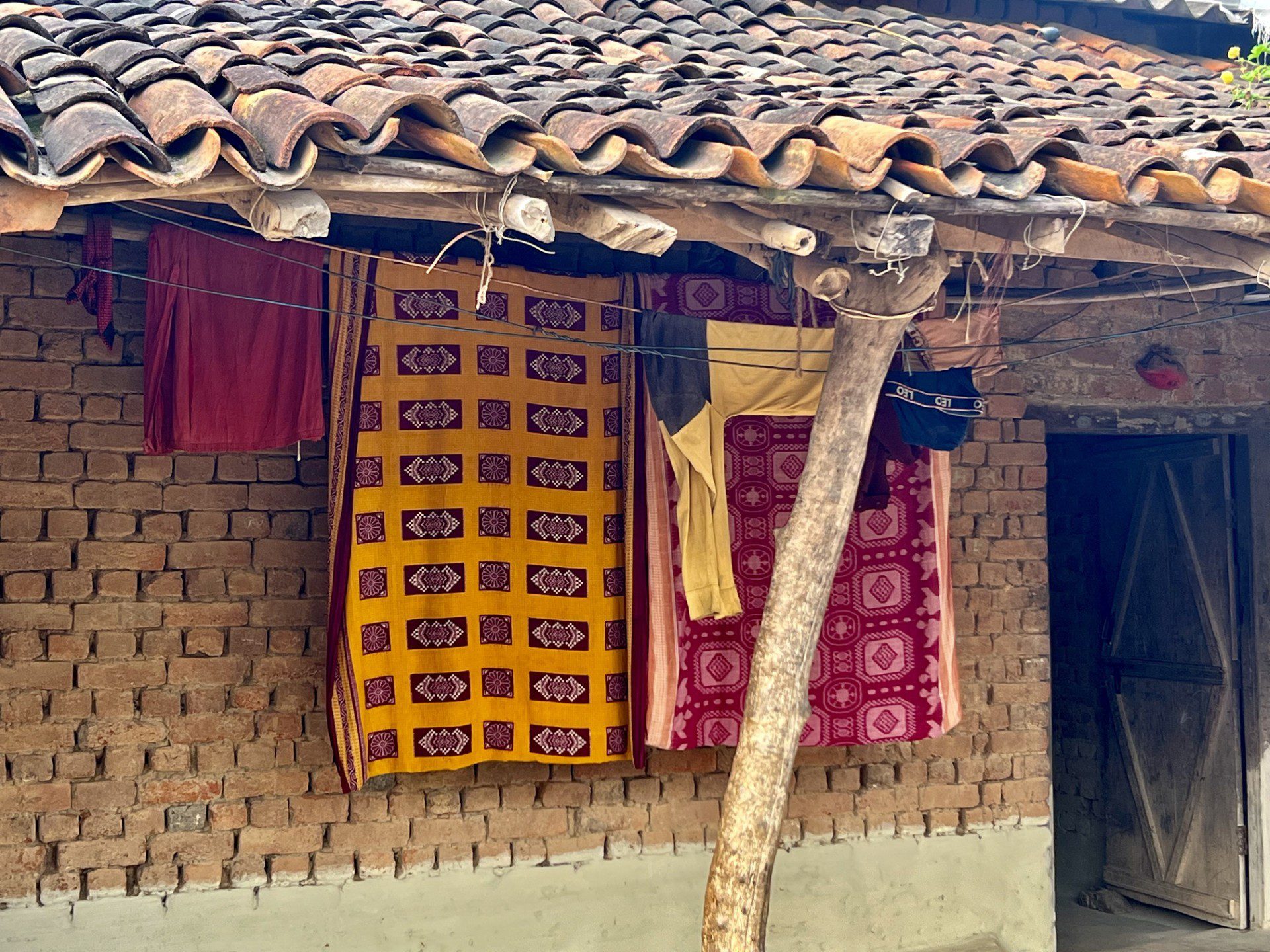
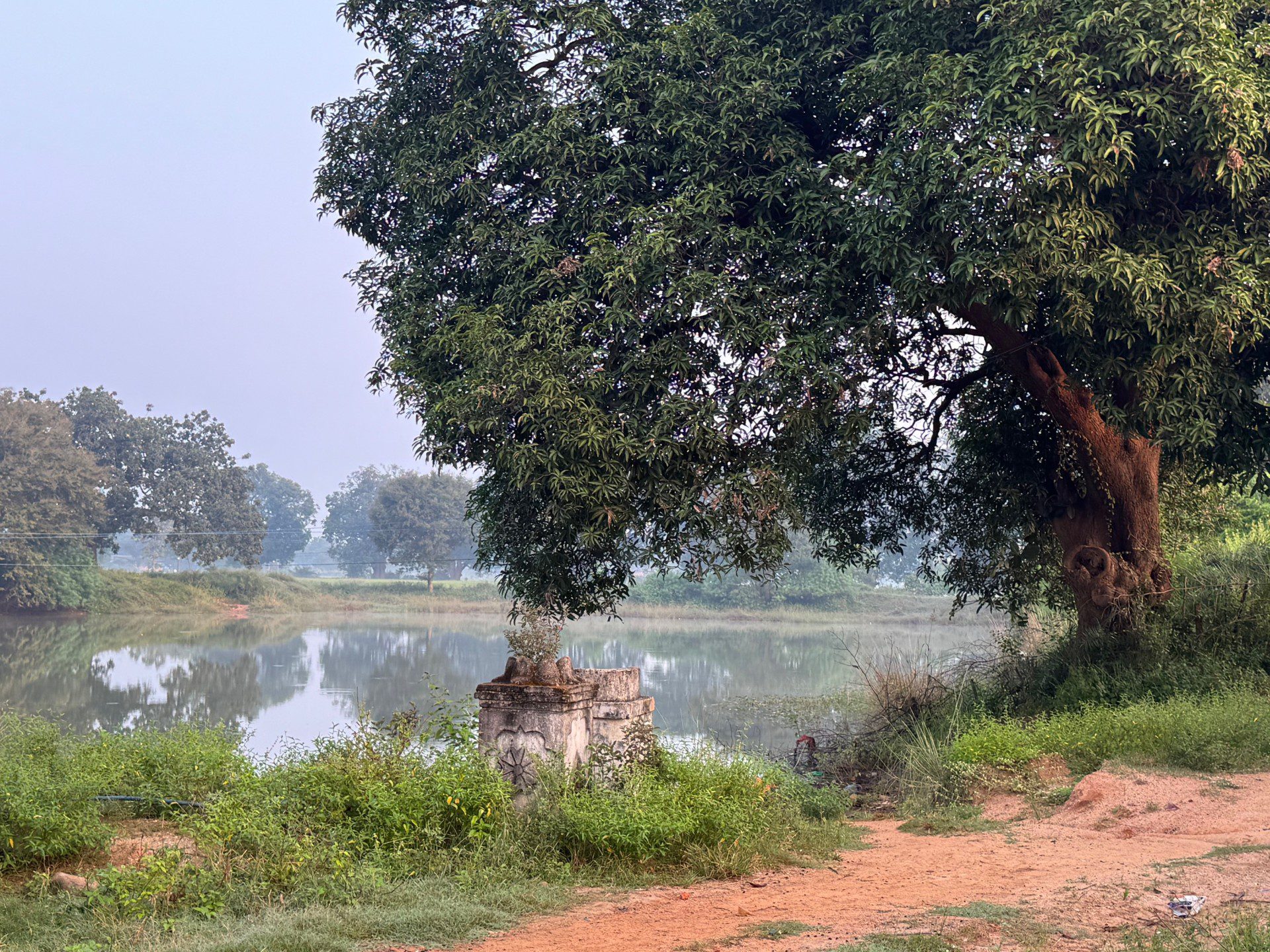
Agricultural Cycle and Village Scenes

Introduction: Chhattisgarhi Rural Contexts

Ch. 2 Bhojali: Girls' Ritual Friendships
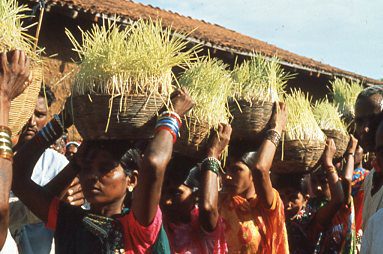
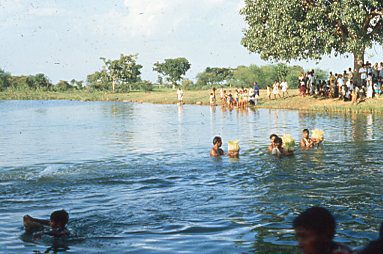
Solemnized through Exchange of Wheat Seedlings

Verses sung to the growing wheat seedlings, who are the goddess Bhojali Dai and indirectly the girls who will become bhojali ritual friends, referring to their ripening fertility (recorded 1980):

The corn is full of starch;
The sugarcane is ready;
Hurry, hurry and grow, oh bhojali,
That you, too, may ripen.

The flood has come; the waste swept away.
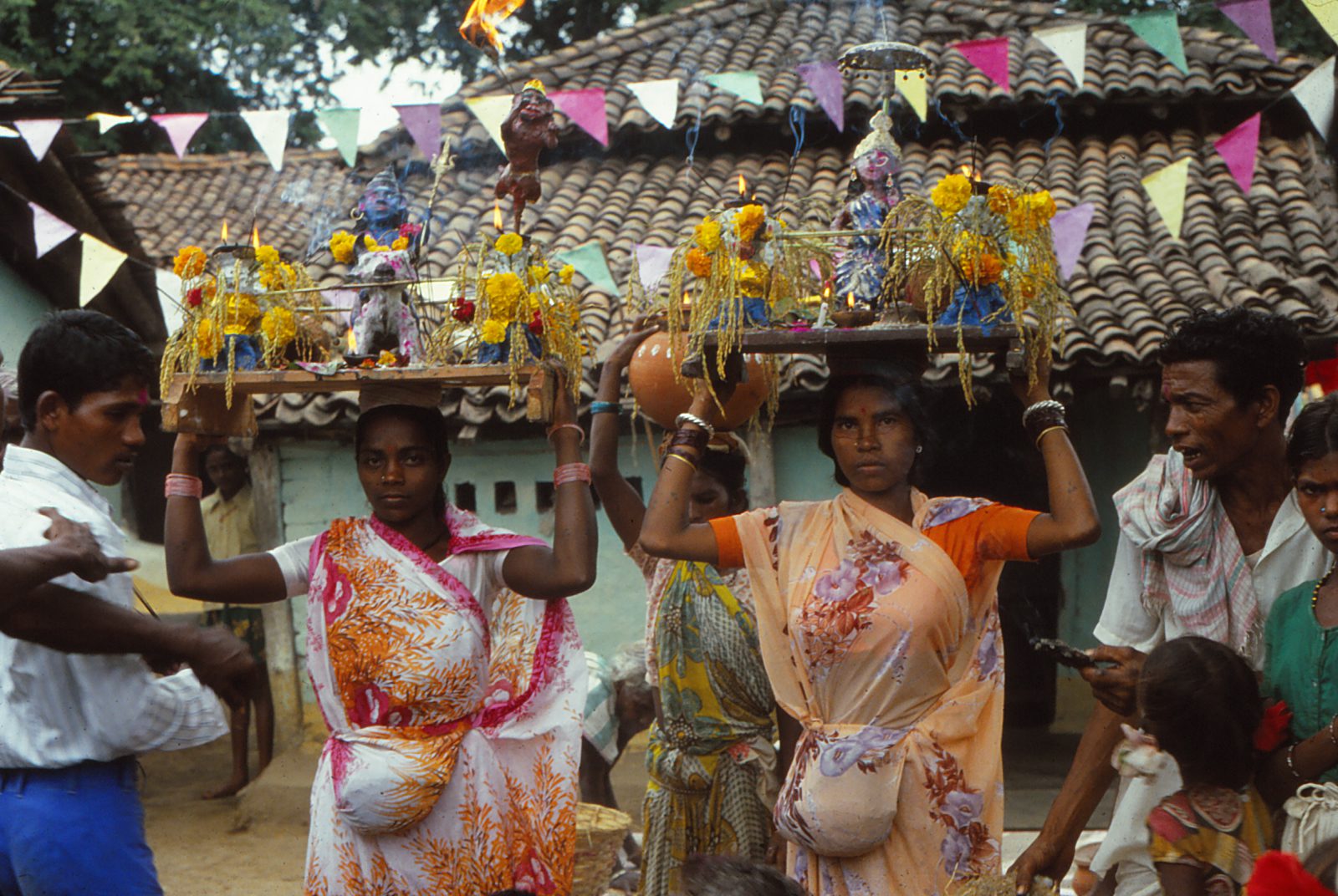
The sari border of our Bhojali Dai [Bhojali Mother] is golden.
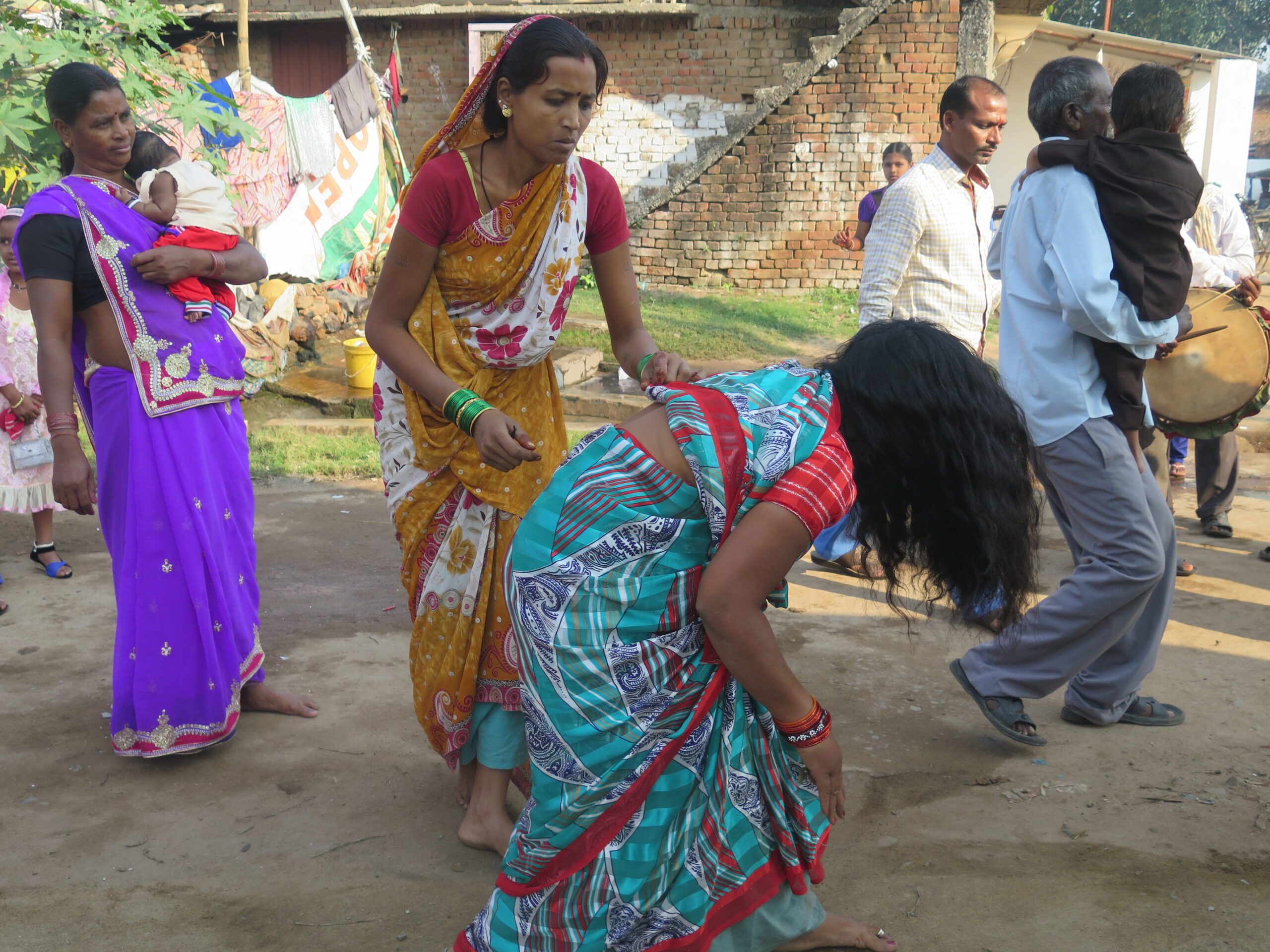
The flood has come; the small boats have floated away.
The crown of our Bhojali Dai is golden.

Ch. 3: Dalkhai: Girls' Song and Festival Tradition of Reversal
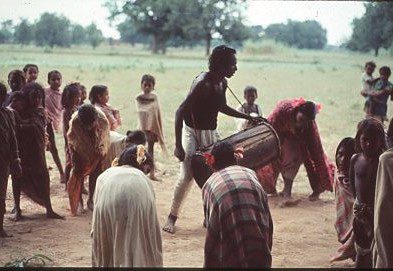
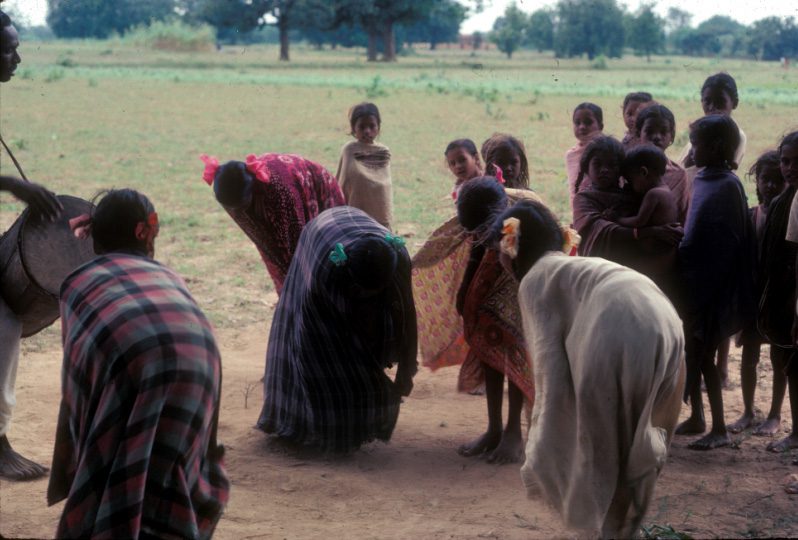
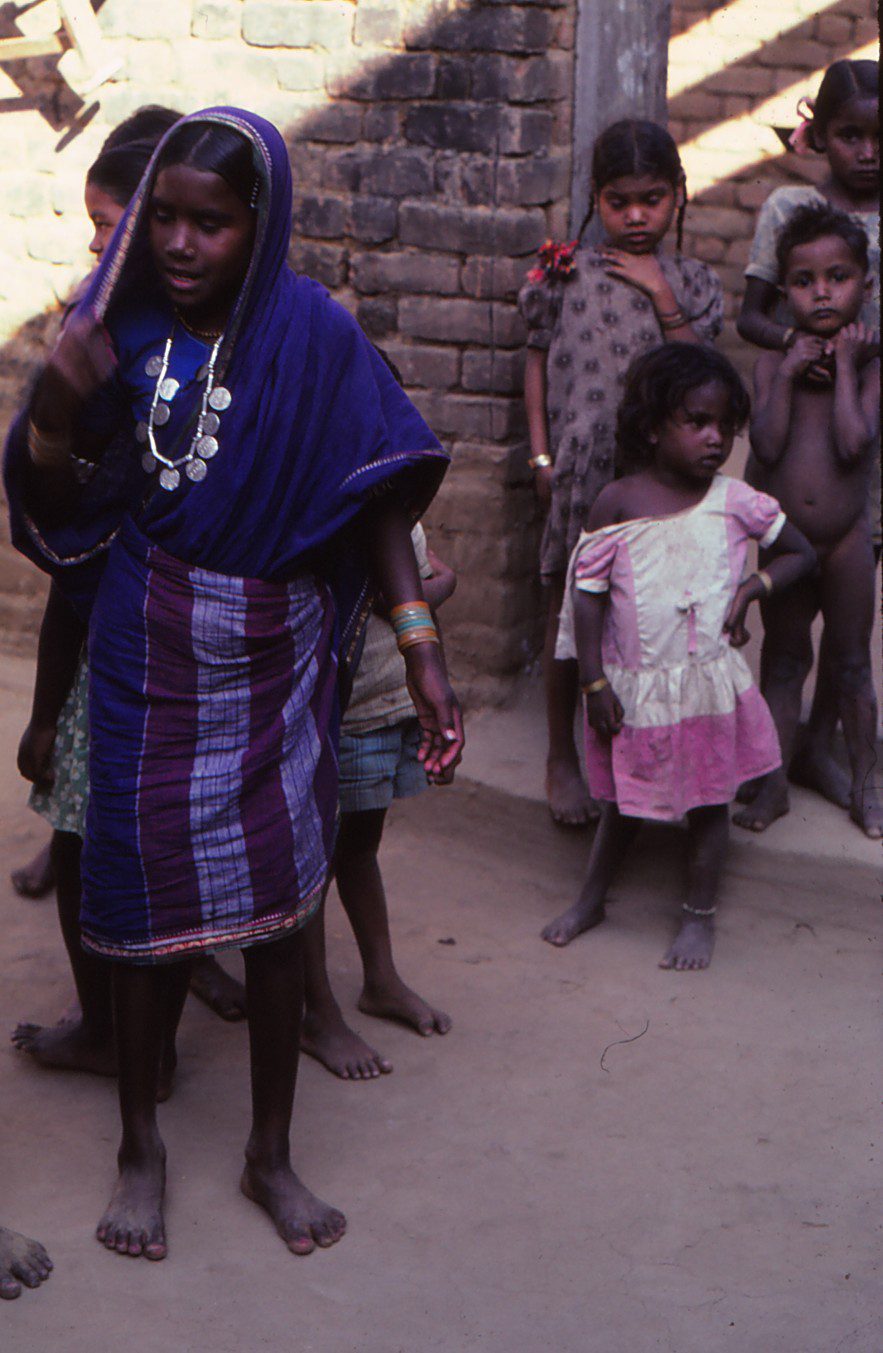
Called a 'Holi for Unmarried Girls'

Sample Dalkhai verses (recorded 1981):

Ki dalkai re!
The month of Caitra is cool,
Who will bring to me my Bengali lover?
On her wrists are campa flowers;
On her neck a tulsi garland.
Krishna speaks only one word to Radha
That is beautiful to the heart.

Ki dalkai re!
You're only sixteen years old.
Life's purpose isn't to eat poison!
When the evening turns to night,
Speak with your eyes.

Ki dalkai re!
This branch is cut from the aunla tree.
But your short hair isn't attractive.
Short hair needs a pair of flowers;
Short hair needs a bun to look graceful.
Keep your Odiya bun tied up, my friend.
When you shake it loose, you break my heart.
Ki dalkai re!

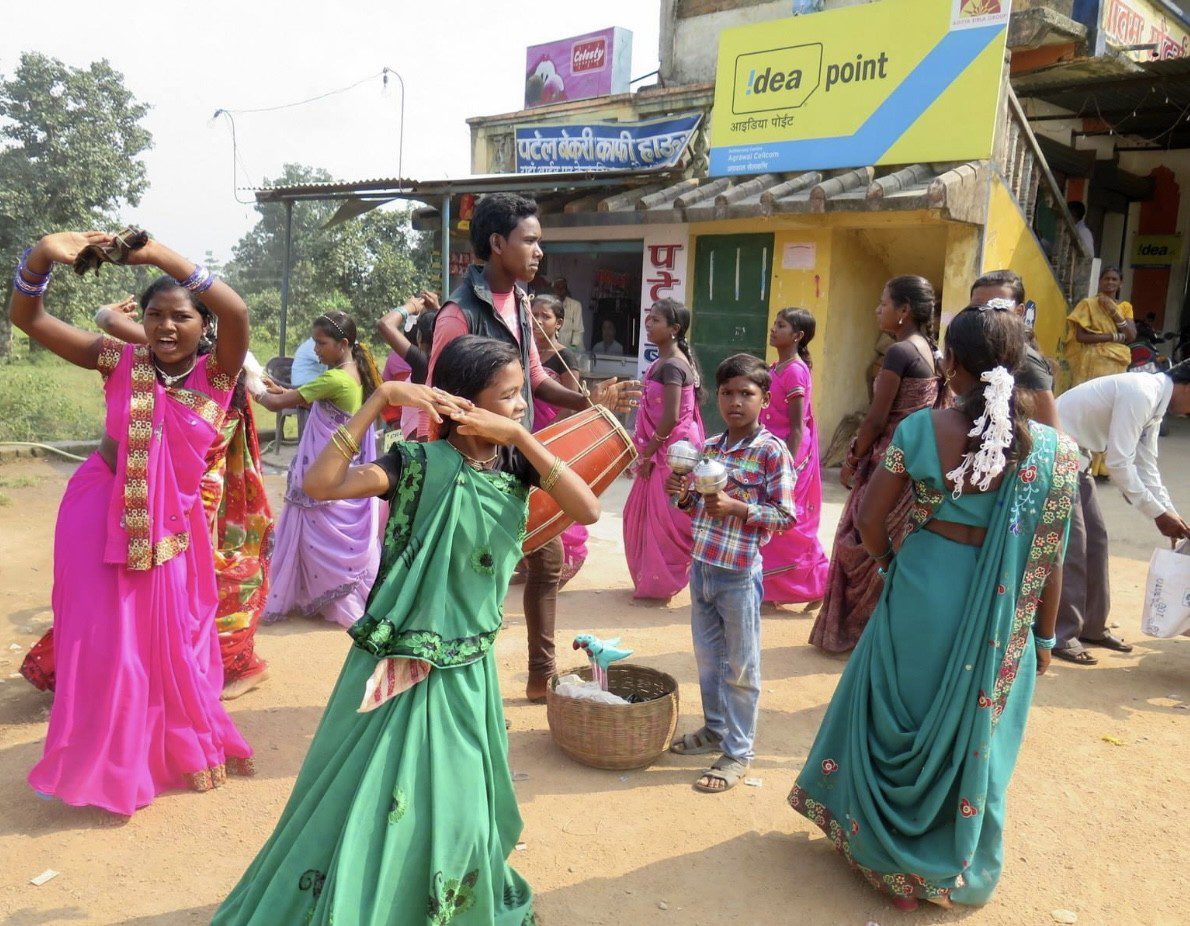
Ch. 4 Sua Nac: Parrot Harvest Dance
Ritually Transforming Rice Paddy into Wealth (Lakshmi)

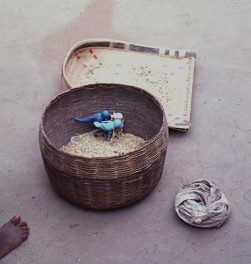
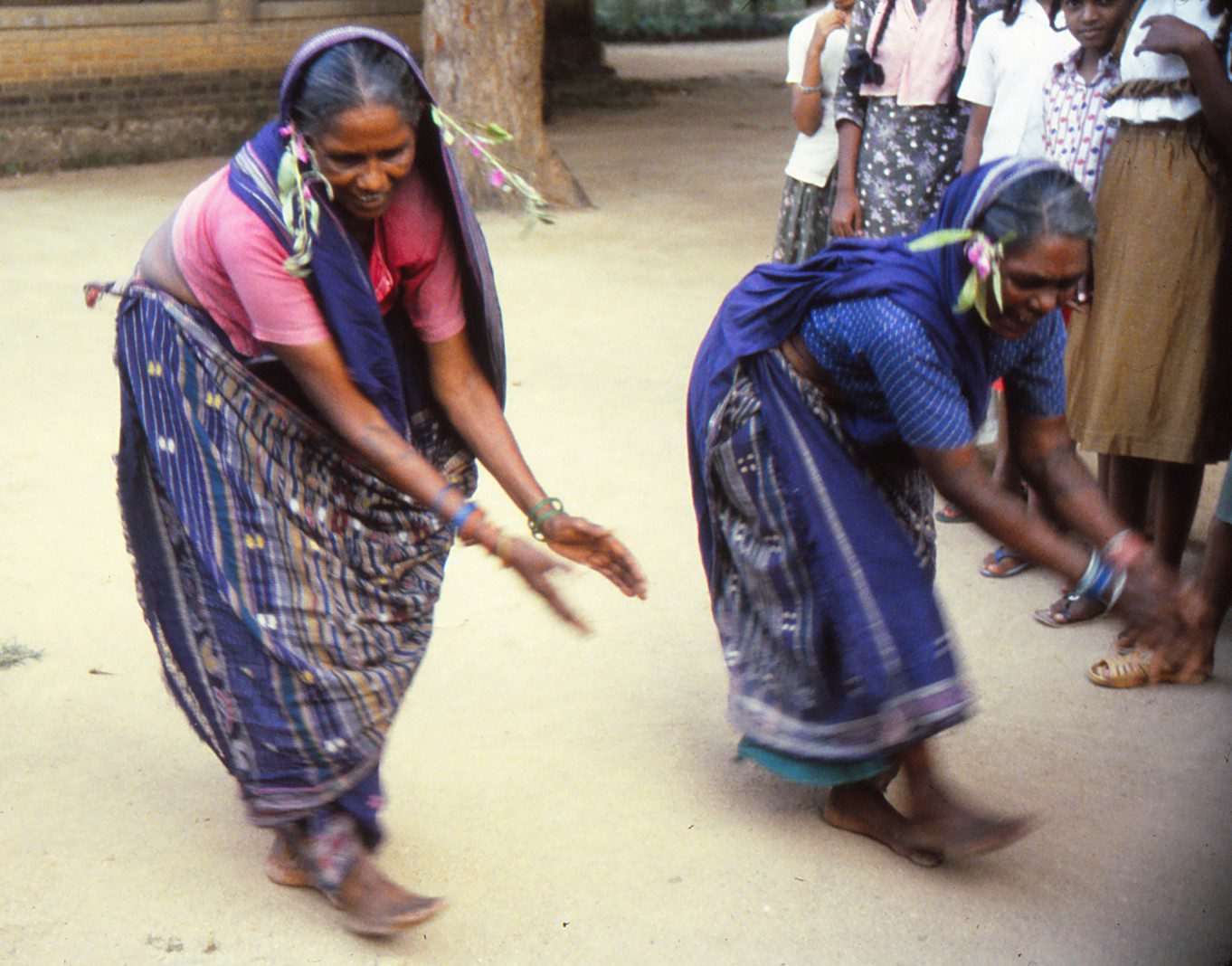
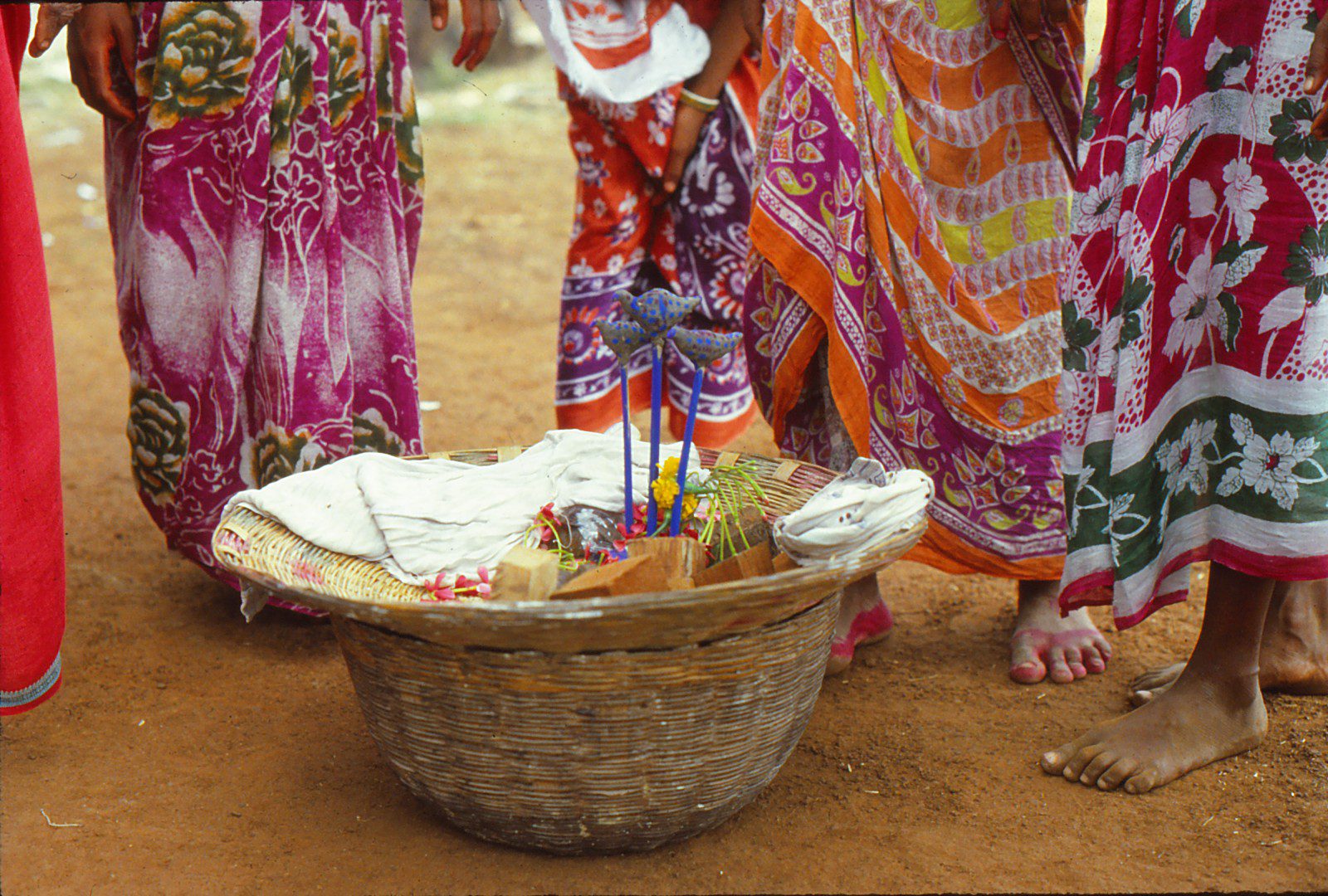
Sua nac verses sung back and forth between two groups of dancers in courtyard of village headman in Patharla village, with the parrot basket for donations between them, 1981:

Mother, as you receive and give,
Suana, so you will receive blessings.
Suana so will you receive blessings.

May your house be filled with grain and wealth.
Suana, mother may you live one lakh of years.

May your young son get married.
Suana, may a grandson play in your lap.

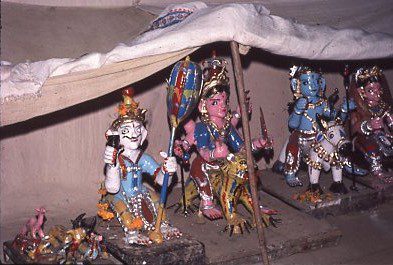
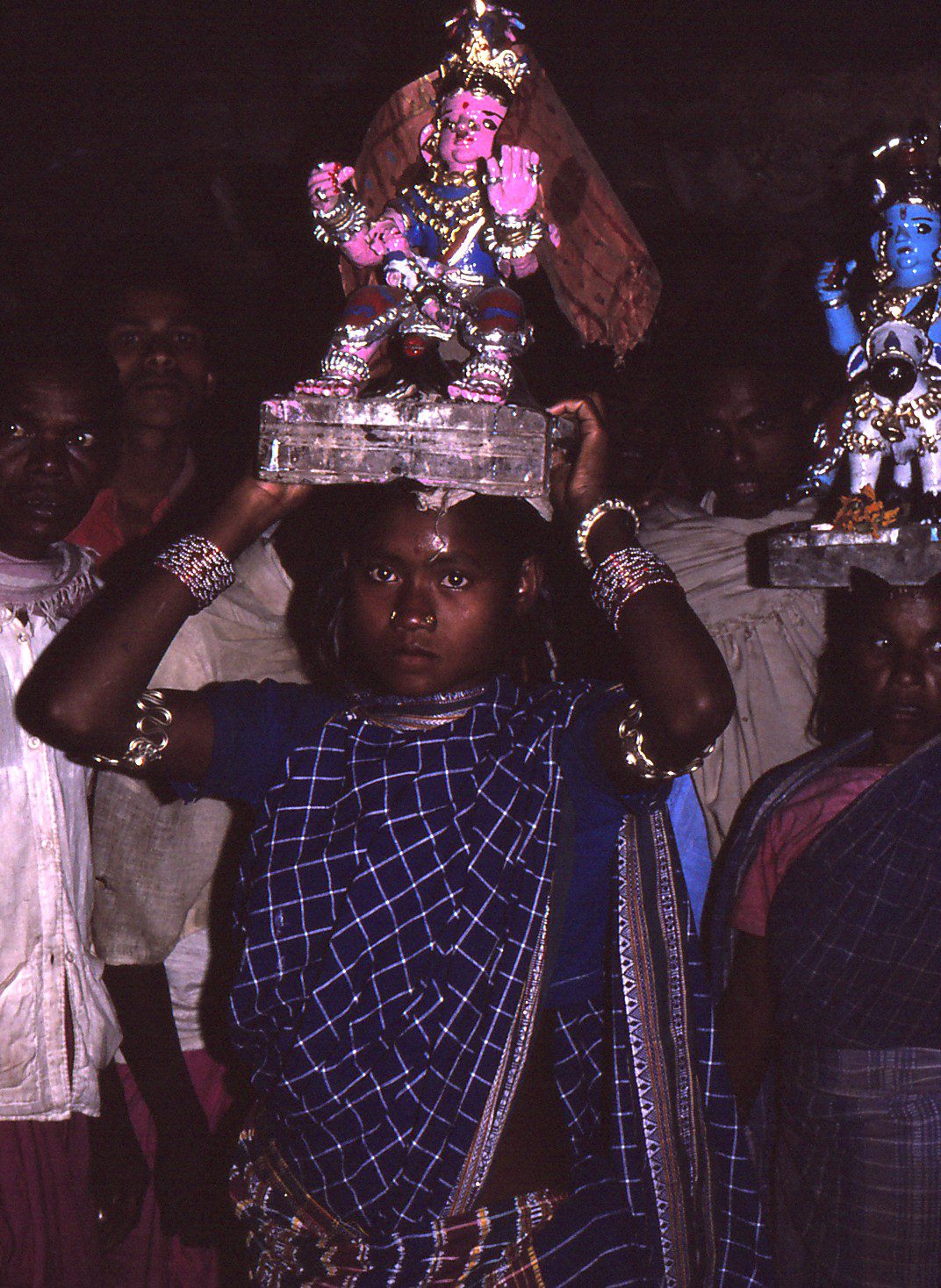
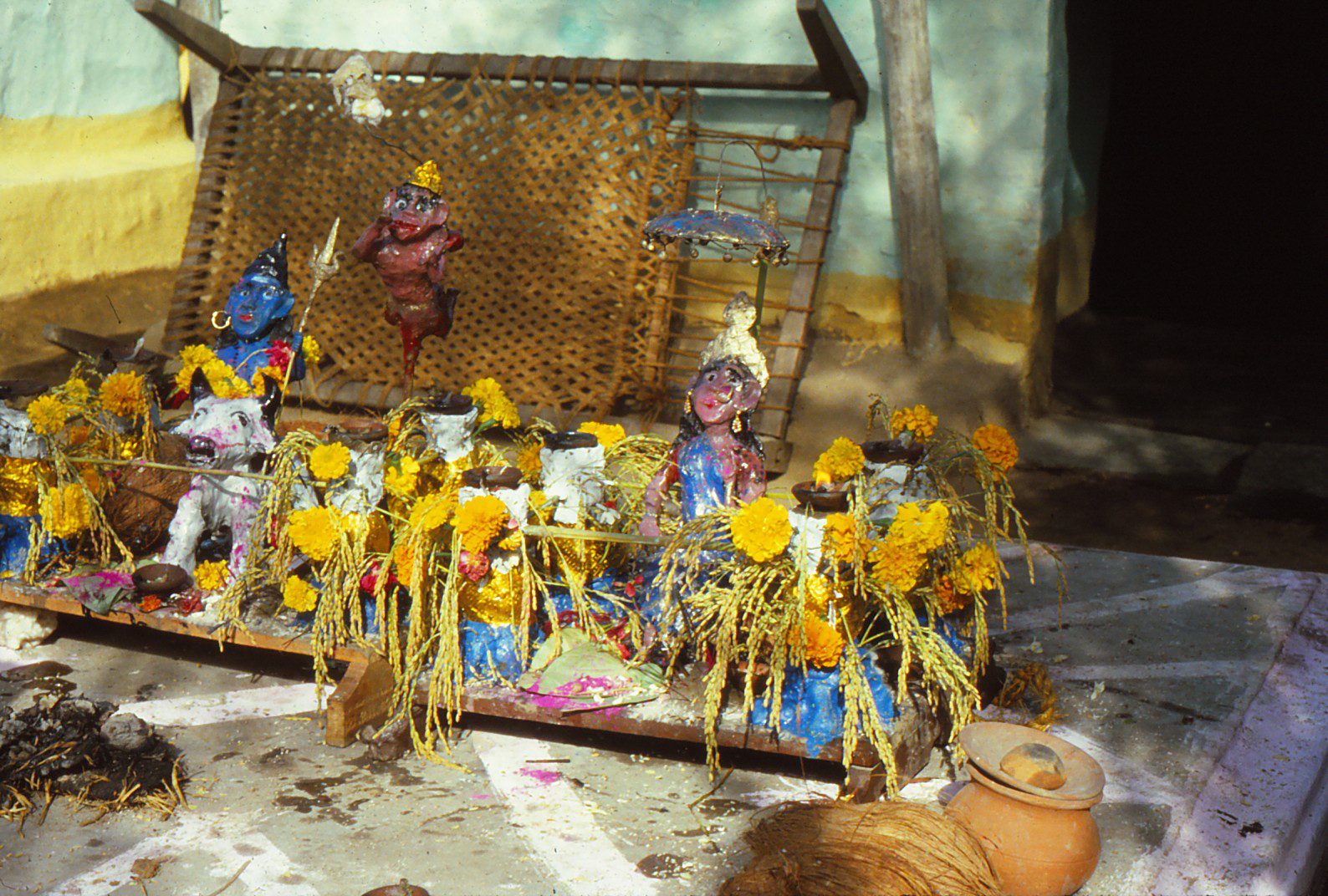
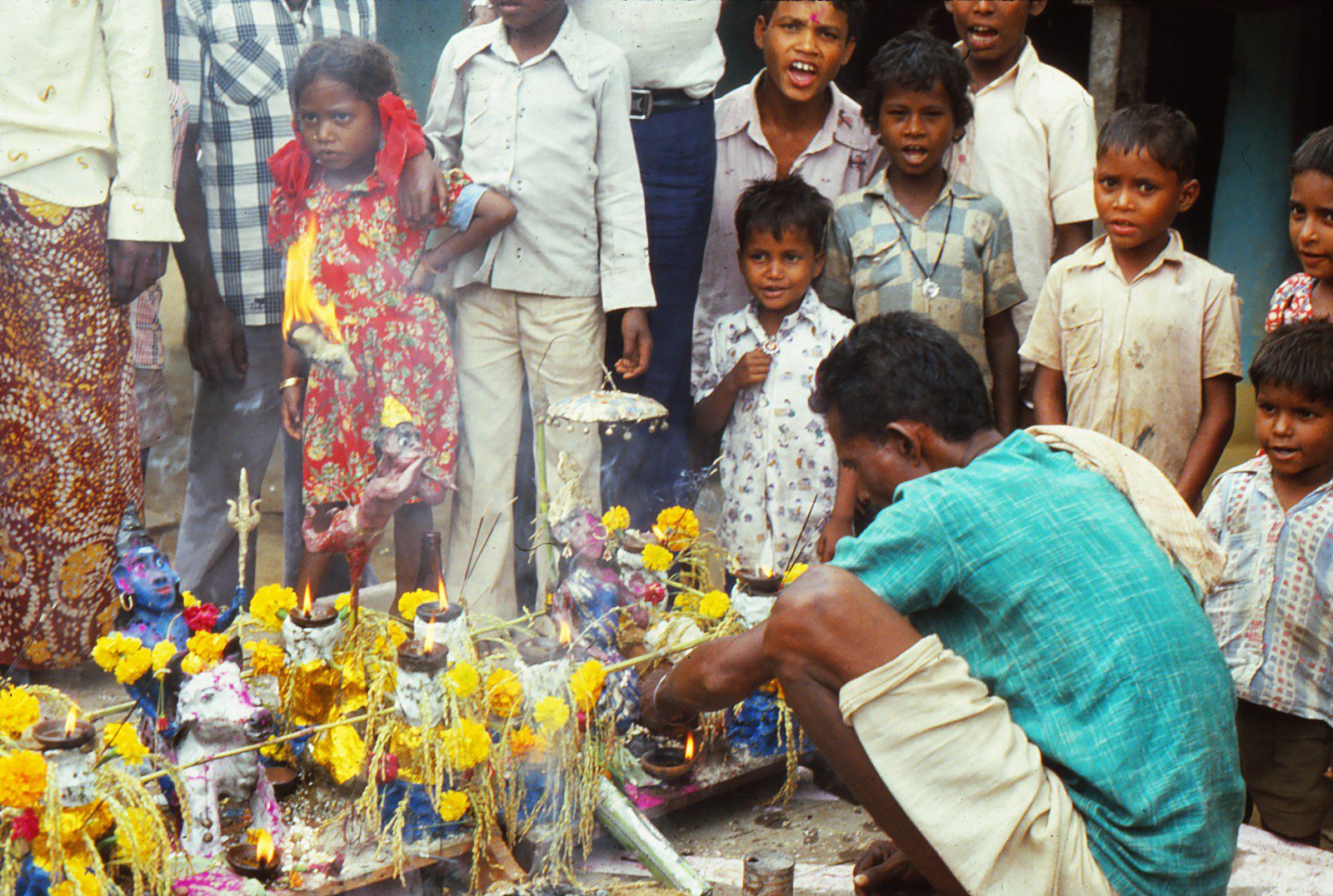
Gaura Festival for which Sua Nac Helps to Raise Funds
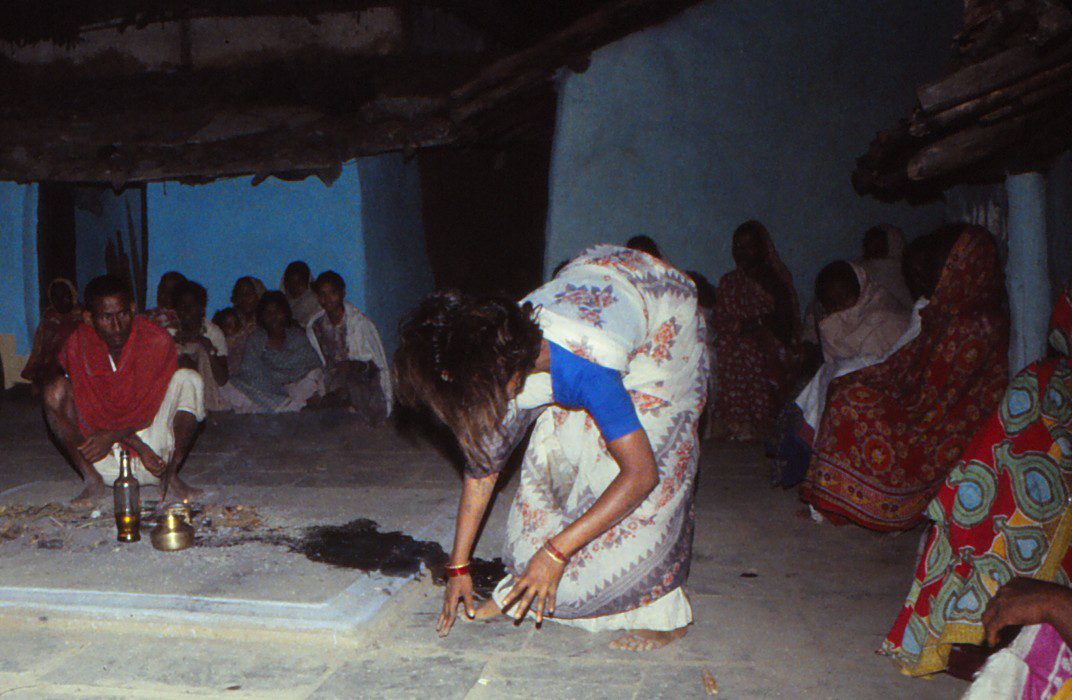
Body movement of both Gaura possession and sua nac dance
is called 'jhupna'.

Ch.5 Kathani Kuha: Professional Storyteller
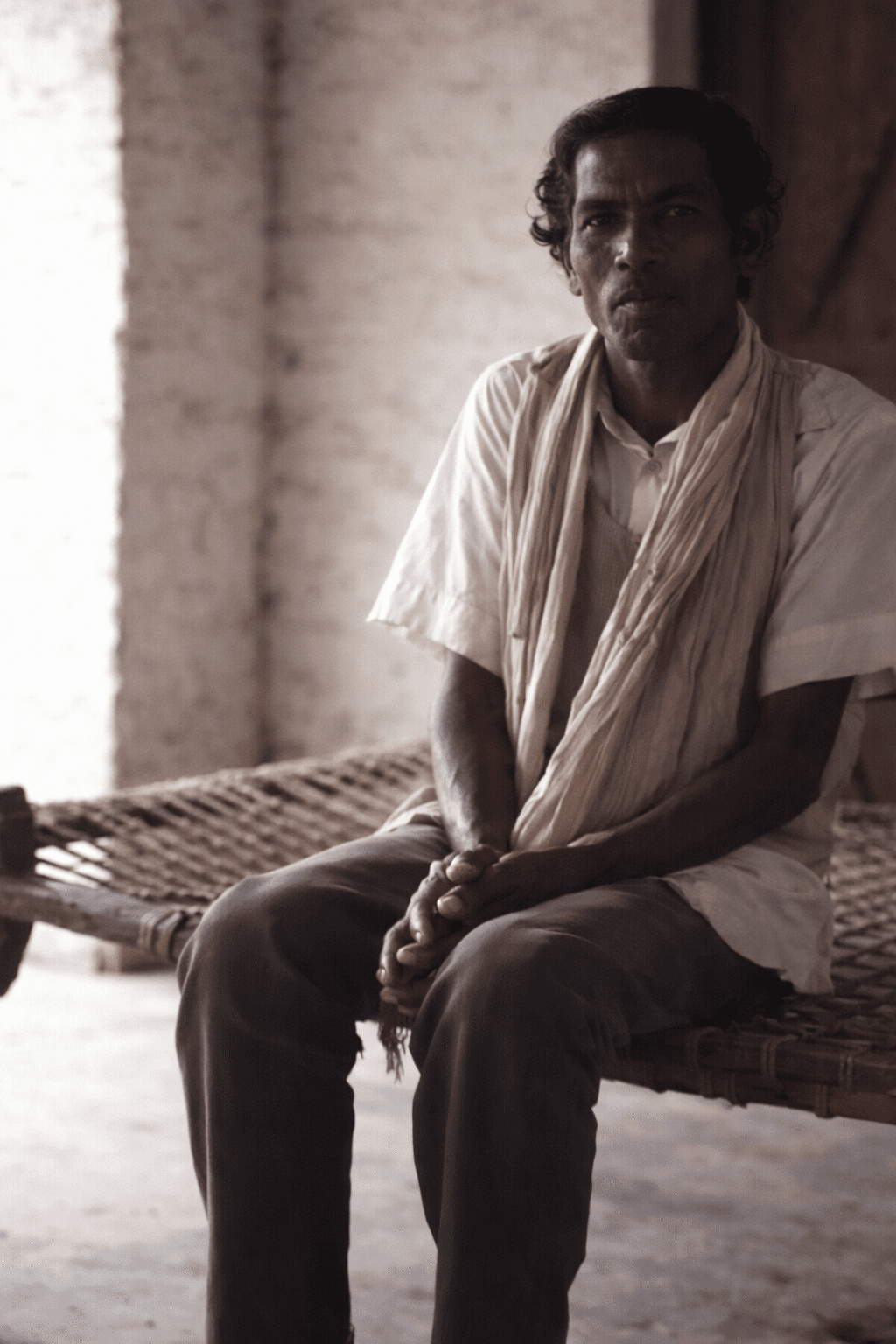
Parmeshvara, Sirco Village, 1981

Add Your Heading Text Here

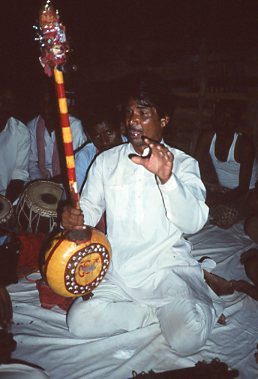
Ch. 6 Candaini: A Chhattisgarhi Epic
(whose hero and heroine, Lorik and Canda, come from Raut cowherding caste).

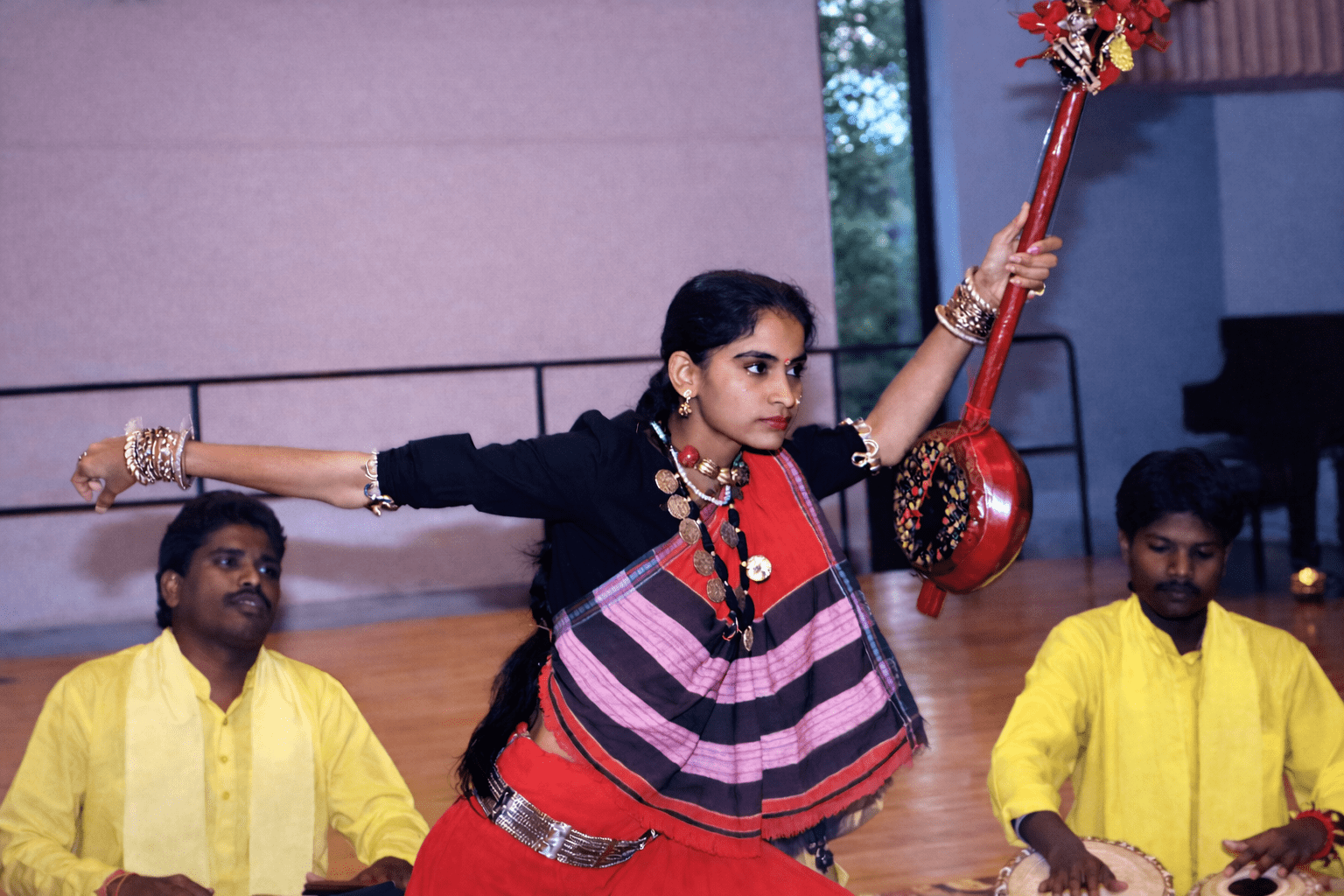
Pandvani: Chhattisgarhi Mahabharata

"The TV Mahabharat is according to the shastra (authoritative, religious texts); Pandvani is according to our hearts. Pandvani is Chhattisgarhi." -- Pandvani performer Mani Ram, Darba village, 1993.

Search YouTube for Ritu Varma and Teejan (Tijan) Bai for live performances of these two well-known female Pandvani performers who have performed around India, Europe, and United States.